 Yongda
Yongda
Yongda
Engineered specifically to handle the water chemistry, pressure regulations, and installation standards of London’s modern commercial and residential infrastructure.
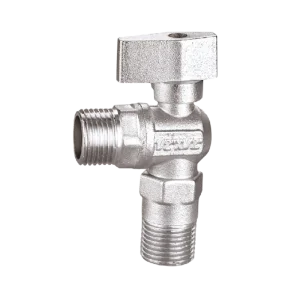
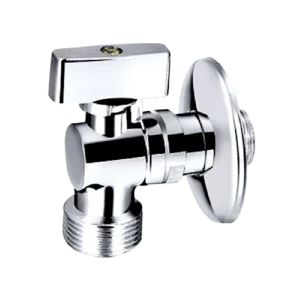
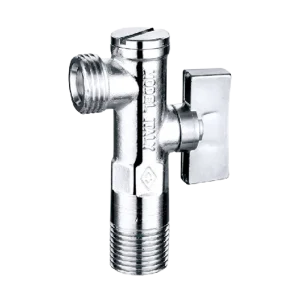
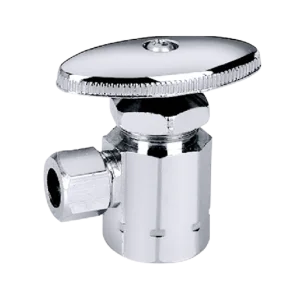
London remains one of the world's most demanding environments for building services, HVAC design, and public health plumbing systems. The combination of historical Victorian architecture requiring sensitive retrofitting alongside cutting-edge, ultra-high-density commercial hubs such as Canary Wharf and the City of London places extreme strain on fluid control technologies. Municipal water supply standards managed by Thames Water enforce rigorous regulatory compliance under the UK Water Supply (Water Fittings) Regulations 1999.
A critical consideration in this local market is Water Regulations Advisory Scheme (WRAS) approval. Any valve integrated into a drinking water system in the Greater London Area must resist aggressive dezincification (DZR) caused by localized water characteristics. Standard brass can lead to structural failure through zinc leaching, making premium grade brasses such as CW617N, CW602N (DZR), or the newer lead-free alloys compulsory for high-performance buildings. Simultaneously, London's adoption of District Heating Networks (DHNs) mandates robust, temperature-stable underfloor heating manifolds, thermostatic valves, and high-pressure stop valves capable of consistent cycles without failure.
Globally, the commercial brass valve manufacturing sector is experiencing massive structural changes. Driven by environmental sustainability directives like the EU Lead-Free Drinking Water Mandate and the US Safe Drinking Water Act (SDWA), manufacturers are shifting production parameters from traditional lead-containing brass (such as HPb59-1) to low-lead and lead-free compositions. Silicon-alloyed brass (e.g., CW724R) and bismuth-treated copper alloys are setting new benchmarks for mechanical strength and physiological safety.
Furthermore, energy conservation policies demand tighter tolerances in hydronic balancing. Static and dynamic balancing valves, radiator valves with integrated lockshields, and motorized mixing shunts are vital to reducing overall building carbon footprints. As energy prices rise, particularly across Europe and the UK, optimizing heat emitter efficiency through precise local fluid control is no longer optional. Industrial buyers look for suppliers that can bridge cost efficiencies with technical compliance, requiring state-of-the-art testing platforms such as 100% helium leak detection and high-pressure pneumatic verification.
Yuhuan Yongda Fluid Control Co., Ltd. (formerly Yuhuan Yongda Plumbing Co., Ltd.) has been at the forefront of the global valve sector since its founding in 1996. Headquartered in Yuhuan, Zhejiang—the recognized valve capital of China—the company covers a massive factory footprint exceeding 45,000 square meters, with an operational floor space of 80,000 square meters.
Yongda focuses on high-precision brass valves, fittings, and specialized HVAC components, serving middle-to-high-grade markets in North America, Europe, and the UK. With over 600 sets of advanced manufacturing and metrological equipment (including 80+ specialized CNC machining centers), we guarantee that every single component leaving the factory meets our zero-leakage threshold.

Cokaren, Yongda's premier brand, operates under the core commitment of "keep flowing, keep warming". The brand targets mechanical contractors, specifiers, and distributors who require refined appearances paired with flawless mechanical integrity.
Cokaren's product lines represent premium brass engineering, featuring specialized plating to resist scaling and calcium build-up (highly common in the hard water zones of Southern and Eastern England). By combining strict dimensional controls with sleek European aesthetics, Cokaren supports modern hydronic water networks, ensuring long-term thermal comfort and environmental protection.
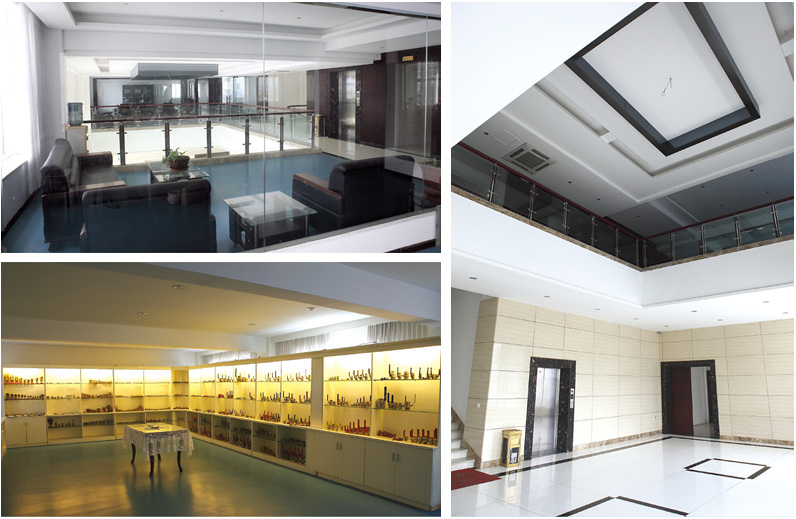
To assure reliable performance in high-risk commercial setups, Yongda operates under a tri-system international certification framework. We maintain ISO 9001:2015 (Quality Management), ISO 14001:2015 (Environmental Management), and ISO 45001:2018 (Occupational Health & Safety). Our manufacturing processes leverage advanced robotic hot-forging, precision CNC turning, and automated surface treatment pipelines.
Our Quality Creed: Fine work, no leakage. Each batch of valves undergoes pressure-decay testing at 1.5 times the maximum rated operating pressure. We trace raw materials spectrographically to verify precise chemical composition, guaranteeing that our brass meets the stringent EN 12164 and EN 12165 standards for European component sourcing.

Our testing labs feature coordinate measuring machines (CMMs), torque testing apparatus, and cyclic thermal shock test beds. This ensures our radiator valves, ball valves, and manifolds can withstand the fluctuating system pressures typical of multi-zone hydronic systems.
By keeping all manufacturing processes—from tool design and hot forging to polishing, electroplating, assembly, and pressure testing—internalized, we provide the OEM flexibility and competitive quotes required by major London engineering firms.
High-efficiency manifold components designed for smart zoning, precise thermal mixing, and structural venting.

Our complete energy distribution network utilizes highly integrated sub-assemblies to optimize flow balancing, protect heating sources, and ensure localized control.

The first line of defense in domestic water sanitation, filtering out 98% of particulate impurities in incoming pipelines.
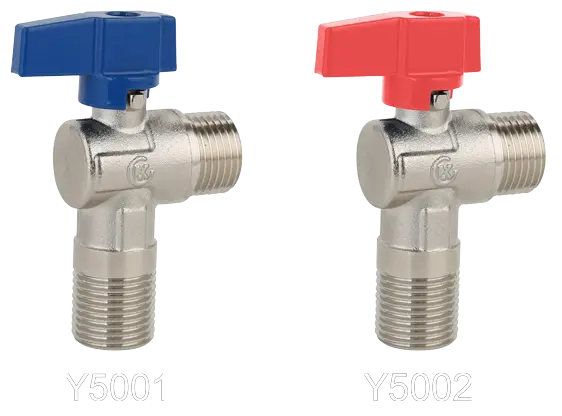
Spherical spool design engineered to manage incoming cold water feed and outgoing hot water supply loops.
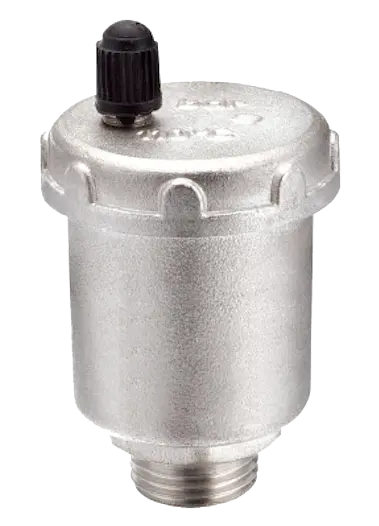
Automatic degassing mechanism to purge trapped micro-bubbles from heat pumps and boilers, preventing air binding.
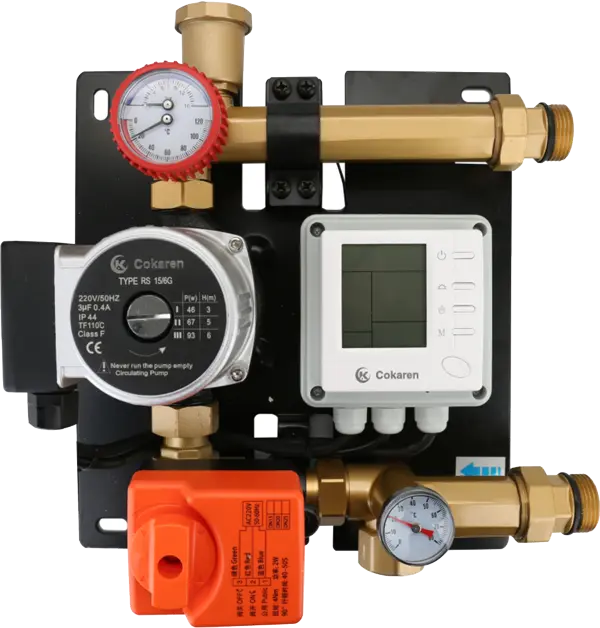
Maintains steady secondary temperatures in underfloor loops by mixing return water, protecting pipes from thermal shock.
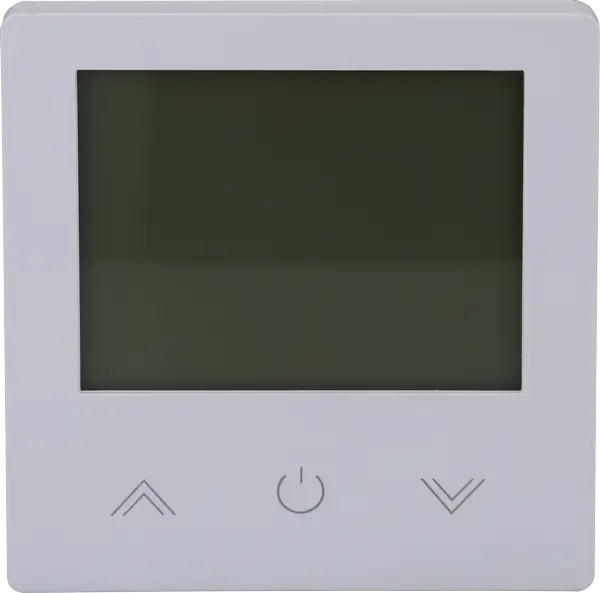
Digital climate control interface linking actuators, manifolds, and boilers for multi-zone dynamic scheduling.
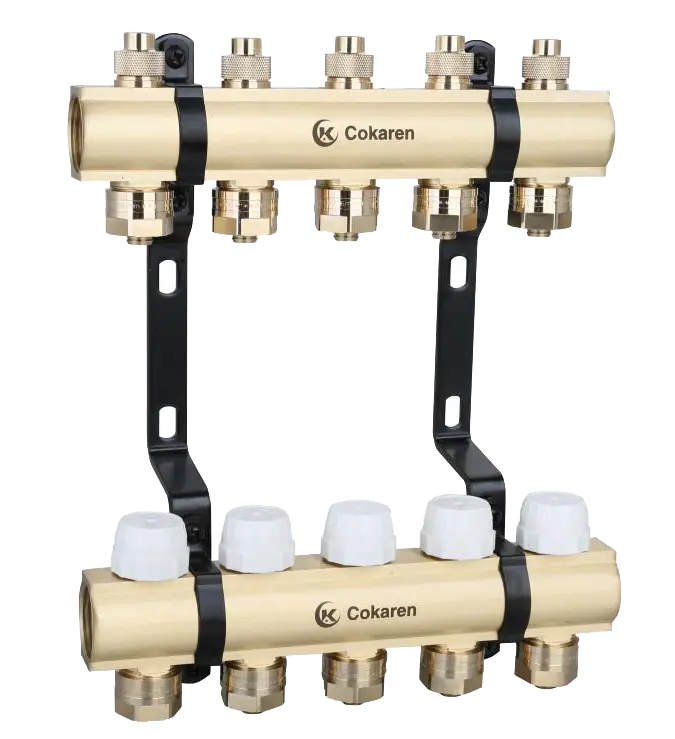
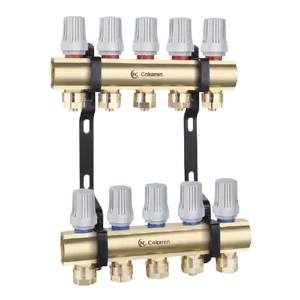
Heavy-walled brass distribution header balancing and routing hydronic flow loops for radiant zone warmth.
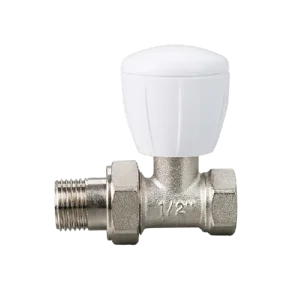
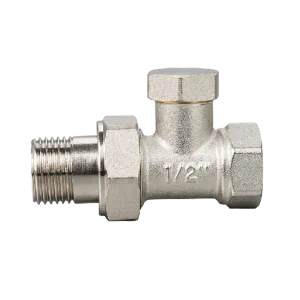
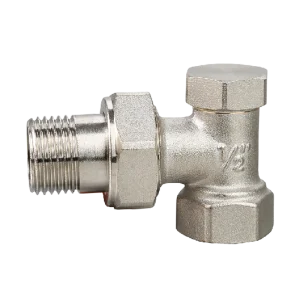
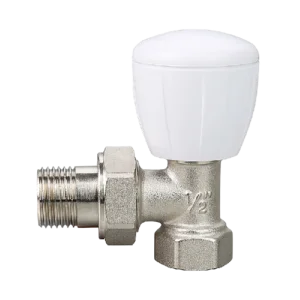
Historical properties across central London face rigorous planning constraints. Mechanical upgrades must utilize existing piping infrastructure without damaging architectural details. Our premium range of lockshield radiator valves and manual thermostatic controllers allows system integrators to control system water flow down to precise liters per hour, ensuring balanced heat distribution across long pipe runs typical of older mansions and commercial conversions.
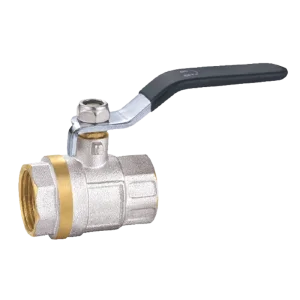
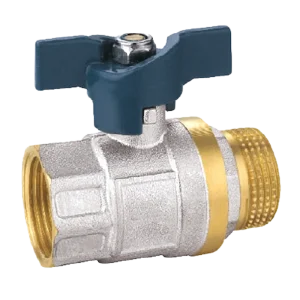
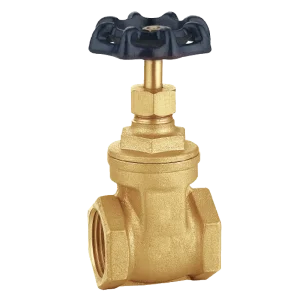
Modern commercial high-rises run on centralized primary energy networks with high static pressures. In these settings, standard-grade valves risk fatigue and failure. Cokaren’s heavy-forged brass gate valves and full-bore ball valves are rated up to PN25 pressure margins. Using NBR and PTFE high-temperature packing gland seals, they deliver reliable isolation on commercial risers and HVAC distribution loops.
Underfloor heating has become the standard for new luxury developments across Greater London, driven by the need to maximize usable floor area and comply with UK Building Regulations Part L (Conservation of Fuel and Power). Our Y1001 manifold series, combined with mixing shunts and smart thermostats, offers developers a complete, warrantied zoning framework. This system balances temperatures across multiple zones, preventing heat fluctuations and reducing pump energy consumption.
As the industry moves toward digital construction workflows (BIM) and smart cities, fluid control components are evolving from passive mechanical units into active points of data collection. Yongda's R&D team is currently prototyping IoT-integrated thermostatic valves and motorized balancing dampers. These smart valves will allow facility managers to monitor water temperature, volumetric flow, and leak alerts in real-time, feeding diagnostic details directly into Building Management Systems (BMS).
Additionally, material science research continues to focus on refining lead-free alloys. By using advanced metallurgy, we aim to maintain the excellent machinability and hot-forging parameters of leaded brass while achieving absolute compliance with future international zero-lead mandates. Investing in advanced hot-forging technology ensures our products remain strong, reliable, and compliant for years to come.
Yes. Our valves intended for sanitary and drinking water systems are manufactured using materials compliant with British and European standards. We provide specific material certification sheets (such as DZR CW602N brass) verifying compliance with dezincification resistance testing to meet UK Water Supply Regulations.
For standard production runs, our typical lead time is 30 to 45 days from order confirmation and deposit receipt. Shipping from Ningbo/Shanghai port to London Gateway or Felixstowe takes approximately 30 to 35 days, depending on sea freight routes.
Absolutely. We operate our own mold design shop and tooling centers. We can produce custom manifolds, mixing assemblies, and custom-threaded valves based on customer CAD files, technical drawings, or physical samples.
Every single valve undergoes pressure testing before packaging. We use high-precision automated pneumatic air-decay testing systems to check for leakage, ensuring all components meet our "no leakage" policy under maximum operating pressure.
We supply standard parallel threads (BSPP / ISO 228) and tapered threads (BSPT) commonly used in UK plumbing. For North American export lines, we supply standard NPT threads.
Yes, our manifolds, mixing shunts, and thermostatic balancing valves are designed for continuous operating temperatures up to 90°C and pressures up to PN10/PN16, making them ideal for modern hydronic heating systems.
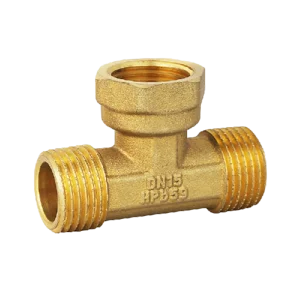
High-durability radiator fittings, precision ball valves, gate valves, and manifold systems.