 Yongda
Yongda
Yongda
Engineered to meet the dynamic demands of commercial HVAC and modern water management networks.
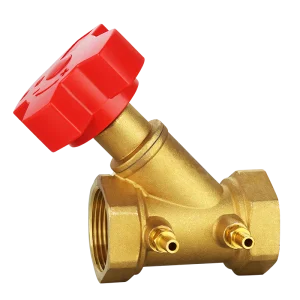
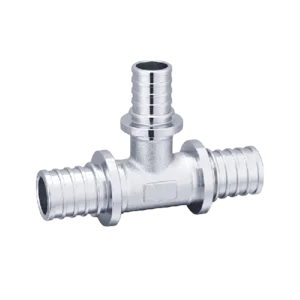
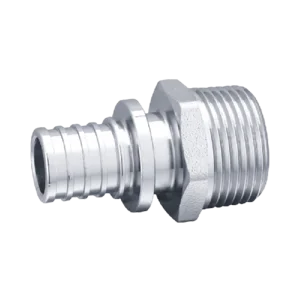
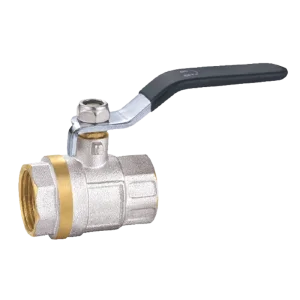
The San Francisco Bay Area—spanning downtown high-rises, multi-tenant corporate offices in the Financial District, and the expansive biotechnology clusters in South San Francisco—demands high-performing and highly efficient hydronic systems. In regions where commercial property values are among the highest globally, operational efficiency, sustainable structural design, and absolute system reliability are non-negotiable.
Hydronic balancing is at the center of modern environmental engineering in these structures. HVAC systems in San Francisco's multi-story structures consume up to 40% of the total energy footprint of a building. Achieving balanced thermal distribution requires high-precision balancing valves that regulate hot and chilled water flow. This ensures that every terminal unit receives the design flow rate, preventing under-cooling in peripheral zones or over-cooling in areas closer to central pumping loops. Our balancing valves are built to operate with low pressure drop while providing high authority control, ensuring local engineering requirements for energy-efficient commercial buildings are fully met.
California is a global front-runner in aggressive energy efficiency and carbon-reduction regulations. The Building Energy Efficiency Standards (known as Title 24, Joint Appendix JA) dictate stringent parameters for pump power limits, system designs, and dynamic cooling and heating controls. Additionally, modern commercial developments in the Bay Area target LEED Gold or Platinum certifications, placing a heavy premium on HVAC optimization.
Historically, manual balancing valves were the standard. However, manual valves only balance a system at full load. Under typical partial load conditions, variable-speed pumps adjust speed, causing pressure fluctuations that lead to dynamic imbalance. This is where Pressure Independent Control Valves (PICVs) and dynamic balancing valves become critical. By integrating pressure regulation and flow control into a single valve body, dynamic balance valves:
The international fluid control industry is undergoing a digital transformation. The integration of Internet of Things (IoT) sensors, cloud-based building management platforms (BMS), and advanced actuators has changed the balancing valve from a mechanical adjustment tool into an active smart node within a complex building network.
Smart dynamic balancing valves now feature real-time flow measurement, temperature sensors, and remote diagnostic capabilities. The integration of BACnet or Modbus communication protocols allows facility managers to monitor and dynamically adjust hydronic systems in response to actual building occupancy, weather patterns, and indoor air quality indicators. This data-driven approach allows for predictive maintenance, flagging scaling or blockages before thermal discomfort affects occupants. Furthermore, the global drive for lead-free brass alloys (such as NSF/ANSI 61 and California AB1953 standards) ensures that structural plumbing components are safe, corrosion-resistant, and chemically stable over decades of operation.
For MEP contractors, mechanical engineers, and global industrial distributors, procuring high-quality valves requires balancing unit costs against long-term reliability and supply security. In today's volatile supply chains, relying solely on local warehousing can lead to stockouts and project delays, while unchecked direct imports can lead to quality variations.
To mitigate these risks, leading global buyers utilize a dual-track procurement strategy: combining high-precision manufacturing from specialized industrial regions with local distributor support. This ensures a consistent supply of components that meet strict domestic standards (like ASTM, ASME, and CE certifications) while protecting project timelines from disruptive supply chain shocks. Establishing long-term relationships with manufacturers who possess integrated design, forging, machining, and testing facilities ensures consistent product quality and predictable delivery timelines.
Located in Yuhuan, Zhejiang—known as the "China Valve Capital"—Yuhuan Yongda Fluid Control Co., Ltd. (operating its premium brand, Cokaren) represents the transition of Chinese manufacturing into high-efficiency Industry 4.0 production. Founded in 1996, the company has grown to encompass a factory area exceeding 45,000 square meters, with a total usable workspace of 80,000 square meters.
Yongda's competitive advantage lies in its vertically integrated manufacturing process and strict adherence to global quality and environmental standards, including ISO9001-2015, ISO14001-2015, and ISO45001-2018. The facility houses over 600 sets of advanced production and testing equipment, including more than 80 specialized CNC machine tools. This high degree of automation ensures:
By leveraging Chinese industrial clusters and high-automation manufacturing, Yongda delivers premium brass products that meet the performance needs of the North American and European HVAC markets at competitive costs.
Our dynamic balancing and hydronic solutions are designed for key architectural projects throughout San Francisco and the wider Bay Area:
Yuhuan Yongda Fluid Control Co., Ltd. (formerly Yuhuan Yongda Plumbing Co., Ltd.) was founded in 1996 in Yuhuan, Zhejiang—the premier valve manufacturing hub of China. As a specialized manufacturer of plumbing and HVAC products, our portfolio focuses on environmental protection and material safety for high-end markets across North America and Europe.
Under our new brand, Cokaren, we are dedicated to developing fluid control solutions with refined aesthetics and improved performance. Our brand promise, "Keep flowing, keep warming," highlights our commitment to delivering durable, efficient, and reliable components for commercial and residential hydronic systems globally.
Culture: Struggle, Enterprising, Pragmatic, Innovative
Tenet: Customer first, Quality based
Quality Policy: Fine work, no leakage

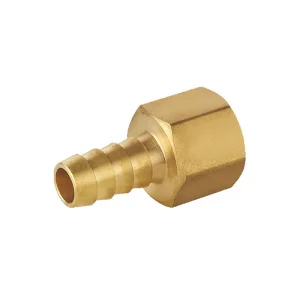
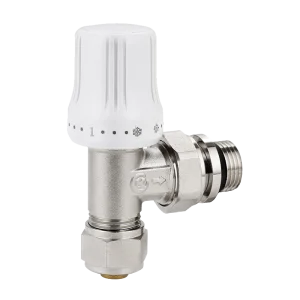
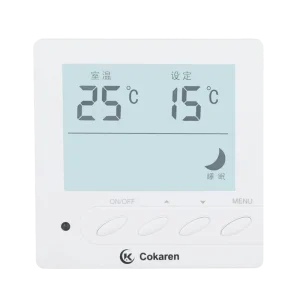
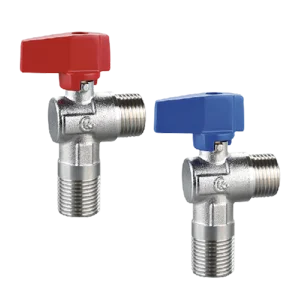
A complete portfolio of water distribution, temperature control, and flow regulating valves certified for global infrastructure deployment.
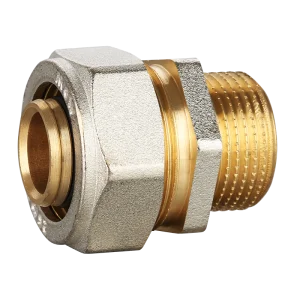
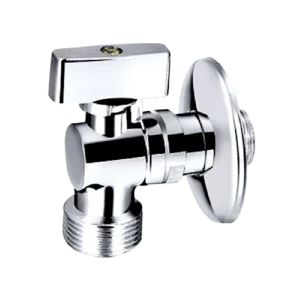
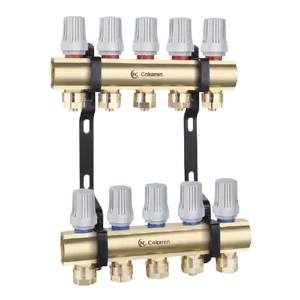
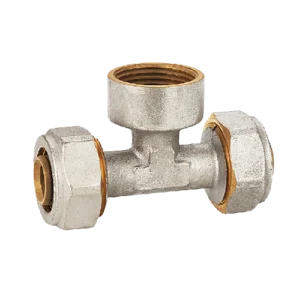
Technical answers to help engineering professionals and procurement teams optimize HVAC design and valve selection.