 Yongda
Seoul's Heating & Hydraulic Valve Landscape: A Technical Overview
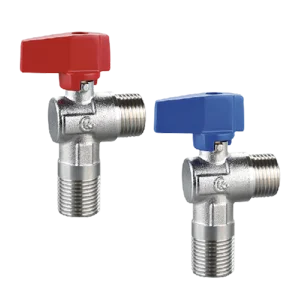
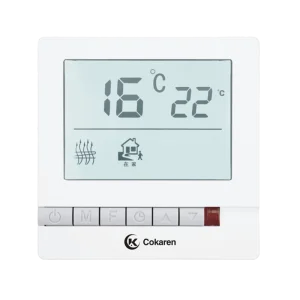
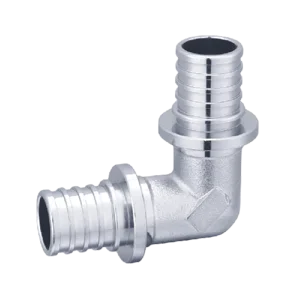
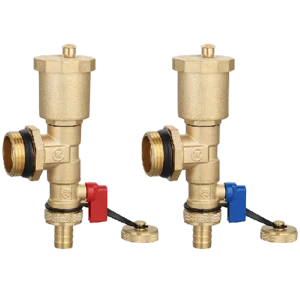
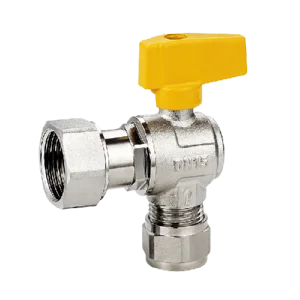
The Seoul Metropolitan Area is a unique global megacity in terms of heating systems. Over 60% of residences rely on localized underfloor radiant heating networks, historically stemming from the traditional Korean Ondol system. In modern architecture, this translates to hydronic heating loops running hot water through cross-linked polyethylene (PEX) or polybutylene (PB) tubing embedded in concrete slabs. Consequently, the performance criteria for boiler angel valves and integrated flow control systems are exceptionally strict.
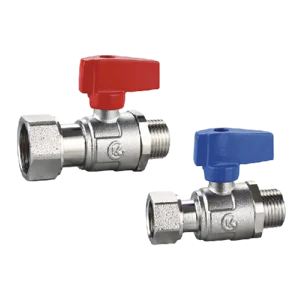
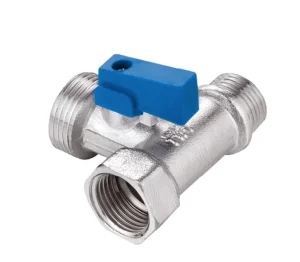
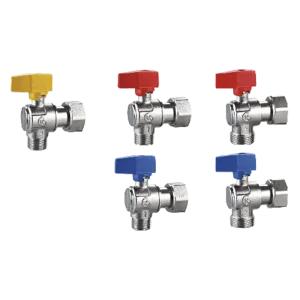
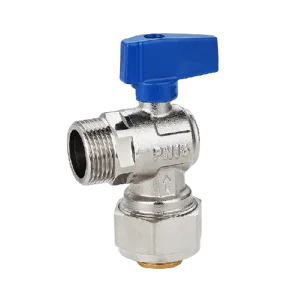
District heating systems (DHS), managed largely by the Korea District Heating Corporation, distribute hot water from thermal power plants directly to residential complexes in Gangnam, Mapo, and Yeouido. The interface between these district loops and residential building networks requires control valves that can withstand sustained pressures up to 1.6 MPa and temperatures ranging from 60°C to 110°C. Angle valves, particularly, serve as critical isolation barriers for maintenance, pressure adjustment, and safety shut-off protocols.
Seoul Energy Efficiency Target: Under the Seoul Green Building Standard, HVAC developers are mandated to implement components that minimize drag coefficients and reduce heat loss. Boiler angle valves with premium spherical spools present up to 18% lower fluid resistance than traditional gate valves, contributing directly to green-building certification points.
Global Valve Trends: Dezincification and Lead-Free Regulations
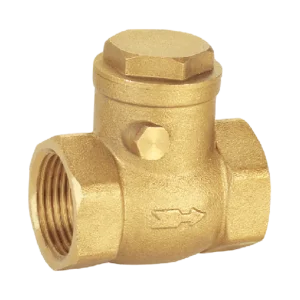
Globally, water quality regulations are steering the valve manufacturing industry toward safer and more durable alloys. The primary challenge in brass valves used in plumbing and heating is dezincification—the selective leaching of zinc from brass alloys in corrosive environments (especially in chlorinated municipal water). Dezincification weakens the alloy structure, leading to stress corrosion cracking and eventual system failures.
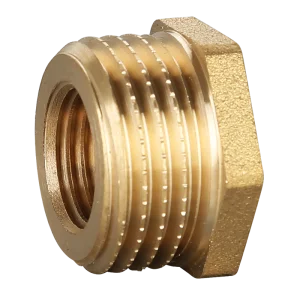
Our global clients in North America, Western Europe, and South Korea are demanding high-performance materials such as DZR (Dezincification Resistant) Brass and Lead-Free Brass (e.g., CW617N, C46500, or CC757S). In Seoul, where water distribution pipes are increasingly modernized, specifying DZR brass is no longer optional for public sector engineering bids; it is the baseline requirement. Our engineering and manufacturing processes ensure all export-ready brass valves undergo stringent chemical analysis to maintain copper percentages within safe, non-leaching limits.
The Competitive Edge of Chinese Factory Production
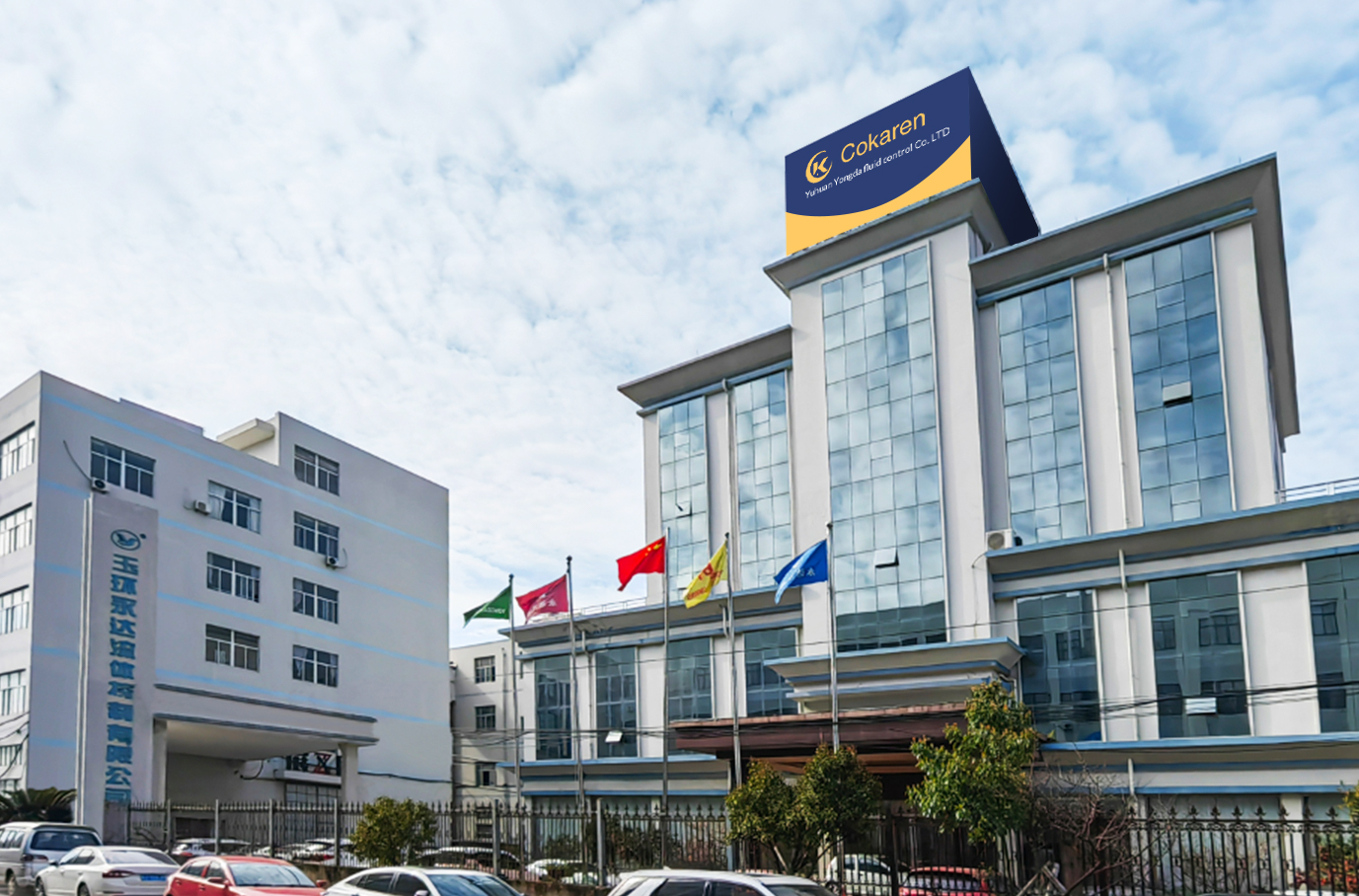
Located in Yuhuan, Zhejiang—the recognized "Capital of Valves in China"—our facility has optimized the manufacturing value chain over a span of 28 years. This concentrated industrial ecosystem allows us to achieve production efficiencies that localized European or domestic Korean factories cannot easily match.
- Rotary Transfer Machinery: By utilizing over 80 sets of high-precision dedicated machine tools (including Italian-style multi-station rotary transfer machines), we execute forging, threading, and finishing in single-clamp cycles. This reduces deviation tolerances to less than 0.02mm.
- Raw Material Control: We smelt and extrude our brass in-house or through audited direct partners, ensuring complete traceability. Spectrometers check every melt batch for copper, zinc, lead, and aluminum composition.
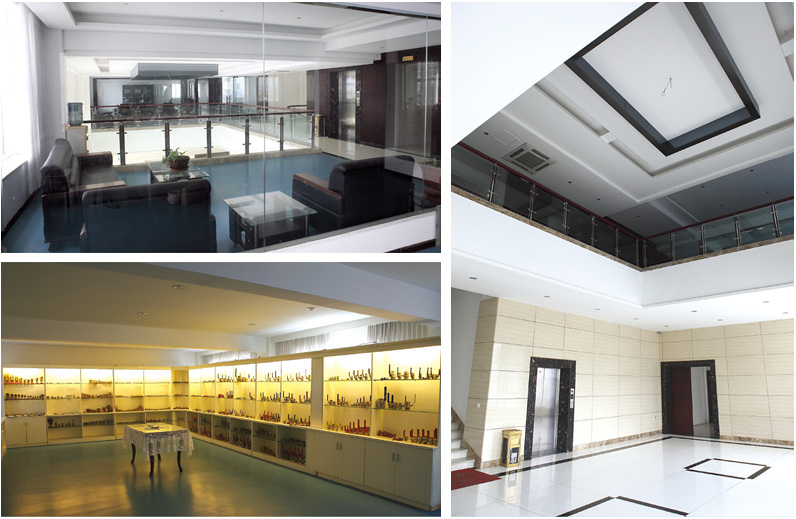
- Scale Advantage: Over 80,000 square meters of actual usable manufacturing space houses automated assembly and pneumatic testing arrays, yielding a production capacity exceeding 50,000 valve units daily. This scale offsets raw material price volatility, offering stable pricing contracts to Seoul's HVAC distributors.