 Yongda
Yongda
Yongda
Premium pre-engineered control elements designed to maintain pressure stability and temperature integrity in commercial and domestic heating infrastructures across Finland.
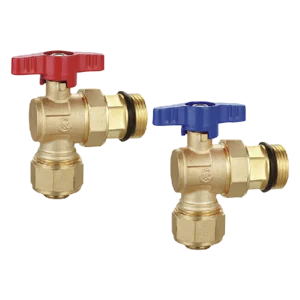
Heavy-duty, brass construction engineered for fast-disconnect union interfaces in isolated heating loop assemblies throughout Helsinki residential systems.
Technical Specs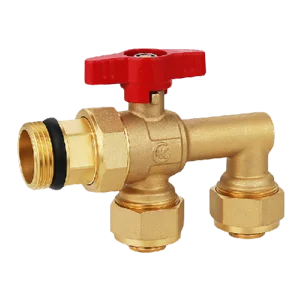
F-shaped angle configuration brass ball valves for OEM applications in radiant underfloor manifold heating blocks, optimized for localized temperature tuning.
Technical Specs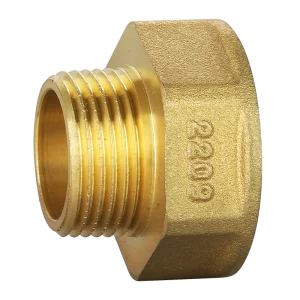
Dezincification resistant (DZR) copper/brass transition thread adapters for seamless piping connections between PEX, multilayer, and copper tubing in Finland.
Technical Specs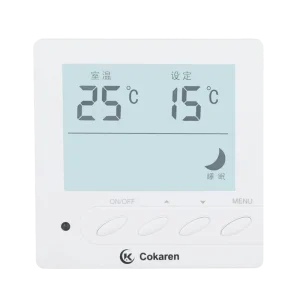
Intelligent LCD display room thermostat with boiler linkage control designed for automated temperature adjustments under extreme sub-zero weather conditions.
Technical SpecsFinland presents one of the most demanding operational environments in the world for HVAC (Heating, Ventilation, and Air Conditioning) hardware. The country’s commitment to achieving carbon neutrality by 2035 drives a massive transition in thermal energy systems. Over 50% of the Finnish heating sector is dominated by highly sophisticated District Heating (Kaukolämpö) networks, while the residential sector is shifting rapidly toward ground-source heat pumps (Maalämpö) and localized hydronic underfloor heating loops.
These complex, closed-loop systems operate under high-pressure dynamics and continuous thermal cycling. Operating temperatures in secondary heating loops fluctuate widely, requiring control valves to maintain precise flow control without experiencing material fatigue or seal failure. Microstructural degradation of plumbing valves, caused by soft and mildly acidic Nordic water characteristics, presents a significant risk of dezincification. To mitigate this risk, Finnish engineering standards mandate the use of anti-dezincification brass alloys (DZR) that comply with strict EN standards.
Furthermore, energy conservation regulations (such as the Finnish Land Use and Building Act) require high thermal performance with minimal pressure drops. Standard components must meet high thermodynamic efficiency metrics to limit parasitic pumping losses. Consequently, the selection of HVAC valves, manifolds, and temperature controllers is a critical decision in both commercial real estate development and municipal energy retrofits.

The Finnish heating infrastructure is advancing toward the 4th Generation District Heating (4GDH) model. This framework focuses on low-temperature networks (operating between 50°C and 65°C) to minimize distribution losses and integrate renewable heat sources like geothermal, solar thermal, and industrial waste heat. In lower temperature regimes, flow control accuracy and thermal stratification within storage vessels are critical. This shift changes the requirements for hydronic components:
| System Parameter | Legacy Specs (3GDH) | 4GDH Future Specifications | Required Valve Innovation |
|---|---|---|---|
| Flow Temperatures | 80°C - 115°C | 50°C - 65°C | High precision Kv control to prevent delta-T degradation. |
| Pressure Tolerances | PN 16 bar rating | PN 10 - PN 16 (Stabilized) | EPDM peroxide-cured seals for extended lifetimes. |
| Water Chemistry | High-additive treated | Soft, low-oxygenated water | Dezincification resistant (DZR) CW602N / CW625N alloys. |
| Flow Characteristics | Linear adjustment | Equal percentage / Digital control | Intelligent actuator linkage and integrated micro-strainers. |
As smart building integration grows, valves are evolving from static mechanical shut-offs to dynamic smart nodes. Integrated actuators with Modbus or BACnet communication protocols monitor flow velocities, temperature deltas, and differential pressures in real-time. This integration enables predictive maintenance routines and ensures optimal performance in variable-primary flow systems, which are increasingly common in Finnish commercial architecture.
For large-scale multi-family apartments, public complexes, and industrial sites in Finland, hydronic balancing is essential for building efficiency. Unbalanced hydronic distribution loops lead to hot and cold zones, excessive pump energy consumption, and high return temperatures that reduce district heating system efficiency. Yongda Fluid Control addresses these issues with engineered macro-level systems:
In hydronic floor heating, standard boiler loop temperatures (typically 60°C to 80°C) must be mixed down to 35°C to 45°C before entering underfloor PEX pipes to protect floor structures and ensure occupant comfort. Our integrated mixing shunts combine DZR brass thermostatic mixing valves, high-head circulation pumps, and differential pressure bypass systems. This setup provides consistent temperature control, prevents thermal shock, and maintains flow stability even during rapid outdoor temperature changes.
In closed-loop heating systems, particulate matter (such as magnetite, welding slag, and mineral scale) can accumulate and cause valve seat erosion, actuator jamming, and heat exchanger clogging. Incorporating dedicated inline filters is a standard engineering practice. Our integrated ball valves with built-in stainless steel strainers simplify installation, reduce leak paths, and allow maintenance teams to isolate the loop and clean the filter mesh in a single step.
Engineered safety assemblies, filtration devices, and manifolds built to comply with EU safety rules and withstand high-pressure spikes in northern European hydronic designs.
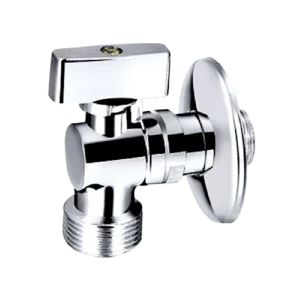
Polished, high-quality 90-degree forged brass valve designed for reliable cold and hot water isolation in tight mechanical closets.
Technical Specs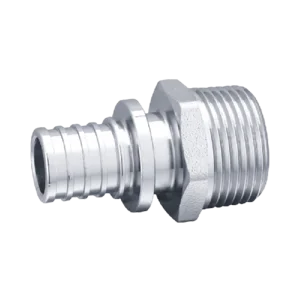
High-precision brass compression nipple adapters designed to connect multi-layer PEX-AL-PEX tubing in residential heating systems.
Technical Specs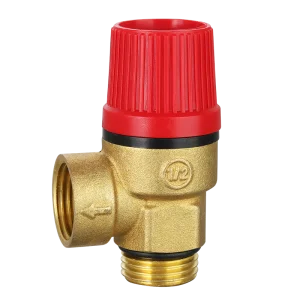
Essential high-safety automatic pressure relief valve designed for domestic hot water boilers, offering overpressure protection.
Technical Specs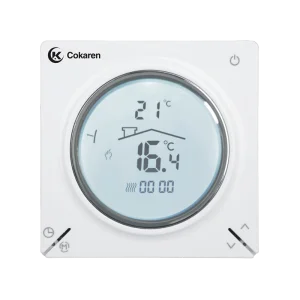
Advanced electronic heating controller with integrated sensor probes to regulate radiant underfloor heating arrays.
Technical Specs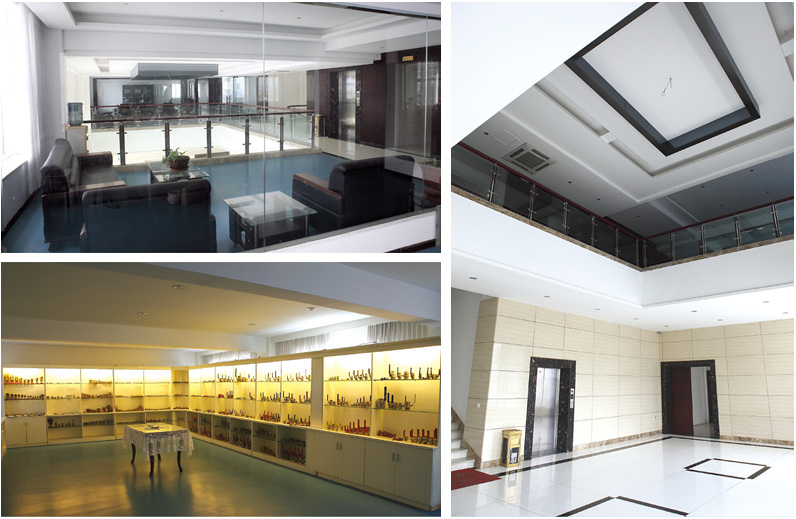
Product compliance in the Nordic region is essential for project acceptance and insurance coverage. Standard components cannot be installed in Finnish buildings without proper documentation. Yongda Fluid Control ensures that our products comply with local regulatory and engineering standards:
All pressure-bearing HVAC components are tested and marked in compliance with the PED, confirming they can withstand maximum operational pressure limits without structural deformation.
We use alloy raw materials like CW602N and CW625N brass. These materials contain precise percentages of inhibitor additives (such as arsenic) and undergo specialized heat treatments to prevent selective zinc leaching in corrosive water.
For applications where clean water may contact heating interfaces, our lead-free or low-lead brass components comply with European drinking water safety regulations, protecting public health.
Operating from Yuhuan, Zhejiang—known as the "China Valve Capital"—Yongda Fluid Control operates a modern 45,000 square meter factory (with 80,000 square meters of usable floor space). We combine regional raw material networks with precision manufacturing processes to support our operations:
Our facility houses over 600 sets of advanced production and testing equipment, including 80+ dedicated multi-axis CNC machine tools. This high level of automation ensures tight dimensional tolerances and uniform wall thickness across every forging run. Automation also helps keep production costs low, allowing us to offer competitive pricing without compromising on quality.
Quality assurance is integrated into every phase of production. Raw brass bars undergo optical emission spectrometry testing to verify alloy compositions before forging. Completed valve bodies are subjected to automated 100% pneumatic/hydraulic leak testing, ensuring they conform to our "fine work, no leakage" quality standard. This manufacturing control is why leading European HVAC brands partner with Yongda for their OEM/ODM needs.
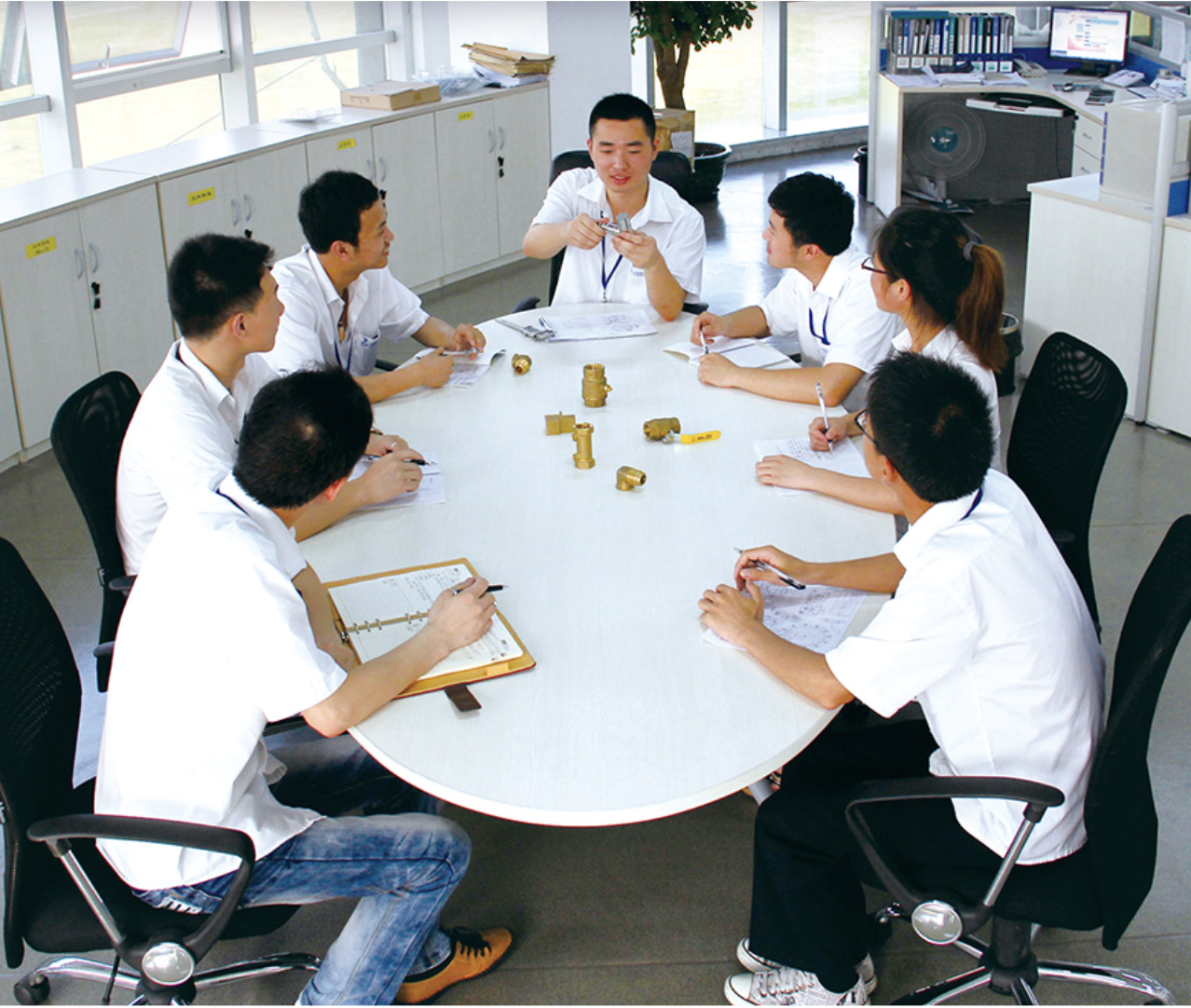
For procurement directors, engineering firms, and municipal distributors in Finland, sourcing HVAC hardware involves balancing unit costs, transport reliability, warranty coverage, and engineering support. Sourcing directly from Yongda helps optimize Total Cost of Ownership (TCO) in several ways:
Communicate directly with our design and engineering team to modify body styles, change thread specifications (BSP, NPT, or metric), and adjust flow values ($K_v$) to meet your exact system requirements.
We coordinate container logistics and provide customs documentation to ensure reliable delivery times, helping your projects stay on track and minimizing assembly delays.
Every delivery includes certified material test reports (MTRs) and mill test certificates. This documentation verifies alloy chemical composition and physical properties for compliance records.
Discover our range of secondary flow control valves, mechanical air separators, manifolds, and automatic safety accessories designed for Finnish hydronic systems.
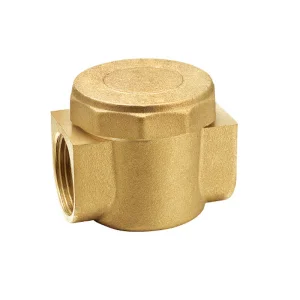
High-capacity Y-strainer system with fine mesh filter element, designed to collect debris in high-flow heating networks.
Technical Specs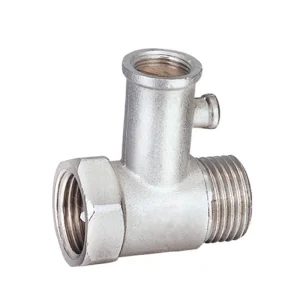
Precision spring-loaded safety pressure relief valves designed to protect district heating substation loops from overpressure events.
Technical Specs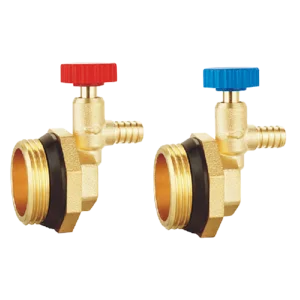
Integrated heavy-duty end plug with a manual air vent, designed to release trapped air pockets and prevent cavitation in underfloor radiant manifolds.
Technical Specs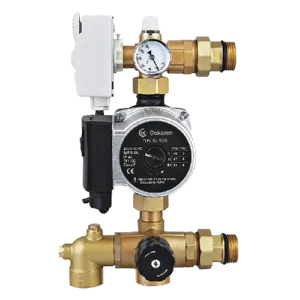
Pre-assembled brass manifold pump mixing valve unit, designed to lower water temperature for radiant floor installations.
Technical Specs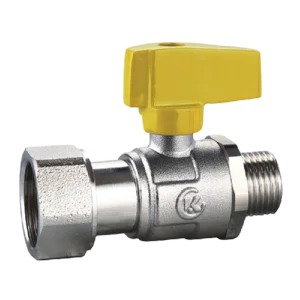
Gas certification-approved brass ball valves with safety handles, designed for secure fuel isolation in commercial gas boilers.
Technical Specs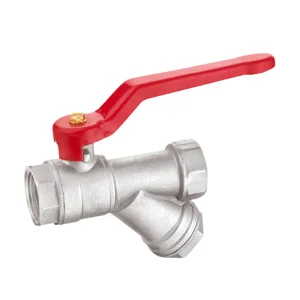
Space-saving combined isolation ball valve with an integrated cleanable stainless-steel fluid filter, designed to protect equipment.
Technical Specs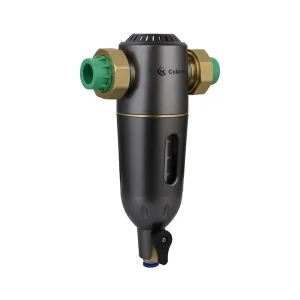
In-line raw water filtration system designed to remove particulate suspended solids before water enters distribution networks.
Technical Specs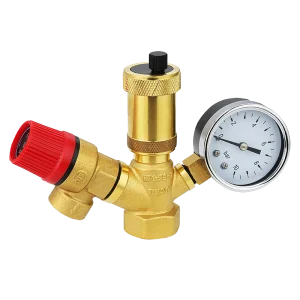
Complete heating safety set containing automatic air vent valves, pressure gauges, and safety relief valves in a single manifold block.
Technical SpecsAnswers to common technical questions regarding the selection, application, and compliance of HVAC valves in the Finnish and wider Nordic heating markets.