 Yongda
Yongda
Yongda
Premium hydronic air separation, terminal system controls, and high-durability brass components optimized for localized commercial and residential HVAC projects across Canada.
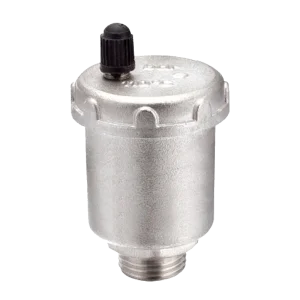
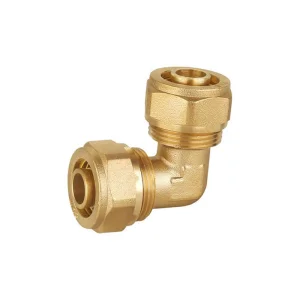
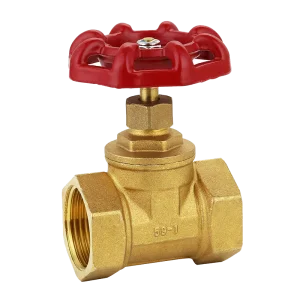
Canada’s HVAC and industrial piping infrastructure operates under some of the most challenging environmental conditions globally. From the bone-chilling winter minimums of -40°C in Alberta and Saskatchewan to the humid coastal zones of British Columbia, thermal fluid systems demand strict air mitigation protocols. Air entrained in heating circuits directly degrades system thermal capacity, initiates localized corrosion, and triggers destructive water hammer events.
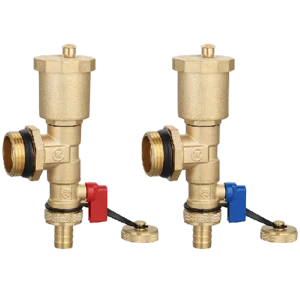
In closed-loop hydronic networks, venting valves are the primary safeguard. By continuously discharging micro-bubbles and pocketed air at high points, they prevent air locks in heat exchangers and distribution lines. In municipal district heating schemes (such as those in Montreal, Vancouver, and Toronto), precise automatic air elimination is key to maintaining high energy performance indexes and avoiding cavitation in heavy-duty circulator pumps.
Furthermore, Canadian building safety codes like the CSA B214 Installation Code for Hydronic Heating Systems mandate robust mechanical air venting of all systems. Compliance requires pressure valves and piping components to be rated for high temperature cycles, showing zero structural leakage even under extreme freeze-thaw operations.

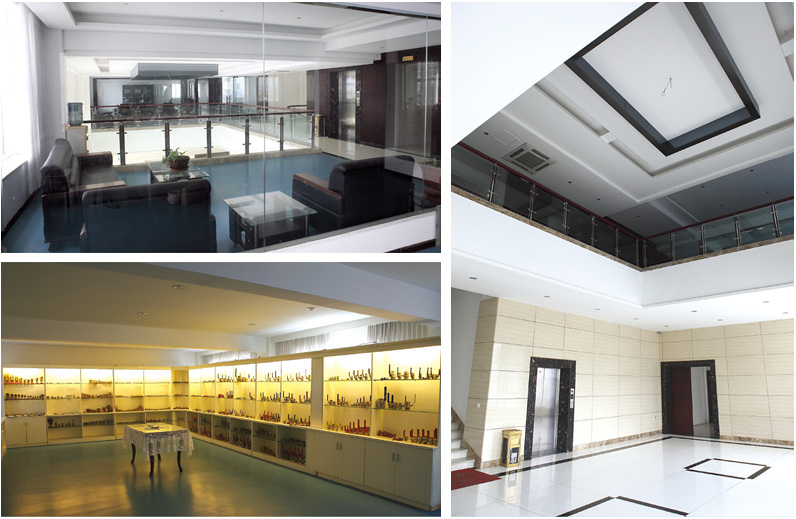
Our state-of-the-art facility integrates advanced metallurgy, robotic CNC processes, and strict quality control protocols.
A key aspect of importing and integrating brass fittings and venting devices in Canada is compliance with regional plumbing and building product directives. Plumbing components installed in systems carrying potable water must comply with lead-free mandates, such as the NSF/ANSI 372 standard, which limits lead content to a weighted average of ≤0.25% across wetted surfaces.
Yuhuan Yongda Fluid Control Co., Ltd. addresses these regulatory requirements with advanced brass formulations, including lead-free and Dezincification Resistant (DZR) brass alloys. DZR brass is highly effective in resisting selective zinc leaching when exposed to aggressive, acidic, or chloride-heavy water supplies, which are common in coastal Canadian municipalities.
Prevents structural failure and pinhole leaks caused by aggressive water chemistry in closed and open loop piping systems.
Constructed with premium polymers that resist mineral deposits, ensuring the exhaust port remains unblocked during long heating seasons.
Our automatic air vents are designed to handle pressure ranges up to PN10/PN16, ensuring stability in multi-story buildings.
To ensure compliance in Canadian installations, pressure vessel fittings must satisfy regional registration rules. High-performance air separators and valve systems are engineered to meet ASME Boiler and Pressure Vessel Code standards, simplifying the Canadian Registration Number (CRN) application process across different provinces.
Founded in 1996 in Yuhuan, Zhejiang—known as the "China Valve Capital"—Yuhuan Yongda Fluid Control Co., Ltd. has grown over nearly three decades into a leading manufacturer of high-grade brass valves, custom HVAC products, and fittings. Spanning a modern factory area of over 45,000 square meters (with a total usable floor area of 80,000 square meters), our operation hosts more than 600 sets of advanced manufacturing and metrology testing equipment, including 80+ specialized high-tolerance machines.
Under our premium brand, Cokaren, we implement our core tagline, "Keep Flowing, Keep Warming." We deliver refined, leak-free hydronic components designed for reliability and energy efficiency. We export to over 20 countries, with North America and Europe representing our primary markets.
A comprehensive approach to modern hydronic and radiant network design, integrating filtration, mixing shunts, venting, and balancing manifold assemblies.
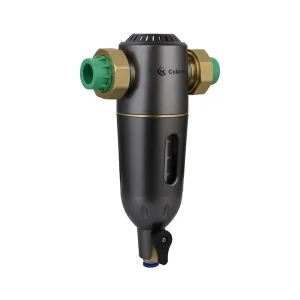
Using products like the Y9021 Water Filter to protect upstream heat exchangers and downstream control valves by catching 98% of circulating debris and suspended line scale.
Integrating the Y5020 Mixing Shunt and Boiler Angel Valves to balance supply and return loops. This setup protects radiant tubing against thermal shock and regulates temperatures efficiently.
Using the Y9070 Venting Valve at air source heat pumps and high-elevation manifold ports to purge air, preventing pump cavitation and flow noise.
Our commitment to product safety is backed by international management standards: ISO 9001:2015 (Quality Management), ISO 14001:2015 (Environmental Management), and ISO 45001:2018 (Occupational Health and Safety Management).
Every venting valve batch undergoes 100% helium pressure testing, ensuring high reliability under variable pressures. Our manufacturing strategy combines these quality control steps with advanced testing equipment to deliver consistent, dependable products.
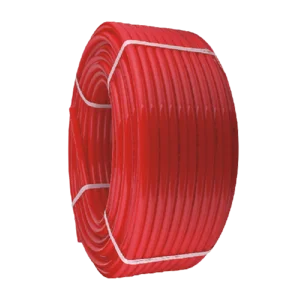
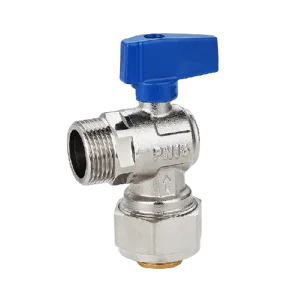
Explore our range of heavy-gauge brass connectors, strainers, and control valves engineered for industrial HVAC and domestic water networks.
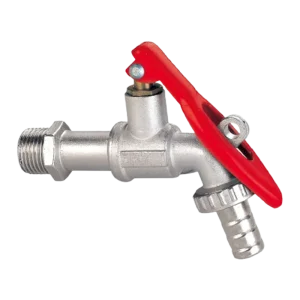
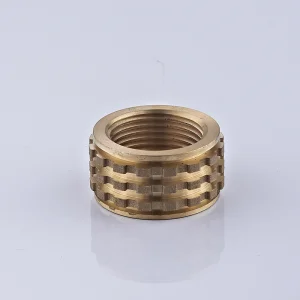
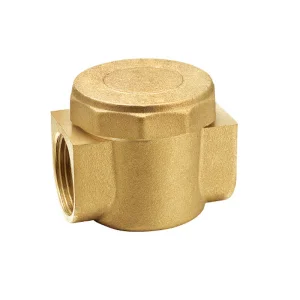
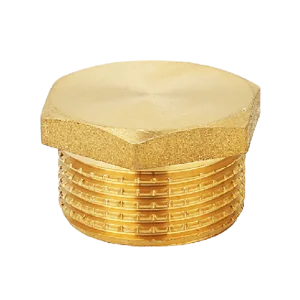
An exploration of engineering solutions for modern piping networks, with a focus on cold-climate challenges, material integrity, and smart automation.
In regions experiencing extreme winter temperatures, heating loops work under high loads and rapid cycling. Solubility laws show that water releases dissolved gases as its temperature increases. In the heat exchanger or boiler, these gases separate and form micro-bubbles. Without continuous, automatic air separation, this air collects in horizontal pipe runs and terminal radiators, creating noise, reducing heat transfer, and causing air locks that stall flow.
Yongda's automatic air venting designs solve this issue through a specialized internal configuration. When air enters the valve body, the water level falls, triggering a float to open the exhaust orifice. To prevent leaks, our valves feature high-performance silicone or EPDM elastomers that maintain flexibility and form an effective seal across a broad temperature range (-20°C to 120°C).
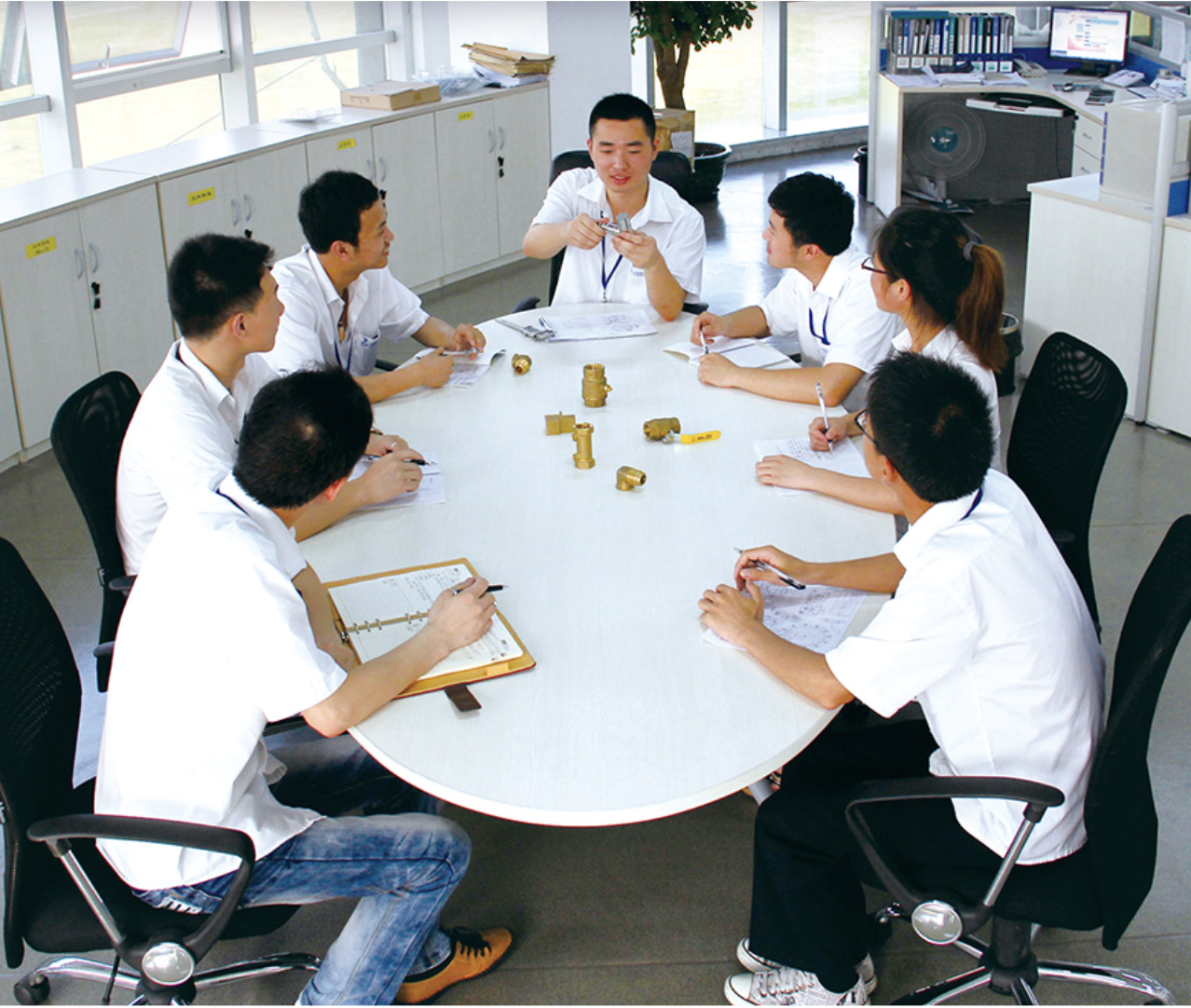
For Canadian commercial buyers, distributors, and HVAC OEMs, purchasing fluid control components requires a stable, capable supply chain. Yongda supports large-scale global procurement with a vertically integrated production line—from hot forging and precision CNC machining to electroplating, automated assembly, and pressure testing.
We work closely with clients to offer custom OEM and ODM options. Whether adjusting connection threads (NPT for North American installations, G/BSPP for European equipment) or designing custom configurations for hydronic manifolds, our engineering team utilizes advanced CAD/CAM modeling to develop prototypes and deliver production-ready solutions.
As the building industry moves toward net-zero targets and smart control systems, hydronic components are evolving. The next generation of air elimination and flow regulation devices will integrate IoT-based thermal monitoring. Flow control systems will communicate directly with central building automation controllers, allowing diagnostic data to indicate when a filter is clogged or when a venting circuit has accumulated air.
At Yongda, our brand promise—"Keep Flowing, Keep Warming"—drives our development of smart thermostatic controls, balancing valves, and energy distribution systems. By focusing on smart technologies, we help engineers design heating systems that optimize energy use, reduce emissions, and lower maintenance requirements.
Technical insights on specifying, installing, and maintaining venting valves and brass fittings in Canada.
Canadian winters require continuous operation of hydronic and district heating systems. Cold makeup water contains high levels of dissolved gases. When heated, these gases separate and form micro-bubbles. Automatic venting valves continuously vent this air, preventing air locks, reducing noise, and protecting circulator pumps from dry-running and cavitation damage.
Potable water systems in Canada require components certified to lead-free standards like NSF/ANSI 61 and NSF/ANSI 372. Hydronic heating systems must comply with local installation codes, such as CSA B214. For high-pressure industrial piping, valves and fittings may need a Canadian Registration Number (CRN) issued by provincial safety regulators like TSSA or Technical Safety BC.
Dezincification-Resistant (DZR) brass is formulated to resist zinc leaching when exposed to aggressive or soft water. Standard brass can suffer from zinc loss over time, leaving a porous, weak copper structure prone to leaks and pressure failure. DZR brass ensures long-term structural integrity in demanding district heating and domestic water lines.
Every valve batch undergoes rigorous pressure testing, including hydro-pressure and helium leak checks. This testing verifies that the body and seat seal effectively at maximum pressure ratings (typically PN10 or PN16). These strict QC protocols help prevent field failures in critical heating installations.
Partner with a trusted manufacturer for your Canadian hydronic projects. Get custom configurations, CAD files, and competitive pricing for bulk procurement.
Send Inquiry Now