 Yongda
Yongda
Yongda
Engineered for precise fluid dynamics, our industrial and residential brass valves comply with international certifications for safety and ecological performance.
The global thermodynamic regulatory market is experiencing a profound transition driven by the imperative of decarbonization, building electrification, and smart zoning regulations. Temperature control valves (TCVs)—including thermostatic radiator valves (TRVs), motorized mixing shunts, and smart hydronic balancing valves—play a critical role in optimizing district energy efficiency.
As modern infrastructure migrates towards low-temperature heating regimes, such as heat-pump driven underfloor systems, the requirements on fluid path tolerances have increased. Strict compliance dictates that modern brass and composite components prevent dezincification (DZR) while minimizing flow restriction coefficient values (Cv) to prevent auxiliary pump strain.

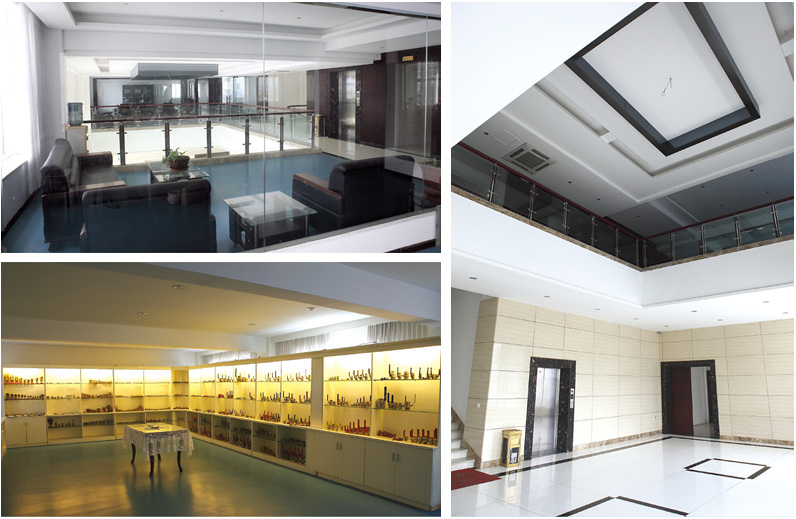
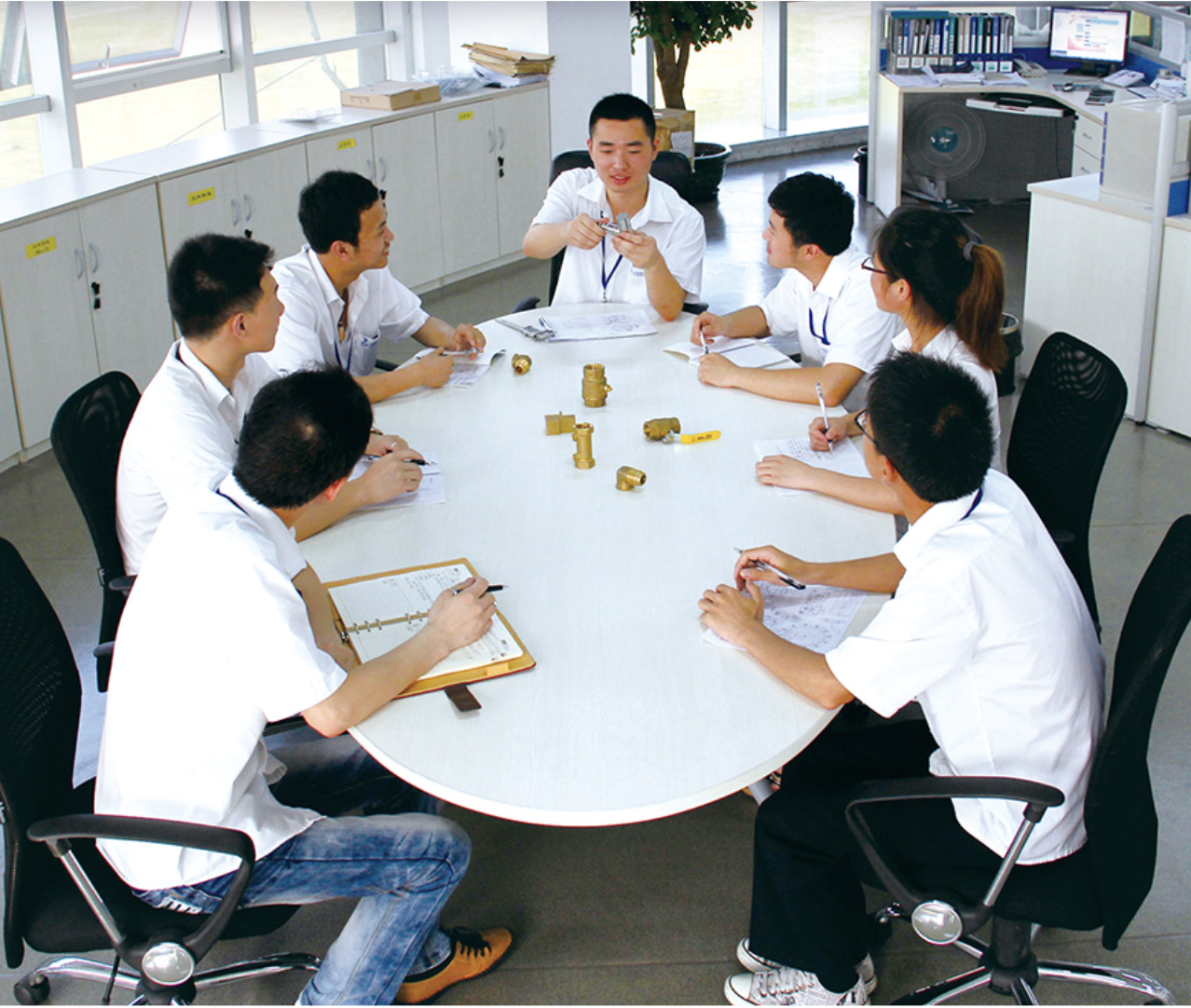
Founded in 1996 in Yuhuan, Zhejiang—widely recognized as the "China Valve Capital"—Yuhuan Yongda Fluid Control Co., Ltd. (formerly Yuhuan Yongda Plumbing Co., Ltd.) has evolved into an integrated manufacturing and design powerhouse. We focus on mid-to-high grade environmental solutions specializing in brass valves, compression fittings, and advanced HVAC distribution systems.
Under our premium brand Cokaren, and guided by our brand promise "keep flowing, keep warming", we develop residential heating components that balance technical stability with refined industrial design.
The shifting regulatory frameworks in the EU and North America require deep adaptation in metallurgy and design mechanics.
In response to EPA Safe Drinking Water standards and European Union directives, our metallurgical lines have transitioned to lead-free (under 0.25% Pb) and DZR (Dezincification Resistant) alloys. These formulations prevent the selective leaching of zinc in aggressive water chemistries, retaining physical structural integrity over decades.
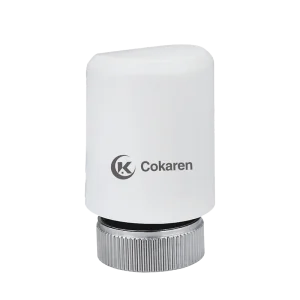
Our self-acting thermostatic heads incorporate highly sensitive paraffin-wax sensors. Engineered to detect micro-variations in ambient air, they adjust the valve plug stroke proportionally. The mechanical hysteresis is kept under 0.4K to prevent room temperature overshooting and minimize primary energy consumption.
Traditional hydronic networks rely on static pressure balancing. Our new integrated balancing valves dynamically regulate differential pressure variations. This prevents overflow to local radiant manifolds under partial system load conditions, preserving high boiler COP/efficiency values.
To sustain an internationally competitive manufacturing baseline, Yuhuan Yongda complies with multiple quality assurance protocols. Our production workflows operate under a strict triad of global management systems:
Our commitment is reflected in our internal cultural tenets: Struggle, Enterprising, Pragmatic, and Innovative, aligning operational output with engineering excellence.

A comprehensive suite of functional dynamic components managing heating transfer, fluid filtration, air separation, and temperature mix loops.

Core blueprint depicting the integration of thermostatic loops with municipal heating boilers, smart mixing manifolds, and return lines.

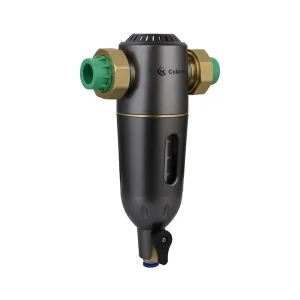
The first line of defense in domestic water sanitation, filtering 98% of macro suspended impurities and scale in the hydronic loop.

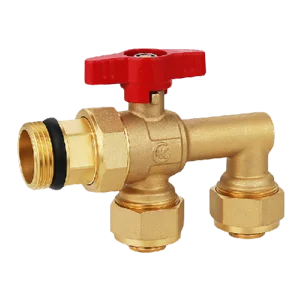
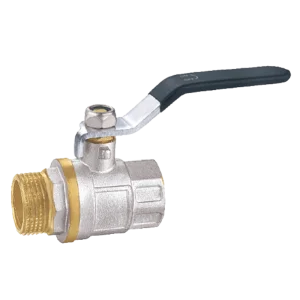
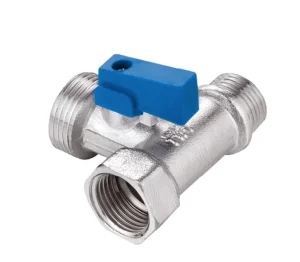
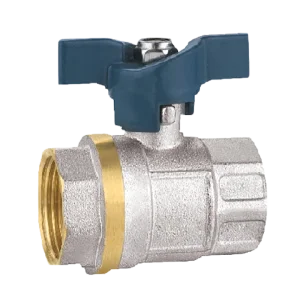
Controls flow rates of hot and cold water inputs with a specialized brass spherical spool, ensuring high pressure endurance.

Automatically discharges entrapped air bubbles inside air-source water heating coils to prevent cavitation and flow blockages.
Engineered to blend high-temperature boiler return lines with cold loop bypasses, preventing thermal shocks in underfloor piping.

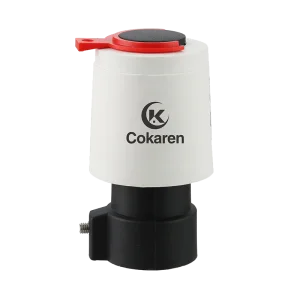
Integrates with zone actuator relays to modulate room climates dynamically via preset PID algorithmic thermal cycles.

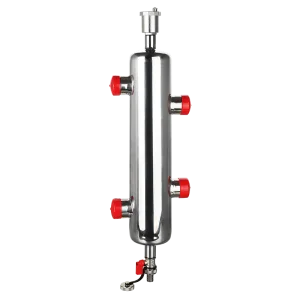
A multi-functional manifold inline filter and balancing valve designed to trace temperature drops and discharge scale build-up.

Distributes primary supply flows systematically across discrete zones, allowing independent balancing control per loop.
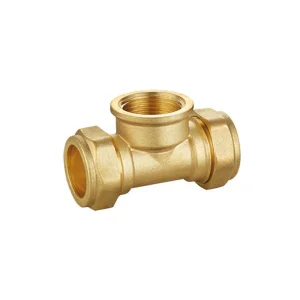
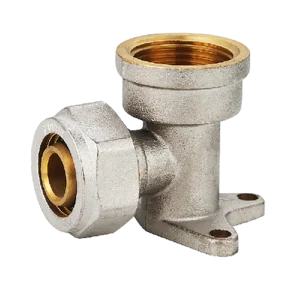
Additional engineering component designs supporting heavy-duty boiler connection nodes and system-wide fluid pathways.
The future of hydronic fluid distribution systems is increasingly electrical, adaptive, and network-integrated.
Traditional thermal wax heads are increasingly coupled with or replaced by ultra-low consumption electric actuators (such as motorized HVAC controllers). These actuators communicate using Modbus or BACnet, reacting directly to predictive climate data and building occupancy schedules.
As the European Union and the EPA enforce stricter limits on heavy metals in contact with water, the development of pure lead-free alloys and clean polymer components is critical. Our R&D efforts are focused on improving the machinability and corrosion resistance of high-grade, copper-zinc binary alloy structures.
To reduce complex field welding and potential plumbing leaks, installers are shifting towards pre-assembled manifold modules. These modules integrate air vents, filters, flow meters, dynamic regulators, and mixing shunts into one pre-tested, factory-certified manifold chassis.
By standardizing these compact module clusters, construction sites dramatically reduce installation error margins, ensuring predictable thermal distribution curves right out of the box.
Explore our diverse high-performance catalog, detailing valve assemblies designed for HVAC systems, utility connections, and plumbing networks.
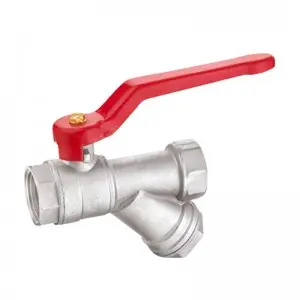
Features integrated inline straining mechanisms to prevent particulate entry into critical valve chambers.
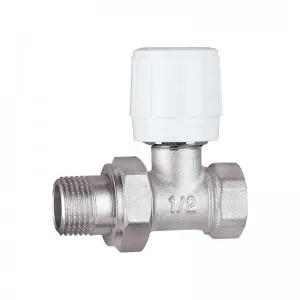
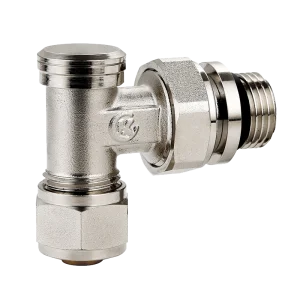
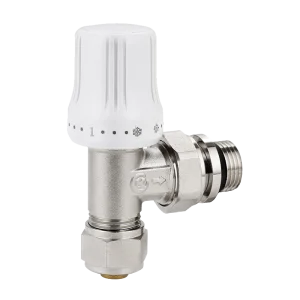
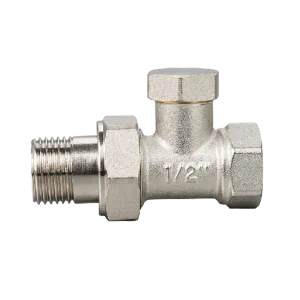
Manual-style brass radiator temperature control valve optimized for fast response to system changes.
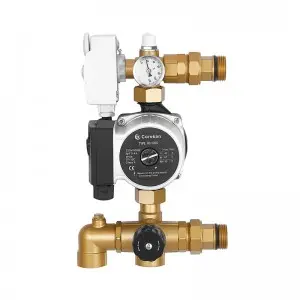
The core thermostat-driven mixing unit stabilizes temperatures for hydronic underfloor heating loops.
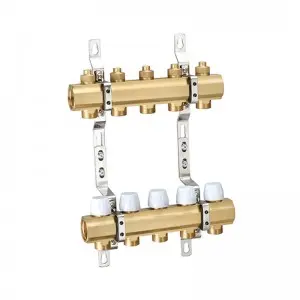
Multi-way distribution manifold assemblies for structured multi-room thermal balancing.
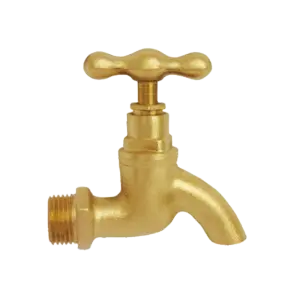
Highly durable exterior brass hose bib taps designed for residential watering systems.
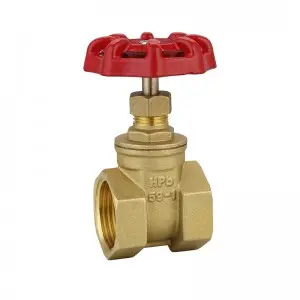
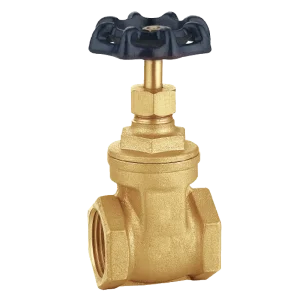
Heavy-duty threaded gate valve designed for water networks, providing minimal pressure drop.
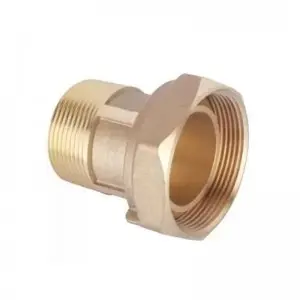
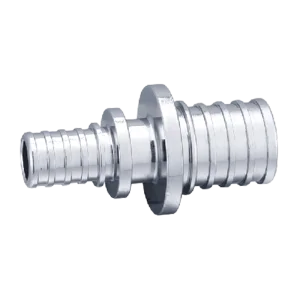
Machined brass connection pipes and unions, ensuring durable, leak-free municipal meter fits.
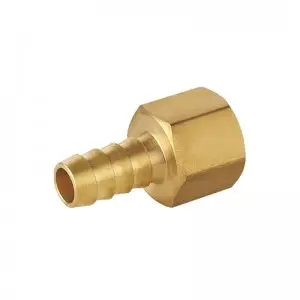
Precision-machined NPT threaded connector systems for commercial and residential garden applications.
Designing system solutions for modern, energy-efficient commercial and residential buildings.
Underfloor heating requires consistent, moderate inlet water temperatures (typically between 35°C and 45°C) to protect flooring materials and deliver stable radiant heat. Our manifold blending modules dynamically mix high-temperature boiler supply water with cool return water. This ensures optimal thermal balance and maximizes heat source efficiency.
District heating systems must manage varying flow rates and differential pressures across multiple connection points. Our range of DPCVs (Differential Pressure Control Valves) and thermostatic radiator valves dynamically compensate for pressure fluctuations. This prevents system noise, minimizes flow bypass, and ensures even heat distribution to all connected buildings.
Suspended particulates, mineral scale, and corrosion debris are common causes of premature valve seal failure. We integrate heavy-duty brass Y-strainers and primary water filters directly into energy distribution nodes. This helps maintain system performance and extends the lifespan of sensitive controls down the line.
Professional insights into the design, operation, and selection of high-performance temperature control valves.
Precision-engineered actuators, manifold components, and heavy-duty gate valves for domestic plumbing and utility applications.