 Yongda
Yongda
Yongda
Engineered for excellence, our signature line of brass valves, fittings, and thermal actuation products sets the benchmark for modern commercial and residential infrastructure.
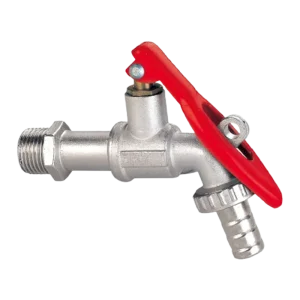
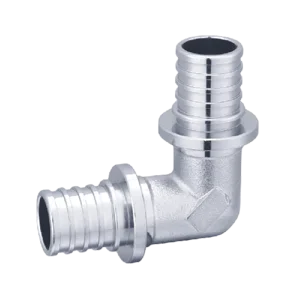
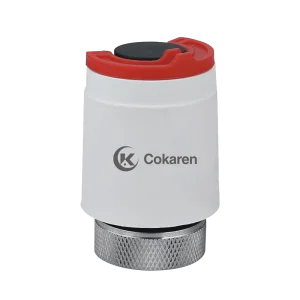
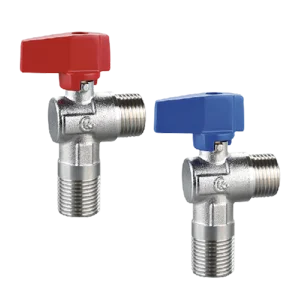
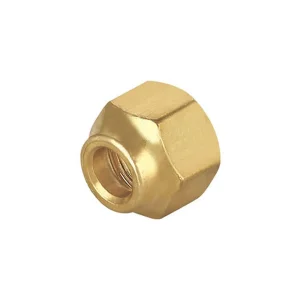
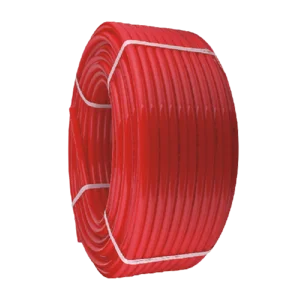
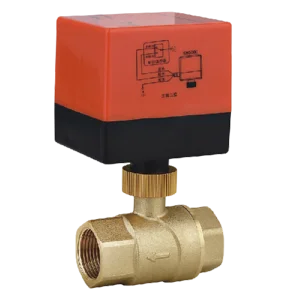
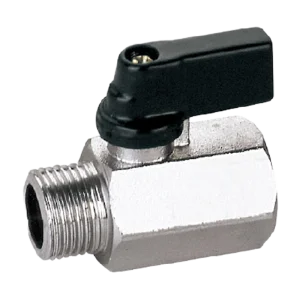
Within modern industrial and civil engineering, fluid control stands as a cornerstone of system safety, energy conservation, and operational longevity. The global ball valve market has shifted from basic pressure containment to advanced, smart flow regulation. As infrastructure standards escalate across North America, Europe, and the Asia-Pacific region, there is an unprecedented demand for corrosion-resistant, lead-free, and high-precision fluid regulation systems.
Ball valves represent one of the most critical elements in hydronic heating, potable water networks, gas distribution, and industrial HVAC setups. Modern engineering demands components capable of withstanding severe cycles and chemical exposure while preventing leakages over decades of service.
"The integration of intelligent distribution mechanisms, combined with strict low-lead metallurgical standards, has redefined B2B sourcing expectations globally. Quality control is no longer optional; it is the fundamental baseline."
Particularly in residential underfloor heating and district heating networks, the need for integrated solutions—combining robust manifolds, smart thermostats, and temperature control valves—has driven manufacturers to evolve from component fabricators into full-spectrum system architects.

Yuhuan, situated in Zhejiang Province, is widely designated as the "Valve Capital of China". It represents the world's most dense cluster of fluid control component production. The geographic centralization of raw material casting, hot-forging, precision CNC machining, surface finishing, and quality testing creates unmatched economic and production efficiencies.
Unlike fragmented manufacturers, Yuhuan-based factories benefit from direct local sourcing of high-grade brass alloys (such as CW617N, H58-3, and DZR), eliminating supply chain friction. The local manufacturing cluster fosters rapid prototyping, dynamic tooling modification, and massive scaling capability, allowing facilities to execute large-scale OEM orders in weeks rather than months.
Moreover, the integration of specialized automated machineries—including customized multi-axis transfer machines—guarantees that tolerances are held within micrometers, dramatically reducing human error and raising productivity limits.
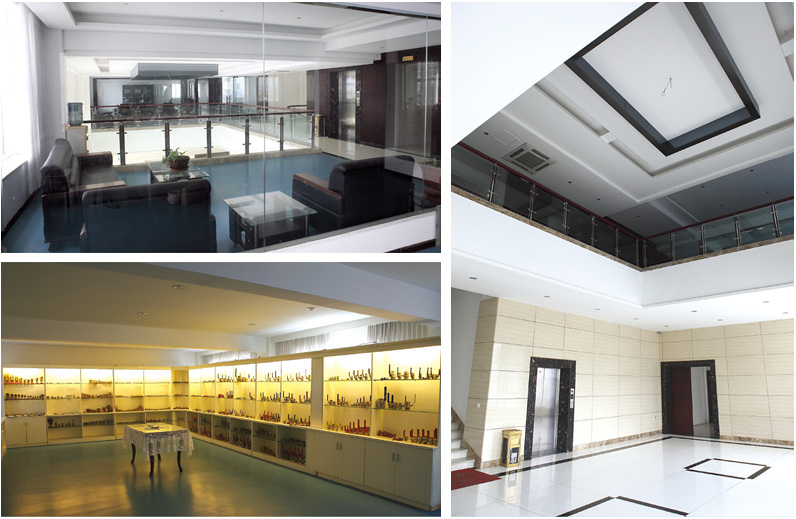
Our manufacturing plant operates as a powerhouse of quality-controlled fluid infrastructure.
Yuhuan Yongda Fluid Control Co., Ltd. (formerly known as Yuhuan Yongda Plumbing Co., Ltd.) was founded in 1996 in Yuhuan, Zhejiang. Over nearly three decades, the company has consolidated its reputation as a leading manufacturer of high-precision brass valves, fittings, and HVAC system components. With a production facility spanning 45,000 square meters (and an actual usable area exceeding 80,000 square meters), our plant is equipped with over 600 sets of advanced processing and testing machines, including 80+ specialized CNC machining tools.
Our market positioning target is high-end domestic and commercial construction networks, emphasizing environmental protection, lead-free metal composition, and extreme longevity. Today, our footprint covers North America, Europe, and over 20 global regions.
To better serve modern design-oriented architecture, we established the brand Cokaren. Rooted in the promise of "keep flowing, keep warming", Cokaren concentrates on delivering highly aesthetic, refined, and exceptionally reliable components for residential water distribution and smart hydronic systems.
Corporate Core Values:
Struggle, Enterprising, Pragmatic, Innovative.
Operational Tenet: Customer First, Quality Based.
Strict Quality Policy: Fine Work, No Leakage.
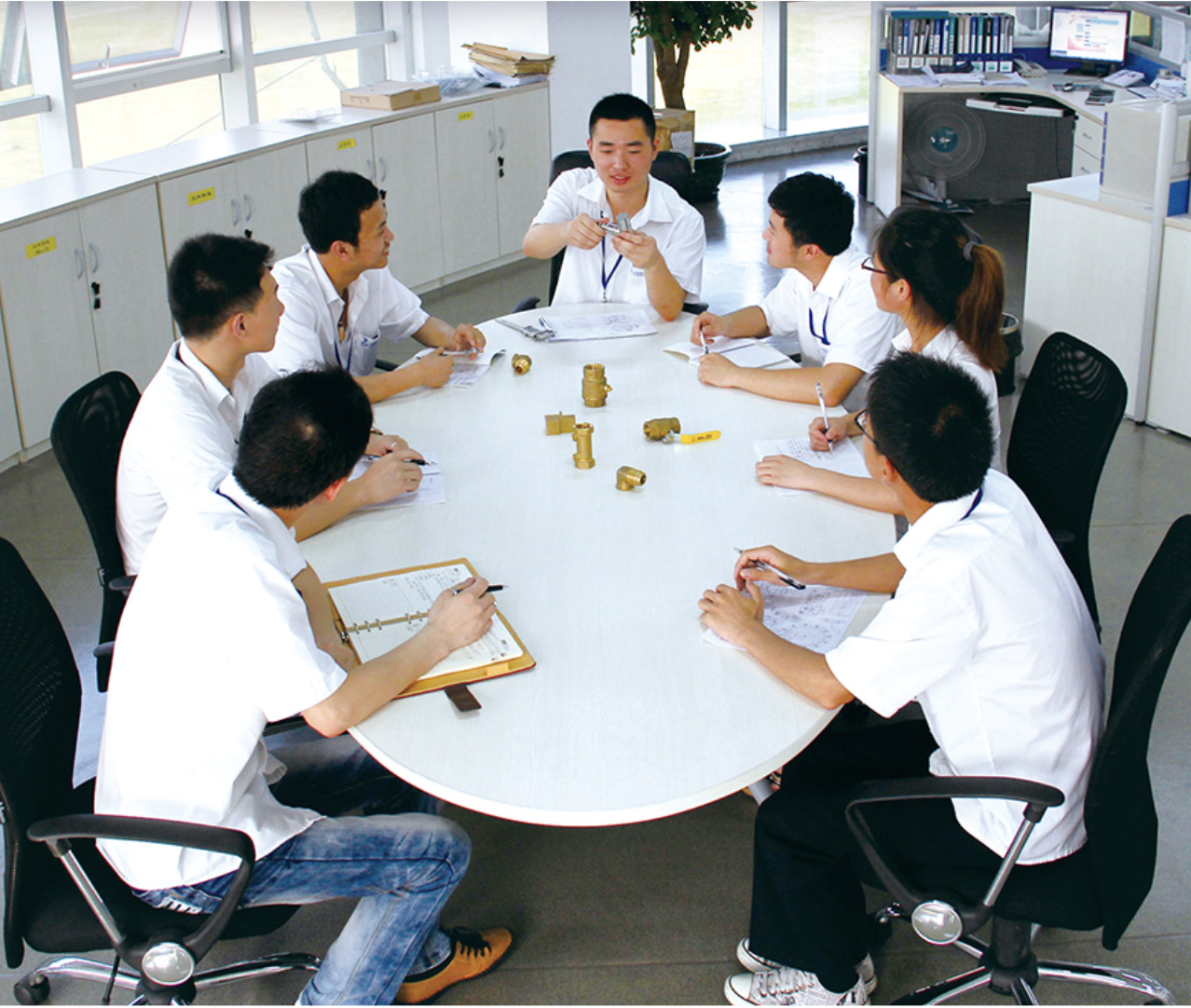

Our systems provide continuous flow, thermal equilibrium, and safe fluid dynamics. Every sub-component is engineered to synchronize with the whole.


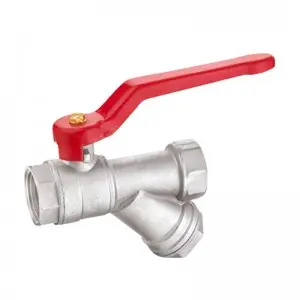
The primary barrier in residential water systems, capturing up to 98% of sediment and physical piping contaminants.
Detailed Technical Parameters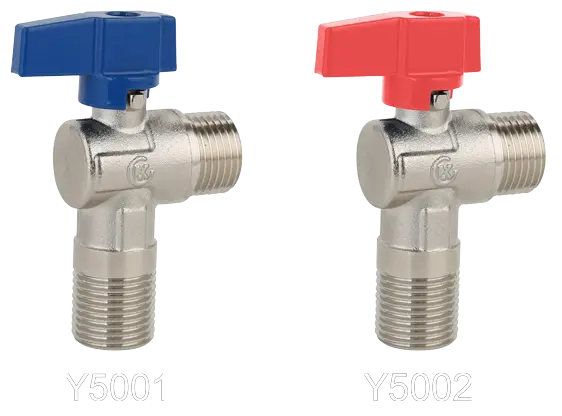
Controls inlet and outlet distribution for cold/hot loops using a precision spherical valve core.
Detailed Technical Parameters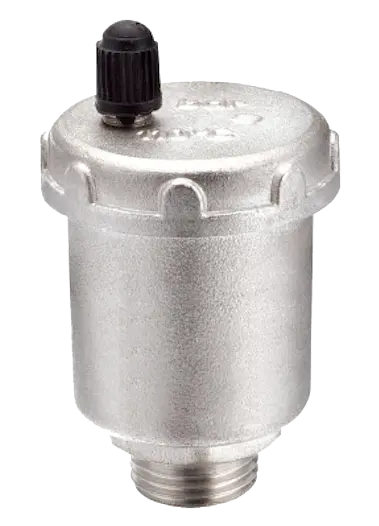
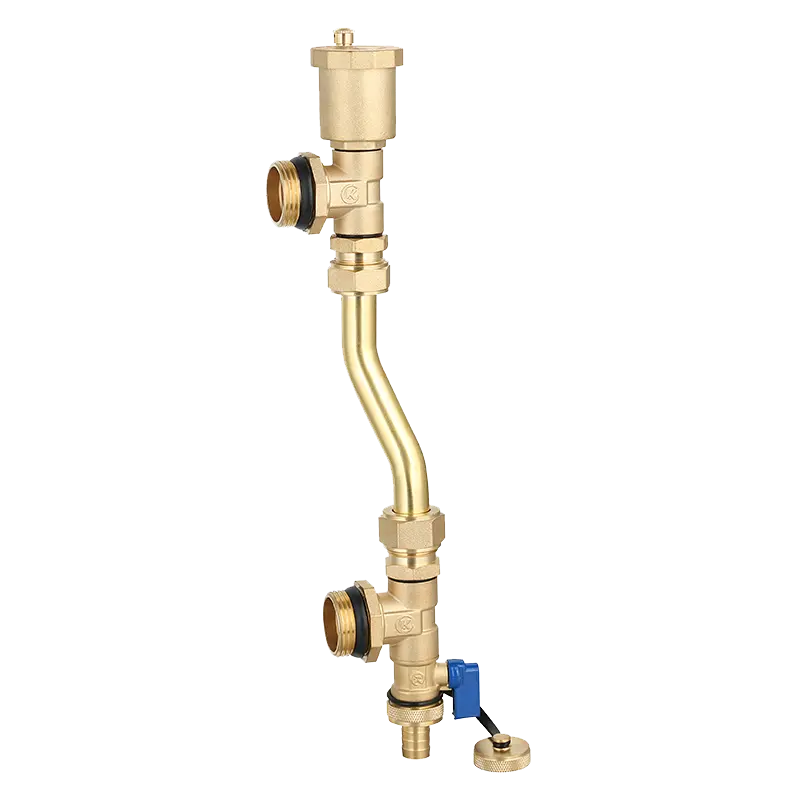
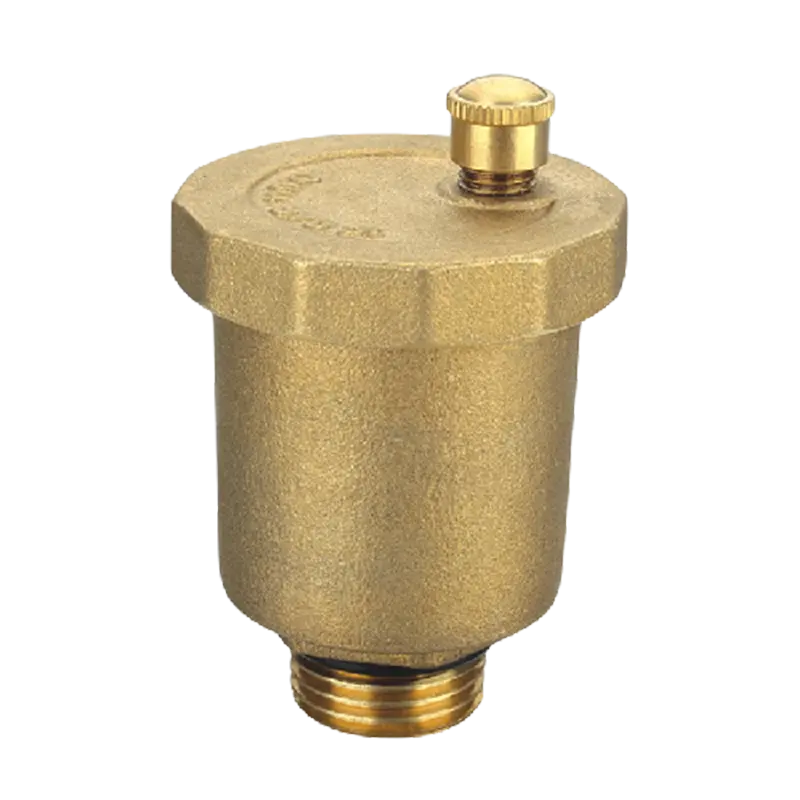
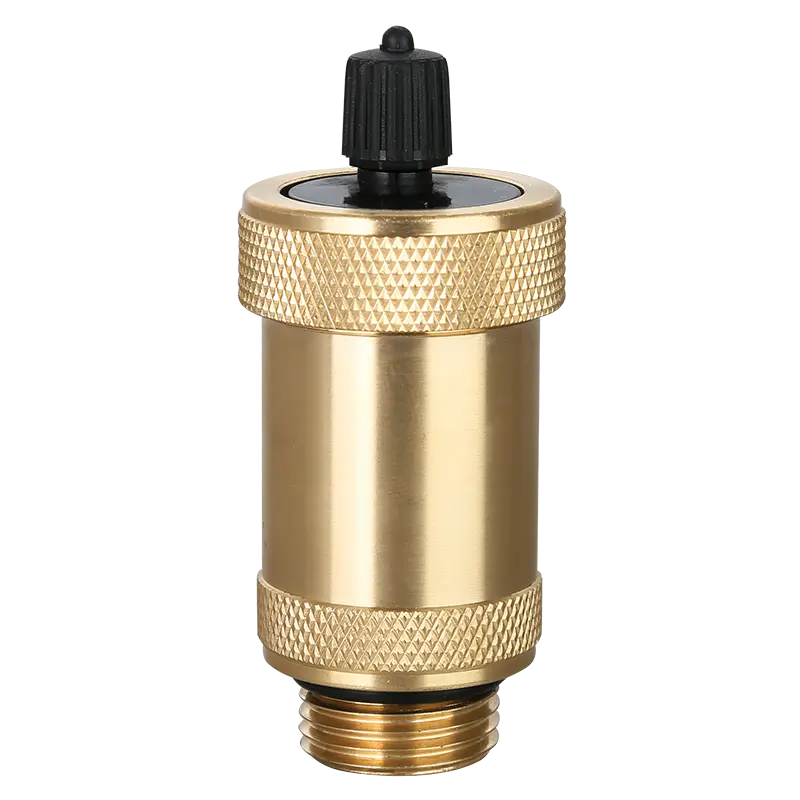
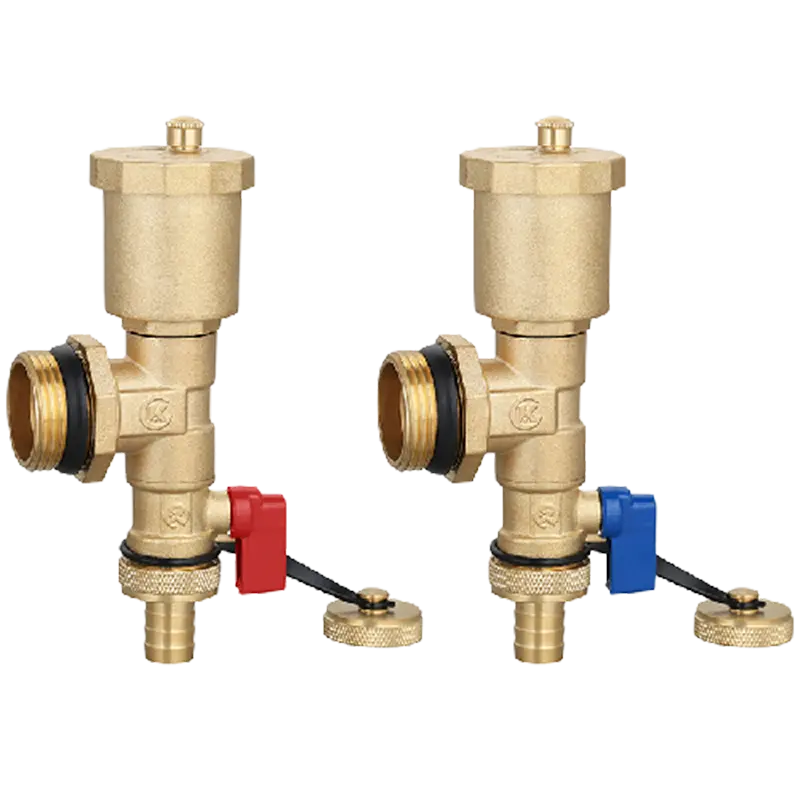
Exhausts pockets of trapped air within solar or heat pump water systems, stabilizing system pressure.
Detailed Technical Parameters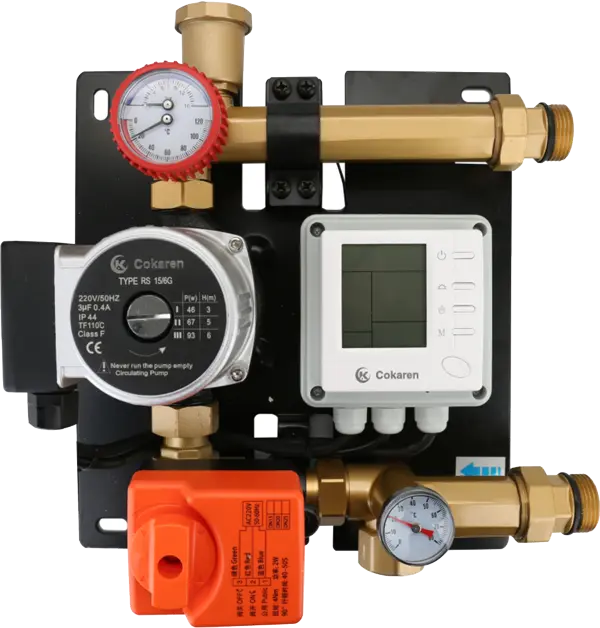
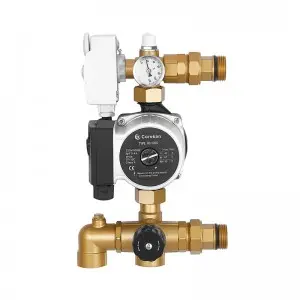
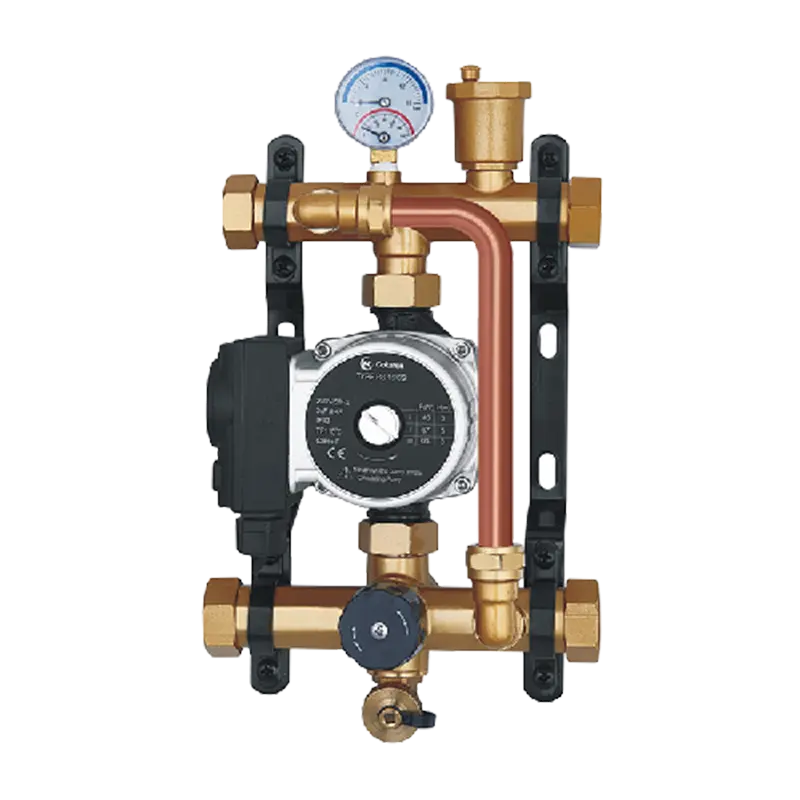
Thermostatically blends warm loop returns to stabilize delivery temperature, protecting heating pipes.
Detailed Technical Parameters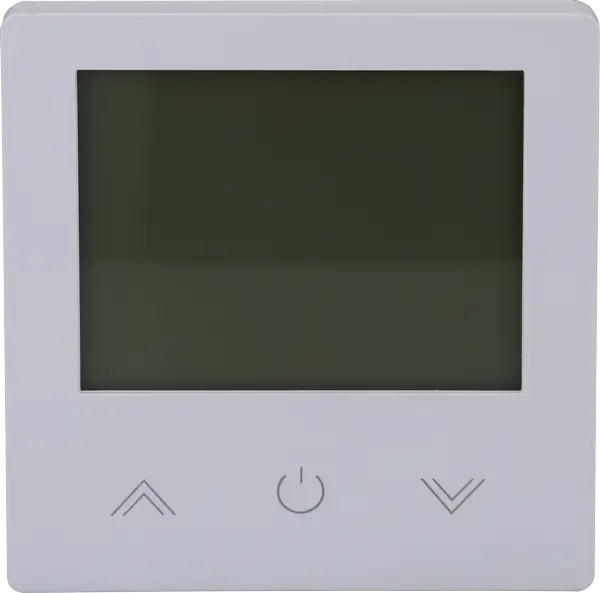
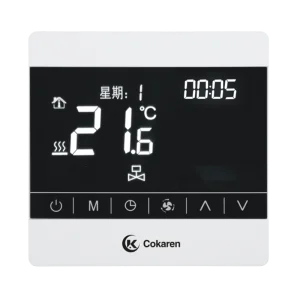
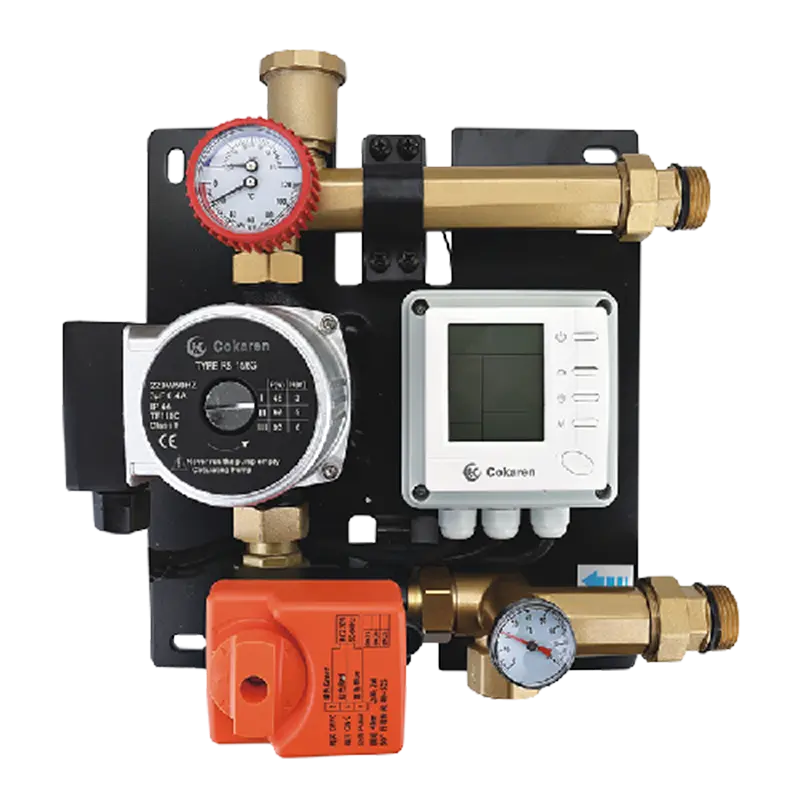
An intelligent system interface that communicates with thermal actuators to maintain zone temperatures.
Detailed Technical Parameters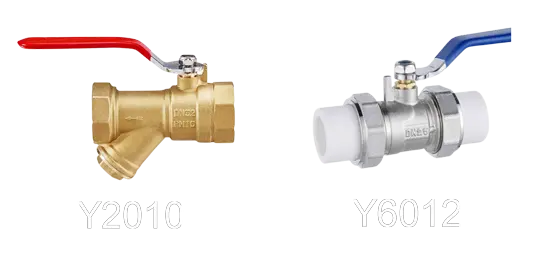
Filters debris and integrates temperature and pressure gauges to simplify zone balancing.
Detailed Technical Parameters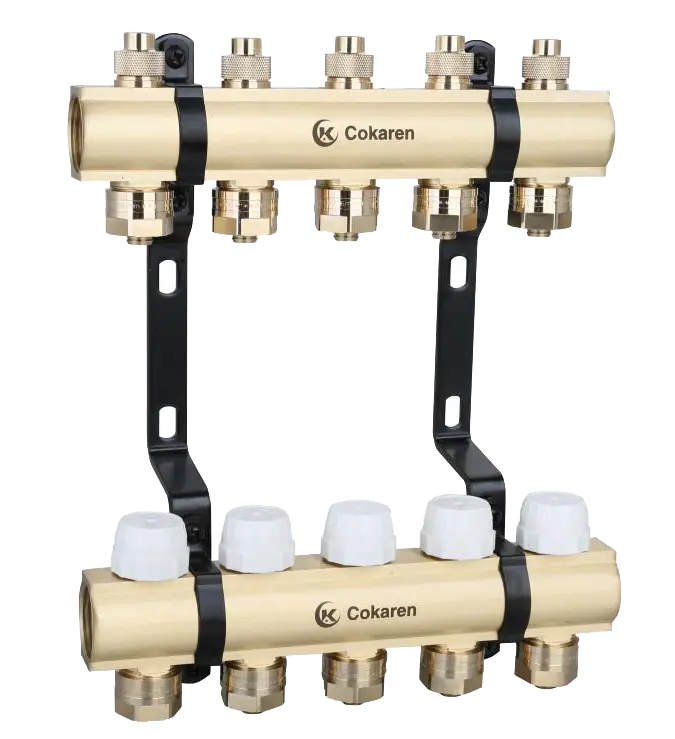
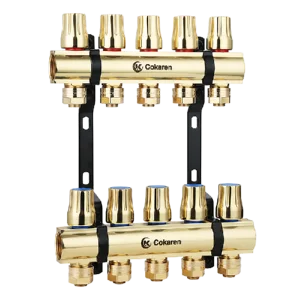
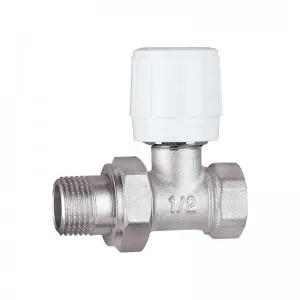
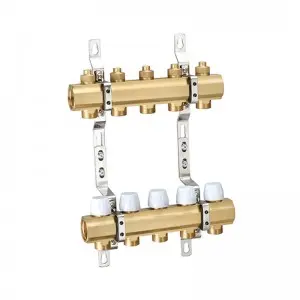
Distributes primary thermal fluid across local radiant loop zones while permitting automatic, motorized actuation.
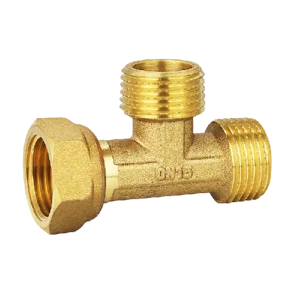
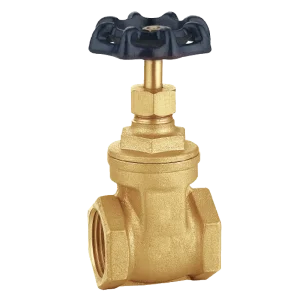
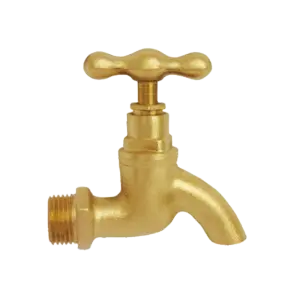
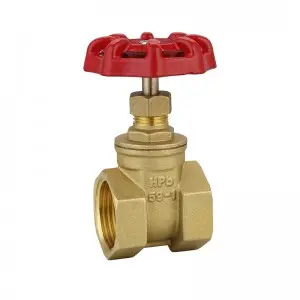
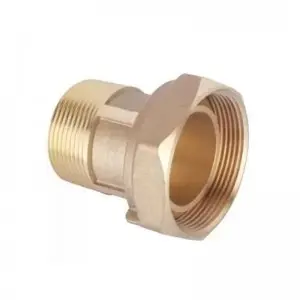
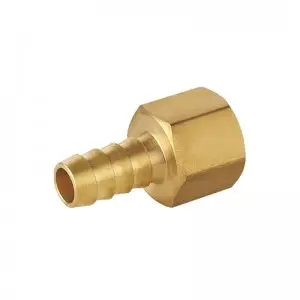
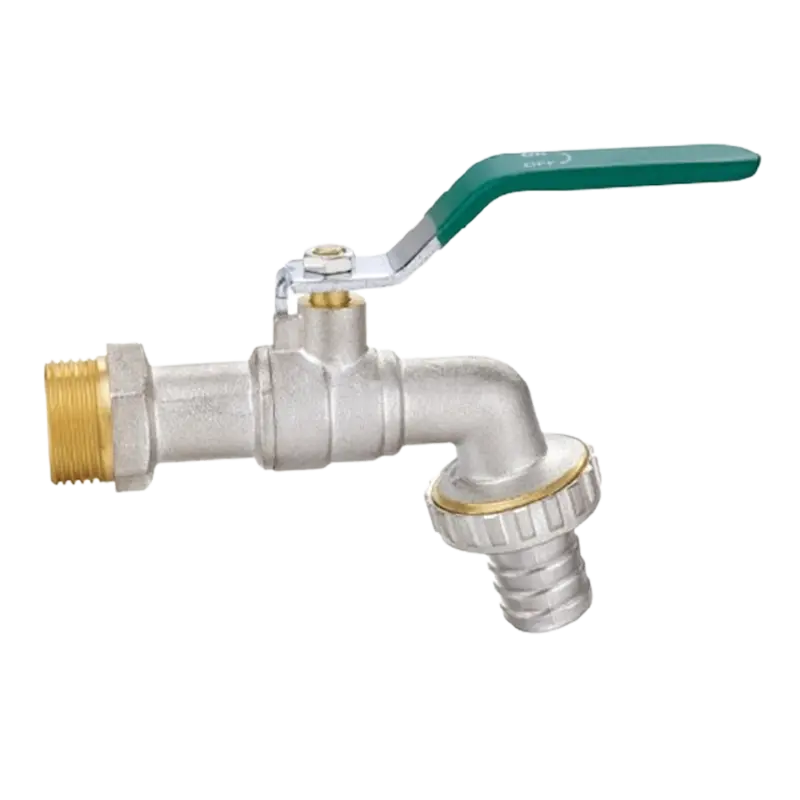
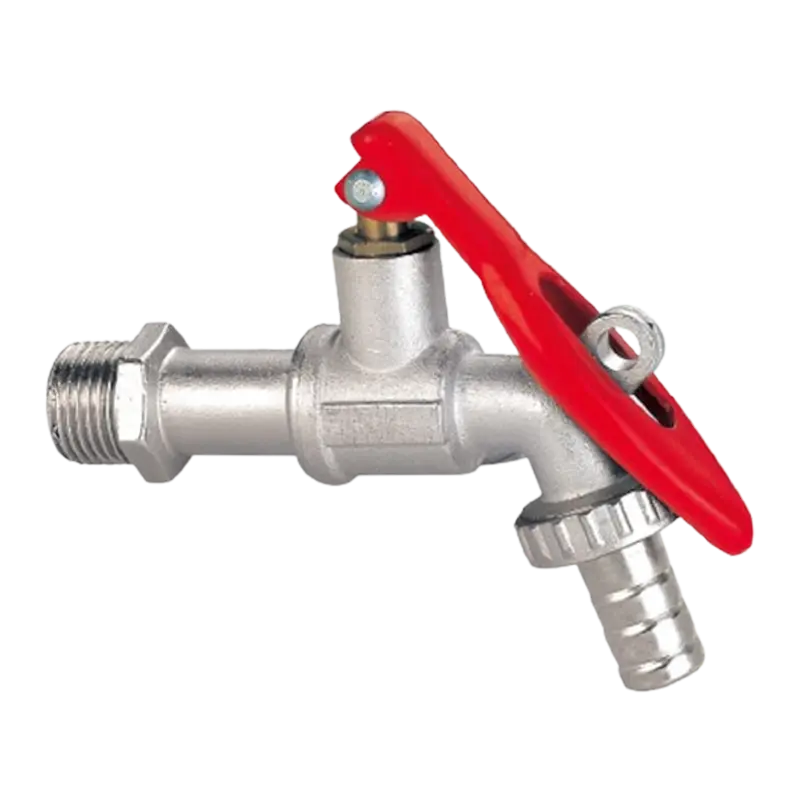
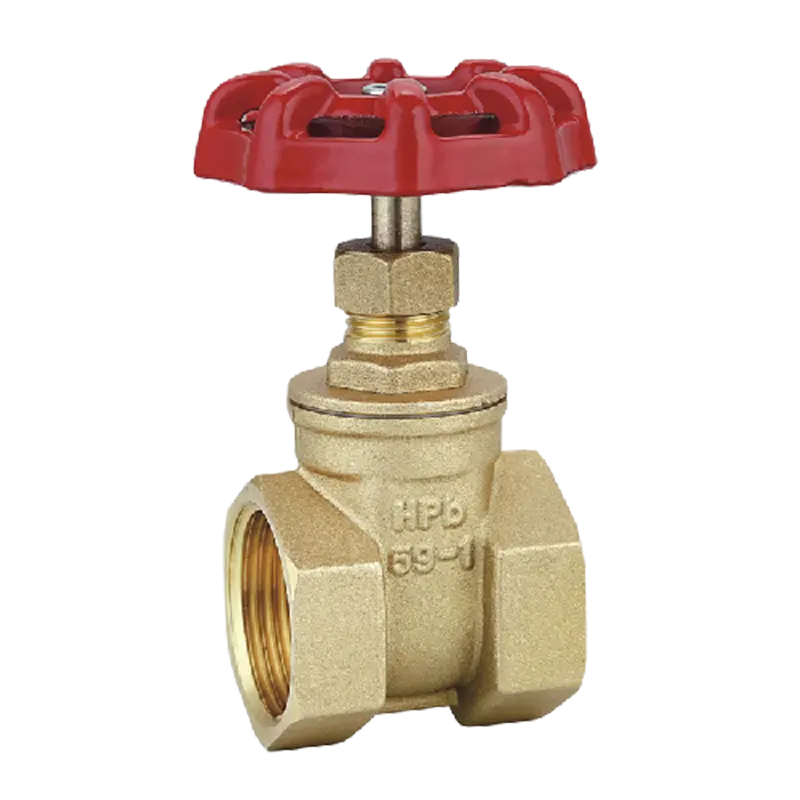
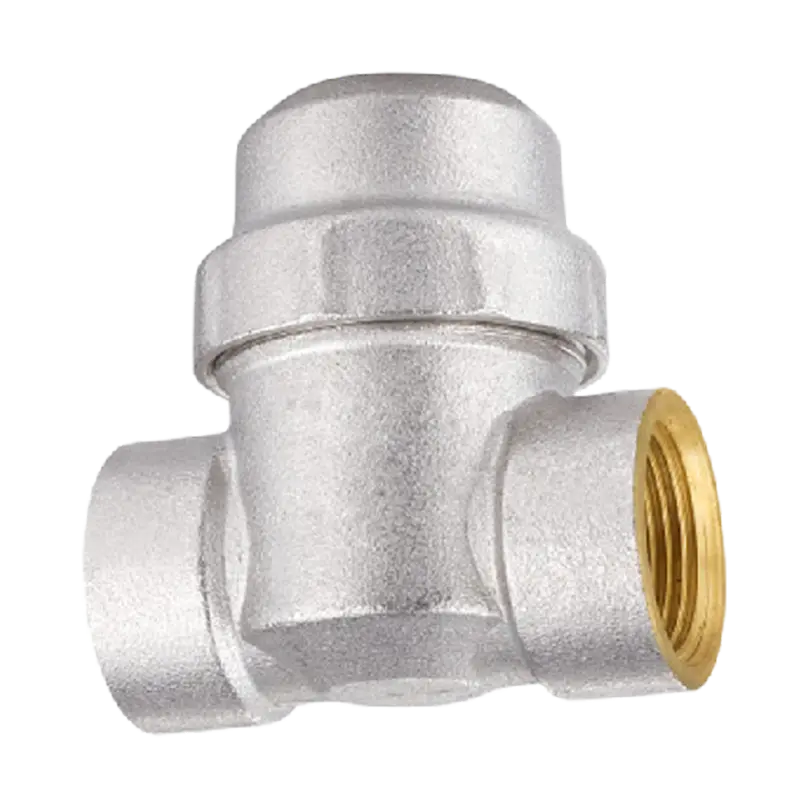
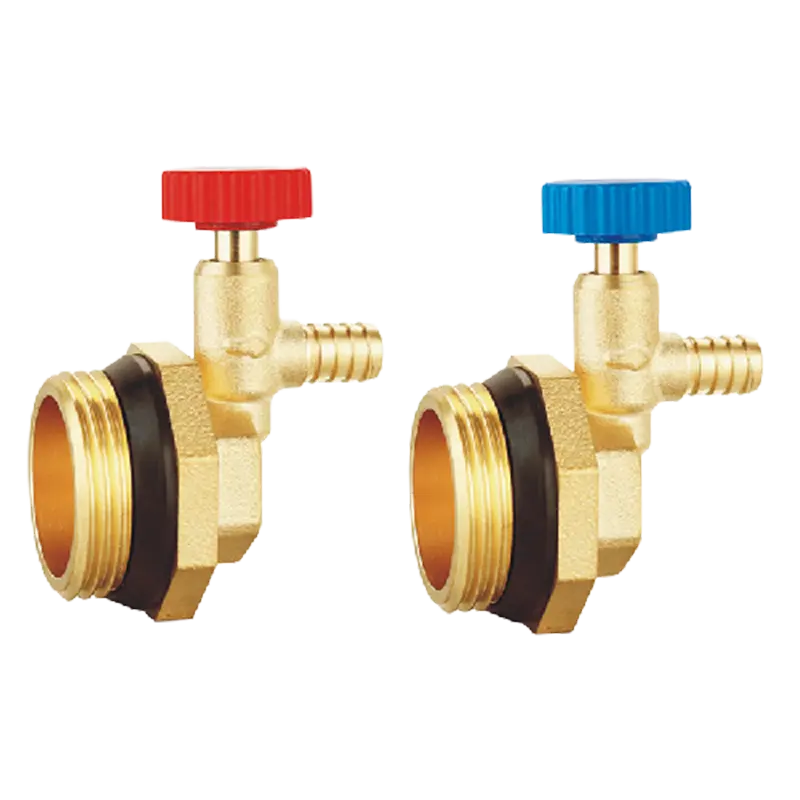
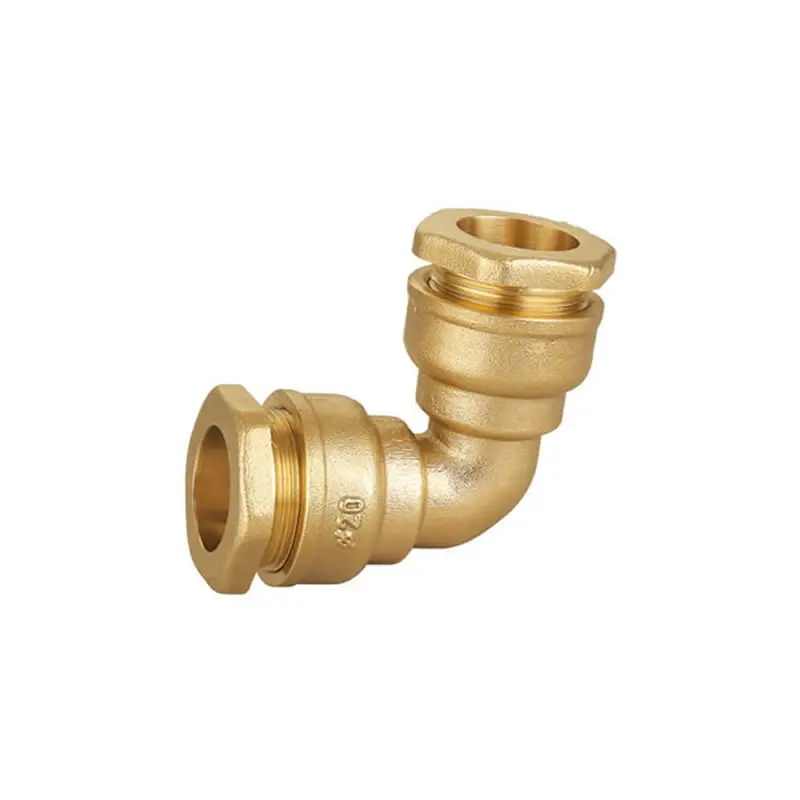
Detailed Technical ParametersA comprehensive inventory of certified brass flow control fittings, gate valves, hose attachments, and specialized floor heating elements.
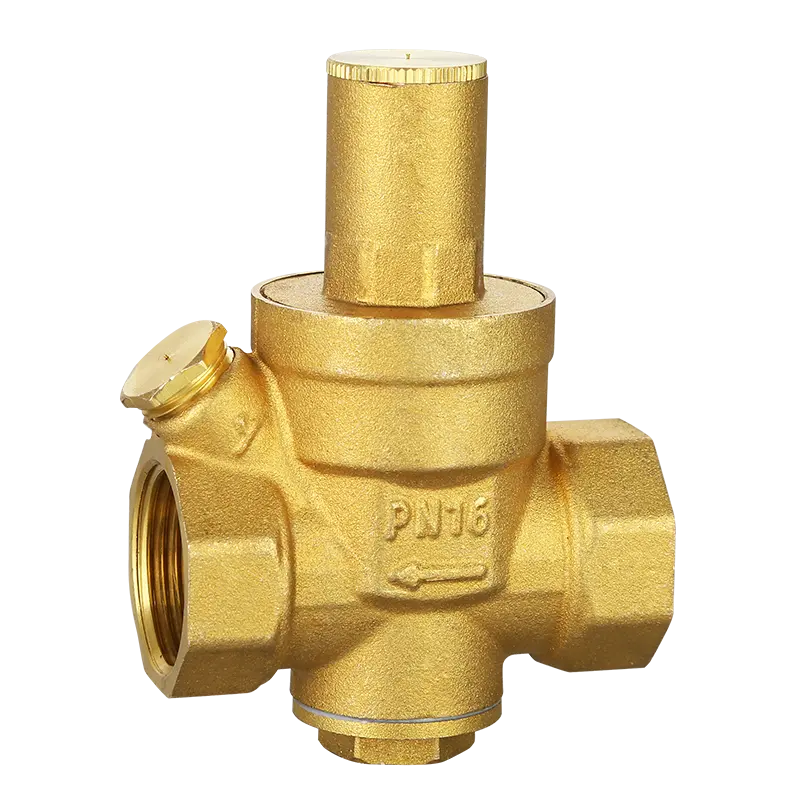
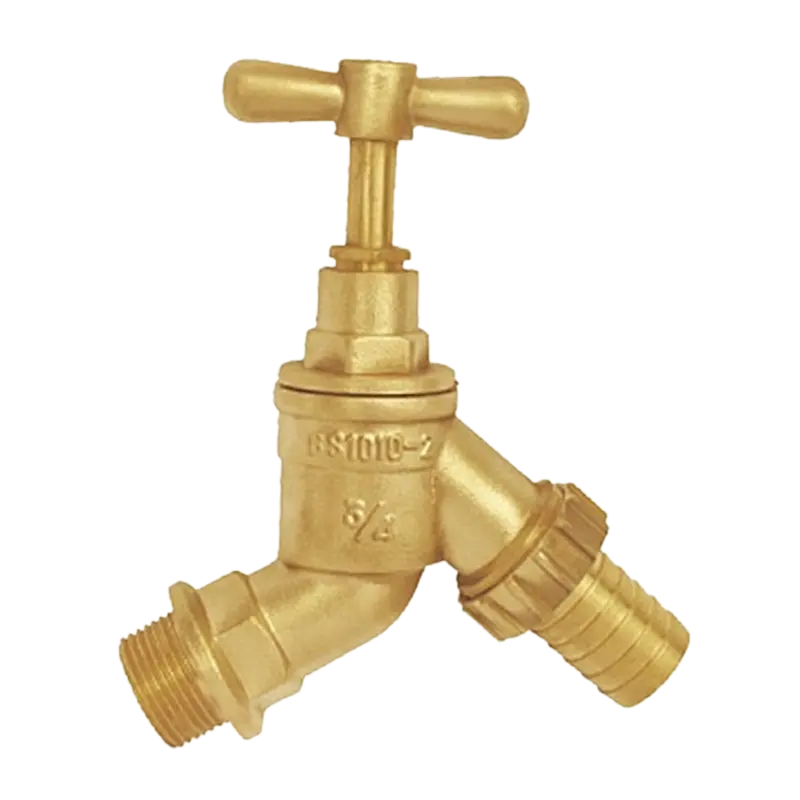
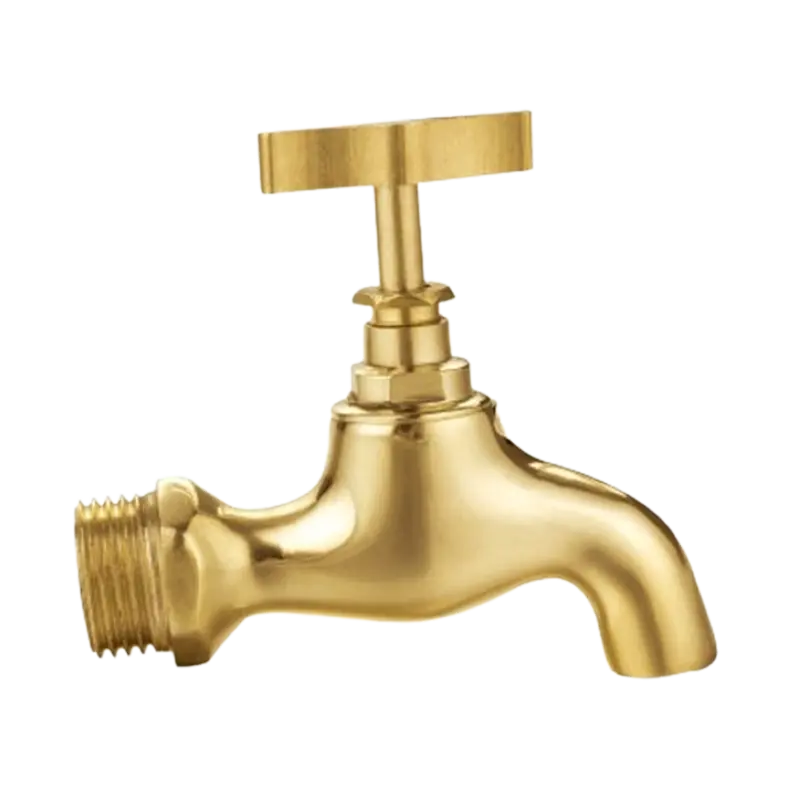
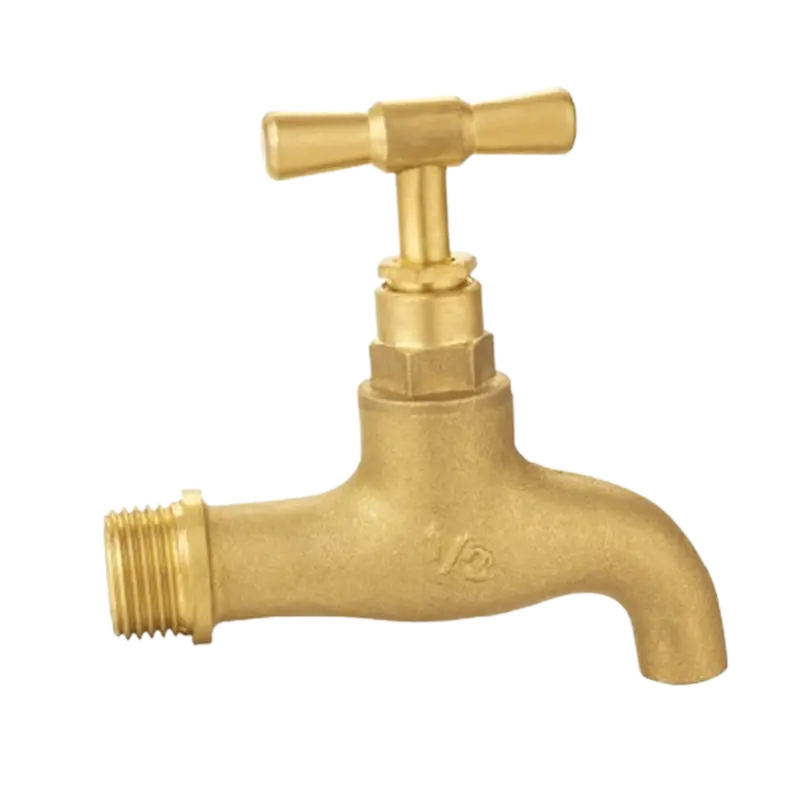
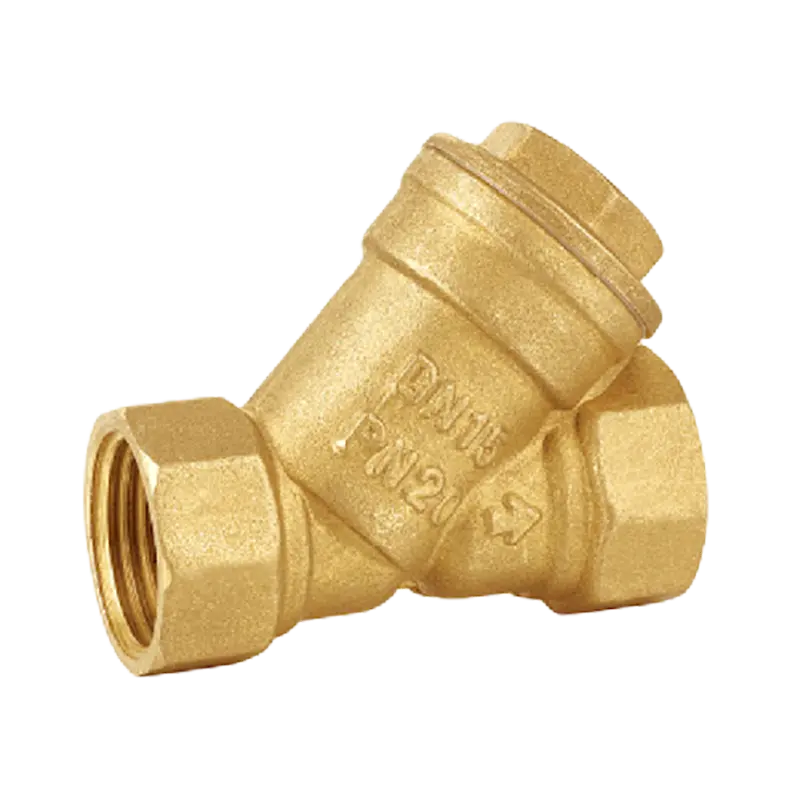
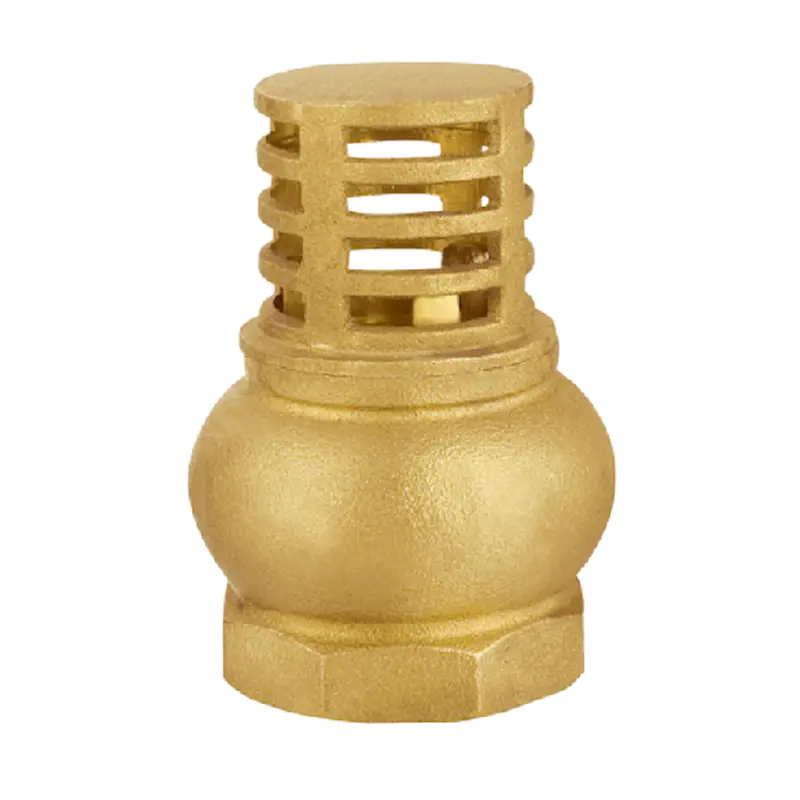
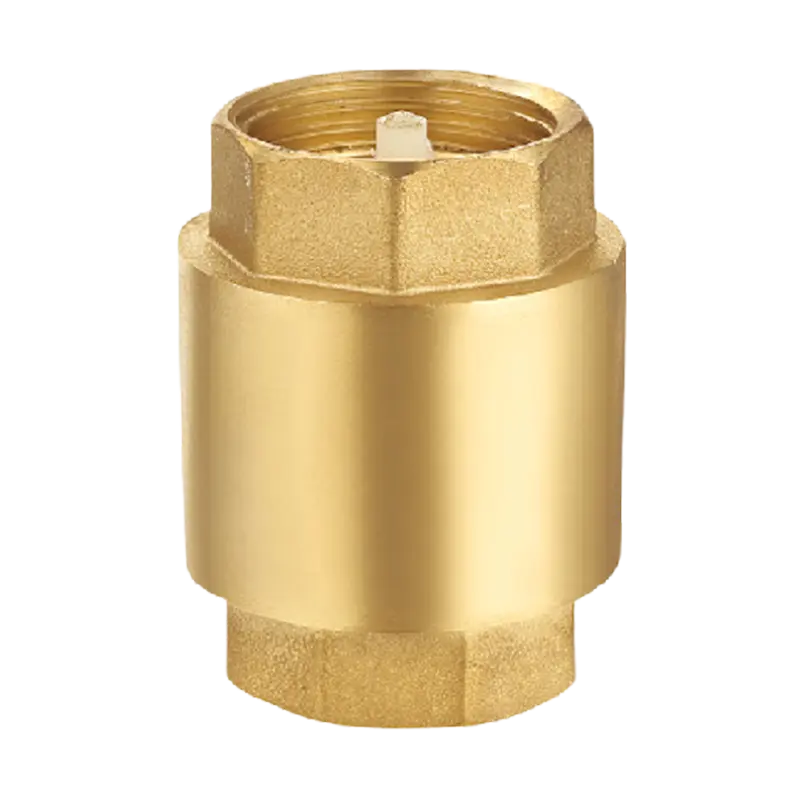
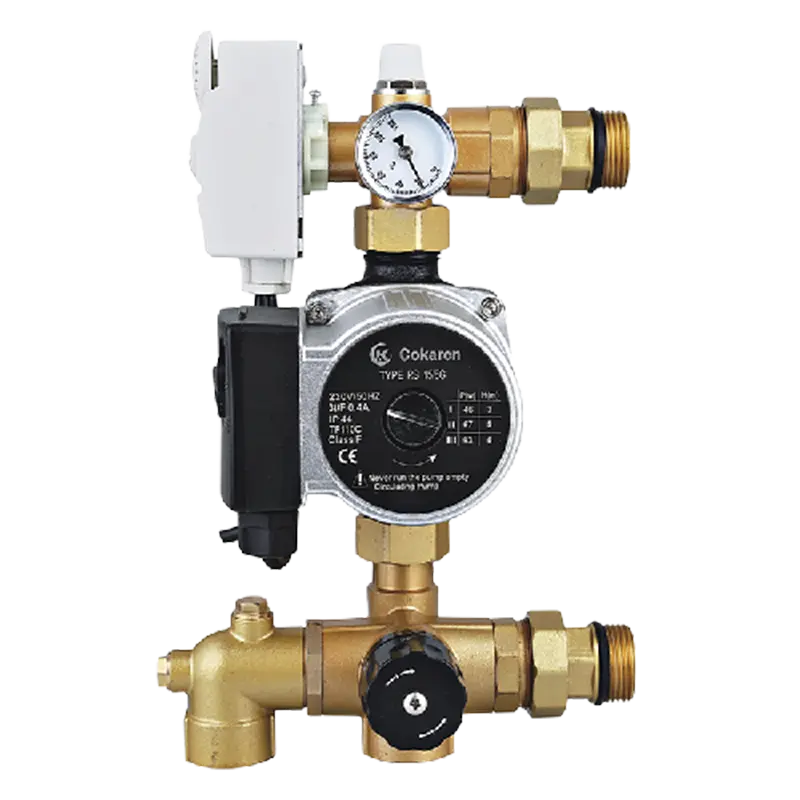
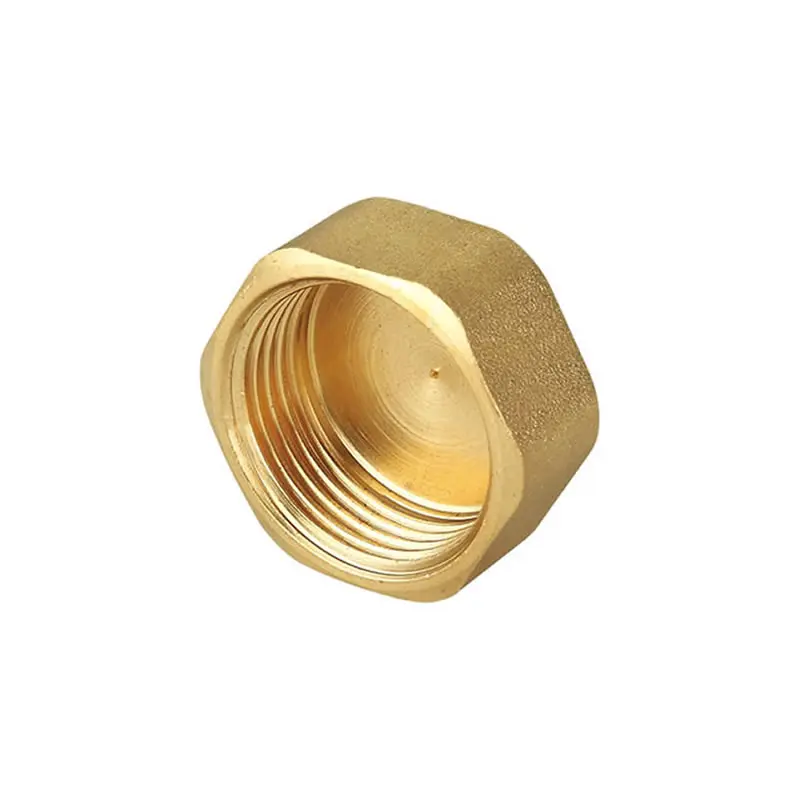
Analyzing key supply metrics for industrial procurement departments, distributors, and large-scale heating infrastructure engineering teams.
For B2B buyers in North America and Western Europe, material traceability is a critical risk factor. Modern pipelines must comply with lead-free mandates (e.g., NSF/ANSI 61 and California AB1953 in the US). Our brass valves are subjected to strict optical emission spectrometry to verify accurate copper, lead, and zinc ratios, ensuring prevention of dezincification corrosion (DZR properties).
High-density residential and commercial district installations require long-term fatigue durability. Ball valves must undergo lifecycle tests of up to 100,000 rotations under full pressure ratings (PN16/PN25) to guarantee that Teflon (PTFE) seats do not deform, resulting in zero-leakage performance under extreme thermal loads.
Standard off-the-shelf valves often fail to meet specific spatial or pressure-drop criteria in custom mixing shunts or HVAC manifolds. Our design office works alongside engineering teams to supply custom CAD blueprints and rapid forging mockups. Our 80+ special precision machine tools allow cost-effective modifications to thread lengths, diameter profiles, and electroplating finishes.
The fluid control landscape is transitioning from passive isolation valves to responsive, system-integrated units.
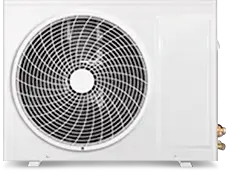
Hydronic distribution networks are rapidly evolving to integrate with building management systems (BMS). Traditional balancing and zone isolation are now mediated by automated actuators linked directly to programmable ambient sensors. This transition guarantees that heat load allocation is calculated dynamically based on real-time zone requirements.
With global green construction rating systems (like LEED and BREEAM) penalizing thermal energy loss, the design of energy distribution manifolds and control valves must incorporate advanced thermal insulation shells and precision internal profiles that prevent throttling turbulence, keeping energy losses to a minimum.
Our R&D efforts are intensely focused on smart thermostat integrations, low-torque spherical core mechanisms, and lead-free alloy compositions that meet strict ecological codes without sacrificing structural reliability.
Industry-specific technical details answered by our fluid dynamic engineers and material scientists.
Explore our highly integrated underfloor heating components, programmable thermostatic nodes, and industrial gate and ball valves.