1 / 1
 Yongda
The civil angle valve mainly plays four essential roles in domestic plumbing systems:
Connection: Connects the internal and external water outlets seamlessly.
Pressure Regulation: If the water pressure is too high, you can adjust it on the triangle valve and turn it down a little.
Switch Function: Acts as an independent switch. If the faucet leaks, you can turn off the triangular valve instead of the main valve at home.
Aesthetics: Beautiful and generous design that conceals plumbing connections cleanly.
Therefore, general new house decoration makes this an essential plumbing accessory, which is why designers will always mention it when decorating a new home.
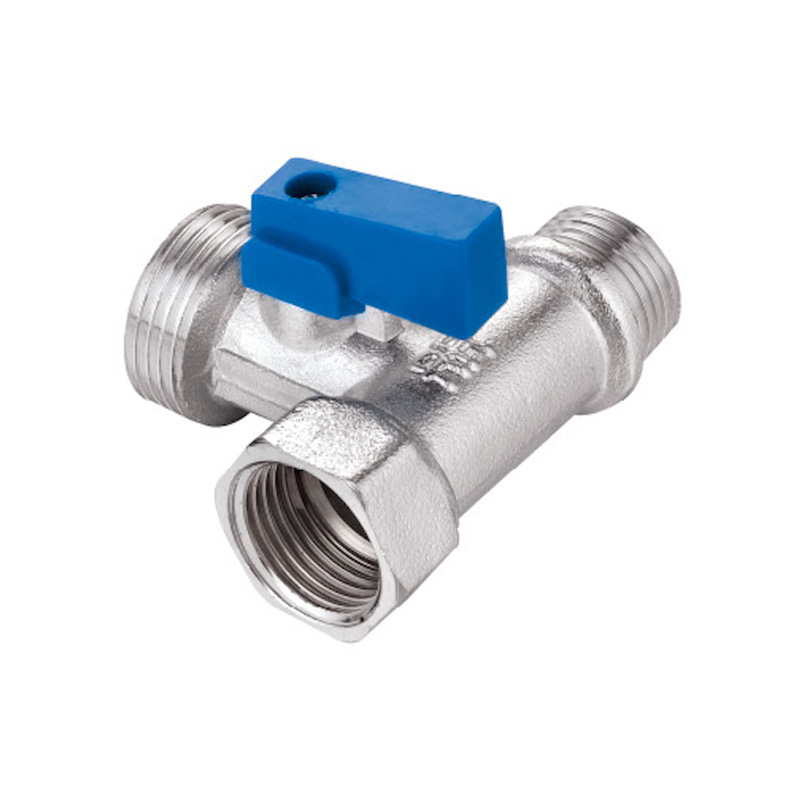
The valve body of the angle valve features three ports: a water inlet, a water volume control port, and a water outlet, which is why it is commonly called a triangle valve.
In residential settings, an angle valve connects internal and external water outlets, regulates water pressure, acts as an independent shut-off switch for single fixtures (like a leaky faucet) without closing the main water valve, and provides a neat, aesthetic appearance.
It is called a triangle valve because its valve body features three distinct ports: a water inlet, a water volume control port, and a water outlet.
The valve features a simple flow path with small dead zones and eddy current zones. This design allows the medium itself to scour the inner paths, effectively preventing clogging and providing self-cleaning properties.
They are ideal for high viscosity media, liquids containing suspended solids or granular fluids, or pipelines that require right-angle routing.
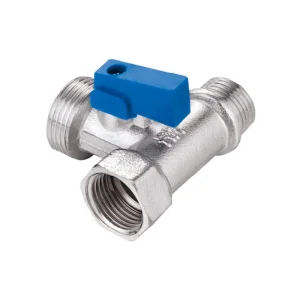
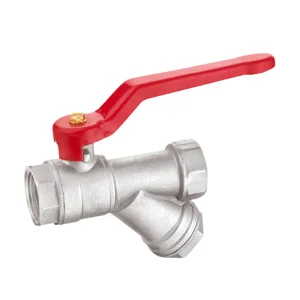
Triangular valves are generally color-coded with blue (for cold water) and red (for hot water) signs for easy identification.
The process follows these steps: Raw material selection (copper, steel, etc.) ➔ Cutting to size ➔ High-temperature forging ➔ Machining ➔ Polishing ➔ Electroplating ➔ Assembly.