 Yongda
Yongda
Yongda
In complex industrial, commercial, and residential piping infrastructures, ball valves are safety-critical flow-control devices. Compliance with international standards is not just a certification benchmark—it is the foundation of high-pressure fluid containment, environmental security, and long-term operational reliability. Professional buyers, mechanical engineers, and global distributors evaluate engineering specifications to prevent cavitation, dezincification, and structural failures.
| Standard Directive | Applicable Region / Focus | Technical Characteristics & Key Compliance Objectives |
|---|---|---|
| EN 13828 / EN 12165 | European Union / UK | Specifies copper alloy ball valves for drinking water systems. Regulates lead content, mechanical torque limits, and CW617N / CW602N DZR brass compliance. |
| MSS SP-110 | North America | Governs threaded, solder, joint, and flared end brass ball valves. Mandates strict wall thickness levels and cold working pressure (CWP) ratings. |
| ASME B16.34 | Global / Heavy Industrial | Determines pressure-temperature ratings, dimensional metrics, and non-destructive examination rules for valves used in critical energy and pipeline networks. |
| ISO 228-1 | International Standard | Defines parallel thread profiles (G threads) for pressure-tight mechanical connections, ensuring seamless component integration in global supply chains. |
| ANSI/NSF 61 & 372 | North America | Restricts heavy metals in plumbing components. Focuses on safe drinking water systems, requiring lead-free materials (<0.25% weighted lead content). |
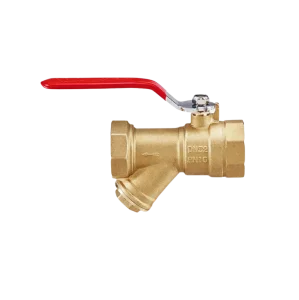
Standardization provides a clear verification baseline. When sourcing high-performance components like a Ball Valve with Filter or complex HVAC manifolds, system designers rely on mechanical tolerances to prevent structural failures. Modern automated pipelines utilize these standardized parameters to coordinate actuated valves with centralized programmable control units.
Located on the eastern coast of Zhejiang province, Yuhuan is widely recognized as the "Valve Capital of China". The region produces a significant share of the global brass valve supply, driven by integrated upstream raw material processing, high-precision forging facilities, and automated assembly operations.
Local refineries specialize in direct-casting high-quality brass billets (CW617N, H59-1, Low Lead, DZR). Constant batch testing using optical emission spectrometers guarantees precise alloy chemistry and prevents corrosion cracking.
Automated multi-station press lines forge complex valve bodies with minimal scrap material. Precise temperature controls ensure optimized grain structure and high mechanical strength under pressure.
Italian-designed rotary transfer machines and CNC machining cells finish threads, seats, and sealing channels to micron-level tolerances, ensuring bubble-tight shutoff performance.
This industrial integration shortens production lead times and provides significant economies of scale. High-capacity facilities support deep component customization, from high-performance HVAC system valves to specialized residential plumbing connections, meeting standard specifications with consistent quality.
Established in 1996, Yuhuan Yongda Fluid Control Co., Ltd. (formerly Yuhuan Yongda Plumbing Co., Ltd.) is located in the valve manufacturing hub of Yuhuan, Zhejiang. The company is a specialized fluid control enterprise integrating product research, industrial design, manufacturing, and international sales.
The product catalog spans three core areas: brass valves, precision connection fittings, and HVAC distribution products. Positioned in the mid-to-high-end segment, the components focus on material safety, environmental compliance, and long service life, serving commercial and residential installations across North America, Europe, and neighboring regions.
To meet evolving international demand, Yongda introduced Cokaren, a specialized brand carrying the promise "keep flowing, keep warming". The brand focuses on refining product design, improving mechanical tolerances, and providing reliable support services for high-efficiency hydronic heating and domestic water networks.

Operating a main facility of 45,000 square meters—with total usable production space reaching 80,000 square meters—Yongda manages large-scale production requirements. The plant houses more than 600 pieces of advanced production and verification machinery, including 80+ specialized high-precision machine tools.
Integrated testing equipment, including spectrophotometers, pneumatic pressure systems, hydrostatic burst chambers, and cyclical fatigue testers, ensures all components meet the company's quality policy: "Fine work, no leakage."
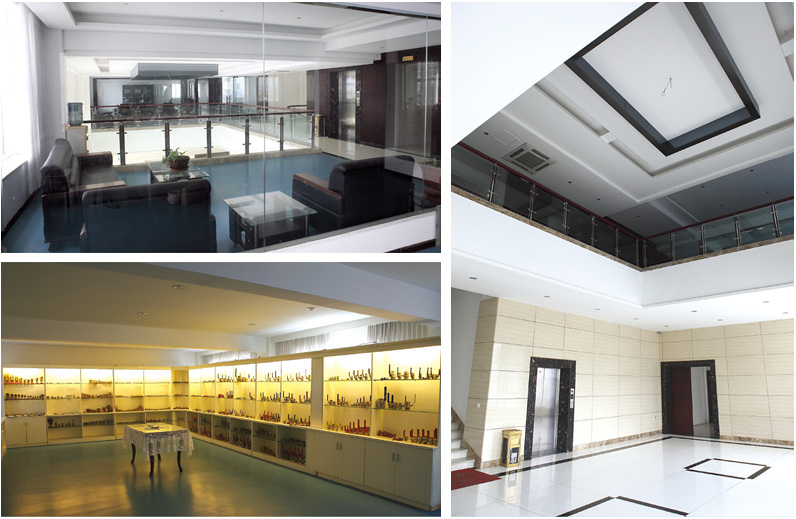
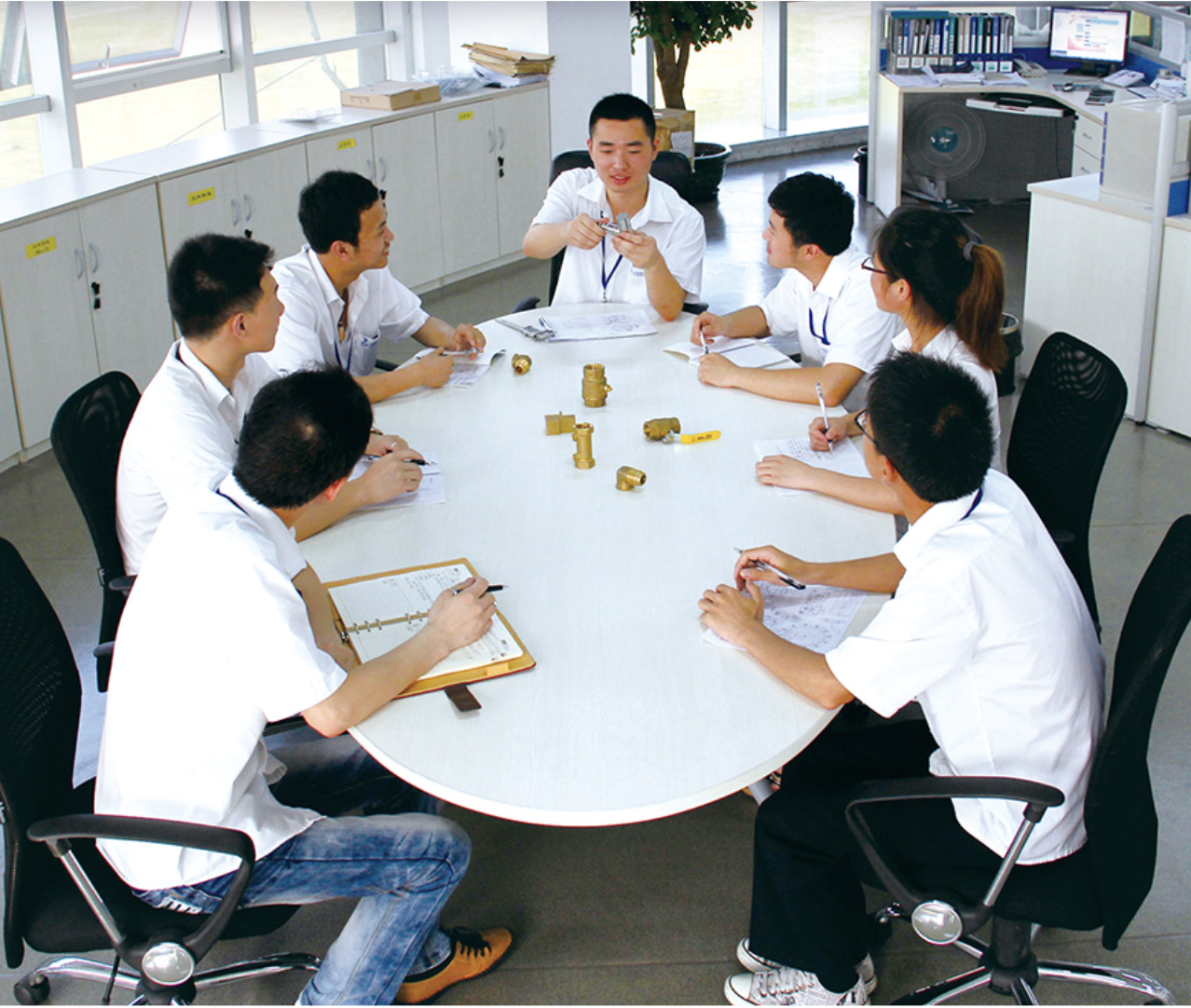
Yongda operates under a structured management philosophy: Struggle, Enterprising, Pragmatic, Innovative. Production focuses on customer requirements and quality-centric manufacturing practices to ensure stable, reliable performance in the field.
The facilities maintain certified management systems to ensure consistent production standards and worker safety:
In modern hydronic and potable water applications, individual valves must operate reliably as part of a larger energy distribution network. Safe and efficient fluid control requires coordinating thermal actuators, zone valves, mixing systems, and manifolds to regulate pressure drop and heat distribution.
Yongda manufactures matched system components to ensure compatibility and ease of installation in domestic and commercial boiler setups, floor heating networks, and cooling loops.

Valve performance requirements vary significantly depending on localized water chemistry, regional climate, and installation environments. Professional installers select specialized components to address specific operating conditions.
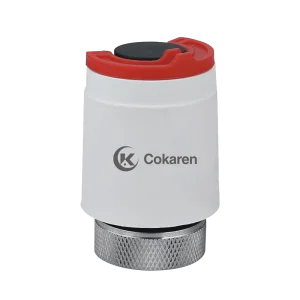
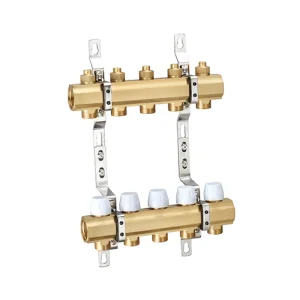
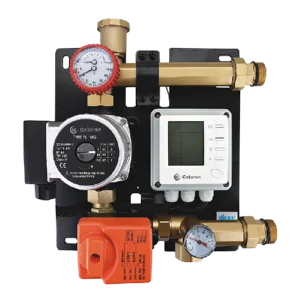
Centralized distribution systems require precise flow adjustment across multiple heating loops. Utilizing brass manifolds with integrated balancing valves and thermal actuators allows individual zone control, stabilizing indoor temperatures and optimizing energy efficiency.
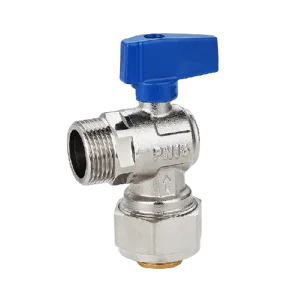
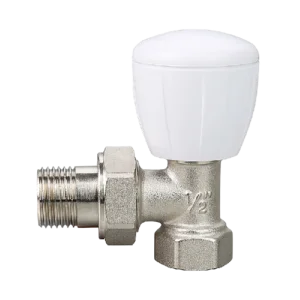
High-temperature heating loops require reliable control and system protection. Integrating angle valves, safety relief valves, and automatic air vents protects heat exchangers from pressure spikes and removes trapped air to prevent system noise and corrosion.
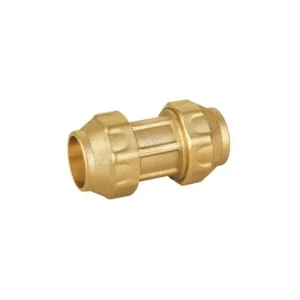
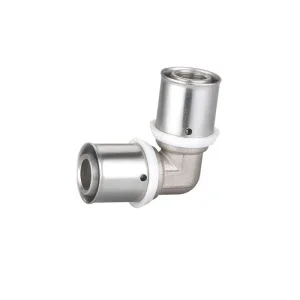
Residential water systems require materials that prevent lead contamination. Certified lead-free brass ball valves and compression fittings connect PEX and PE service lines safely, resisting dezincification from municipal disinfectants.
Commercial heating systems balance high-temperature source water with lower-temperature return water. Thermostatic mixing valves and bypass shunts maintain stable secondary delivery temperatures to prevent thermal shock and pipe damage.
Global environmental regulations continue to tighten, restricting lead content in components touching drinking water. Sourcing departments focus on suppliers that provide verified compliance documentation, such as RoHS, REACH, and NSF/ANSI 372 certifications. Manufacturers must maintain clear separation of materials in the foundry to prevent cross-contamination between industrial and potable-grade brass.
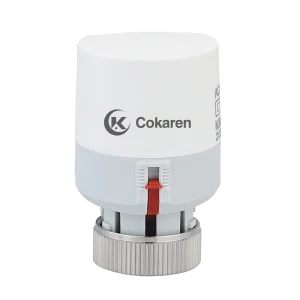
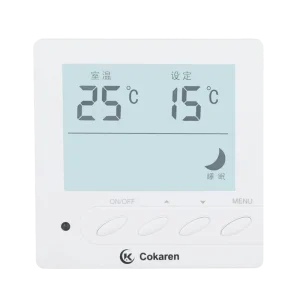
The integration of Internet of Things (IoT) technologies in building automation systems has increased demand for motorized zone control valves and smart thermostats. Modern manifolds are designed to work directly with low-voltage thermal actuators, allowing automated control algorithms to optimize hydronic heating and cooling systems.
Procurement teams manage supply chain risk by selecting manufacturers with large production capacity, in-house tooling capabilities, and stable logistics access. OEMs require supplier plants to maintain ISO 9001 quality systems and trace raw material batches from foundry melt to finished components.