1 / 4
 Yongda
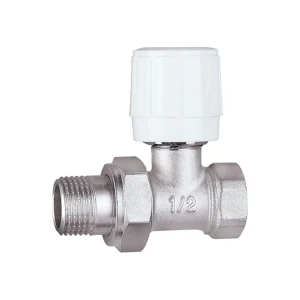
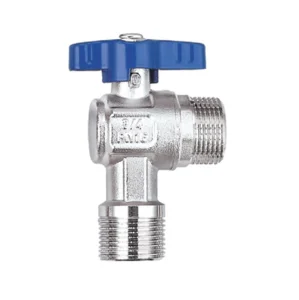
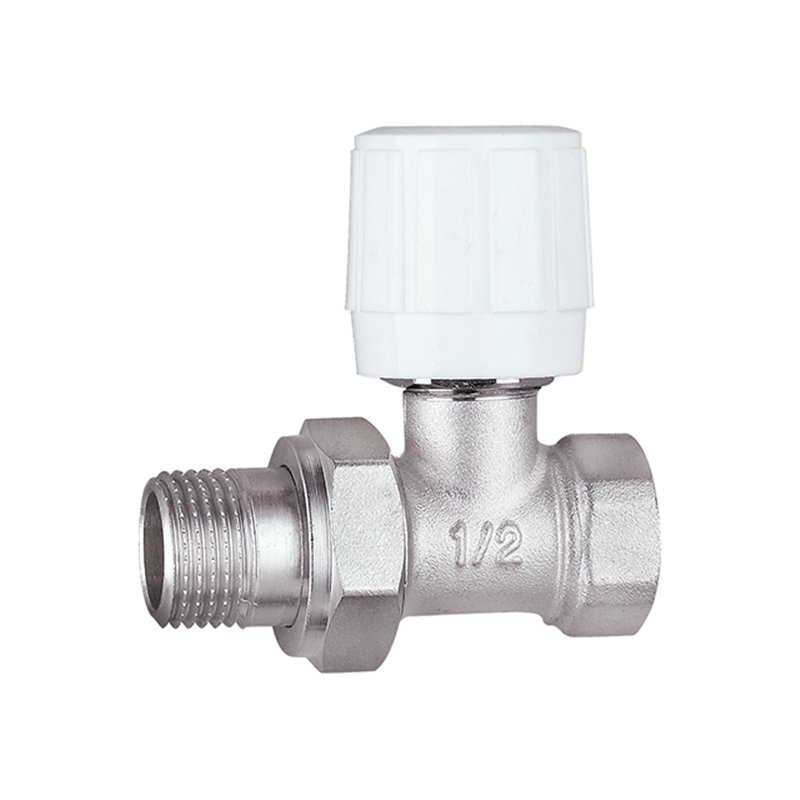
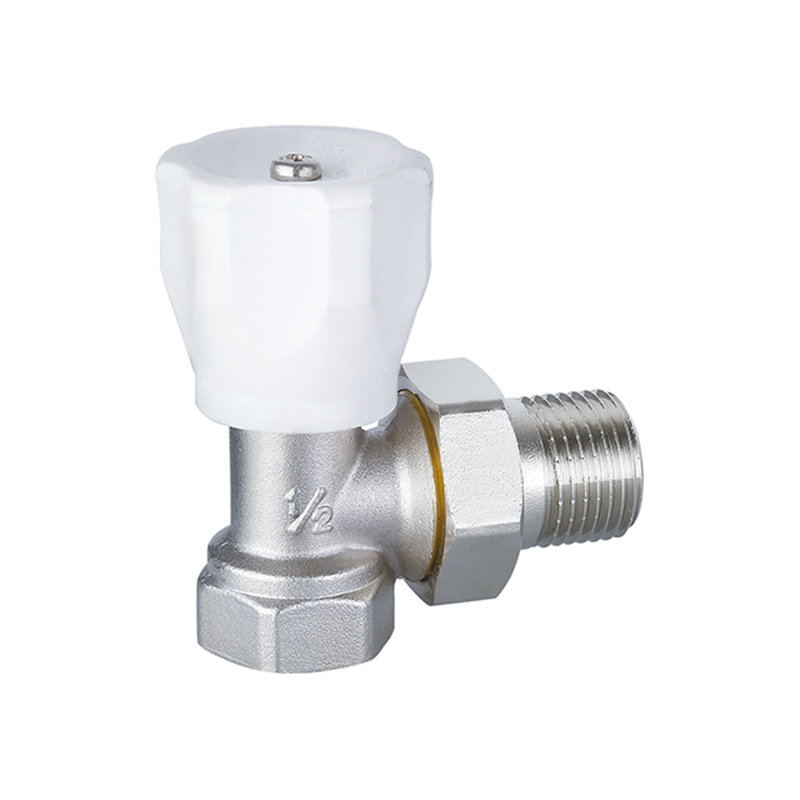
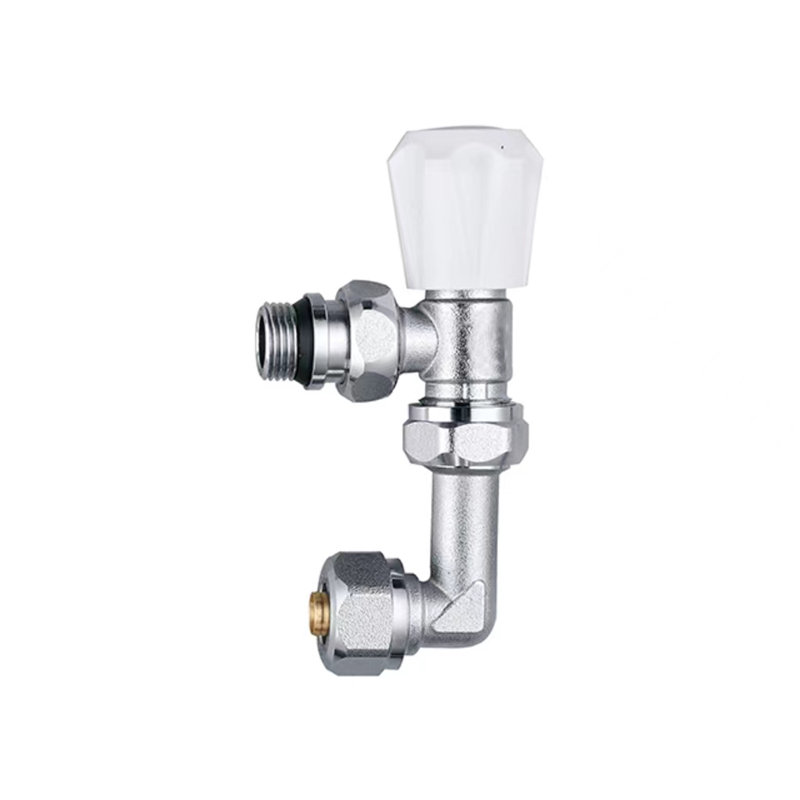
The Manual Temperature Control Valve Adopts a FIve-layer Sealing Structure, Which Enhances the Service Life of the Valve and Reduces the Probability of Leakage to 0%.
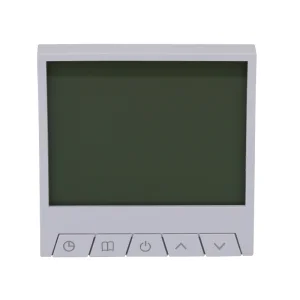
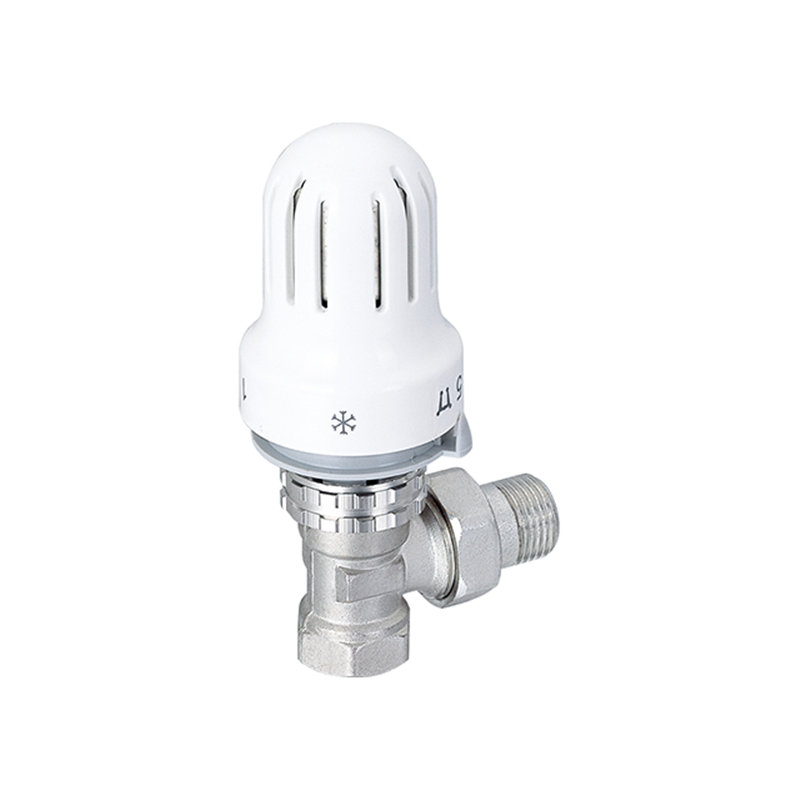
The Automatic Temperature Control Valve Automatically Adjusts the Amount of Hot Water Passing Through the Radiator According to the Indoor Temperature.
When Indoor Temperature is Low: When the Room Temperature Is Lower Than the Set Temperature Value, the Valve Will Automatically Open (or Gradually Increase), and the Radiator Will Heat the Room Until the Room Temperature Reaches the Set Value.
When Indoor Temperature Rises: When the Room Temperature Rises, the Temperature Sensor Will Expand, Causing the Valve to Turn It Down (or Off) Gradually and the Radiator Will Heat Down (or Stop Heating).
A1: It features a five-layer sealing structure that significantly enhances the service life of the valve and reduces the probability of leakage to 0%.
A2: It automatically adjusts the amount of hot water passing through the radiator based on the detected indoor temperature.
A3: The valve automatically opens or gradually increases the hot water flow, and the radiator heats the room until the desired temperature is reached.
A4: The internal temperature sensor expands, which causes the valve to gradually turn down or turn off, slowing down or stopping the heating process.
A5: No, it operates automatically based on temperature sensor expansion and contraction to maintain the set temperature value.