 Yongda
Yongda
Yongda
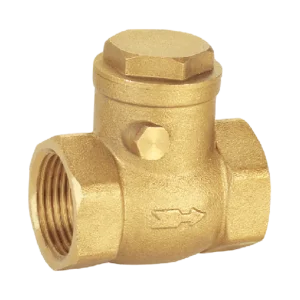
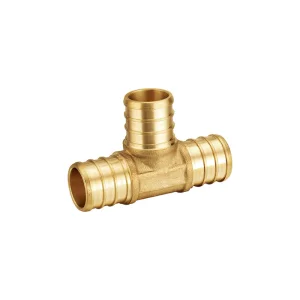
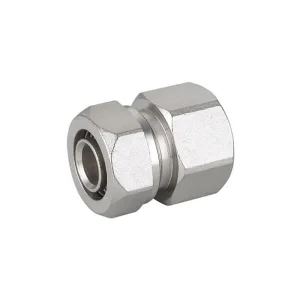
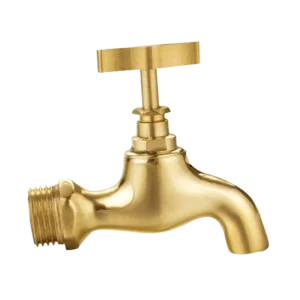
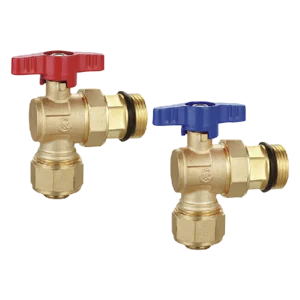
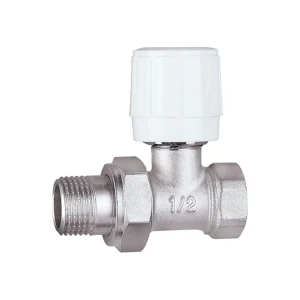
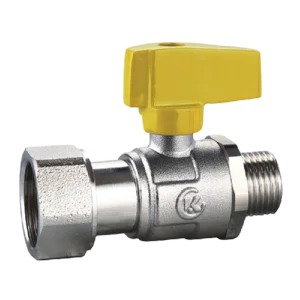
In modern industrial fire protection, dry pipe systems, and high-temperature HVAC applications, engineering components must stand up to rigorous safety guidelines. A Ball Drip Valve acts as a critical automatic drainage device. Typically installed on the fire department connection (FDC) line, its main function is to drain excess water that seeps past the check valve. This ensures that the piping system remains dry, preventing catastrophic pipe freeze-ups, structural corrosion, and system blockages.
Achieving CE Certification is not just a regulatory hurdle; it represents a commitment to structural integrity, environmental compliance, and pressure boundary safety. As an international metric, the CE mark indicates that the valves meet EN 12266-1 pressure tests and comply with European Pressure Equipment Directive (PED) 2014/68/EU standards.
Yuhuan Yongda Fluid Control Co., Ltd. has established itself as an engineering pioneer, developing high-precision brass components that guarantee "zero-leakage" operations. By pairing advanced metallurgical technology with state-of-the-art manufacturing processes, we provide global engineering procurement with robust and reliable mechanical systems.

Yuhuan Yongda Fluid Control Co., Ltd. (formerly Yuhuan Yongda Plumbing Co., Ltd.) was founded in 1996 in Yuhuan, Zhejiang—the recognized "China Valve Capital." Over nearly three decades, we have scaled our footprint into a premier high-end manufacturing group, focusing on product design, mechanical engineering, and global logistics. Our operations are anchored in a factory area of over 45,000 square meters, with actual usable space reaching 80,000 square meters.
Our infrastructure includes over 600 sets of advanced manufacturing units, including 80+ special high-precision CNC machine tools. This extensive machinery allows us to deliver optimized solutions across three key domains: brass valves, compression and crimp fittings, and HVAC systems. Backed by our premium quality control, our products are highly favored across North America, Europe, and neighboring regions.
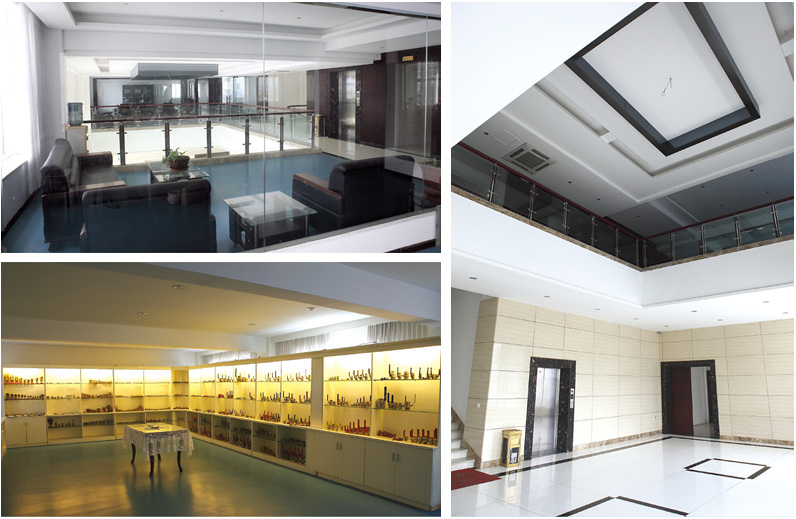
To better serve modern smart building applications, we introduced our flagship brand—Cokaren. Under the brand promise "keep flowing, keep warming," Cokaren focuses on refined aesthetics, superior materials, and long-term functional stability. Our goal is to supply water systems and underfloor heating systems with components that guarantee safety and comfort.
Our core culture is structured around four pillars: Struggle, Enterprising, Pragmatic, and Innovative. Guided by the principle "Customer first, Quality based," we execute a rigorous quality policy: "Fine work, no leakage." This focus extends beyond mechanical engineering. We actively seek alignment between enterprise growth, eco-friendly production, and the overall happiness of our 600+ employees.
Partnering with a Chinese manufacturer located in the Yuhuan industrial cluster offers global OEM purchasers significant strategic advantages, combining supply chain scale, metallurgical expertise, and cost-efficiency.
Yuhuan houses the most complete brass valve supply chain in the world. From raw copper rod extrusion to surface sandblasting, plating, and testing, every manufacturing step is completed within a 10km radius. This dramatically reduces production lead times and logistical overheads.
Our facility utilizes automatic multi-port forging presses and CNC processing centers. This prevents internal porosity in brass structures, which is critical for high-pressure ball drip valves that operate on constant standby.
Every single valve undergoes automatic air-under-water and hydraulic pressure tests. Our quality control system rejects any unit displaying even microscopic pressure drops, fulfilling our core promise: "Fine work, no leakage."
Ball drip valves and associated brass fittings play essential roles in major commercial and municipal infrastructure installations. Our engineering solutions address critical industrial scenarios:
In regions facing freezing temperatures, sprinkler systems use dry piping filled with pressurized air or nitrogen. A ball drip valve is installed at the low point of the FDC inlet line. By automatically draining water that bypasses the primary check valve, it prevents water from freezing inside the pipe, which could crack the casing and disable the fire suppression system.
Modern radiant heating systems rely on precise energy distribution. Using our smart manifolds, thermostatic valves, and bypass assemblies, commercial spaces can balance heat loads. Our mixing units adjust temperature automatically, protecting sensitive piping while reducing energy consumption by up to 22%.
Industrial manufacturing plants require chemical resistance and pressure endurance. Using DZR (Dezincification Resistant) lead-free brass, our ball valves, check valves, and compression adapters maintain integrity under cyclic thermal stresses, minimizing downtime in continuous industrial processes.
Our commitment to reliability is backed by a robust framework of international management certifications. We operate strictly under:
Our CE certified components undergo extensive design verification, including destructive burst testing, cycle testing under thermal loads, and rigorous alloy composition verification via spectral analysis.

Explore our integrated energy distribution solutions designed for modern municipal, commercial, and residential projects.
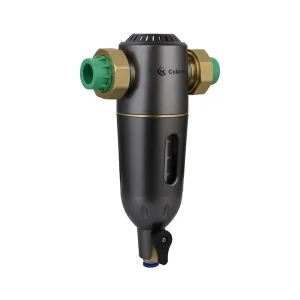
The first line of defense in domestic water sanitation. It filters out 98% of rust, sand, and particulate impurities, protecting downstream valves and appliances from abrasion.
Specifically engineered with a spherical spool to control high-temperature cold and hot water inflows in commercial heating systems.
Continuously discharges trapped air pockets from radiant heating and air-source heat pumps, preventing air locks and maintaining pump efficiency.
Blends cold and hot water to supply constant-temperature fluid to radiant pipes, preventing thermal damage and improving occupant comfort.
Integrates with manifold actuators to regulate multi-zone indoor temperatures via real-time environmental sensing.
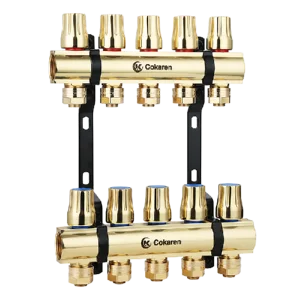
Distributes flow pathways evenly across rooms, maintaining pressure balance and heat distribution in multi-story residential buildings.
For international procurement managers, specifying plumbing and mechanical valves requires managing complex risk factors. Here is how Yuhuan Yongda supports global procurement pipelines:
High-grade brass valves must comply with global regulations regarding heavy metal limits (such as lead-free brass requirements in North America and REACH/RoHS in Europe). We perform raw material spectrum analysis on every batch of copper, generating material test reports (MTRs) to verify composition and dezincification resistance.
Modern engineering projects often require tailored solutions, including specific thread types (NPT, BSP, ISO 228), specialized handle extensions, or custom pressure ratings (PN16, PN25). Backed by our dedicated in-house R&D team, we transition custom concepts to finalized prototypes within weeks.
Supply chain delays can cause costly project overruns. With a production facility exceeding 45,000 square meters and over 600 sets of advanced machinery, we maintain the capacity to fulfill high-volume orders reliably. Our long-term logistics partnerships ensure efficient shipping from nearby Ningbo and Shanghai ports.
The valve manufacturing industry is evolving rapidly, driven by urbanization, stricter environmental regulations, and the growth of smart buildings. We keep our customers ahead of the curve by integrating these trends:
Regulations worldwide are lowering acceptable lead levels in potable water systems. Our foundry utilizes advanced low-lead and lead-free bismuth/silicon-brass alloys to meet drinking water safety standards.
Piping systems are increasingly integrated with building management systems (BMS). Our smart thermostatic valves and motorized mixing units communicate with central controllers to optimize heating loads dynamically.
Transitioning from sand-cast processes to precision hot-press forging yields thinner yet stronger valve walls. This minimizes material weight while increasing burst pressure thresholds.