 Yongda
Yongda
Yongda
Explore our premium industrial product range built on rigorous CE directives and certified precision manufacturing principles.
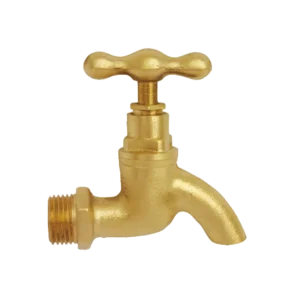
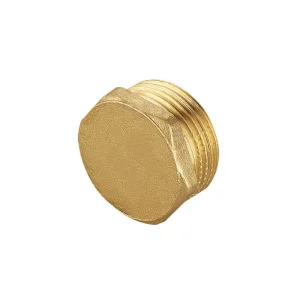
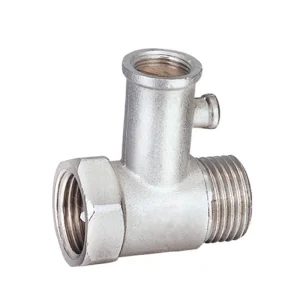
Within high-performance industrial water supply circuits, storage tank distribution systems, and HVAC engineering networks, the simple yet essential ball float valve represents a critical safety layer for liquid level management. Uninterruptible and self-actuating, these valves operate without external energy, rendering them indispensable for process security across major global industries.
From modern petrochemical process lines to municipal water reservoirs and precision boiler feeds, certified mechanical regulators prevent system overflow, prevent pump dry runs, and maintain exact pressure dynamics. Rapid global urbanization and water scarcity have combined to drive demand for highly durable, corrosion-resistant brass and stainless steel float assemblies that conform strictly to international safety standards.
In highly regulated regions such as the European Union and North America, compliance frameworks such as the Pressure Equipment Directive (PED) and European CE mark criteria dictate that fluid controls remain defect-free over decades of dynamic cyclical fatigue. The focus has decisively shifted to manufacturers who offer high-integrity materials, verified non-leak parameters, and complete trace documentation.

Operating as a major hub for world-class flow engineering, Yuhuan Yongda Fluid Control Co., Ltd. (formerly Yuhuan Yongda Plumbing Co., Ltd.) was established in 1996 in the global fluid valves manufacturing center: Yuhuan, Zhejiang. The enterprise integrates advanced R&D, structural tooling, precision stamping, and assembly lines to supply high-end plumbing, heating, and HVAC equipment globally.
Cokaren is our premium-tier trademark, dedicated to providing high-reliability plumbing and domestic HVAC products. Engineered to the highest tolerances, Cokaren products adhere to our brand promise: "keep flowing, keep warming". Our mission is to integrate safe, efficient, and robust fluid architectures into modern residential and industrial environments, securing international trust through unmatched physical quality.
Modern flow controls must withstand varying water chemistry, thermal shock, and physical stress. Below is our current technological roadmap highlighting key engineering benchmarks we utilize to exceed standard industrial specifications.
Standard brass alloys are vulnerable to zinc leaching in acidic or high-mineral water environments, resulting in structural failure. We employ advanced CW602N and CW617N grade brasses, which contain optimal trace elements to ensure long-term mechanical reliability under diverse hydraulic conditions.
Employing high-density hot forging techniques instead of sand casting eliminates microscopic pores within the valve casing. Computerized lathe machining steps refine sealing surfaces, resulting in a low friction coefficient that virtually eliminates micro-leaks over high actuation cycles.
In step with international public health standards and environmental protection protocols, we supply lead-free and eco-compatible alloy lines. These components fulfill rigorous clean-water standards in the European Union (RoHS) and North American plumbing regulations (NSF/ANSI 372).
Our systems regulate water flow and balance temperatures seamlessly across complex building systems. View our dynamic process flow configuration below.
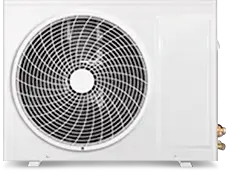
Monitors differential pressure across supply lines, preventing surge stresses and maintaining optimal volumetric flow rates.

Maintains dynamic system balancing to feed heat loops efficiently, reducing municipal and industrial energy consumption.

Protects downstream assets (such as pumps, actuators, and float sensors) from particulate matter, debris, and scaling.
Designed for optimal integration in both modern residential and industrial contexts. View our primary functional modules:
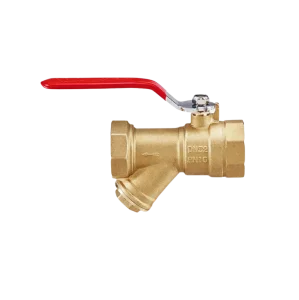
Fitted as the baseline guard for sanitary domestic or commercial water lines. Eliminates up to 98% of particulate impurities, protecting downstream valves and float sensors.
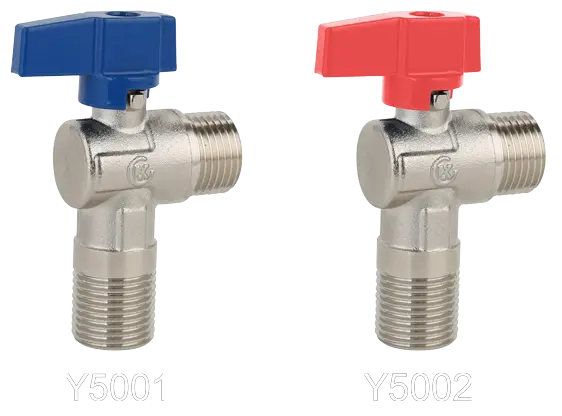
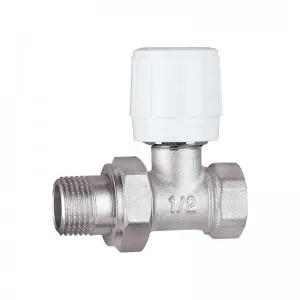
Controls primary inputs and thermal outputs of domestic heating systems. Engineered with a highly polished spherical brass core to prevent thermal stress wear.
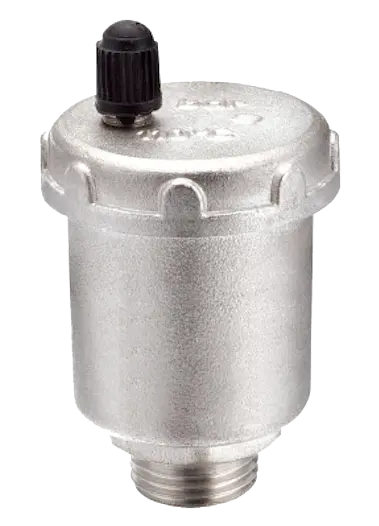
Removes trapped air pockets automatically inside complex heating and heat-pump lines. Restores system equilibrium and prevents air binding in liquid pumps.
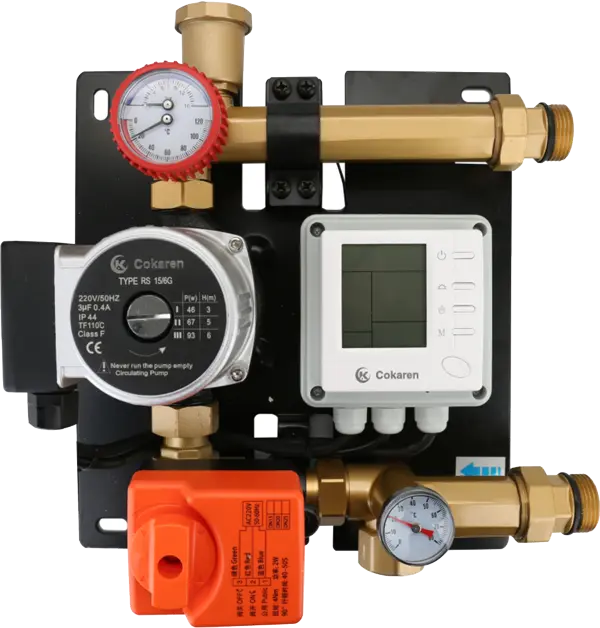
Blends return cold flow with boiler hot flow to achieve targeted, stable temperature ranges. Prevents structural degradation from extreme thermal gradients.
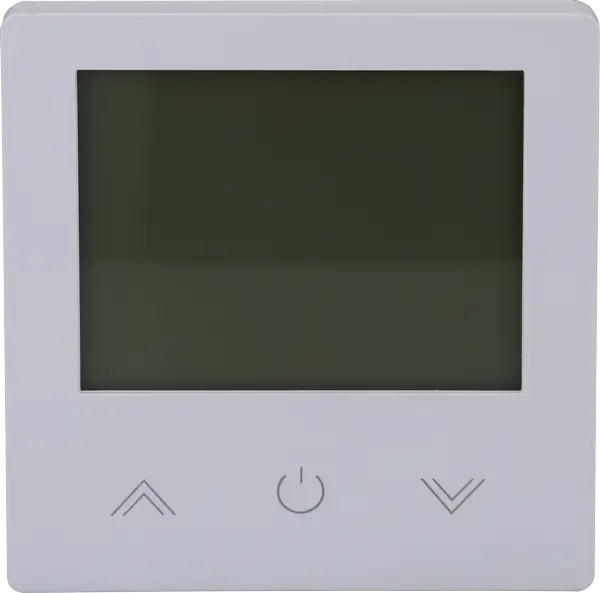
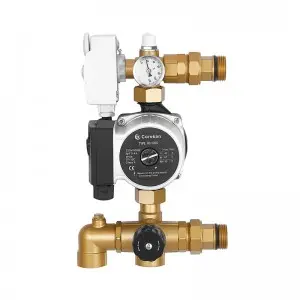
Interfaces directly with heating manifolds and zone controls, adjusting flow outputs based on ambient room conditions and modern smart home demands.
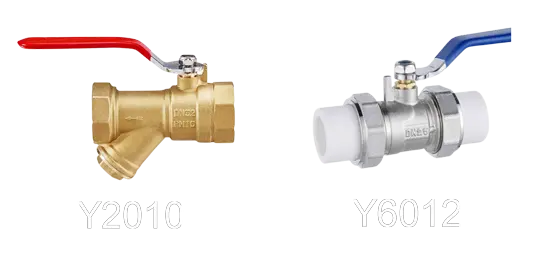
Equipped with particulate filtration and excess pressure indicators, this multifunction unit manages inflow control for multi-manifold assemblies.
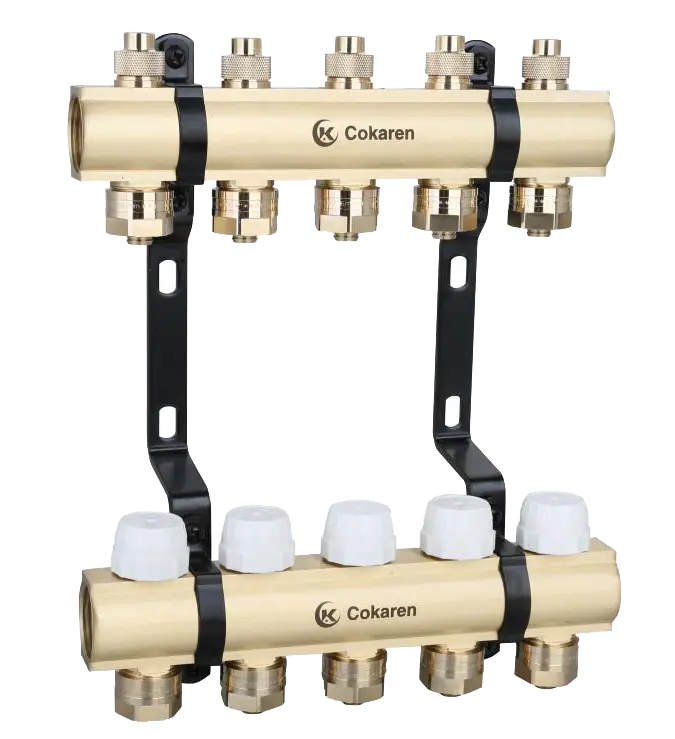
A multi-port distribution block that delivers thermal hydronic fluids to zoned environments. Balances flow across individual loops for uniform heating.

Our commitment to long-term reliability and environmental preservation is validated by our rigorous management systems. Yuhuan Yongda maintains internationally recognized certifications covering key operational aspects:
Additionally, our product lines carry certifications meeting the Pressure Equipment Directive (PED) and European CE parameters, assuring compliance with European safety standards for pressurized systems.
In high-pressure systems, fluid level regulators frequently experience intense hydraulic stresses, cavitation, and turbulent flow. The selection of materials, float leverage ratios, and physical configurations must align with specific operational metrics to prevent failure.
Cavitation occurs when fluid velocity increases locally within a valve, dropping the local pressure below the vapor pressure of the water. Vapor bubbles form and then collapse violently as the pressure recovers. This mechanical micro-implosion generates shock waves up to 1,000 MPa, which can erode standard brass seats over time.
Our engineering team counteracts this issue by designing valve ports that gradually diffuse the pressure drop. By utilizing precision-designed flow contours and high-hardness DZR brass or chrome finishes, our valves withstand cavitation erosion far longer than standard components.
Reliable valve sealing relies on the buoyancy force generated by the float ball. This force is determined by Archimedes' principle:
F_buoyancy = ρ_fluid * V_displaced * g
To seal a high-pressure line (e.g., PN16 or PN25 systems), the lever arm must multiply this force to overcome the line pressure acting on the valve orifice. We optimize this mechanism using calculated leverage profiles, adjusting the float ball diameter and lever length to ensure clean shut-off without system hammer.
For small to medium supply lines, single-seated valves offer simple, reliable performance. However, in larger mains (DN50 and higher), the water pressure acting on the valve plug can demand impractical float dimensions. In these scenarios, we supply balanced double-seated configurations, where the line pressure acts in opposing directions on two plugs, neutralizing the net force and enabling a compact float mechanism to control high volumes safely.
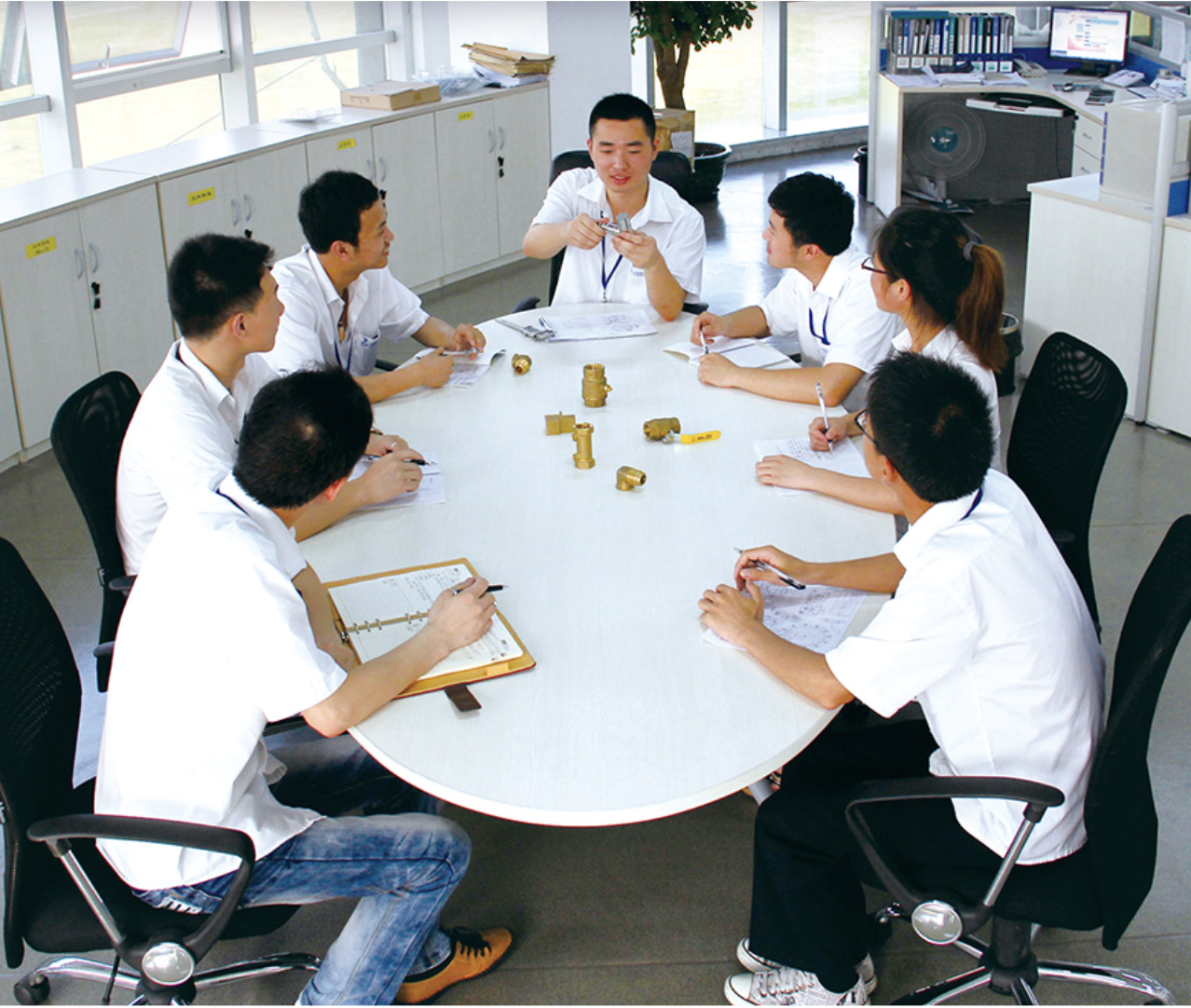
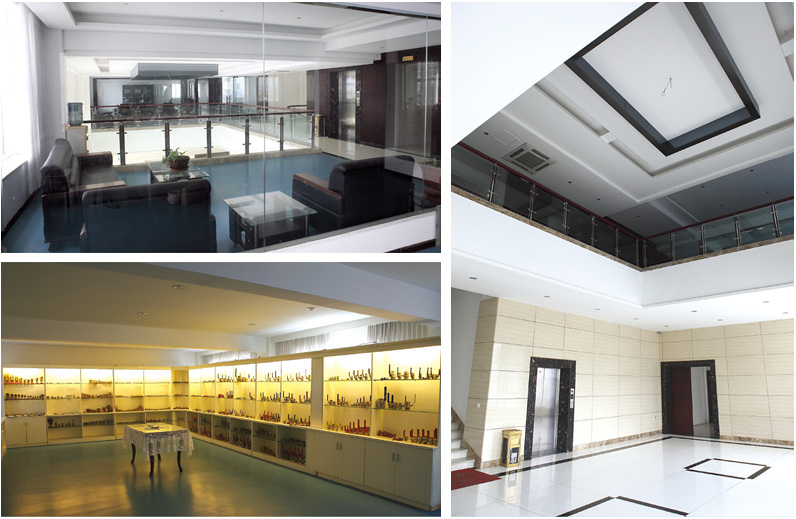
Take a look inside our 45,000 sqm production site in Yuhuan, which features dedicated forging workshops and automated assembly lines.
Get answers to common technical queries about ball float valves, material selections, and system optimization.
Explore more specialized plumbing and temperature control valves designed for distribution networks worldwide.
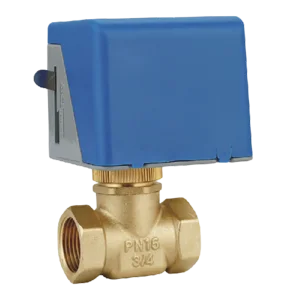
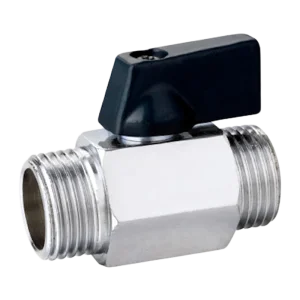
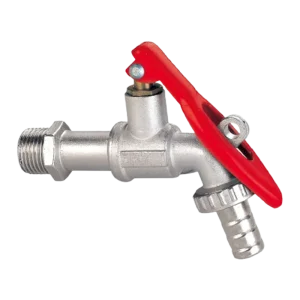
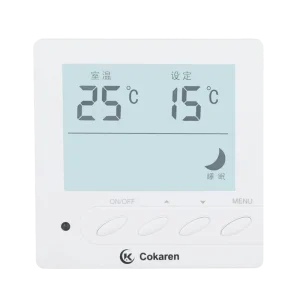
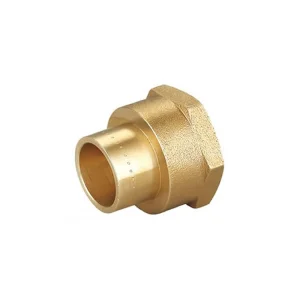
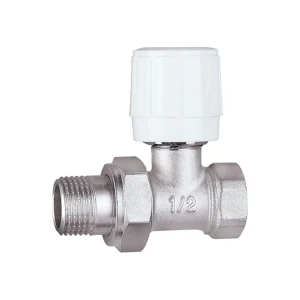
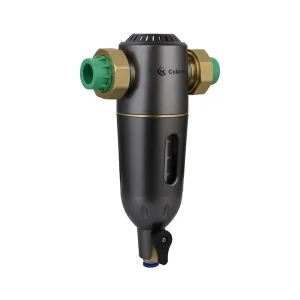
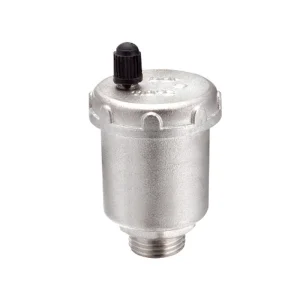
In addition to our featured lines, our factory manufactures a wide variety of specialized flow controls and connections designed to optimize water and heating distribution systems globally: