 Yongda
Yongda
Yongda
Discover our primary selection of heavy-duty brass and polymer control valves designed for plumbing, underfloor heating, and industrial utility applications.
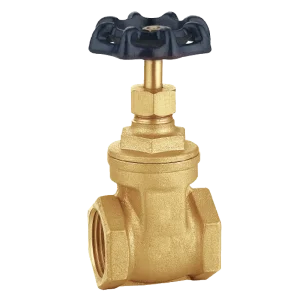
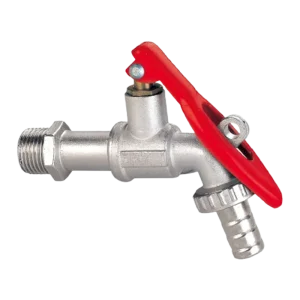
In the global arena of civil construction, municipal piping, and heavy industrial plant design, selecting high-performance flow control mechanisms is key to operational integrity and project longevity. PPR (Polypropylene Random Copolymer) ball valves represent a technological leap, combining structural polymers with robust internal brass configurations. Unlike traditional metal installations prone to calcification and corrosion, PPR valves are chemically inert, lightweight, and thermally stable.
The Core Value Driver: Global procurement teams face the complex task of finding a "cheap PPR ball valve factory" without compromising on critical performance metrics like pressure tolerances, material toxicity limits, or dimensional standards. Cost-effectiveness is not achieved through cheaper raw materials, but through advanced injection molding technologies, optimized brass-insert metallurgy, and automated quality testing protocols that reduce defect rates to zero.
At Yuhuan Yongda Fluid Control Co., Ltd. (formerly Yuhuan Yongda Plumbing Co., Ltd.), we specialize in bridging the gap between high-volume manufacturing economies and the stringent standards of North American and European markets. Operating from Yuhuan, Zhejiang—widely recognized as the "valve capital of China"—we deliver engineered polymer and brass products that serve municipal, agricultural, commercial, and domestic HVAC networks.
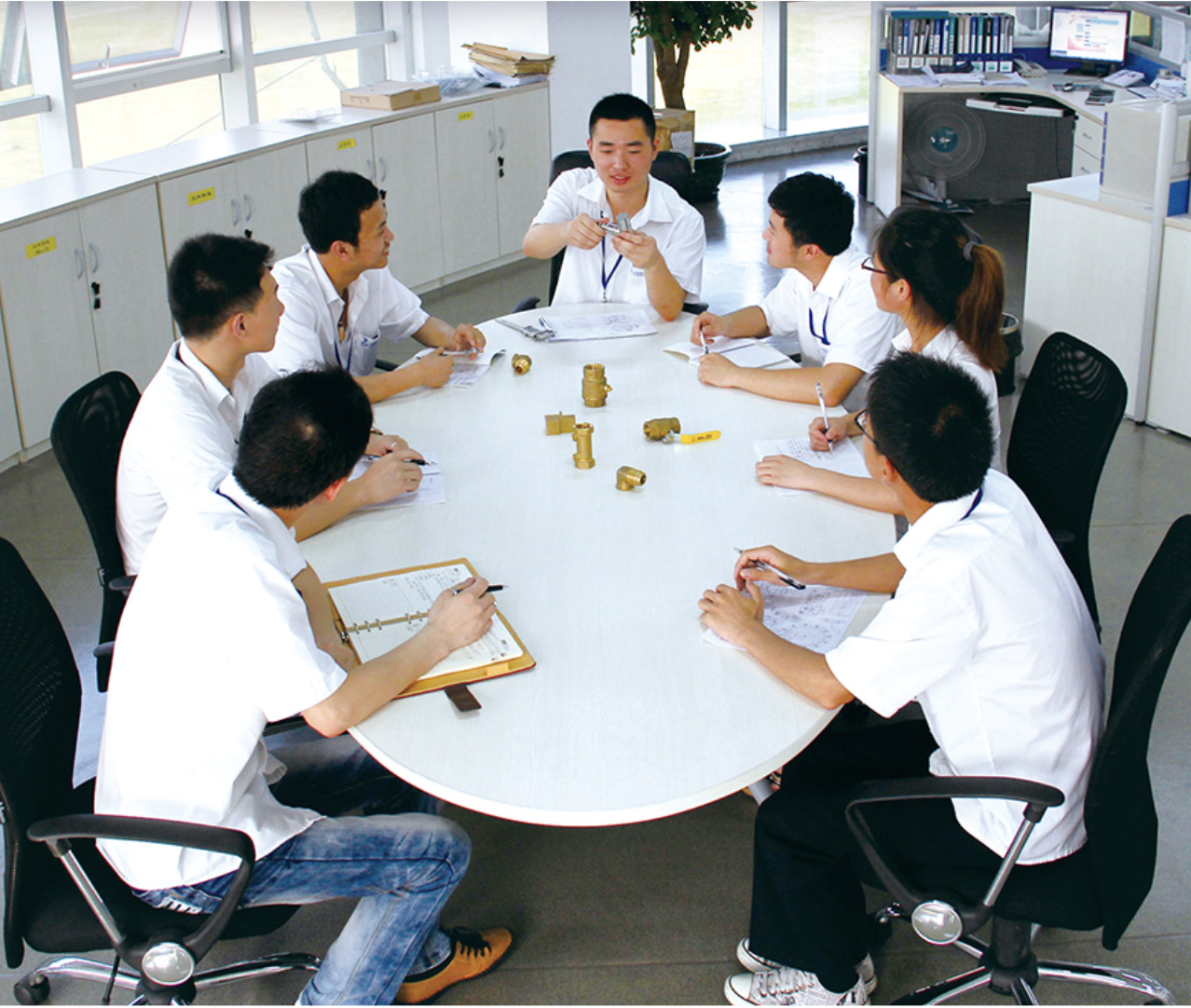
Founded in 1996, Yuhuan Yongda Fluid Control Co., Ltd. has spent nearly three decades refining its production processes to achieve high precision and capacity. Our industrial footprint covers a factory area of over 45,000 square meters, with an actual usable floor space exceeding 80,000 square meters.
To meet the diverse demands of international buyers, our facilities are equipped with more than 600 sets of advanced production and testing apparatus, including over 80 specialized heavy-duty machine tools. This mechanical setup allows us to execute precise cold-forging, CNC machining, injection molding, and automatic seal installations on a single, controlled production line.

Evaluating the performance of a PPR ball valve requires a look at its material construction. The body is formed from Polypropylene Random Copolymer (PPR Type 3), which exhibits excellent hoop stress resistance and structural elasticity. This allows the valve to withstand temperature fluctuations from 0°C up to 95°C under continuous operational pressures.
| Parameter / Feature | PPR Segment (Body & Sleeve) | Brass Insert Segment (Internal Core) |
|---|---|---|
| Base Material | Premium Polypropylene Random Copolymer (SDR 6 / SDR 7.4) | High-grade CW617N, HPb57-3, or Lead-free DZR Brass |
| Thermal Conductivity | ~0.24 W/mK (Exceptional heat retention) | High heat capacity for structural balance |
| Max Working Temp | 95°C (Long-term peak exposure) | 120°C (Unrestricted system flow limits) |
| Pressure Classification | PN10, PN16, PN20, PN25 | Up to PN40 (Core specific limit) |
| Corrosion Resistance | Inert to acidic/alkaline media (pH 1-14) | Dezincification resistant (DZR) with optional plating |
Our core operating standard, "Fine work, no leakage," drives our daily quality protocols. Every single PPR and brass valve undergoes pressure testing using calibrated pneumatic and hydrostatic systems. This helps ensure that the seal interfaces—made from premium PTFE with clean EPDM O-rings—remain intact even under pressure changes, preventing fluid migration behind the ball element.
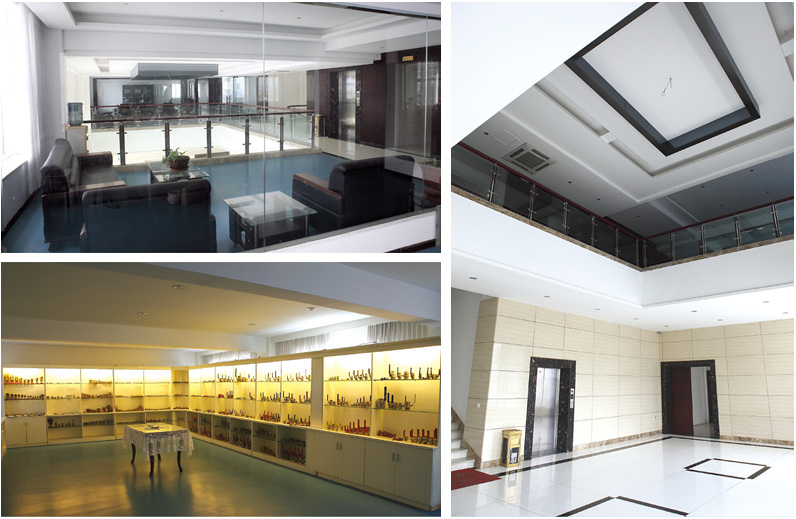
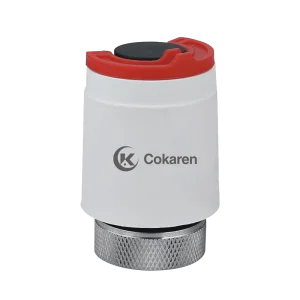
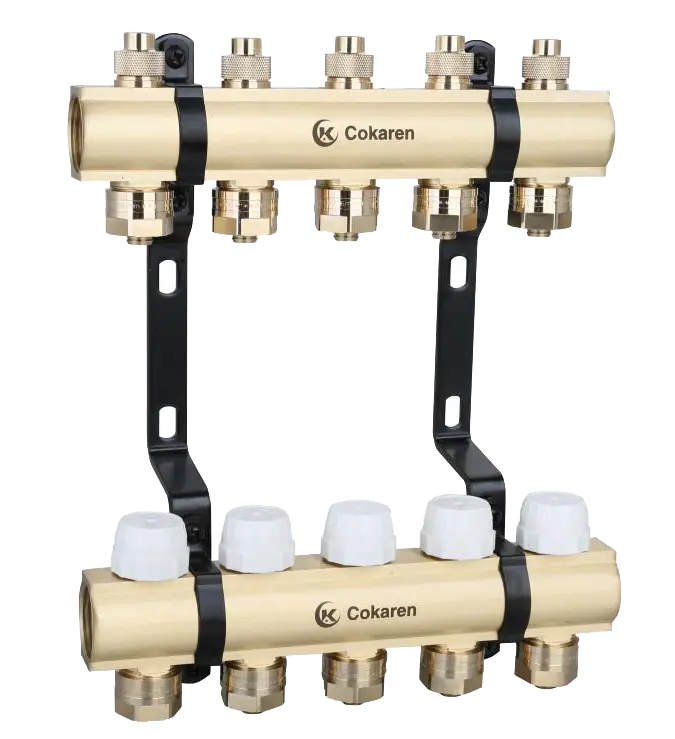
To meet growing market demands, Yuhuan Yongda launched the Cokaren brand. Focusing on refined aesthetics, tight manufacturing tolerances, and professional finish quality, Cokaren lives by the brand promise: "keep flowing, keep warming". This brand represents our commitment to modern home heating and high-efficiency commercial sanitary installations.
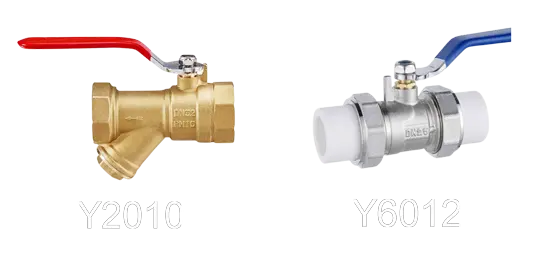
Modern commercial and residential structures require integrated heating and plumbing systems. A high-efficiency building relies on the coordinated performance of smart manifolds, filtration setups, air ventilation, and reliable ball valves. Below is an overview of our integrated water management and energy distribution systems:
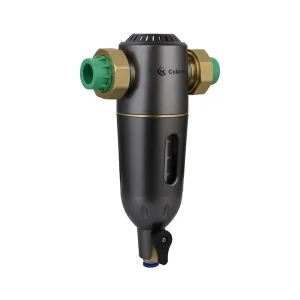
Serves as the primary defense line in domestic water sanitation, removing up to 98% of particulate impurities within the plumbing network before they reach downstream components.

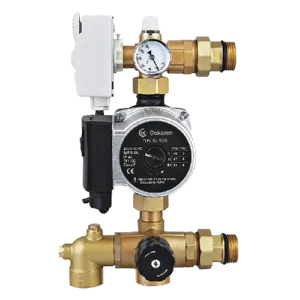
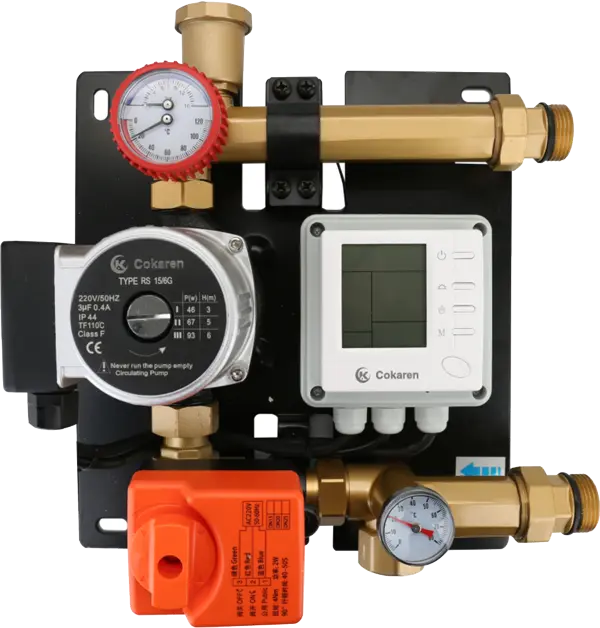
Designed to blend supply and return water flows, stabilizing temperatures to protect radiant floor piping from thermal stress and optimize energy usage.
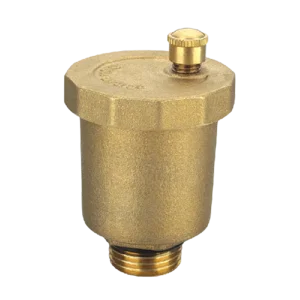
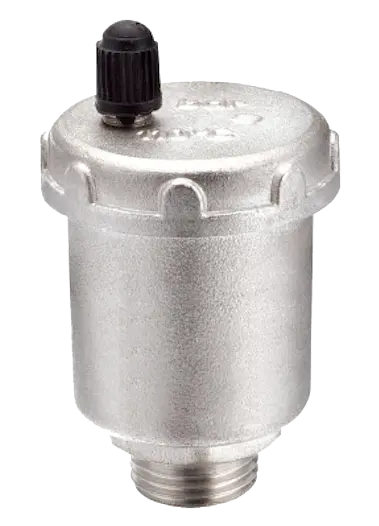
Automatically releases accumulated air pockets from heating loops and water heaters, preventing air locks and maintaining steady circulation.
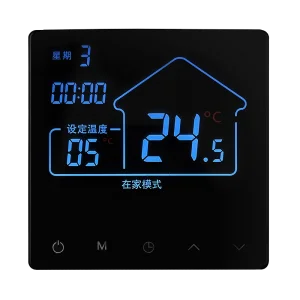
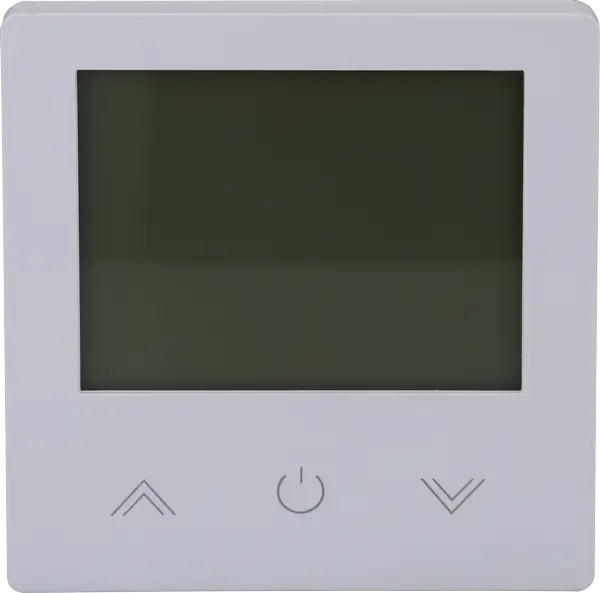
Acts as the control center, integrating radiant floor zones, boiler outputs, and valve actuators to keep room temperatures consistent.
This manifold distributes water flows evenly across radiant zones. Constructed from heavy-walled forged brass, it maintains hydraulic balance across all connected lines.
For B2B buyers and OEM managers, product consistency and supply chain reliability are critical. Operating from Yuhuan enables us to manage logistics efficiently. It provides access to local raw material suppliers, specialized surface treatment operations, and convenient transport routes to major Chinese shipping ports.
To support distribution in Europe, North America, and other global regions, we keep our certifications up to date. Our manufacturing lines meet international environmental, safety, and performance requirements:
The plumbing and HVAC industries are shifting toward materials that support energy efficiency and low environmental impact. PPR is highly recyclable and requires less energy to manufacture and transport than traditional metals. In response, Yuhuan Yongda is refining our designs to reduce carbon footprints across our product lines.

Our future roadmap focuses on integrating physical valves with smart monitoring systems. Key areas of development include:
Get detailed answers to common engineering, ordering, and material compatibility questions.
Browse our range of specialized industrial, municipal, and residential fluid fittings, designed for durability and easy installation.