 Yongda
Yongda
Yongda
Engineered for extreme performance and optimal safety across domestic HVAC loops and commercial plumbing manifolds.
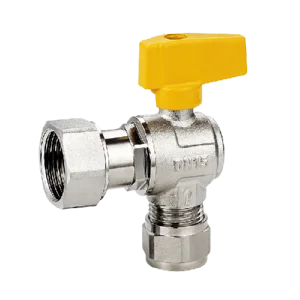
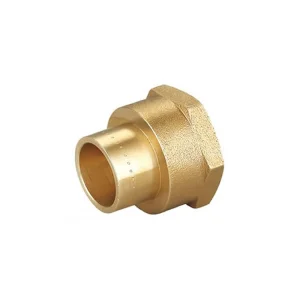
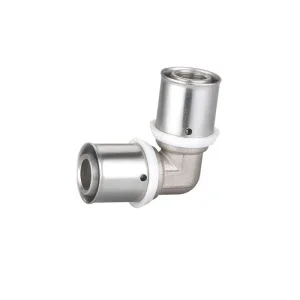
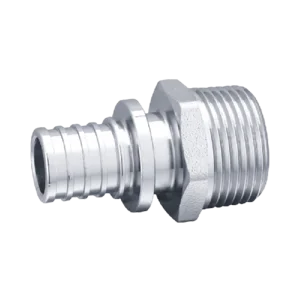
In modern high-pressure distribution systems, maintaining hydraulic equilibrium is not simply a matter of plumbing convenience—it is a critical requirement for structural integrity and operational efficiency. The term "cheap reducing valve" is frequently searched by procurement agents and mechanical contractors alike; however, from an engineering perspective, this search intent translates to a demand for the optimal balance of low upfront procurement costs and high reliability (low total lifecycle costs).
Pressure reducing valves (PRVs) act as the primary defense against pressure surges, water hammer, and cavitation, safeguarding sensitive downstream components such as boiler control systems, PEX pipelines, underfloor manifolds, and high-precision domestic appliances. A failure in regulation can lead to catastrophic pipe bursts, premature system wear, and substantial energy inefficiencies.
As a leading exporter based in Yuhuan, China—the globally recognized "Valve Capital"—we merge cost-efficient manufacturing clusters with rigorous E-E-A-T (Experience, Expertise, Authoritativeness, and Trustworthiness) standards. Our goal is to demystify the supply chain, ensuring that buying "cheap" does not mean compromising on metallurgy, precision tolerances, or certification compliance.

A Legacy of Industrial Excellence, Technical Mastery, and Global Sourcing Logistics
Founded in 1996 as Yuhuan Yongda Plumbing Co., Ltd., our organization has evolved into Yuhuan Yongda Fluid Control Co., Ltd., a powerhouse in the manufacturing and distribution of premium brass valves, copper fittings, and sophisticated HVAC components. Based in Yuhuan, Zhejiang, our enterprise spans a physical footprint of over 45,000 square meters, with an operational usable area reaching 80,000 square meters.
Equipped with a fleet of over 600 advanced production and testing units, including 80+ specialized multi-spindle machine tools, we engineer solutions designed specifically for the mid-to-high-grade plumbing sectors. Our focus centers on environmental protection, metallurgical purity, and precise pressure limits, earning us accolades in demanding markets across North America, Europe, and Asia.
Understanding the engineering mechanics, metallurgical formulations, and flow dynamics of modern PRVs.
Pressure reducing valves operate on two primary mechanical concepts: direct-acting piston configurations or flexible diaphragm assemblies. The choice of design significantly influences flow stability, response latency, and maintenance intervals.
| Parameter | Direct-Acting Forged Piston PRV | Diaphragm-Operated PRV |
|---|---|---|
| Mechanical Design | Relies on a solid brass piston sliding in a machined cylinder bore. Simple, compact, and highly rugged. | Employs an elastomer diaphragm separating the control chamber from the main fluid flow. |
| Response Characteristic | Immediate reaction to sudden downstream demand spikes; ideal for rapid-cycle equipment. | Damped, highly stable response; avoids hydraulic hunting and water hammer phenomena. |
| Cavitation Resistance | High. Designed to handle extreme pressure differentials (up to 10:1 ratio reductions safely). | Moderate. Severe pressure drops can induce localized steam pocket formation and erode the diaphragm. |
| Dirt & Debris Tolerance | Requires upstream filtration (such as a Y-strainer) to prevent particulate scoring on the piston seals. | More tolerant of fine mineral scale, though hard particles can pierce the elastomer membrane. |
| Primary Application | Boiler feed systems, direct tap inlets, high-temperature manifolds, space-constrained setups. | Municipal main entry lines, sensitive low-pressure laboratory loops, large HVAC mains. |
The reliability of a "cheap quote" reducing valve depends heavily on the grade of brass used. Standard brass alloys containing high percentages of zinc can suffer from dezincification in aggressive water environments, leaving behind a porous, structurally weak copper shell prone to pinhole leaks.
Yongda utilizes high-grade, lead-free, and dezincification-resistant (DZR) brass alloys such as CW617N, CW602N, and HPb59-1. By controlling the alpha-beta phase microstructure of the alloy and implementing rigorous heat treatment cycles, we ensure that our valves remain corrosion-resistant. This makes them ideal for potable water networks complying with NSF/ANSI 61 and NSF/ANSI 372 standards.
Comprehensive environmental fluid control components designed for optimal thermostatic efficiency.


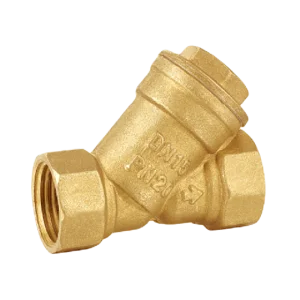
The first line of defense in domestic water sanitation, can filter 98% of impurities in the pipeline.
Explore Filters »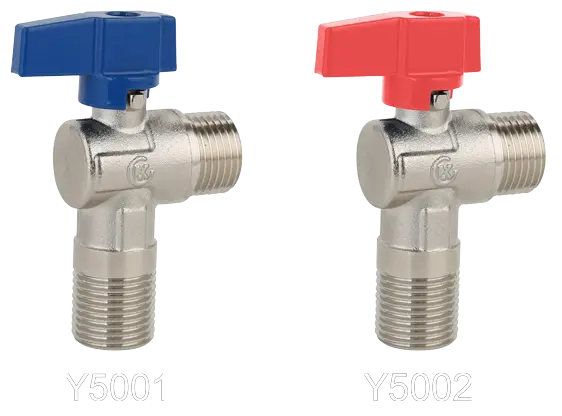
Used to control the inflow and outflow of cold water and hot water in the boiler, with Spherical spool.
Explore Boiler Valves »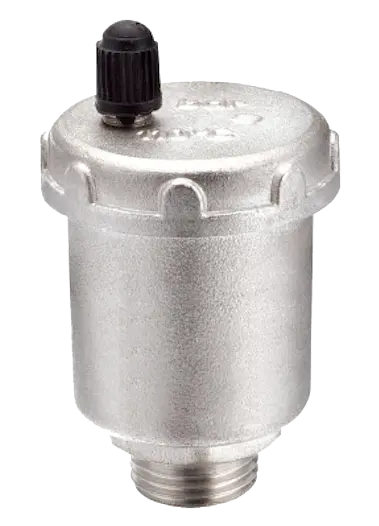
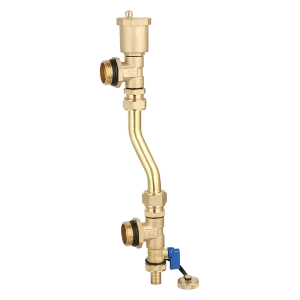
Used to discharge excess air in the air source water heater to ensure stable operation of the equipment.
Explore Venting »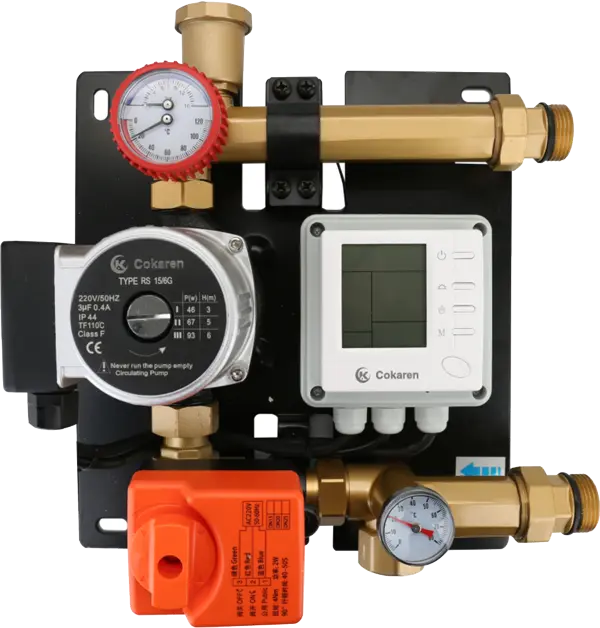
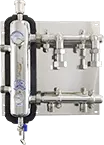
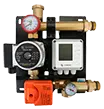
Used to mix cold and hot water in pipes, stabilizing temperature and protecting the pipeline.
Explore Mixing Shunts »
Combines all the equipment to adjust the room temperature.
Explore Thermostats »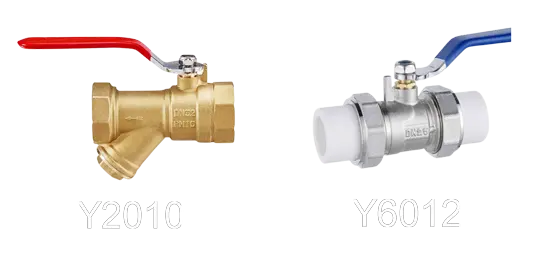
Used to filter and discharge impurities in the pipeline, control the switch of the back-end manifold, and measure temperature/water pressure.
Explore HVAC Valves »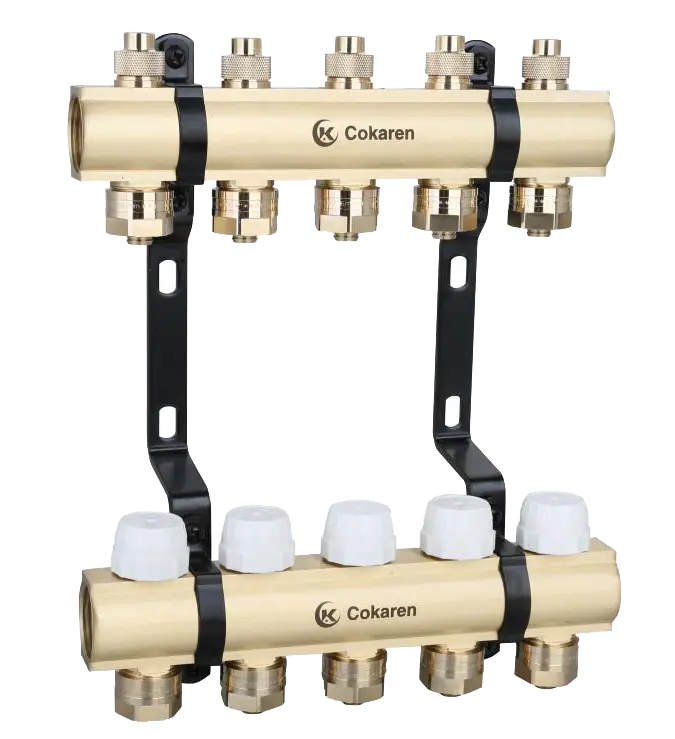
Distribute water flow to various rooms. Combine all the equipment to adjust the room temperature.
Explore Manifolds »Cokaren Brand Promise: "keep flowing, keep warming" – refining aesthetics and mechanical stability.
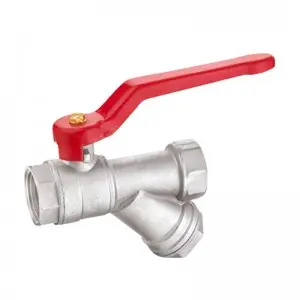
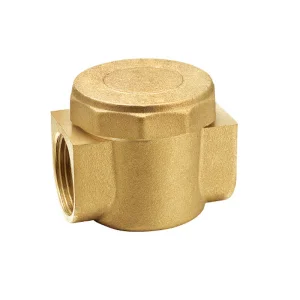
Description: One of the outstanding features combining shut-off functionality with particle filtration in a compact body.
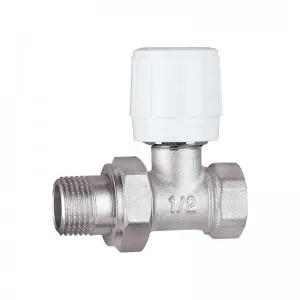
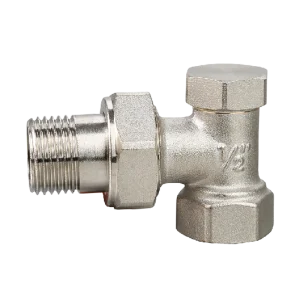
Description: Manual & Thermostatic Temperature Control Accessories built for standard radiator installations.
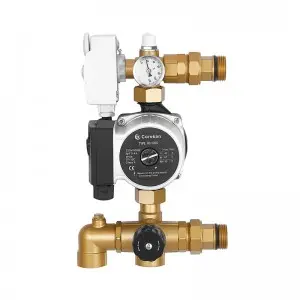
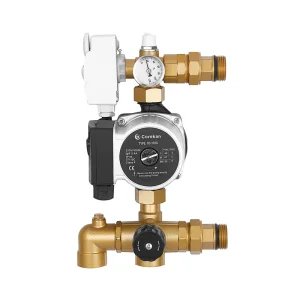
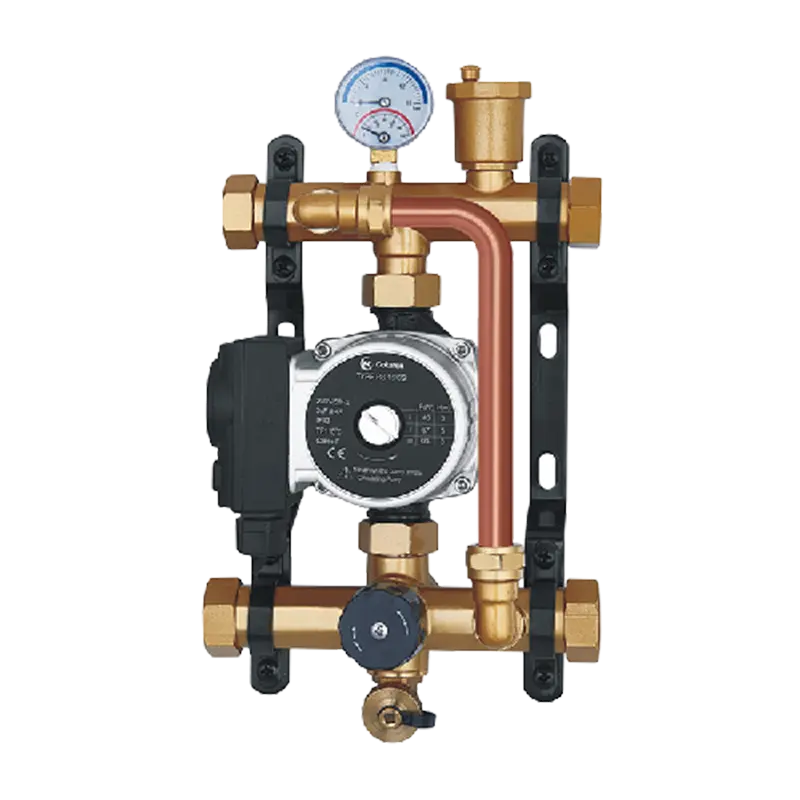
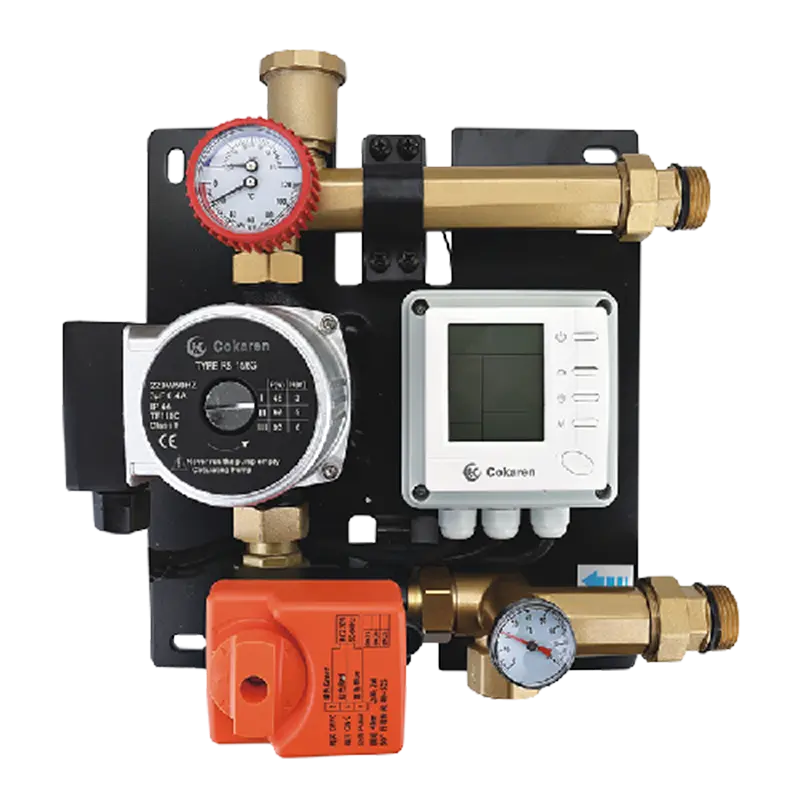
Working Principle: Thermostatically blends returns with primary inputs to stabilize circulation temperatures.
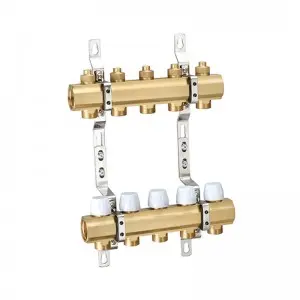
Description: Solid brass distribution manifolds designed to handle multiple micro-zones under tight pressure controls.
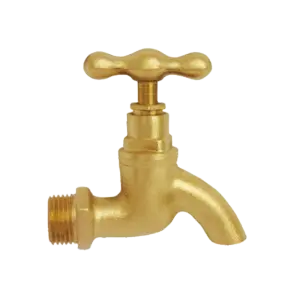
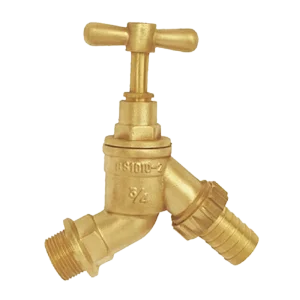
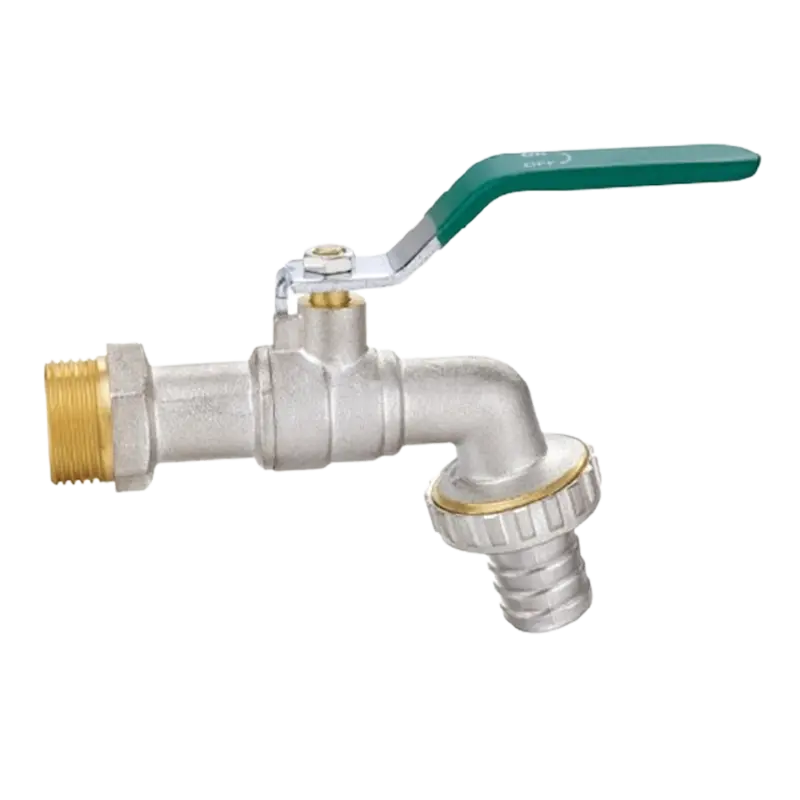
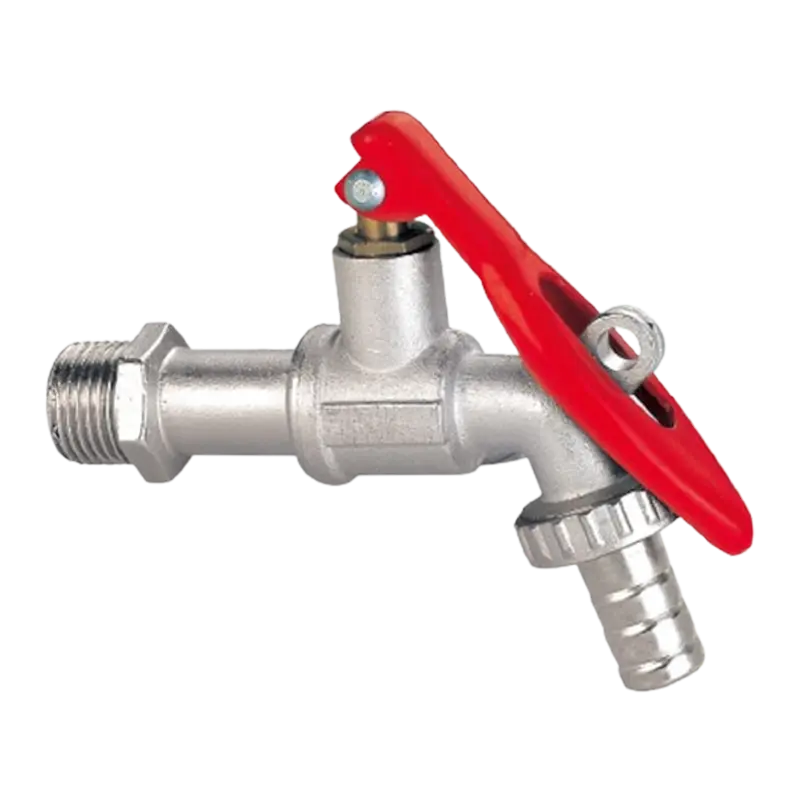
Description: Cokaren brand premium brass bibcocks engineered for exterior freeze and thaw environments.
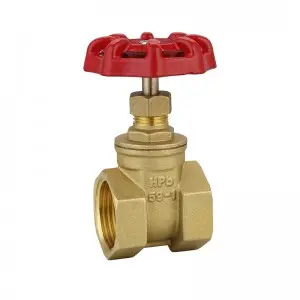
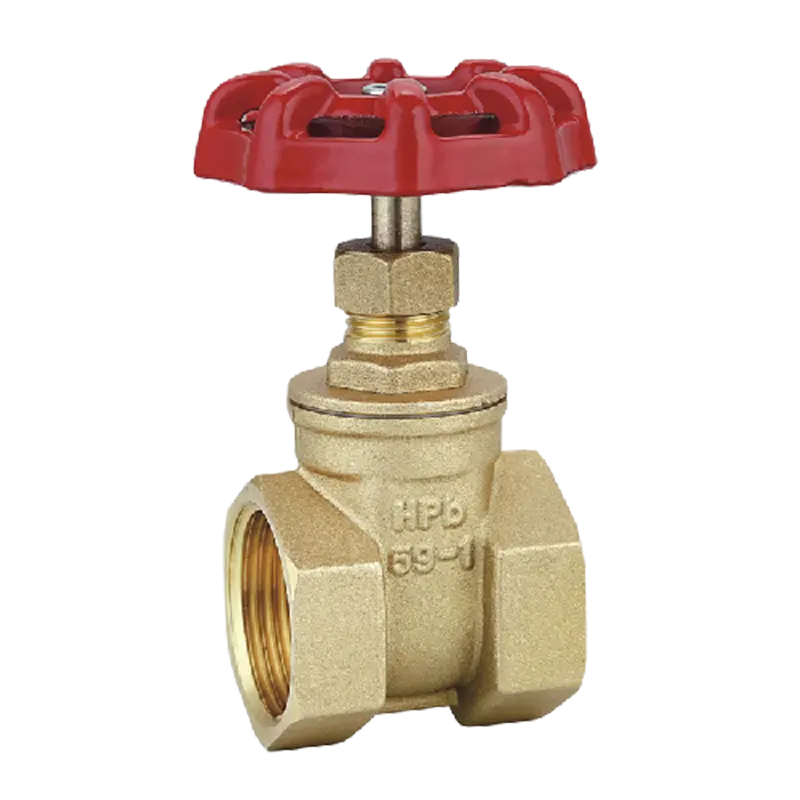
Description: Female thread brass gate valves with heavy-duty cast iron handwheels for isolation zones.
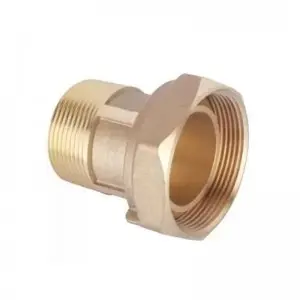
Description: Machined brass connector sets for municipal billing meters, featuring durable rubber seal washers.
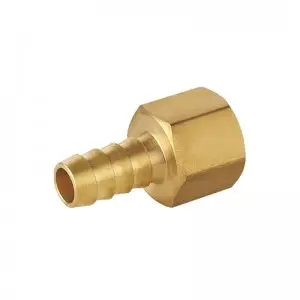
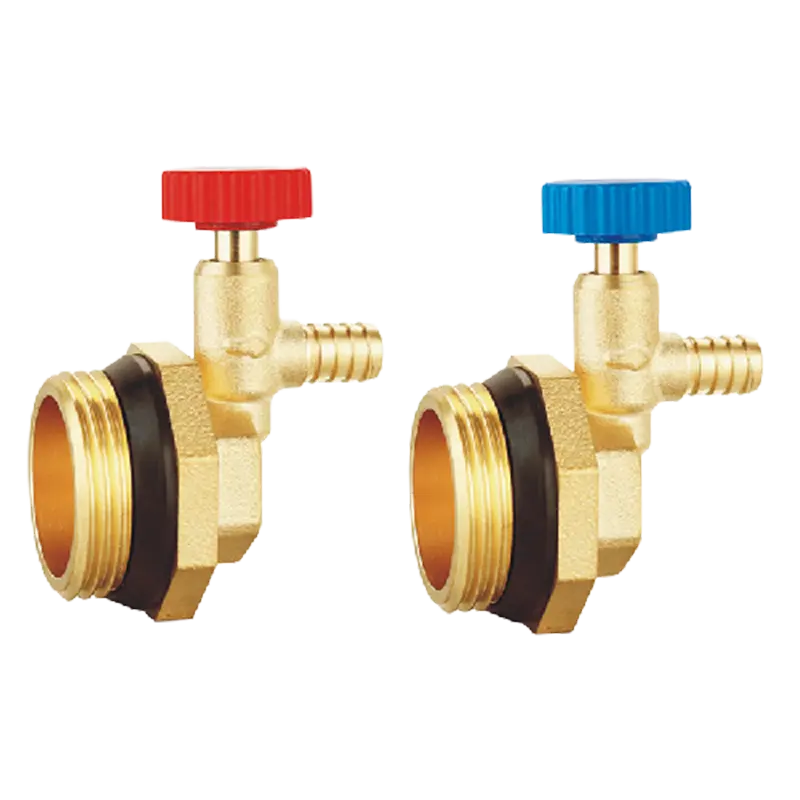
Description: Robust barbed pipe adaptors offering tight physical friction seals for heavy rubber hoses.
How our components adapt to varying municipal, hydronic, and mechanical regulatory landscapes.
In American residential plumbing, strict standards require compliance with lead-free regulations. Our lead-free brass adapters, PEX compression fittings, and pressure reducing valves are designed with NPT (National Pipe Thread) configurations to integrate with local hydronic equipment and boiler loops.
In European cities, large-scale district heating networks supply high-temperature water to individual multi-unit housing systems. Under these conditions, pressure fluctuations are common. The Yongda Y5020 Mixing Shunt and Y2010/Y6012 HVAC Valves help stabilize pressure differentials and optimize heat transfer across radiator arrays.
High municipal mains pressures can cause premature failures in residential systems. Installing a piston-style pressure reducing valve at the main entry point keeps downstream pressures within a safe 3.0 to 4.5 bar range. This reduces wear on faucets, filters, and thermostatic mixers, while saving water.
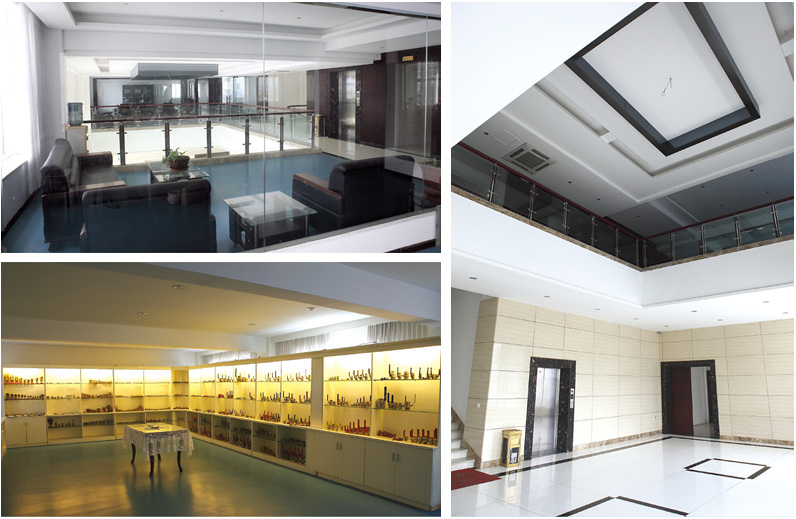
Purchasing agents often seek "cheap quotes" but risk receiving low-quality, cast-zinc components with weak wall structures. Yuhuan's supply chain offers a reliable alternative, combining cost efficiency with high-quality engineering.
In response to rising global energy costs and carbon reduction goals, fluid control networks are transitioning from mechanical regulation to active, smart hydronic balancing. Our R&D division is focused on integrating IoT sensors and thermostatic actuators directly into our brass valve manifolds.
Future iterations of our pressure reducing valves will feature wireless telemetry modules. These sensors will monitor pressure drops, flow rates, and fluid temperatures in real-time, transmitting the data to centralized building management systems (BMS). This allows for predictive maintenance, alerting operators to scale buildup or diaphragm wear before system failure occurs.
We are committed to helping municipal plumbing and regional HVAC systems transition to smarter, more efficient operations.

Technical insights and answers for mechanical engineers, sourcing directors, and HVAC specialists.
Water hammer occurs when a fluid in motion is forced to stop suddenly (e.g., when a fast-acting valve closes), generating high-pressure shockwaves. A pressure reducing valve (PRV) acts as a mechanical shock absorber. Its spring-loaded mechanism reacts to pressure spikes, dampening the kinetic energy of the water column and regulating the pressure to protect downstream pipes.
Standard brass contains zinc, which can leach out in certain water conditions (low pH, high chlorine). This dezincification weakens the alloy, leading to structural failures and leaks. DZR brass is formulated with specialized inhibitors and heat-treated to lock the copper-zinc crystal structure, preventing zinc loss and ensuring compliance with drinking water safety standards.
Sizing should not be based solely on pipe diameter. Instead, it must be calculated using the flow coefficient (Cv or Kv), which relates flow rate (Q) to the pressure drop across the valve (ΔP) and the specific gravity (G) of the fluid: Cv = Q * √(G / ΔP). Oversizing a valve can cause "wiredrawing" (seat erosion) as the valve operates too close to its closed position.
High-rise buildings require staged pressure reduction to prevent excessive pressures on lower floors. Typically, the system is split into zones (e.g., every 5-8 floors) with dedicated PRVs reducing pressure in stages. Master valves at the main riser reduce incoming pressure to a baseline level, while secondary valves at individual floor branch connections provide final adjustment.
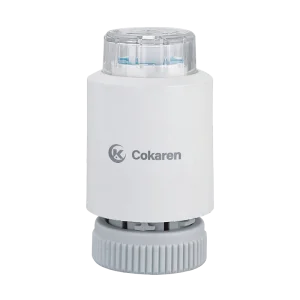
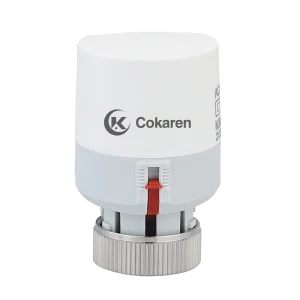
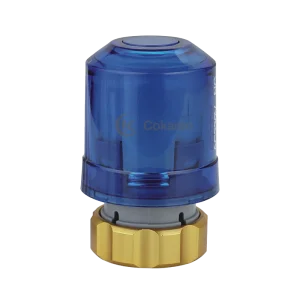
Thermal actuators receive electronic signals from room thermostats. When heating is needed, a wax element inside the actuator expands, pushing the valve stem down to open or close the flow. This dynamic, zone-by-zone adjustment prevents overheating, balances the system, and reduces energy consumption.
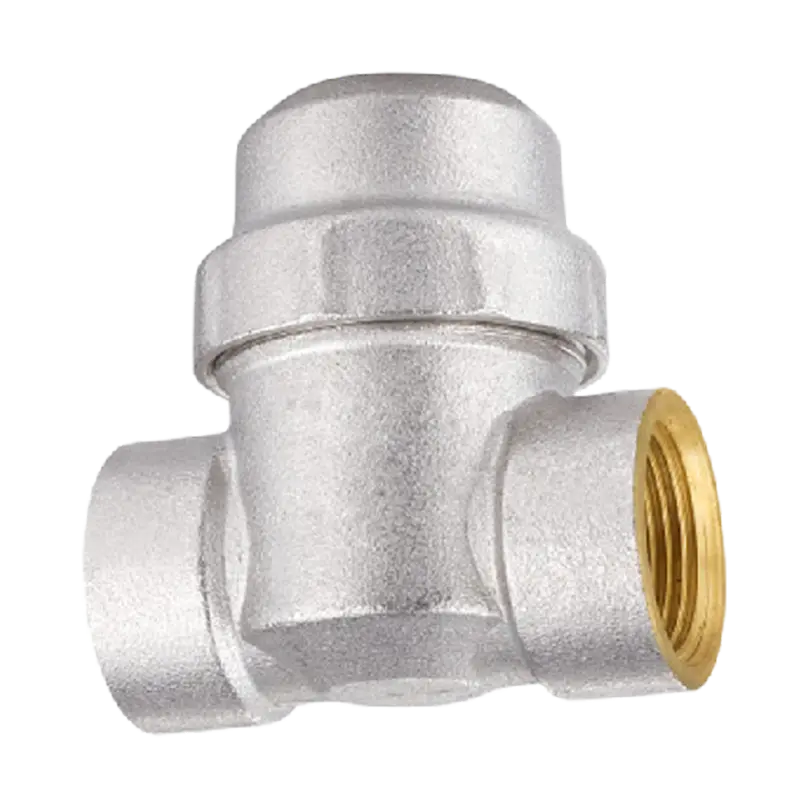
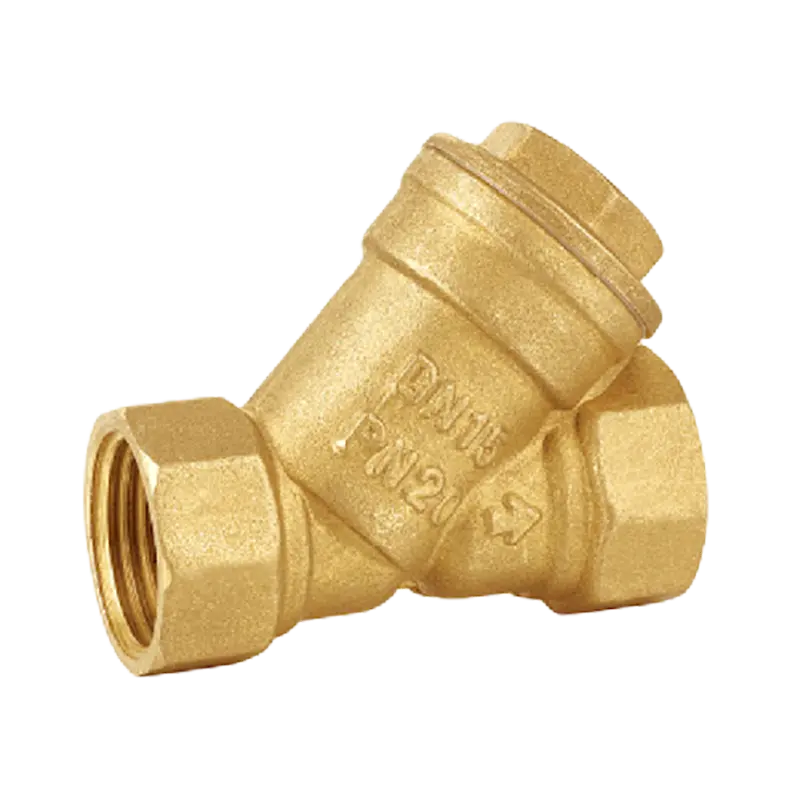
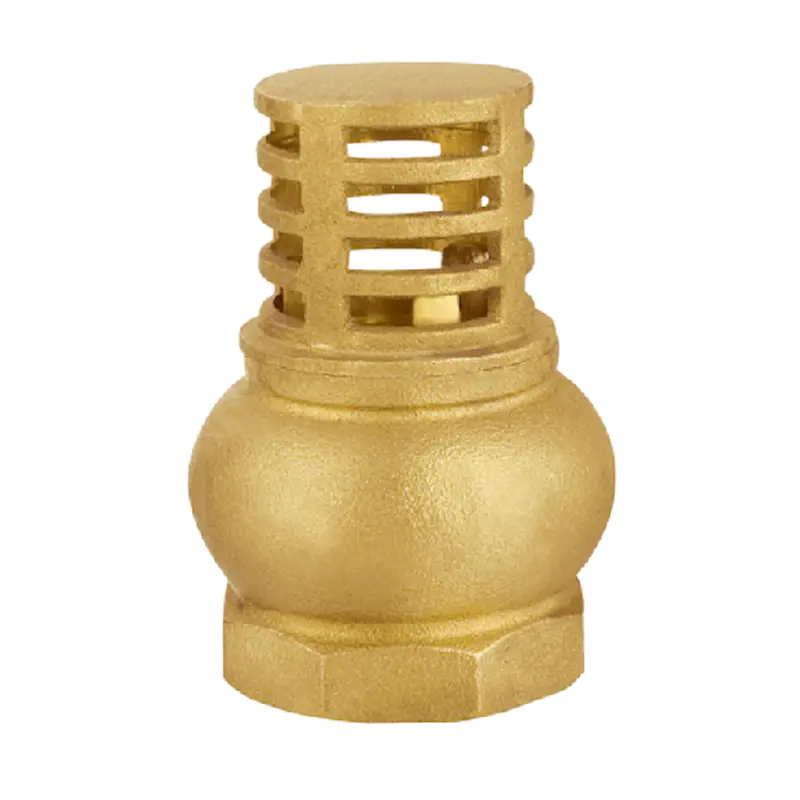
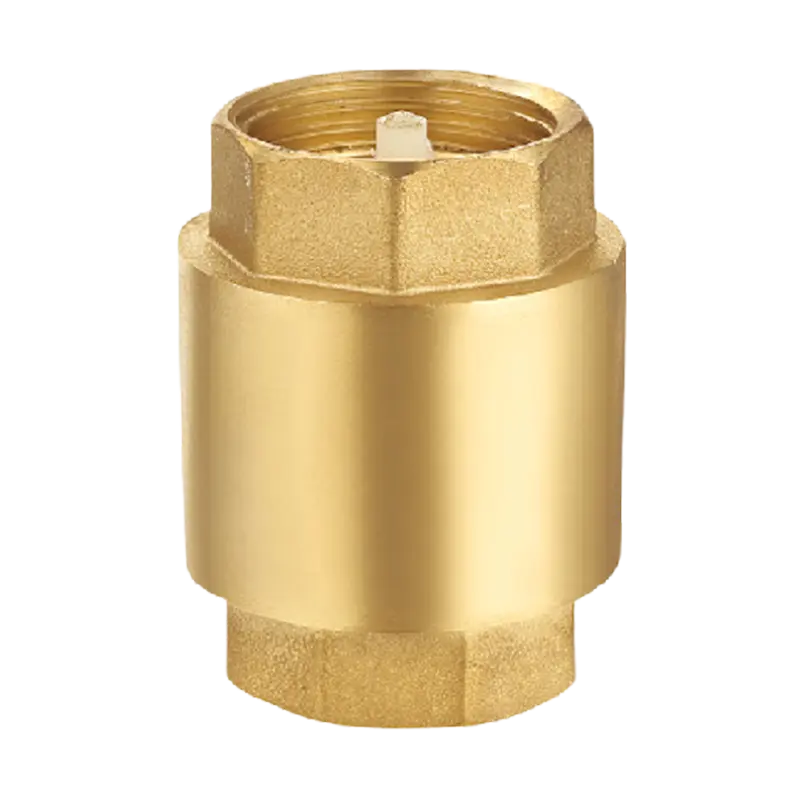
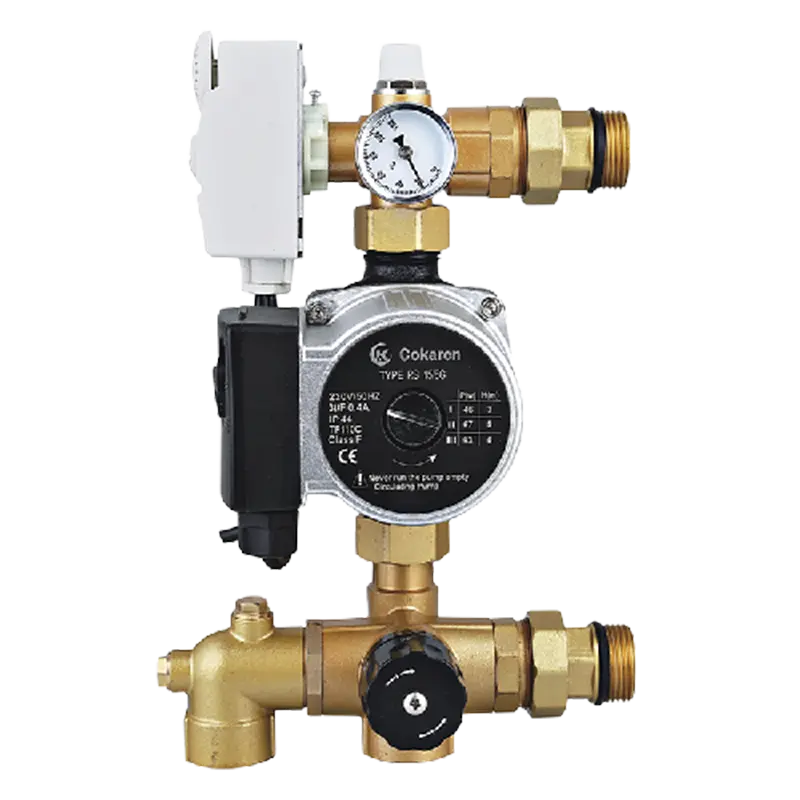
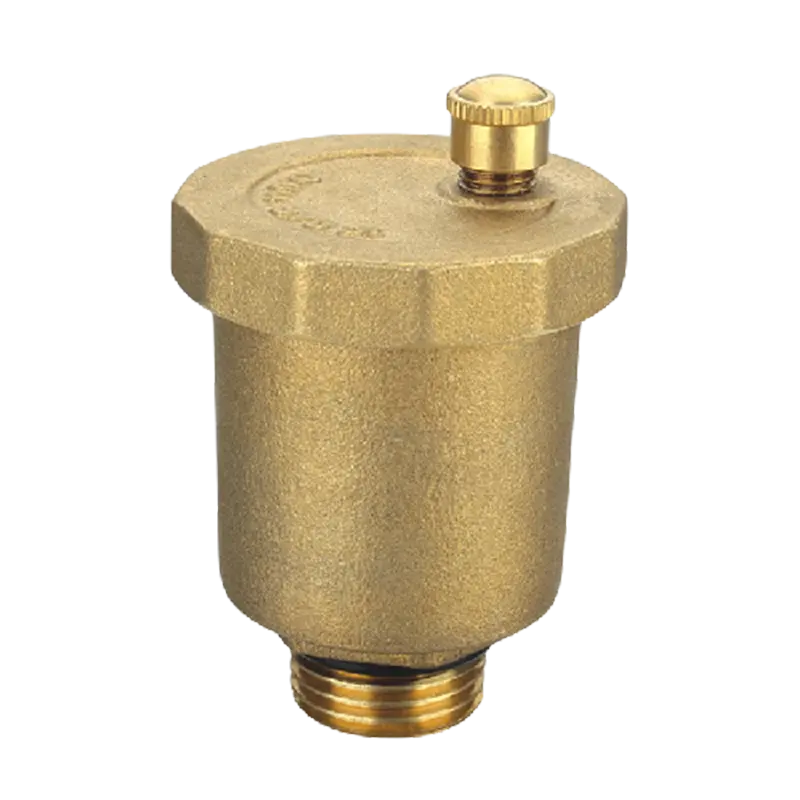
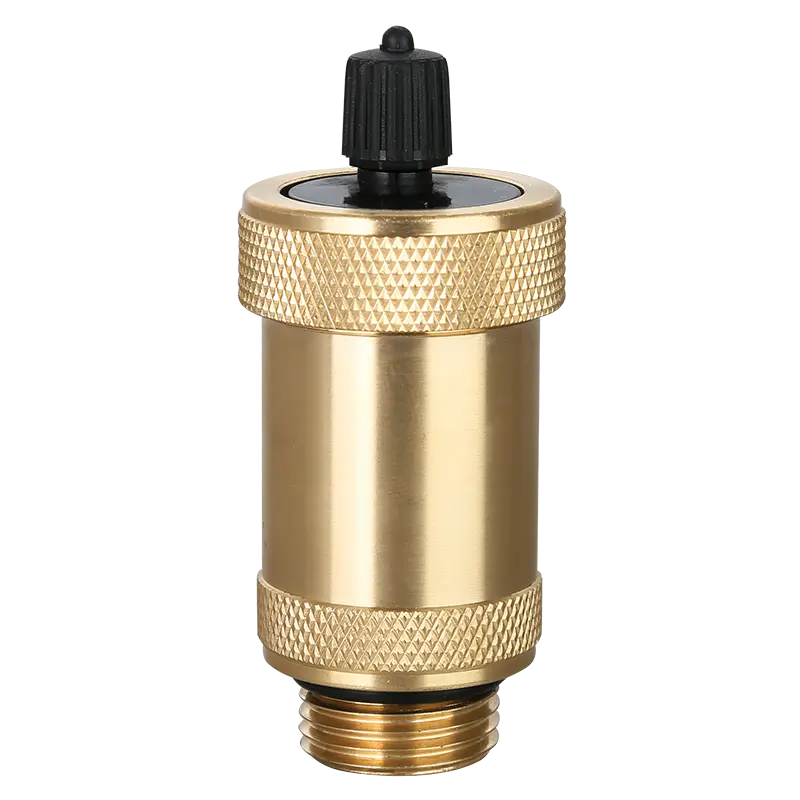
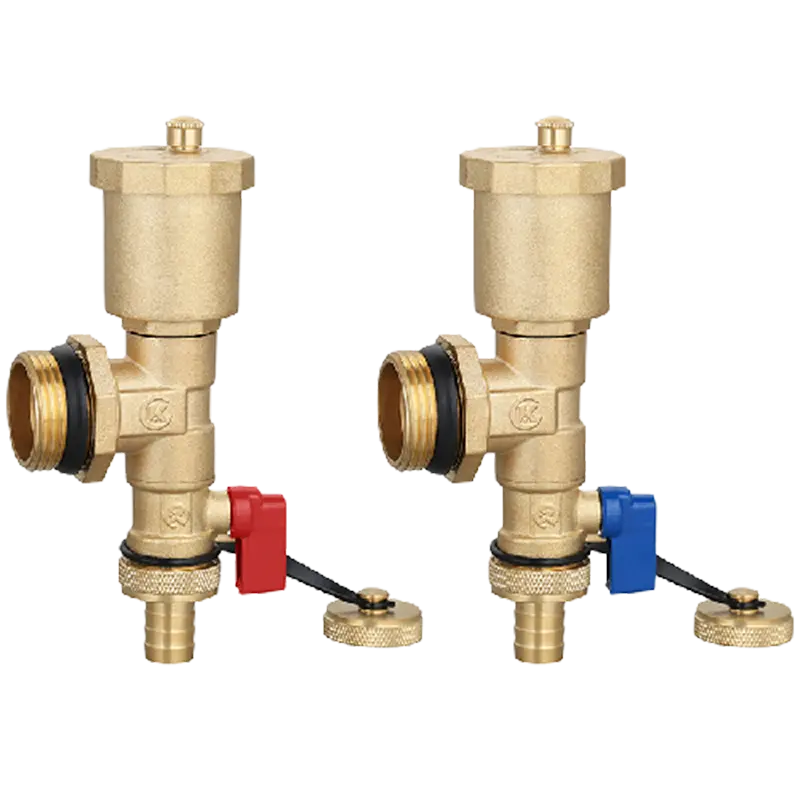
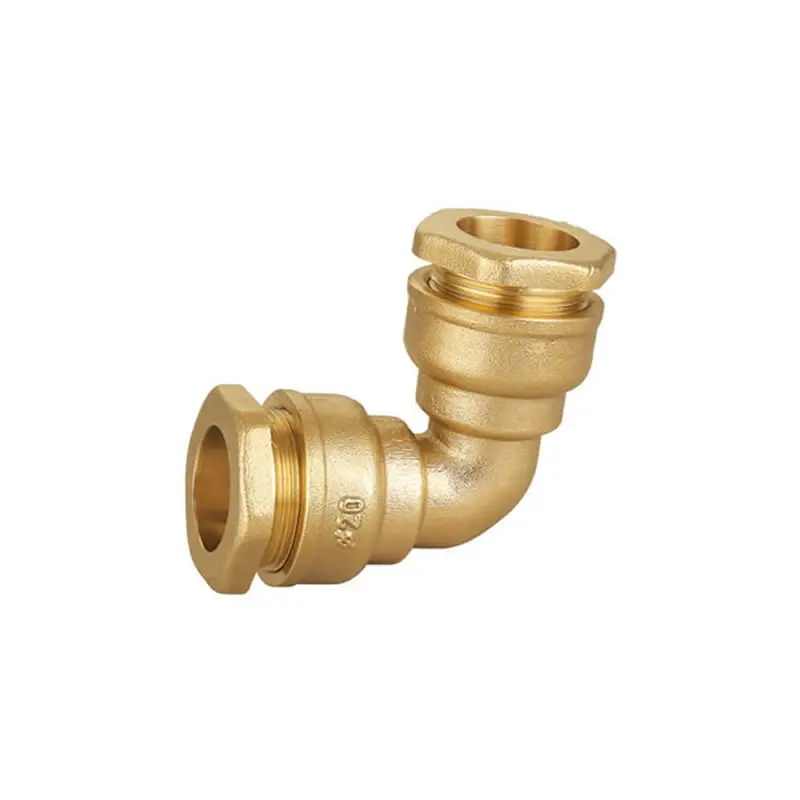
Technical drawings and production views of our certified brass valves.
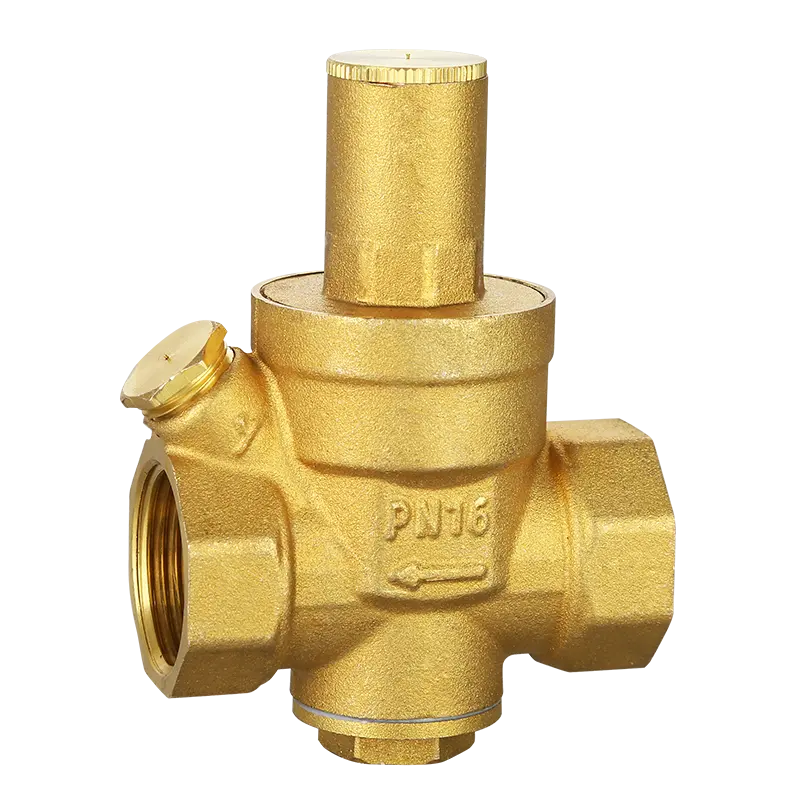
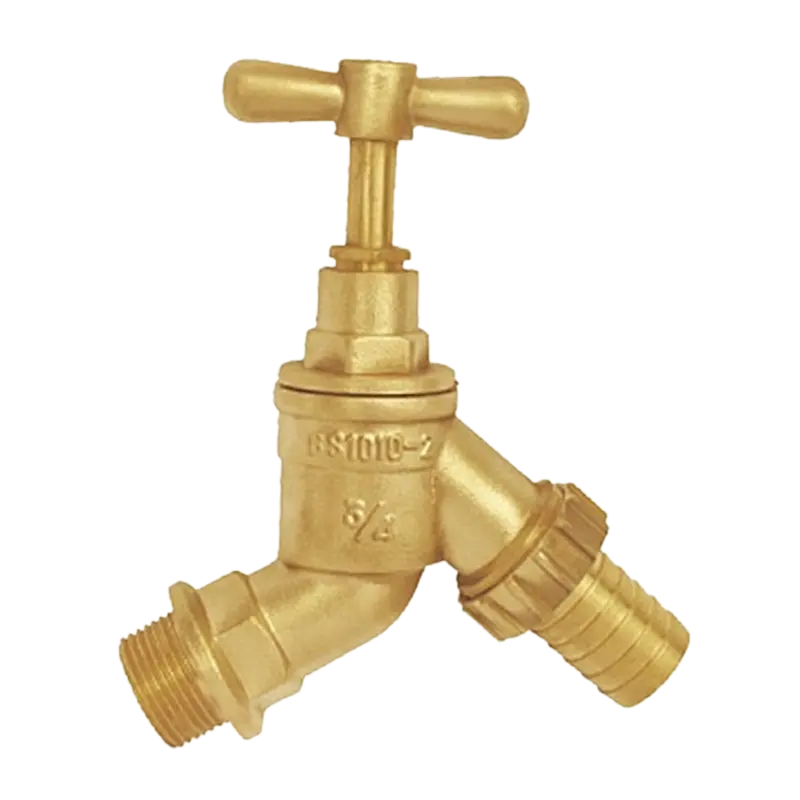
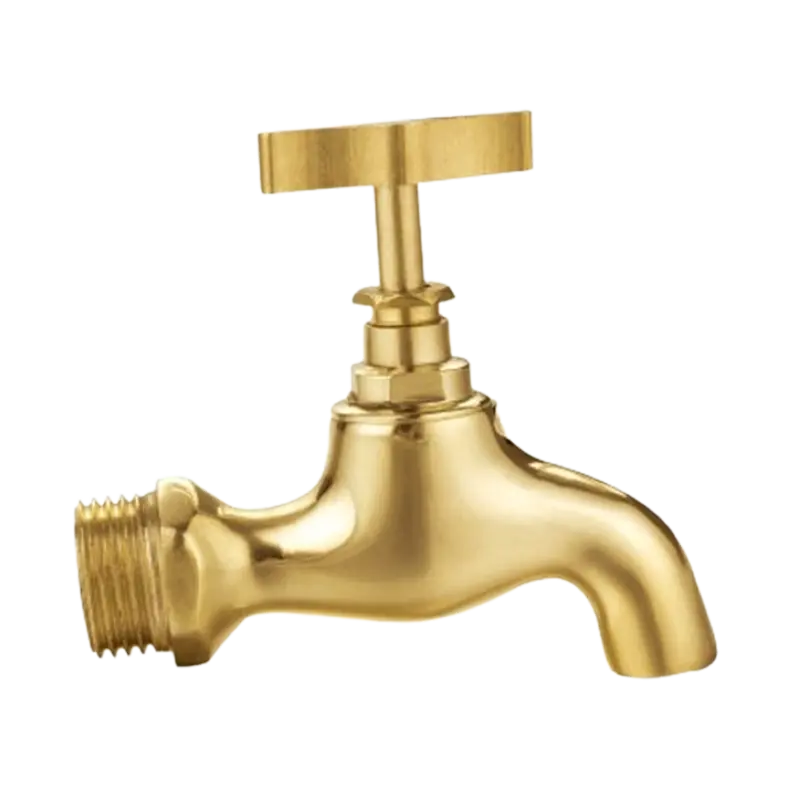
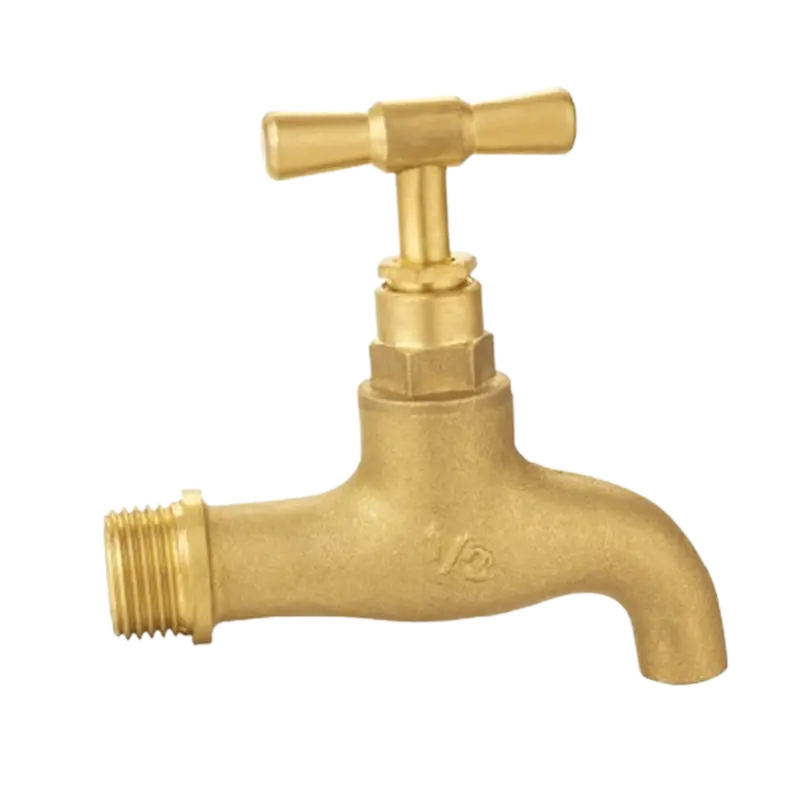
Yongda Fluid Control is certified to global management systems, reflecting our commitment to environmental compliance and worker safety.
Our quality policy of "Fine work, no leakage" ensures each component is engineered for reliability, safety, and stable pressure control.
High-precision zone balancing and thermodynamic actuators from our Zhejiang manufacturing hub.