1 / 3
 Yongda
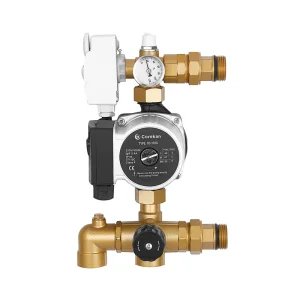
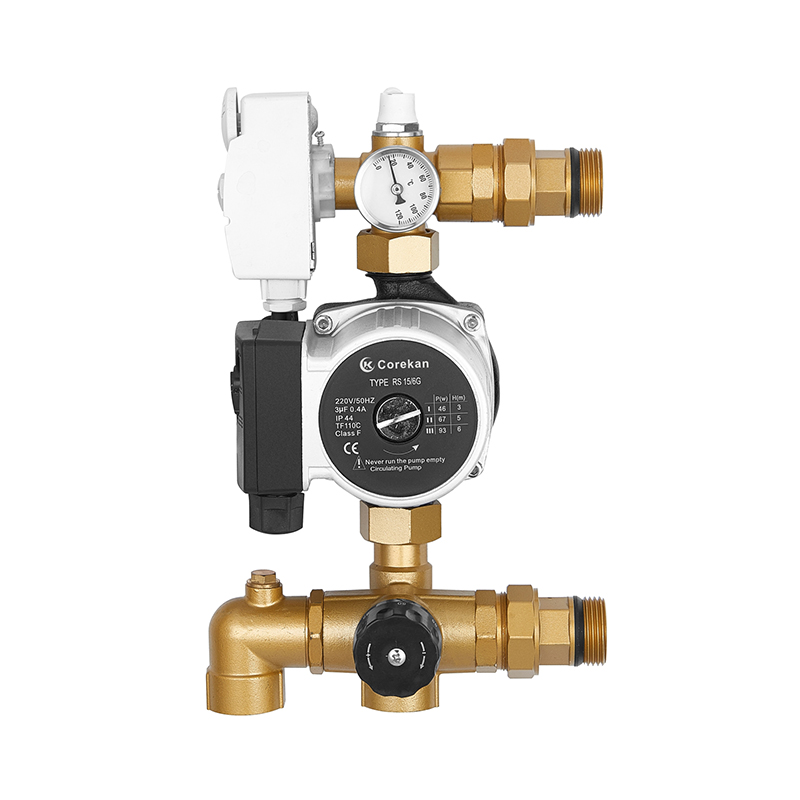
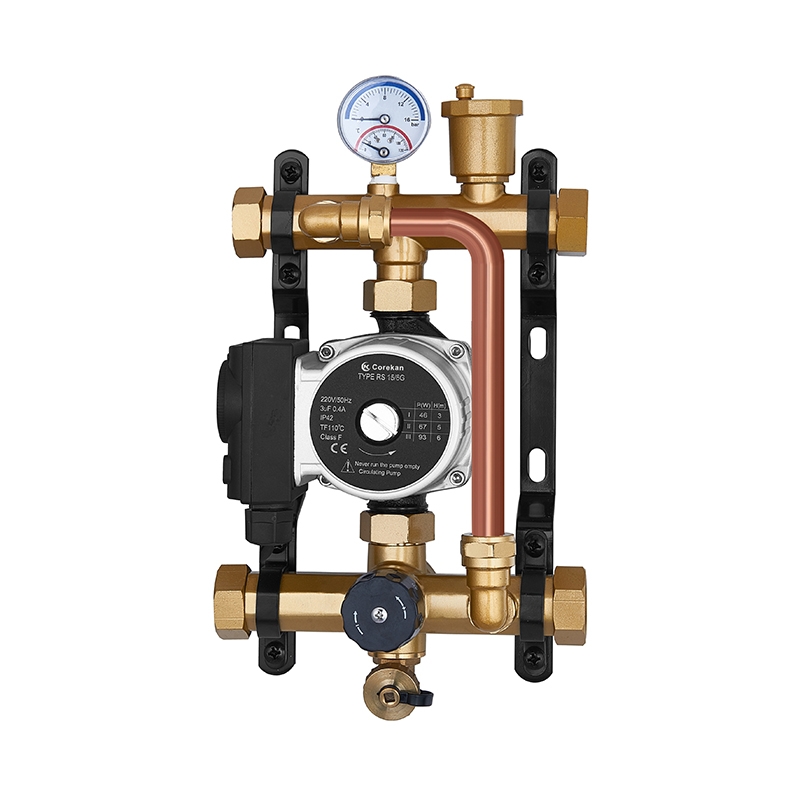
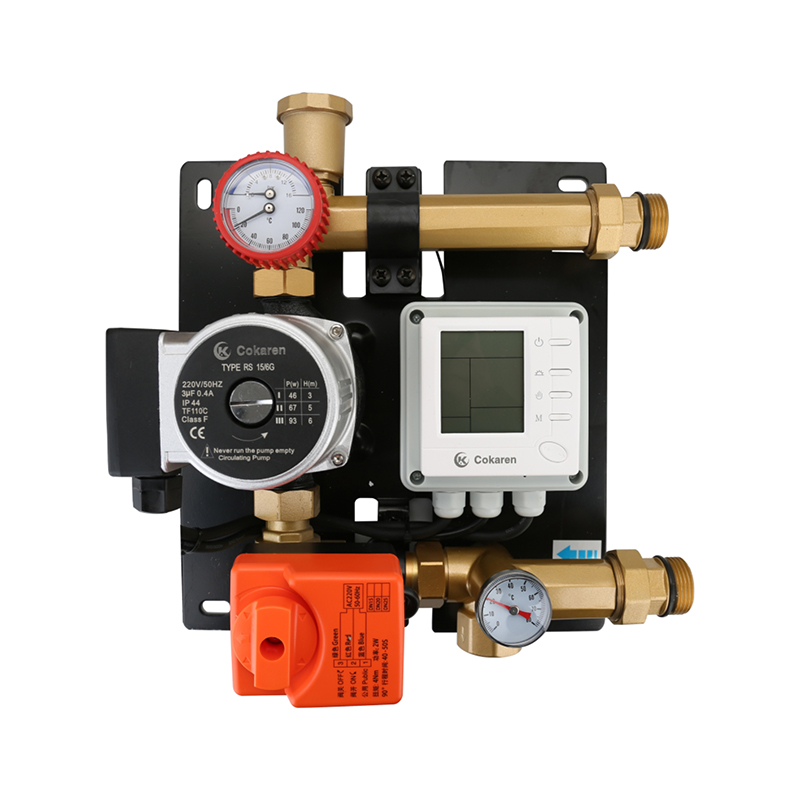
The thermostatic mixing valve (primary) is mixed with the floor heating low-temperature return water (secondary), so that the outlet water temperature is kept at the set temperature value.
The setup temperature will not be affected by hot water temperature, water consumption, and water pressure. No external power is required.
By controlling the water temperature, the heat dissipation of floor heating can be effectively controlled to provide a more comfortable, energy-saving, and healthy thermal environment experience.
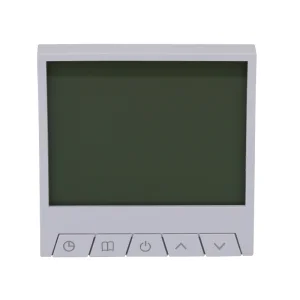
It is recommended to set the temperature of the thermostat at 30°C. When the heating stops or the heating water temperature is lower than 30°C, the water pump will stop running to protect the water pump.
Ensure floor heating temperature by mixing hot water and cold water to avoid excessive water temperature affecting the service life of pipes, discoloration of wooden floors, etc.
A controlled, slowly increasing in water temperature can avoid deformation and cracking of wooden floors caused by excessive.
If a mixing shunt is not used, fluctuations in water temperature will cause pipe fittings to expand and contract when exposed to heat and contract, creep, reduce the service life of floor heating pipes, and increase the possibility of leakage from piping manifold fittings and pipe fittings.
A: The thermostatic mixing valve blends the hot water from the primary source with the low-temperature return water from the secondary system. This ensures the output water remains at a stable, set temperature regardless of variations in hot water supply, pressure, or usage.
A: No, the thermostatic mixing valve operates mechanically and requires no external power source to function.
A: It is recommended to set the thermostat at 30°C. If heating is deactivated or the water temperature falls below 30°C, the water pump automatically shuts off to protect itself from potential damage.
A: Maintaining a slow, controlled rise in water temperature avoids extreme thermal shocks. This prevents wooden floors from discoloring, deforming, or cracking, which typically happens when exposed to excessive heat.
A: Without a mixing shunt, sharp fluctuations in water temperature cause floor heating pipes to expand, contract, and creep. Over time, this decreases the lifespan of the piping and increases the risk of leaks at the manifold and joints.