 Yongda
Yongda
Yongda
Engineered for extreme performance, precise flow metrics, and sustained supply chain efficiency in modern HVAC/R systems.
Yuhuan Yongda Fluid Control Co., Ltd. (formerly Yuhuan Yongda Plumbing Co., Ltd.) was established in 1996 and is strategically located in Yuhuan, Zhejiang—widely recognized as the "China Valve Capital." As a pioneer in the hydronic manufacturing landscape, the company seamlessly integrates research and development, custom design engineering, testing validation, and high-precision sales operations.
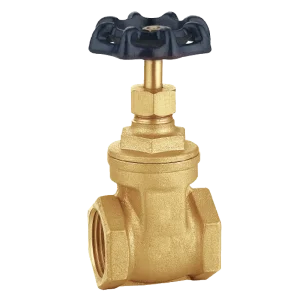
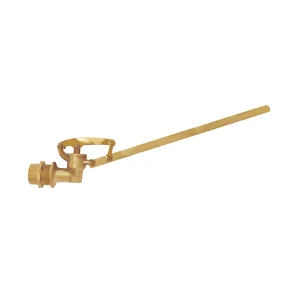
Our core product matrix is strategically categorized into three main pillars: premium brass valves, customizable fluid fittings, and advanced HVAC distribution products. Positioned as high-tier solutions, these components exhibit superior corrosion resistance and optimized mechanical performance, meeting the strict requirements of North American and European standard associations.
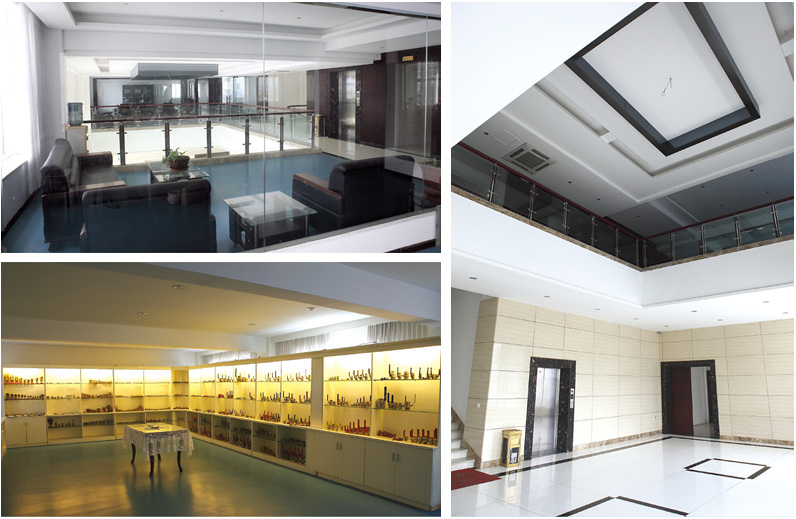
To further scale operations and satisfy demanding global supply contracts, the company operates from a sprawling 45,000 square meter factory structure with a usable internal facility space exceeding 80,000 square meters. Anchored by advanced metallurgy processes and high-accuracy machining, we export to more than 20 countries.

A comprehensive analysis of design methodologies, supply chain resiliency, and localized system integration parameters.
Integration of intelligent flow meters and automated pressure monitoring platforms to enable proactive, cloud-monitored hydronic adjustments.
Utilization of dezincification-resistant (DZR) brass alloys like CW602N and lead-free CW617N to meet stringent environmental standards.
100% pneumatic testing under sustained high pressures, supported by automated optical inspections to eliminate macro-pores and casting defects.
Pressure Reducing Valves (PRVs) serve as the primary defensive mechanism in municipal, commercial, and residential water distribution configurations. Uncontrolled hydraulic surges lead to ruptured pipelines, micro-leakage in downstream fittings, and premature structural failure of boiler appliances. Traditional static pressure regulators are yielding to dynamic, balanced-seat mechanisms capable of constant outlet pressure attenuation regardless of upstream pressure fluctuations.
Modern PRV systems feature diaphragm-actuated pistons configured to balance external forces with an internal spring-load. This ensures quiet operational profiles, preventing water hammer issues. In high-rise residential properties, zoning with dedicated PRV stations helps manage potential static head pressures, saving energy and minimizing stress on downstream distribution lines.
Global procurement teams face strict regulatory frameworks governing lead content in drinking water. Standards like NSF/ANSI 372 in North America and DIN EN 12164 in Germany require suppliers to maintain strict control over brass alloy compositions. Choosing a China PRV valve company that maintains an in-house chemical verification lab (using optical emission spectrometers) is essential to verify compliance.
Additionally, structural approvals such as CE Certification, WRAS, and ACS confirm that the valve internal components (O-rings, EPDM diaphragms, and lubricants) will not contaminate the water system or degrade under heat or chlorine exposure.
"A robust procurement strategy focuses on structural testing and certification. Standard ISO 9001:2015 management systems combined with 100% downstream leakage checks provide security for projects requiring long-term operational lifetimes."
The concentration of valve manufacturers in Yuhuan creates a robust supply chain ecosystem. From casting and precision hot forging to surface finishing, thermal treatments, and final testing, every stage of production is optimized within a small geographical radius. This integration minimizes shipping delays and protects materials from transit damage.
Yuhuan Yongda Fluid Control Co., Ltd. utilizes over 600 sets of advanced machinery—including 80 specialized multi-axis machine tools—to achieve high dimensional accuracy. This tooling capability supports production runs that meet custom tolerance specifications, reducing manual touchpoints and lowering overall production costs.
Cokaren, a premium brand by Yongda, is dedicated to high-end domestic and commercial hydronic system solutions. The brand motto, "Keep flowing, keep warming," highlights its focus on thermal balance and durable fluid control. This philosophy guides the production of all products, from manifold assemblies to smart thermostats, ensuring reliable performance in residential environments.
By using modern product designs and premium finishes (such as nickel or chrome plating), Cokaren helps builders and plumbing contractors upgrade their installations with highly durable and visually appealing fittings.
Culture: Struggle, Enterprising, Pragmatic, Innovative
Tenet: Customer first, Quality based
Quality Policy: Fine work, no leakage
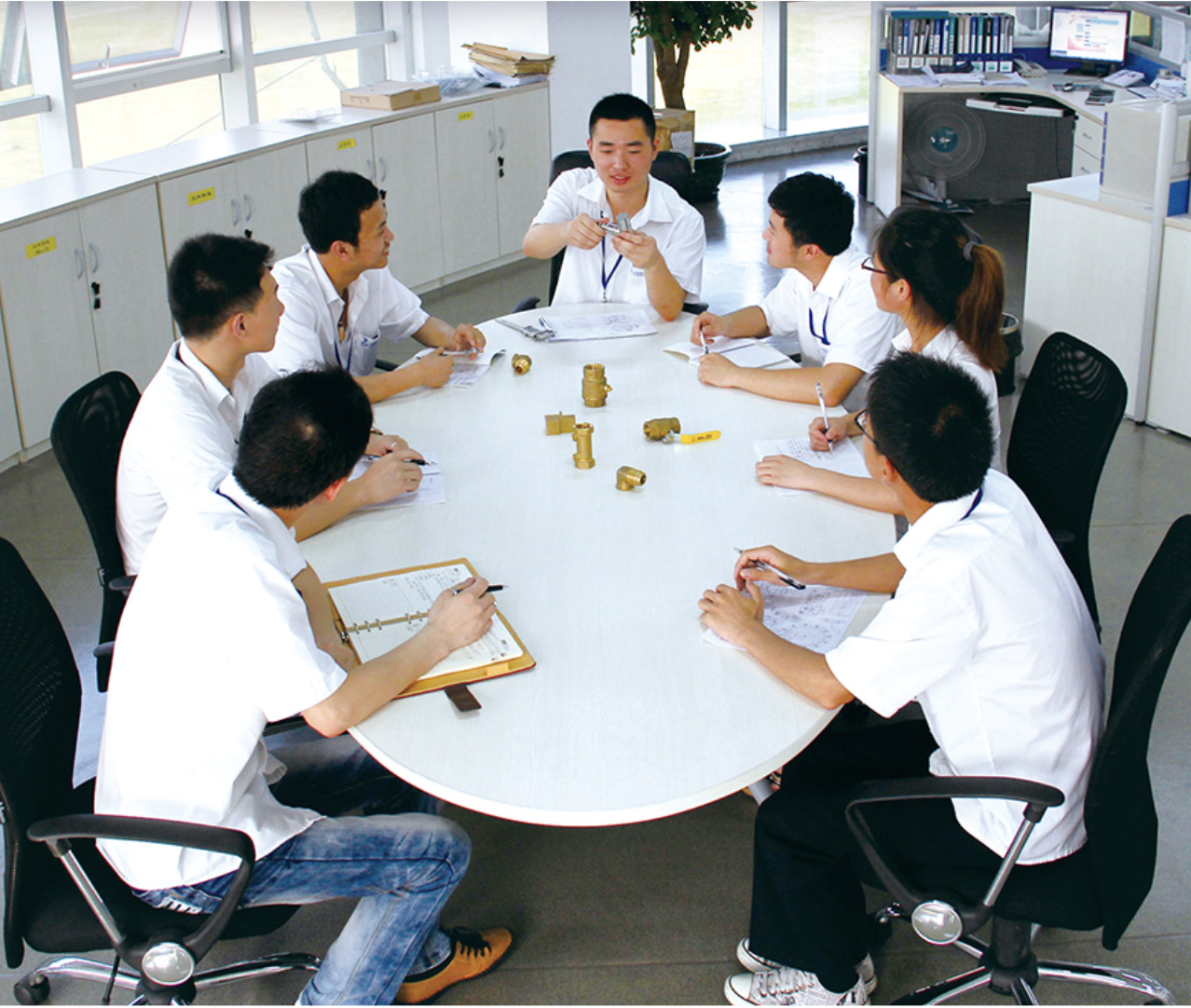
Yongda focuses on building a skilled, motivated team. By offering ongoing training and competitive benefits, the company aligns its business growth with the personal happiness of its employees, creating a stable and productive workforce.

With ISO 9001:2015, ISO 14001:2015, and ISO 45001:2018 certifications, Yongda maintains high standards in quality management, environmental responsibility, and workplace health and safety. These verified processes guarantee that raw materials are fully traceable, waste is minimized, and manufacturing environments support reliable product outcomes.
Understanding the technical interplay between components in modern commercial and residential hot water distribution loops.
A schematic representation of pressure control, filtering, temperature mixing, and balanced manifold routing.


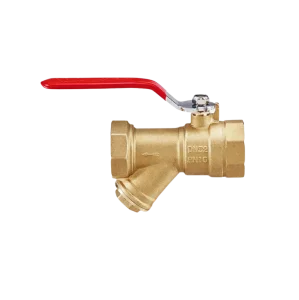
The first line of defense in domestic water sanitation, filtering 98% of sediment and impurities in the incoming pipe line.
Explore Technology →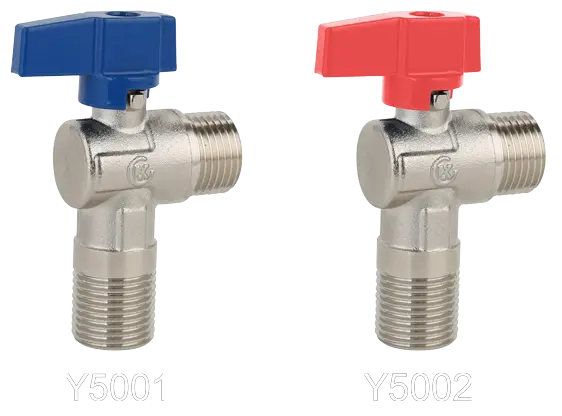
Designed to manage hot and cold water cycles in boiler units, featuring a robust spherical spool design.
Explore Technology →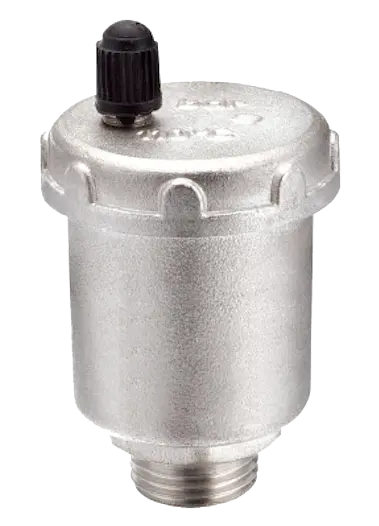
Automatically discharges accumulated air in heat-source lines, stabilizing pressure and preventing cavitation.
Explore Technology →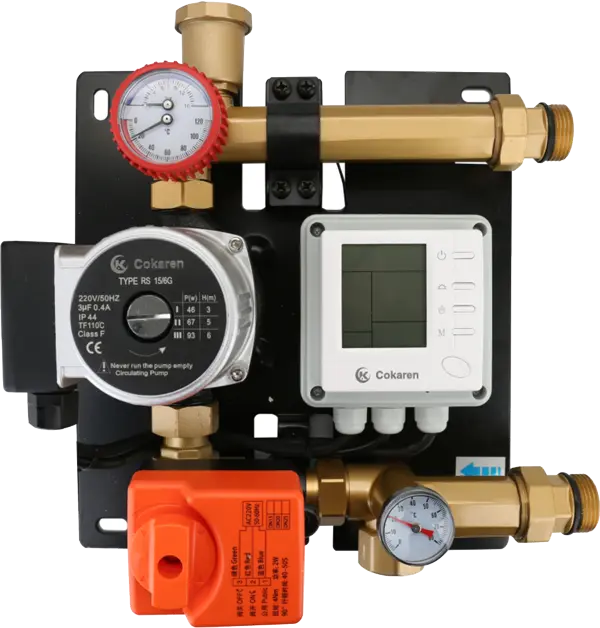
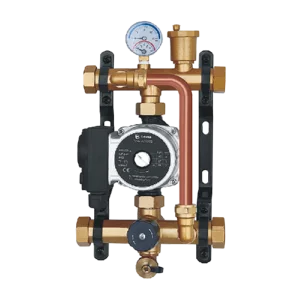
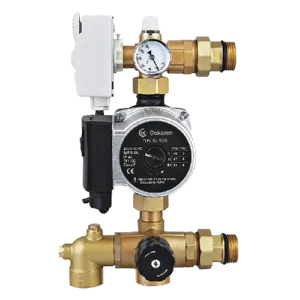
Mixes supply and return water to maintain consistent system temperatures and protect pipe networks.
Explore Technology →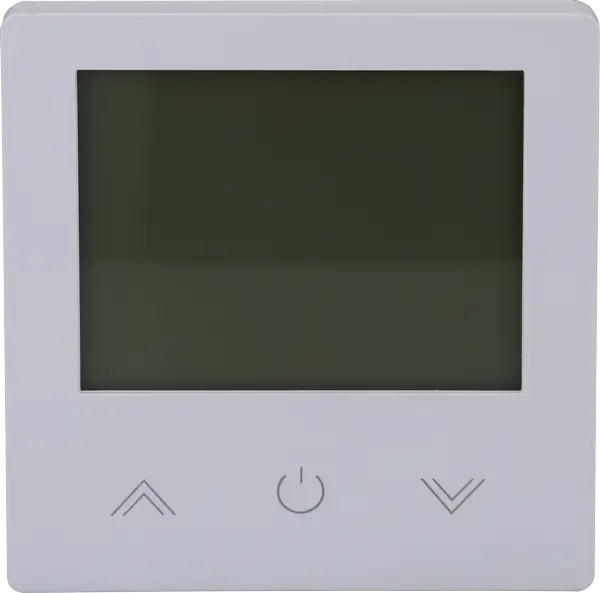
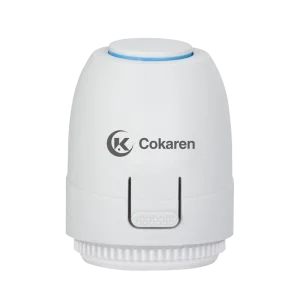
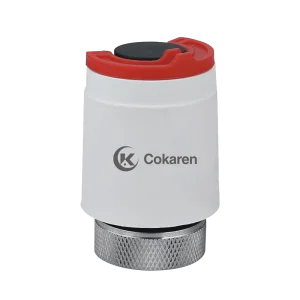
Integrates with manifold actuators for precise zone temperature control, optimizing energy efficiency.
Explore Technology →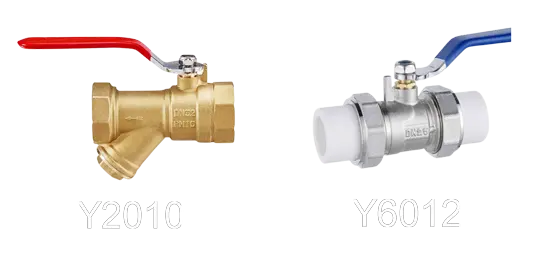
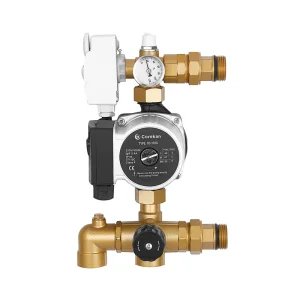
Filters lines, controls manifold inlets, and monitors temperature and pressure across the loop.
Explore Technology →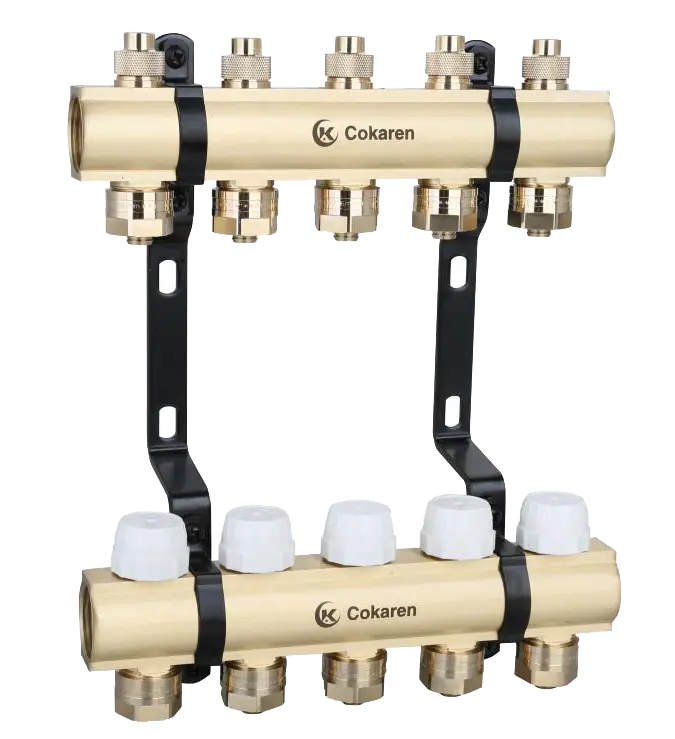
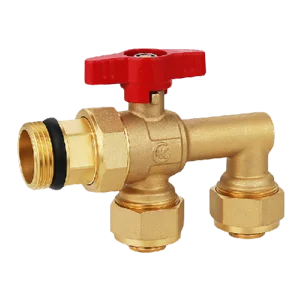
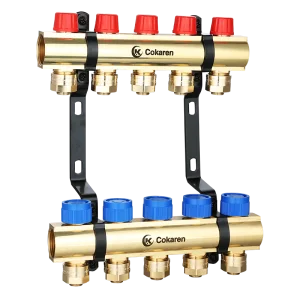
Splits main supply lines into individual zones, balancing distribution and supporting smart temperature controls.
Explore Technology →Answering common technical questions about pressure regulation, metallurgy, and sourcing.
How do China PRV valve manufacturers manage trace lead requirements?
Manufacturers control lead levels by selecting specific raw materials and melting copper in computer-controlled induction furnaces. We use dezincification-resistant (DZR) brass alloys like CW602N, CW617N, or lead-free C37700. In-house optical emission spectrometers check copper, zinc, and trace lead levels during processing to ensure compliance with NSF/ANSI 372 and European drinking water standards.
What are the mechanical differences between forged and cast brass PRVs?
Forged brass valves are formed under high pressure and heat, creating a dense grain structure without internal voids or gas pockets. This allows them to handle higher pressures and water hammer stress. Cast brass valves are more cost-effective for complex interior designs, but require careful testing to ensure they are free from porosity and micro-cracking.
Why is dynamic temperature mixing important in underfloor heating systems?
Underfloor PEX piping operates best at temperatures between 35°C and 50°C. Water from primary heat sources often exceeds 70°C. Mixing shunts automatically blend hot supply water with cooler return water. This maintains stable system temperatures, protects floor surfaces, and reduces energy consumption.
What testing procedures are used to verify a "zero leakage" quality policy?
At Yuhuan Yongda, we perform a multi-stage testing process. Each valve body undergoes high-pressure air testing underwater to check for bubble leaks. Thermostatic valves are cycle-tested under realistic thermal conditions to confirm the accuracy of internal springs and wax motors. Finally, random structural stress tests verify the burst pressure limits of our designs.
How do air vent valves protect heating loops from operational failures?
Air vent valves automatically vent trapped air pockets that naturally occur during system fills. Accumulating air can block circulation, cause noise, and lead to corrosive oxidation in iron boiler components. Proper venting keeps heat transfer efficient and protects system pumps from cavitation damage.
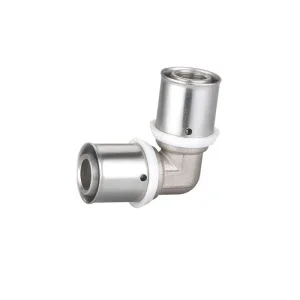
Durable connection systems and control hardware built for plumbing, heating, and cooling installations.