 Yongda
Yongda
Yongda
Premium precision-forged industrial flow management and HVAC control elements engineered for low-emission performance.
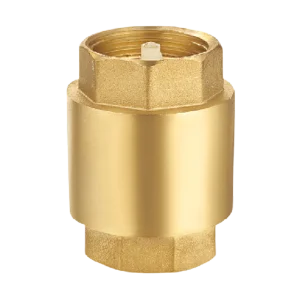
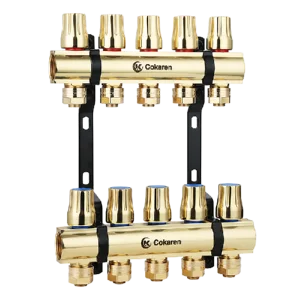
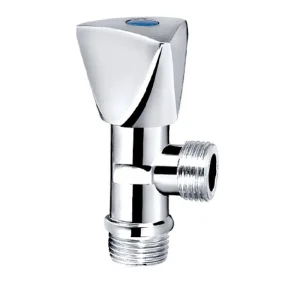
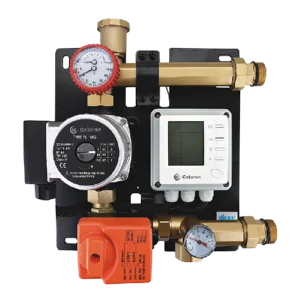
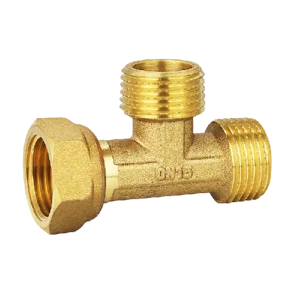
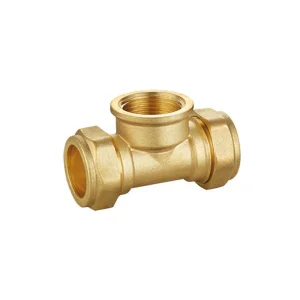
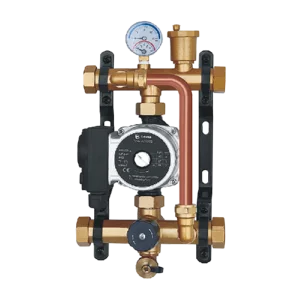
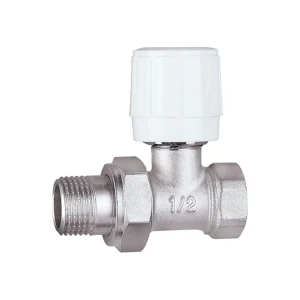
Within the highly regulated domains of modern fluid engineering, the term sanitary ball valve represents a distinct category of mechanical components designed to facilitate high-cleanliness environments. In comparison with standard industrial valves, sanitary-grade flow accessories prioritize mechanical purity, precise dimensional tolerances, and material passivity. Originally developed to eliminate product entrapment zones in bio-pharmaceutical, food, dairy, and beverage production lines, these engineering methodologies have now cross-pollinated into high-end hydronic heating, HVAC, and municipal water filtration networks.
For international sourcing professionals, securing a reliable supply pipeline requires a deep comprehension of manufacturer credentials, material grading, and region-specific production cost dynamics. This white paper serves to outline the micro-economic, metallurgical, and technological advantages of Chinese manufacturing hubs, specifically focusing on the engineering authority established by Yuhuan Yongda Fluid Control Co., Ltd.
The global valuation of sanitary valves has experienced a structural upward trajectory, driven by two key secular trends: the modernization of domestic thermal management systems and the enforcement of lead-free environmental directives across North America and the European Union. In hydronic heating and energy distribution systems, standard copper-alloy valves are insufficient. Today's commercial facilities require valves with minimal dead-space zones and superior dezincification resistance (DZR). The integration of sanitary design principles prevents the build-up of bio-films and mineral scaling, which directly preserves the thermal exchange efficiency of underfloor heating manifolds and central boilers.
Additionally, modern HVAC infrastructure is shifting toward smart, automated regulation. This shift mandates that valves support both manual actuation and digital thermodynamic controls. Modern systems rely on centralized intelligence networks, where temperature controls, mixing shunts, and manifolds operate in harmony. Ensuring that every valve in the system conforms to precise geometrical and metallurgical standards prevents fluid cavitation, reduces pump workloads, and secures a longer operational lifespan.
Founded in 1996 and located in Yuhuan, Zhejiang—widely recognized as the "China Valve Capital"—Yuhuan Yongda Fluid Control Co., Ltd. (formerly Yuhuan Yongda Plumbing Co., Ltd.) has grown into an industry-leading manufacturer specializing in product design, development, high-precision manufacturing, and global sales.
Our core product line is structured around three premium categories: brass valves, precision fittings, and HVAC energy distribution components. With our products positioned in the middle-to-high-grade segments, we highlight environmental sustainability, material purity, and structural reliability. This focus has made us a preferred partner for industrial distributors and OEM brands throughout North America, Europe, and Asia.
Our newly established brand, Cokaren, represents our commitment to refined aesthetic engineering, absolute leak-proof guarantees, and complete customer satisfaction. Operating under the brand promise of "keep flowing, keep warming", Cokaren delivers warmth, efficiency, and reliability to homes and commercial spaces globally.

The concentration of valve manufacturers in Yuhuan, Zhejiang, creates a unique industrial ecosystem. Rather than operating as isolated factory entities, manufacturers in this region benefit from a highly optimized supply chain loop. This loop covers everything from raw ingot refinement to multi-axis CNC machining, surface plating, and automated pressure testing. This industrial clustering directly translates into structural cost advantages and shorter production lead times for global buyers.
Yongda's facility spans a physical footprint of over 45,000 square meters, yielding an actual operational floor space of 80,000 square meters. By deploying over 600 sets of advanced machinery—including more than 80 sets of specialized machine tools—we bypass the operational bottlenecks common in smaller fabrication shops. The integration of high-speed forging presses and automated rotary transfer machines ensures that dimensional variations in critical valve components are maintained within micron-level tolerances. This level of precision is essential for ensuring leak-free performance and absolute parts interchangeability.
Modern heating infrastructure relies on the precise, balanced distribution of energy. Our integrated product suite is engineered to control flow, filter impurities, and regulate thermal profiles. By combining advanced thermodynamic technologies, we provide a unified energy distribution system for commercial and residential installations.
A unified approach to temperature regulation, water filtration, and pressure management in high-efficiency HVAC networks.

The primary barrier in domestic water sanitation, removing up to 98% of particulates and impurities within the supply line.
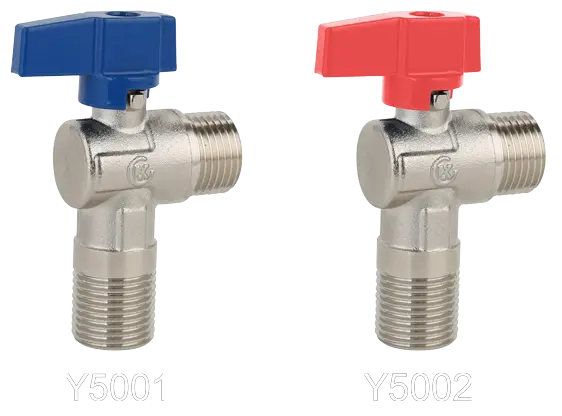
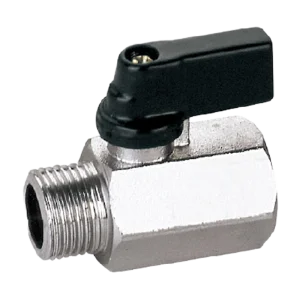
Designed to control boiler cold/hot water circuits, featuring a highly polished spherical brass spool for smooth mechanical actuation.
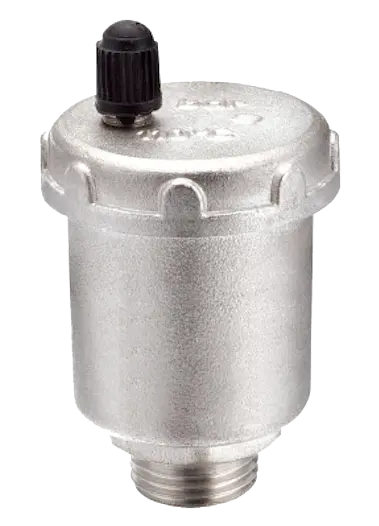
Discharges trapped air pockets in heat pump water heaters to prevent dry-firing and maintain stable system pressures.
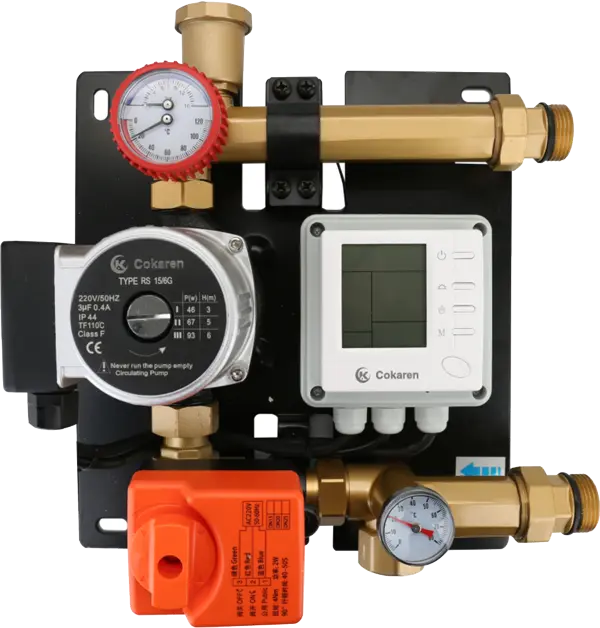
Blends return and supply flows in hydronic circuits, stabilizing water temperatures and protecting downstream piping from thermal shock.
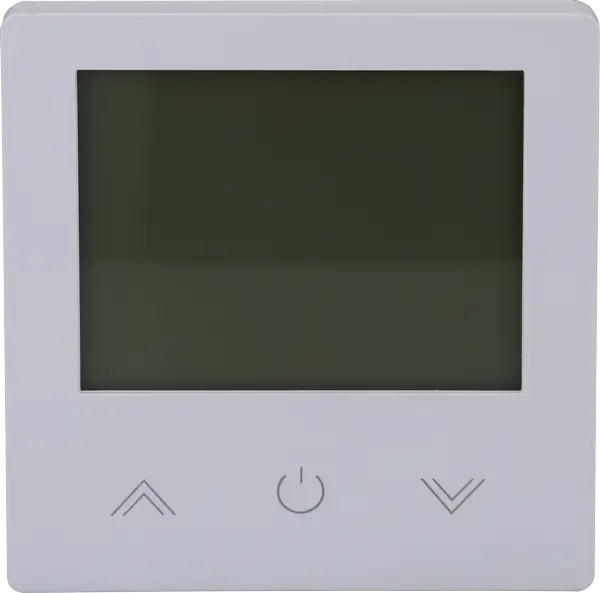
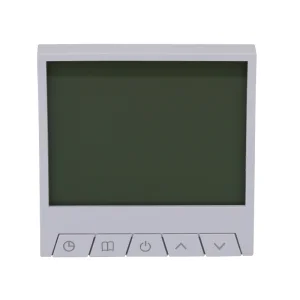
An intelligent control interface that integrates with manifold actuators to regulate zoned indoor ambient temperatures.
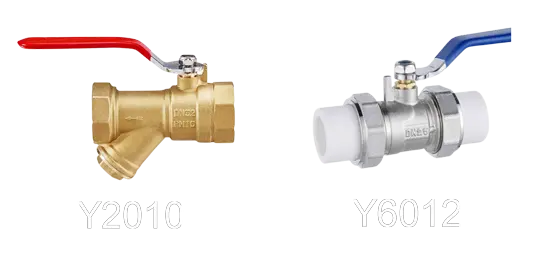
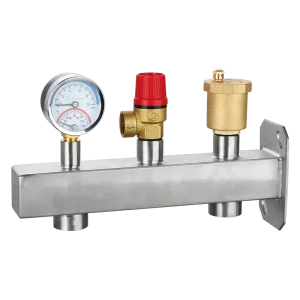
Combines inline filtration, shut-off control, temperature monitoring, and pressure sensors in a single, compact brass body.
For sanitary and domestic water applications, the choice of copper alloy is critical. Raw material grade directly affects the valve's physical strength, machinability, and long-term corrosion resistance. Standard commercial brasses often contain trace elements that can leach into the fluid stream over time. To ensure compliance with international drinking water regulations, Yongda implements strict control over raw material composition.
Our standard production runs utilize certified CW617N, CW602N (Dezincification Resistant), and lead-free brass alloys. These materials conform to strict European and North American regulatory guidelines, including NSF/ANSI 61 and the European Drinking Water Directive. Our "fine work, no leakage" quality policy is backed by regular spectrometer verification of incoming ingots. This ensures that every finished valve body contains the correct proportions of copper, zinc, and tin, preventing premature failure due to dezincification or stress corrosion cracking.
| Material Standard | Copper (Cu) % | Lead (Pb) % | Zinc (Zn) | Primary Industrial Application |
|---|---|---|---|---|
| CW617N (EN 12165) | 57.0 - 59.0% | 1.6 - 2.5% | Remainder | General HVAC, hydronic manifolds, gas shut-off valves |
| CW602N (DZR) | 61.0 - 63.0% | 1.7 - 2.8% | Remainder | Corrosive water systems, municipal supply links, deep plumbing |
| C37700 (ASTM B124) | 58.0 - 61.0% | 1.5 - 2.5% | Remainder | North American standard pressure fittings & compression couplers |
| Lead-Free Brass | > 62.0% | < 0.25% | Remainder | Sanitary drinking water lines, food service, FDA-compliant valves |
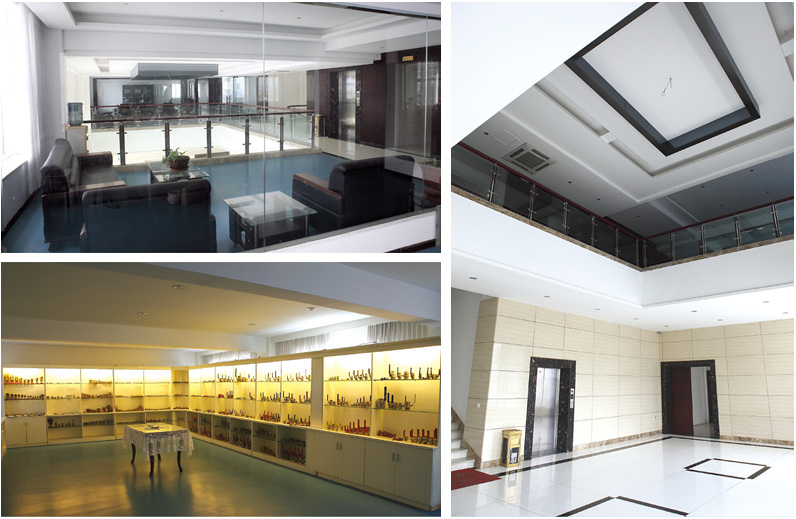
Our commitment to manufacturing quality is verified by our comprehensive ISO certifications. The company is certified to the ISO9001:2015 Quality Management System, the ISO14001:2015 Environmental Management System, and the ISO45001:2018 Occupational Health and Safety Management System.
By using multi-spindle machining centers, we eliminate human error during critical threading and sealing operations. Every single valve undergoes automated pneumatic seal testing at maximum design pressure before packaging. This testing protocol ensures that zero-leakage performance is maintained under field conditions.
Furthermore, our dedicated engineering team works closely with OEM customers to develop tailored solutions. Whether designing custom thread forms, modifying hand-wheel configurations, or adjustments to body geometries, we deliver engineering expertise designed to match specific system requirements.
Explore our core catalog, featuring certified hydronic components, high-flow ball valves, and precise mixing systems.
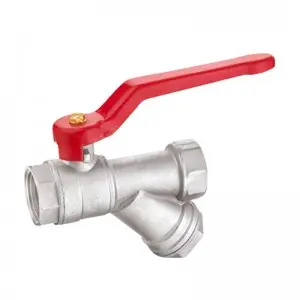
Combines a heavy-duty shut-off valve with a stainless steel mesh strainer, reducing footprint and installation costs.
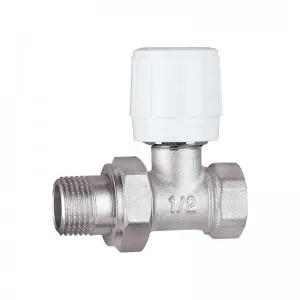
Provides manual or automated control of localized hydronic zones to maintain consistent temperature profiles.
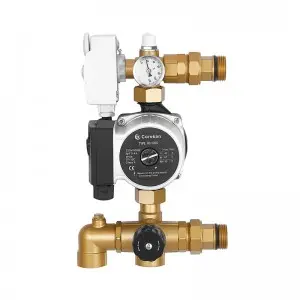
Blends return and supply water to stabilize floor loop temperatures in radiant heating configurations.
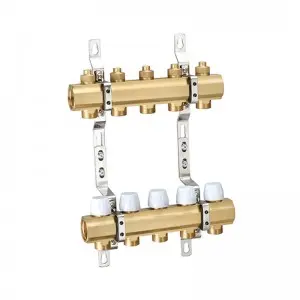
Provides precise balancing and distribution of water flow to individual room heating loops.
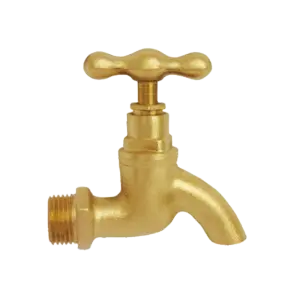
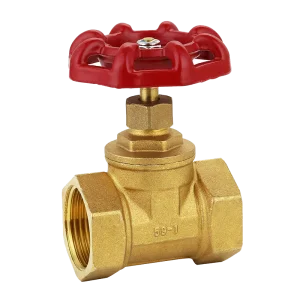
Features a polished brass body designed for reliable outdoor and light-industrial utility water connections.
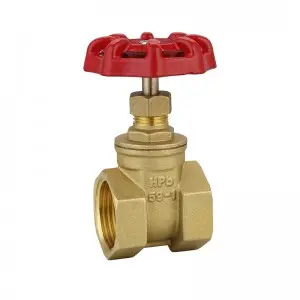
Provides bi-directional flow shut-off with minimal pressure drop in high-volume fluid distribution systems.
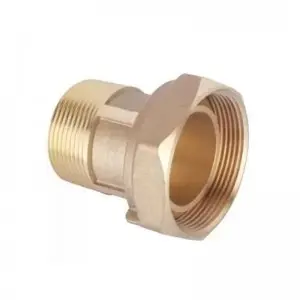
Precision-threaded tailpieces and couplings designed for simple water meter installation.
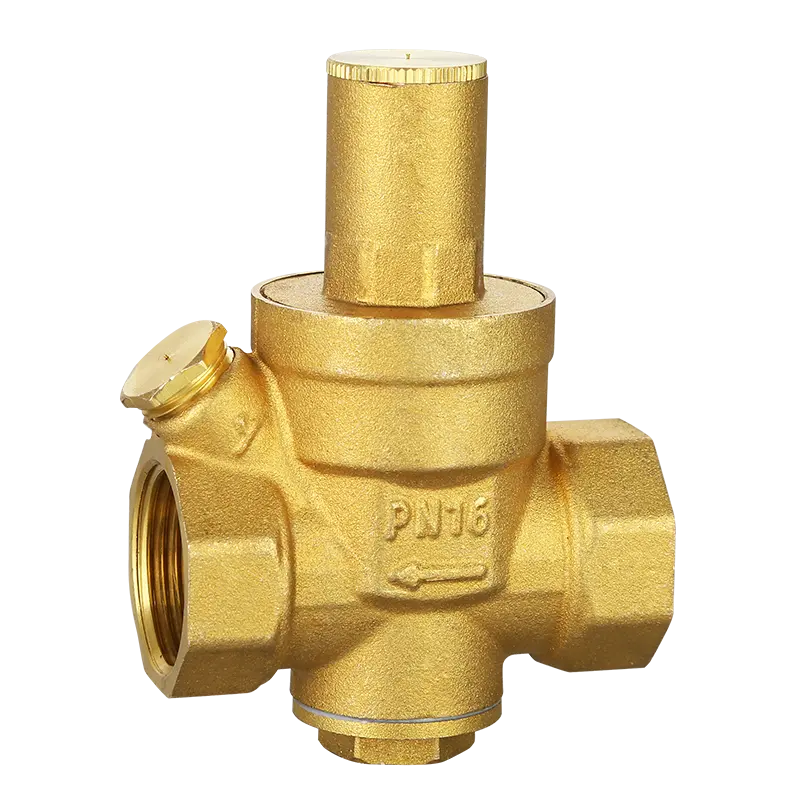
Protects plumbing fixtures by stabilizing variable supply pressures, featuring a robust forged piston assembly.
For international procurement teams, pricing transparency is essential for cost planning. The unit cost of a brass sanitary ball valve is not arbitrary; it is determined by a combination of material costs, manufacturing processes, and quality testing. The primary factors influencing price include:
By leveraging regional supply chains and high-capacity manufacturing, Yuhuan Yongda delivers competitive pricing without compromising quality. We offer tiered pricing structures that reward high-volume distributors while maintaining accessible minimum order quantities (MOQs) for specialized project engineers.
Expert answers regarding engineering specs, material compliance, sourcing logistics, and custom valve design.
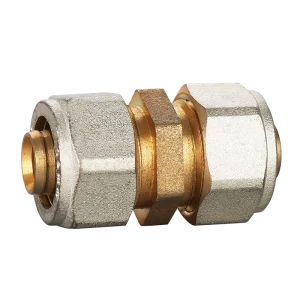
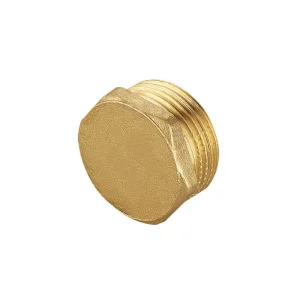
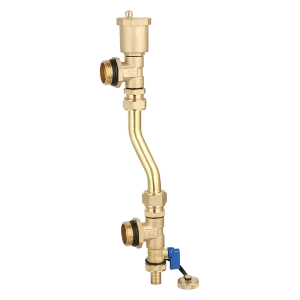
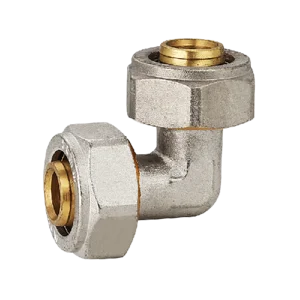
Premium brass compression elements, air management vents, and boiler isolation manifolds.