 Yongda
Yongda
Yongda
Browse our top-tier engineering solutions designed to eliminate operational friction and ensure dynamic flow stability.
Within the global HVAC, municipal utility, and process manufacturing landscapes, a leaking ball valve is far more than a minor operational inconvenience; it is a catalyst for major environmental footprint issues, system efficiency failures, and severe liability claims. As national grids transition to low-carbon, smart heating technologies, the requirement for zero-leakage configurations has grown intensely strict.
Valves form the core vascular system of modern municipal projects, energy networks, and domestic installations. According to chemical process industry reports, valve leakages account for over 50% of fugitive emissions. The industrial sectors loss of high-temperature steam or chilled water because of faulty valve glands translates directly to thousands of gigajoules of wasted energy daily. Therefore, addressing "ball valve leaking" issues at the metallurgical and structural level is vital to meeting modern Net-Zero goals.
In North America and Europe, testing guidelines such as ISO 15848-1 and API 641 establish strict boundaries for testing packing materials and valve bodies under continuous thermal cycling. Industrial operations require valves manufactured in state-of-the-art facilities that utilize high-grade forging, double-O-ring stems, and robust seat coatings to ensure reliable operation over years of active service.

An engineering analysis of common valve failures and the custom solutions developed to prevent them.
Cause: High frequency operation causes friction along the sealing rings, wearing down traditional packaging materials.
Solution: We use dual FKM/NBR O-rings paired with high-tensile PTFE packing, guaranteeing consistent seal integrity across thousands of cycles.
Cause: High mineral content water corrodes standard brass, weakening the structure until leakage develops.
Solution: We source premium, low-lead DZR (Dezincification Resistant) and CW617N brass to ensure long-term stability in harsh water conditions.
Cause: Rapid fluctuations in water temperatures lead to expansion and contraction, which compromises the valve seat.
Solution: Our seating profiles are molded from specialized Virgin PTFE, ensuring elastic recovery at temperatures up to 150°C.
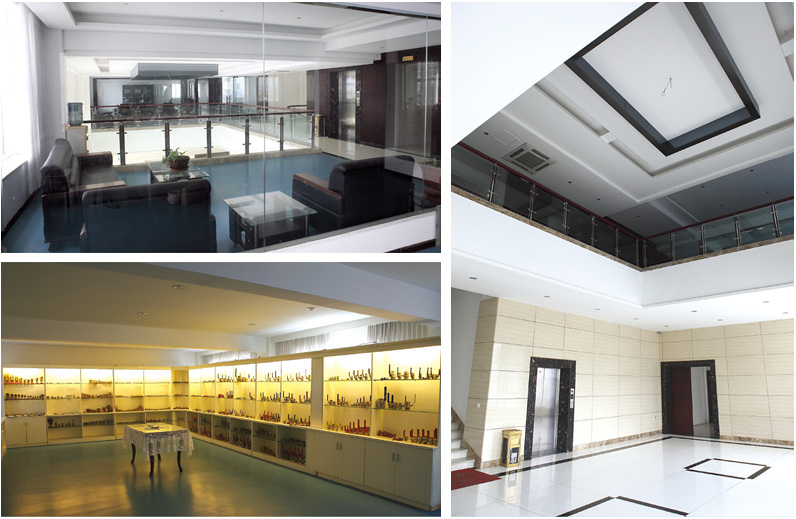
Established in 1996 in Yuhuan, Zhejiang—known as the "China Valve Capital"—Yuhuan Yongda Fluid Control Co., Ltd. (formerly Yuhuan Yongda Plumbing Co., Ltd.) has grown into an industry-leading manufacturer of plumbing valves, brass fittings, and HVAC system solutions.
With a spacious physical footprint, our primary plant area covers over 45,000 square meters, yielding an actual usable production and logistical area of 80,000 square meters. We operate with a dedication to environmental preservation and high-end engineering, catering to clients throughout North America, Western Europe, and global industrial markets.
Our commitment is centered on our newly established sub-brand, Cokaren. Grounded in our brand promise, "Keep flowing, keep warming", Cokaren delivers clean-lined, high-durability water system accessories that bring security and comfort to homes and commercial spaces globally.
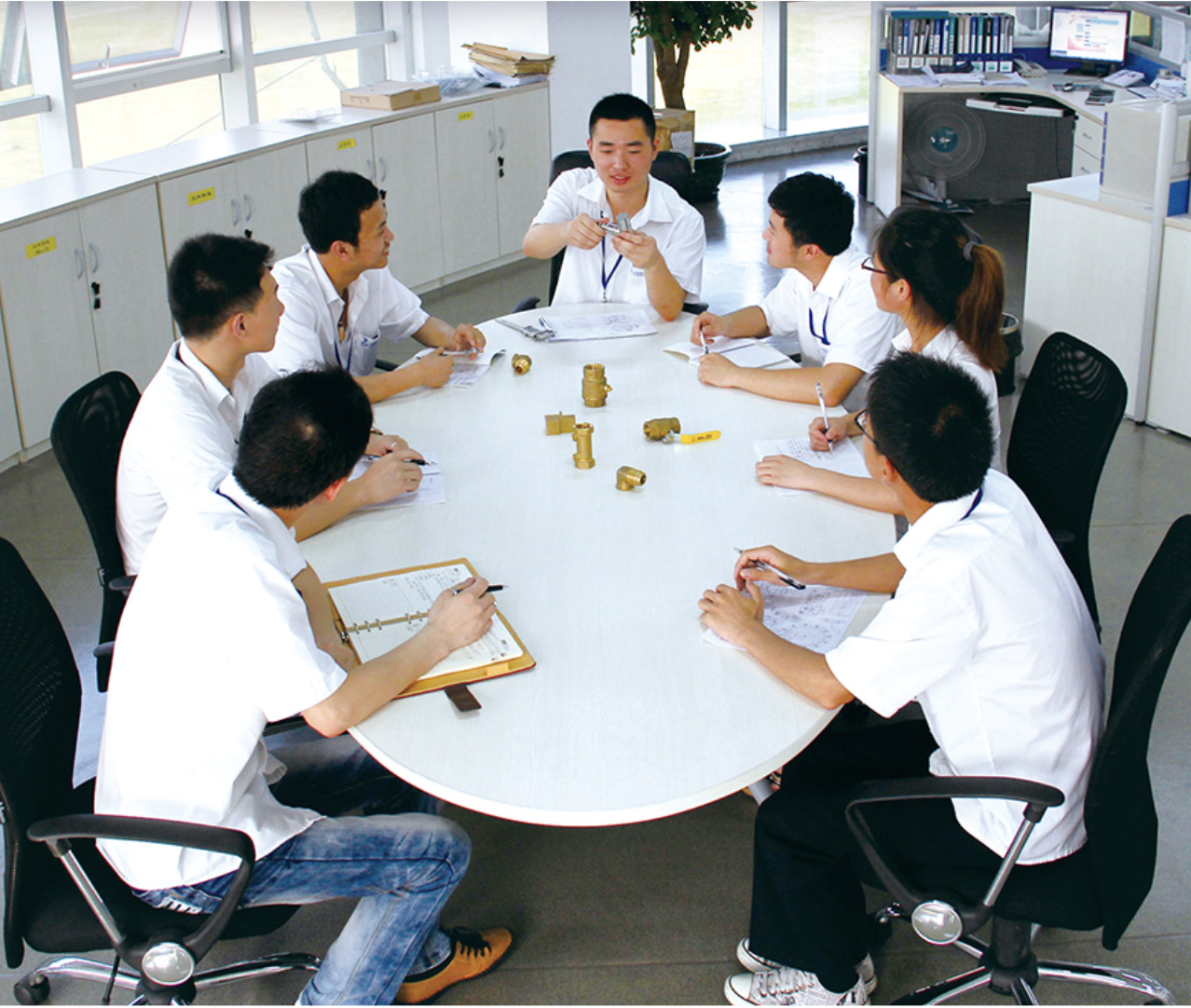
Our manufacturing capability is backed by more than 600 sets of advanced production and testing hardware. This machinery pool includes over 80 specialized multi-axis CNC machines, allowing us to perform high-precision mechanical turning and boring with minimal tolerances.
By employing modern multi-axis machinery, we minimize secondary setup errors and keep concentricity tolerances under 0.02 mm. Our testing lab is equipped for comprehensive metallurgical analysis, hydrostatic pressure testing up to 60 bar, and pneumatic seal testing to guarantee that every valve leaves our warehouse completely leak-free.
Under our strict production motto, "Fine work, no leakage," our Quality Assurance team tests 100% of our products, exceeding standard statistical AQL limits. This rigorous process guarantees that our OEM and ODM clients receive highly reliable fluid control products for residential and industrial applications.
Compliance and quality management are central to Yuhuan Yongda's operational philosophy. We maintain active compliance and quality audits, holding certifications across three major international management frameworks:
These credentials ensure that our production practices meet global environmental standards and preserve resources. Furthermore, our raw materials undergo regular testing to ensure compliance with NSF/ANSI 61 and EN standards, qualifying them for potable water applications globally.

We manufacture reliable heat distribution and hydronic management systems for residential and commercial heating setups.
Balanced Underfloor Heating and Boiler Fluid Networks
Our hydronic distribution systems maintain balanced flows, uniform temperatures, and prevent leaks in central heating networks. By integrating advanced air-release systems with high-precision balancing manifolds, we keep pressure fluctuations under control, preventing cavitation and reducing thermal wear on mechanical seals.

Removes up to 98% of particulate impurities inside pipelines.
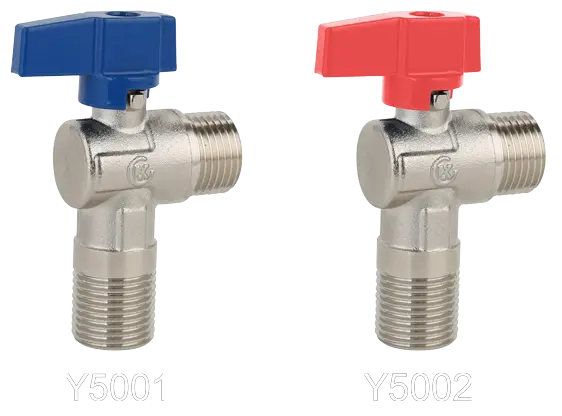
Ensures smooth control of water intake/outlet lines.
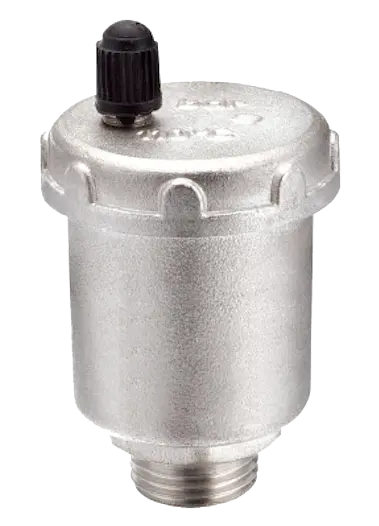
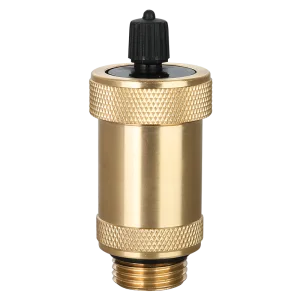
Automatically purges air pockets from hydronic systems.
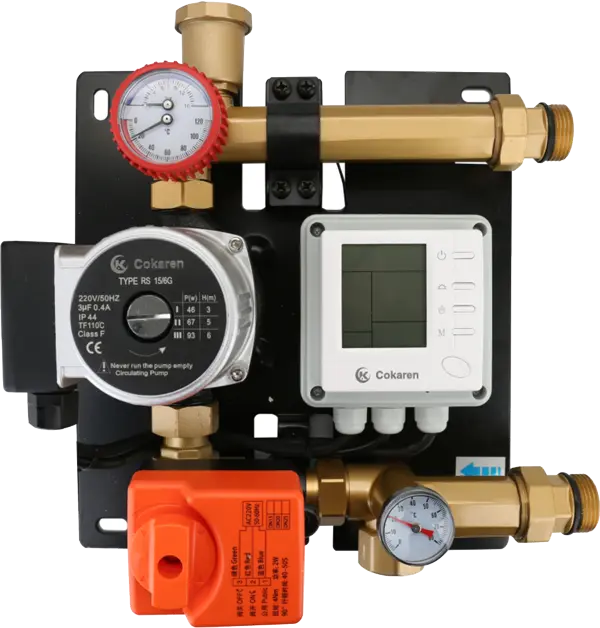
Balances hot/cold intake to stabilize water temperature.
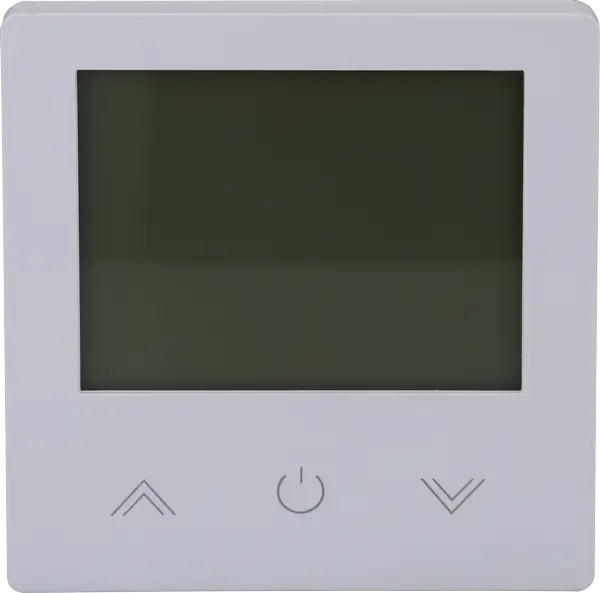
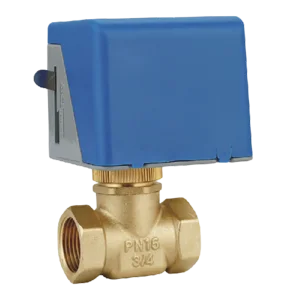
Enables electronic control for precise space heating.
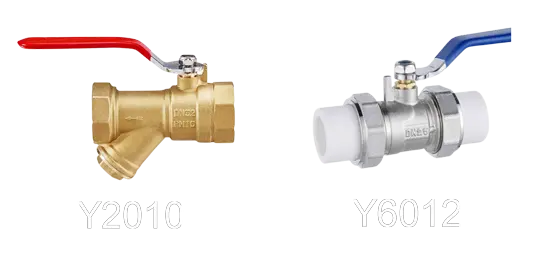
Provides inline filtration and flow status measurement.

Yongda Energy Distribution System: A coordinated water control solution featuring manifolds, auto air vents, water filtration, and temperature controls.
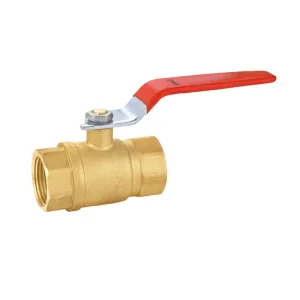
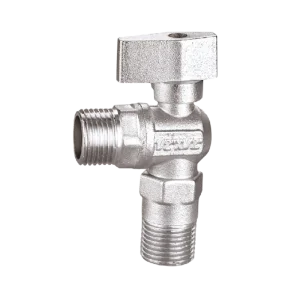
High-precision brass ball valves, manifold blocks, check valves, and air vents engineered for robust leak prevention.
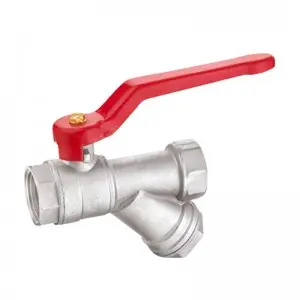
Combines a heavy-duty forged brass ball valve with an integrated stainless steel mesh filter, reducing leak points by saving connection fittings.
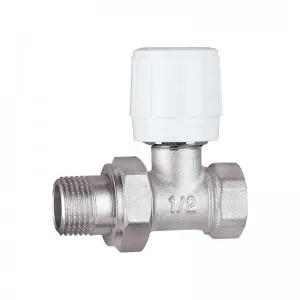
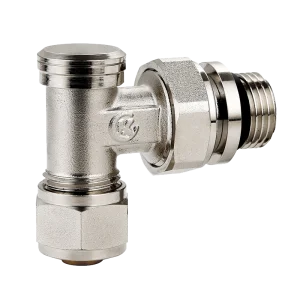
Features a manual control layout with a highly stable seat ring designed to withstand cyclic thermal expansion without developing leaks.
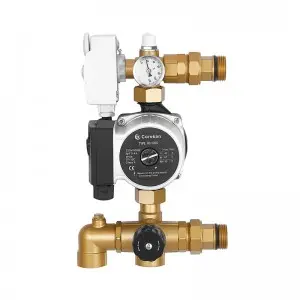
Engineered for hot water distribution loops, mixing returning fluid to regulate delivery temperature and protect pipeline connections.
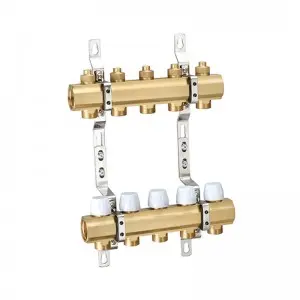
Machined from a single brass bar to eliminate joints, providing robust distribution of multi-circuit water lines without risk of leaks.
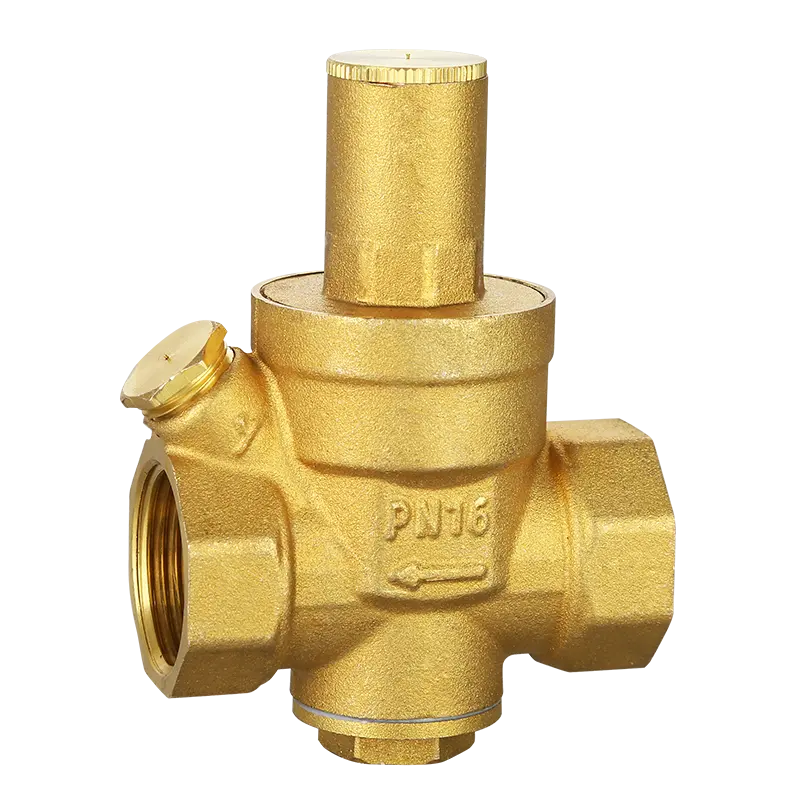
Brass forged piston pressure reducing valve.
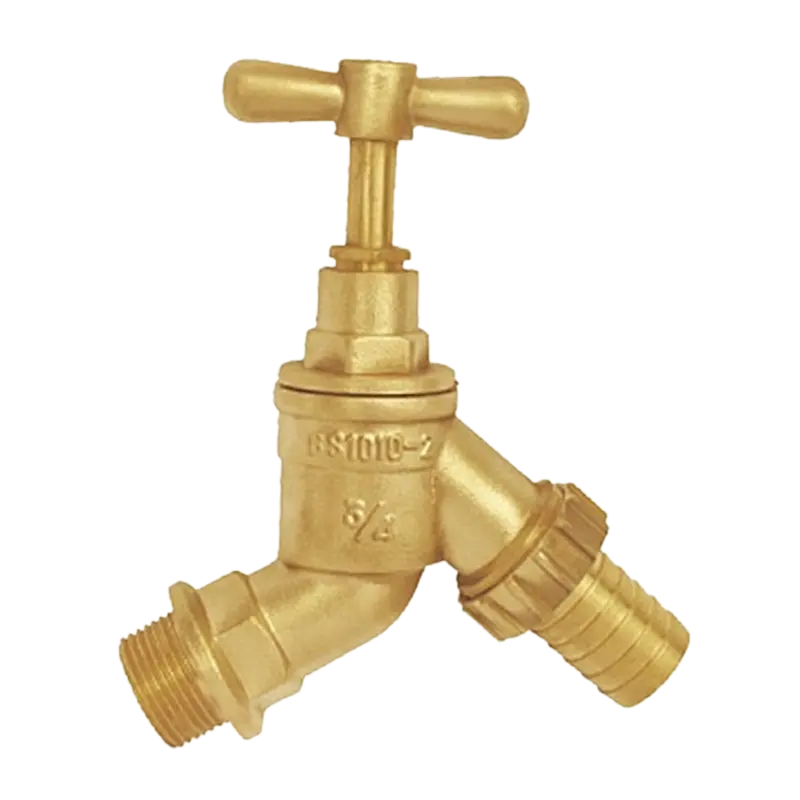
External thread brass safety stop valve.
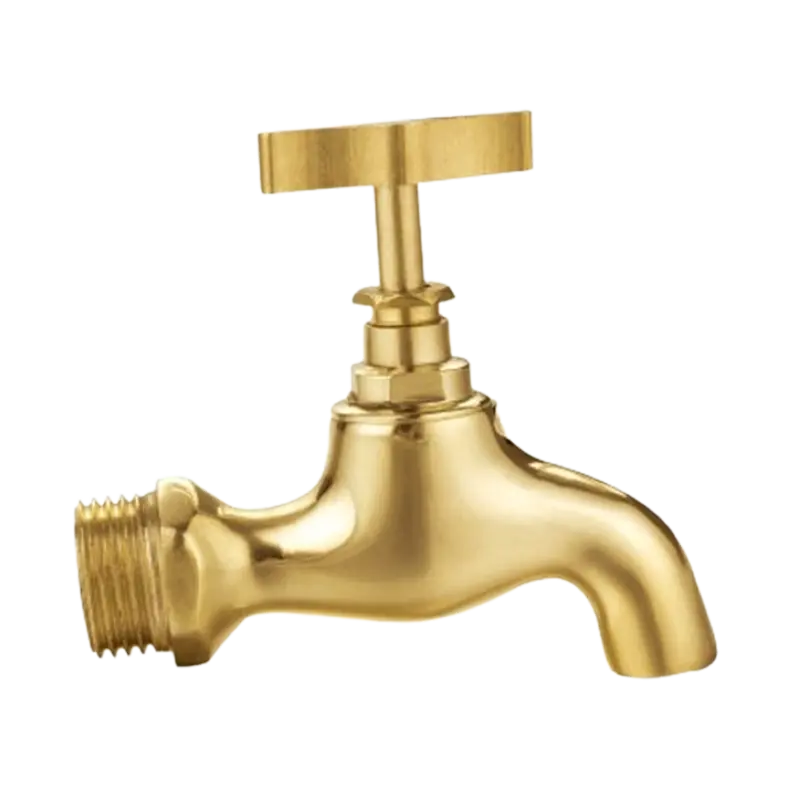
Forged brass configuration for outdoor connections.
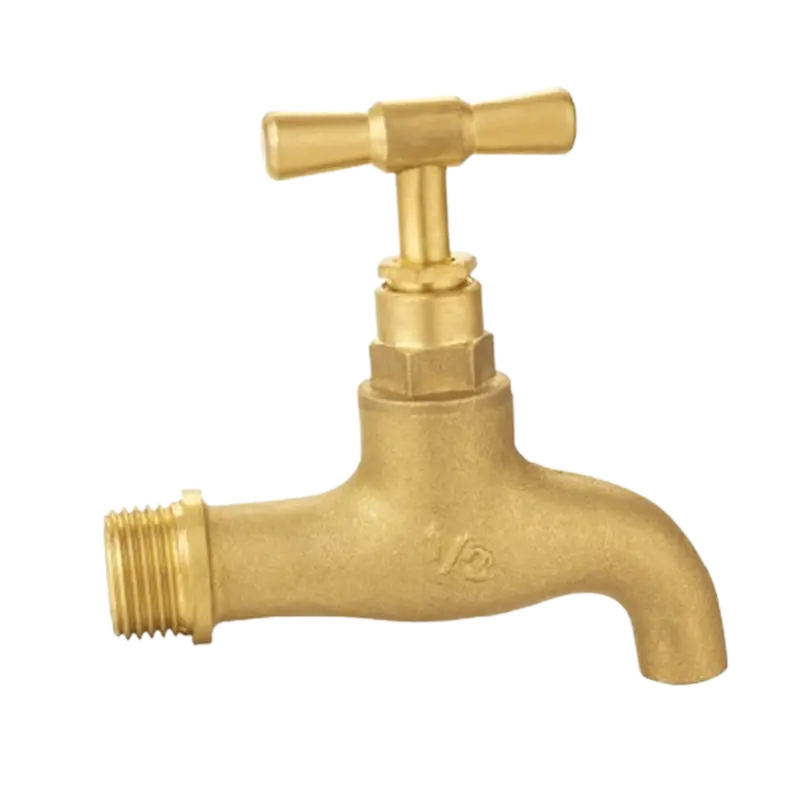
Precision-molded body with heavy nickel plating.
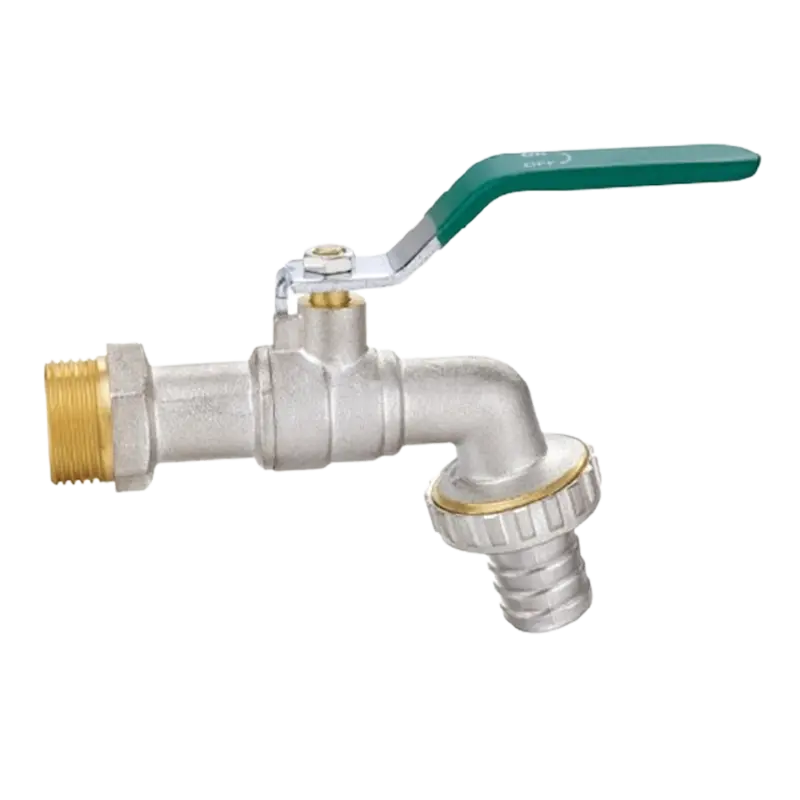
Protects piping loops against sudden hydraulic spikes.
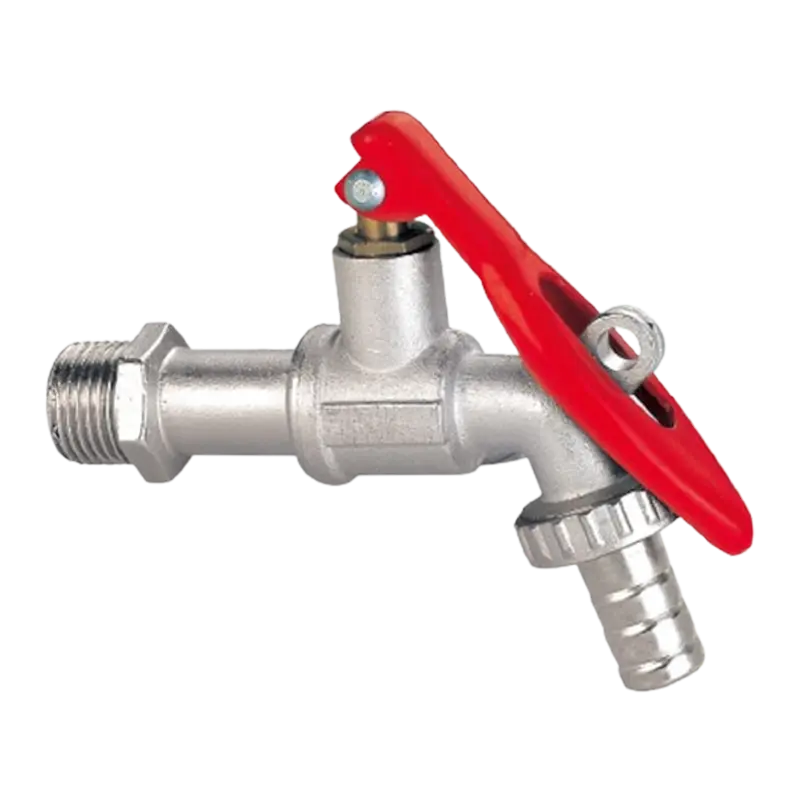
Electroplated finish with secure locking mechanism.
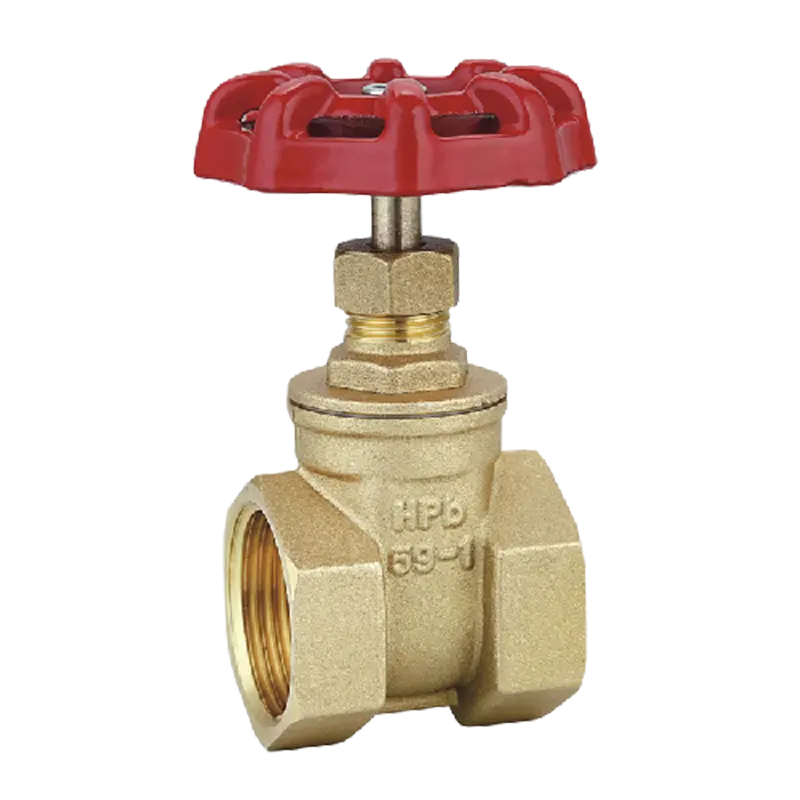
Offers straight-line water flow control with minimal pressure drop.
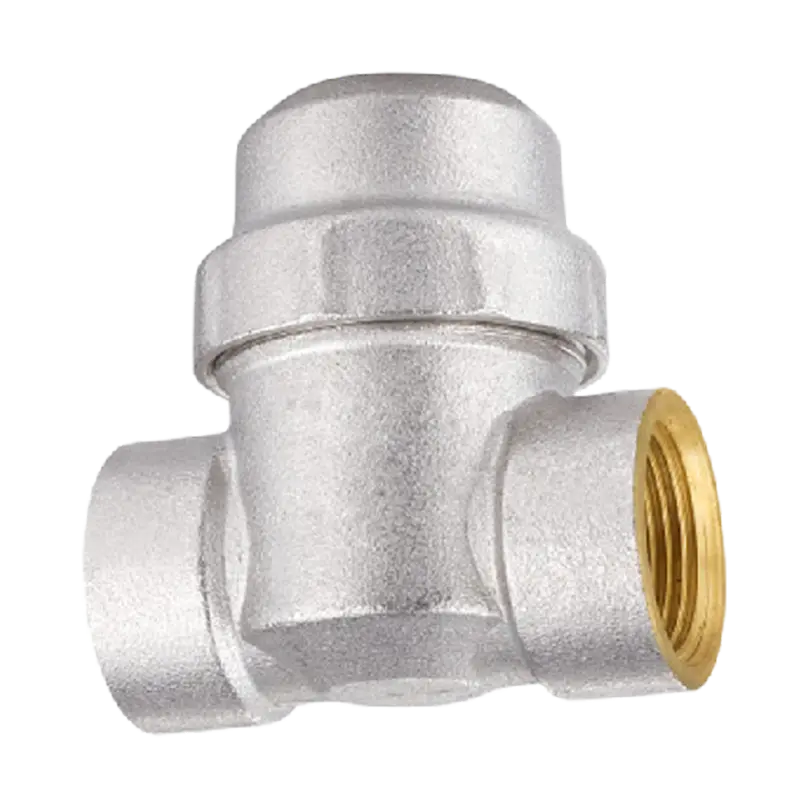
Prevents backflow with integrated brass T strainer.
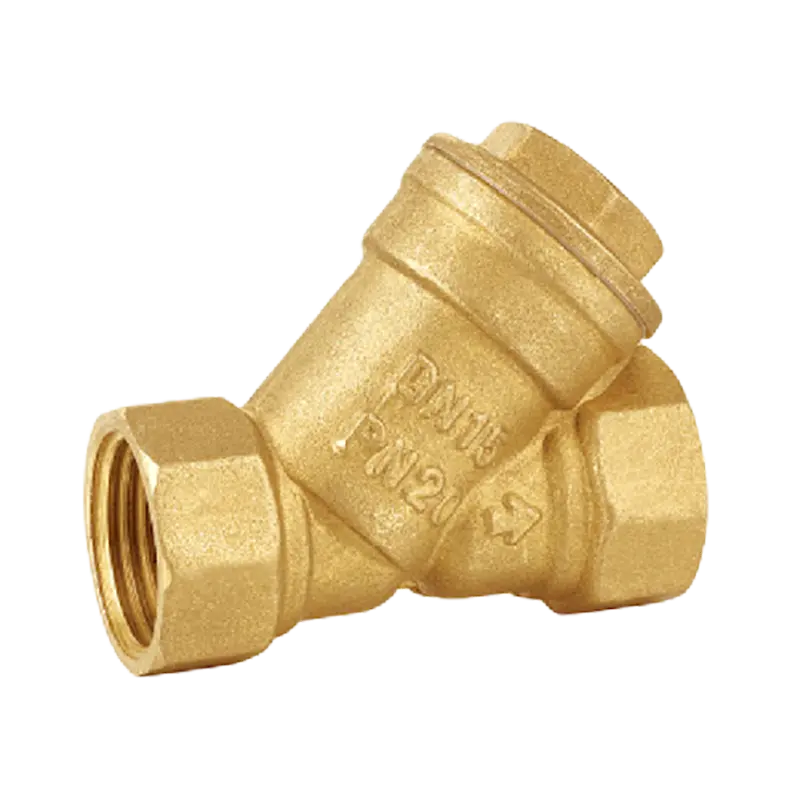
Protects downstream equipment from particulate wear.
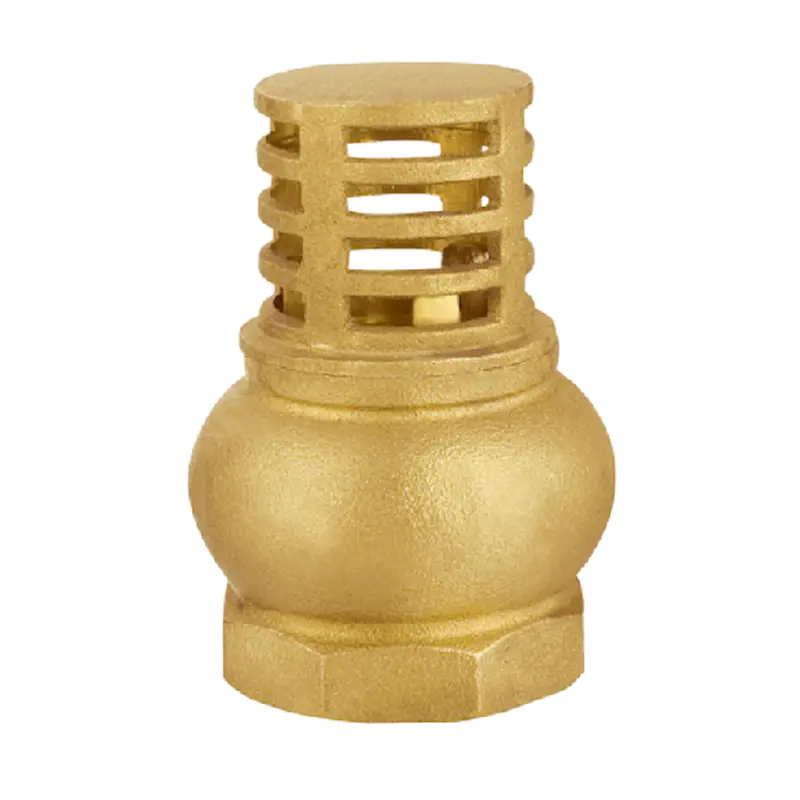
Equipped with a brass filter mesh to prevent backflow.
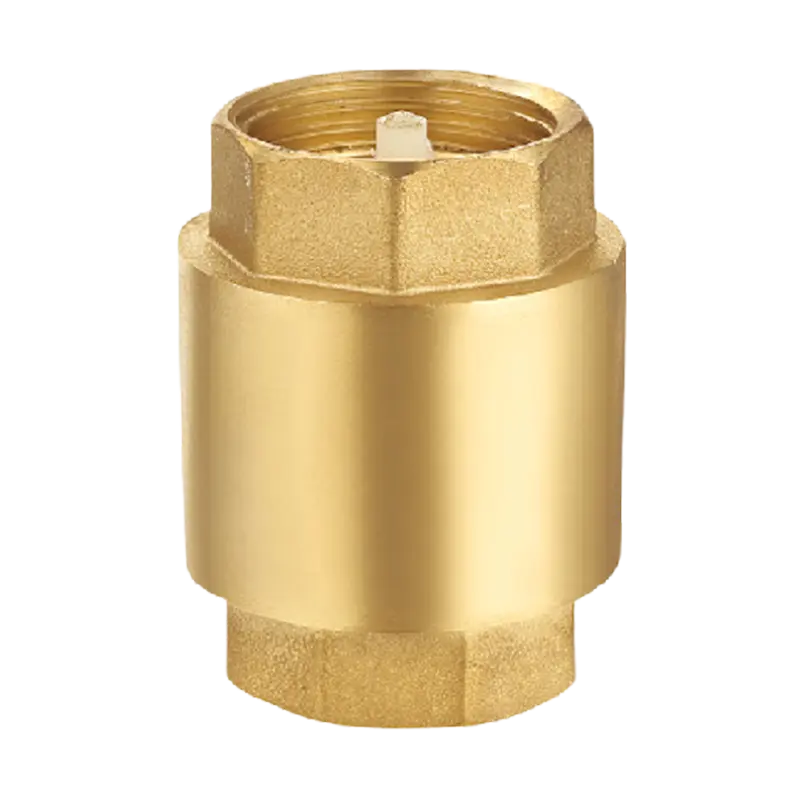
Direct straight-through internal thread configuration.
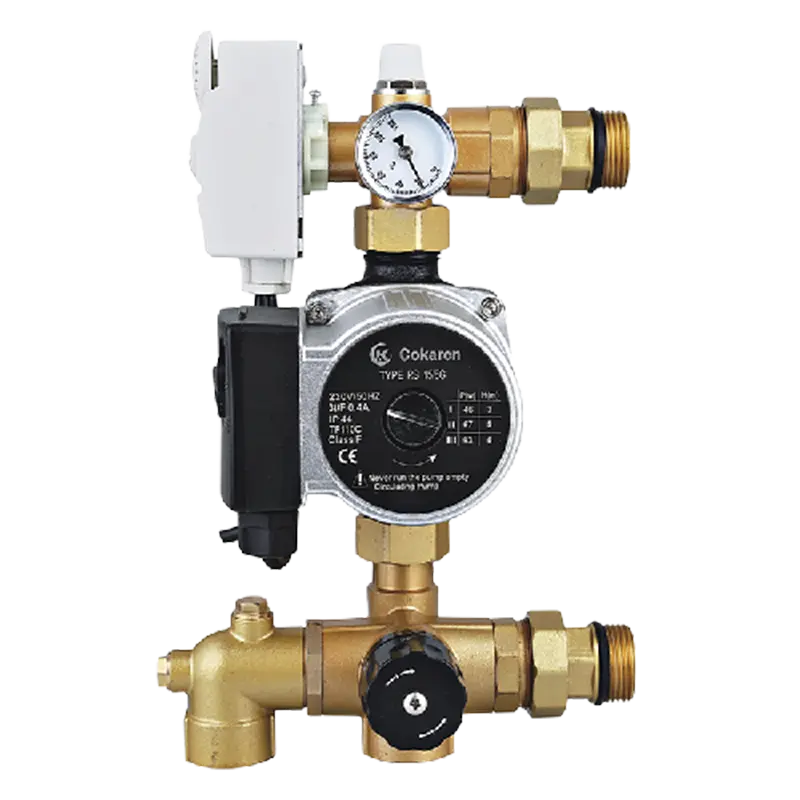
Integrates a circulation pump loop for manifolds.
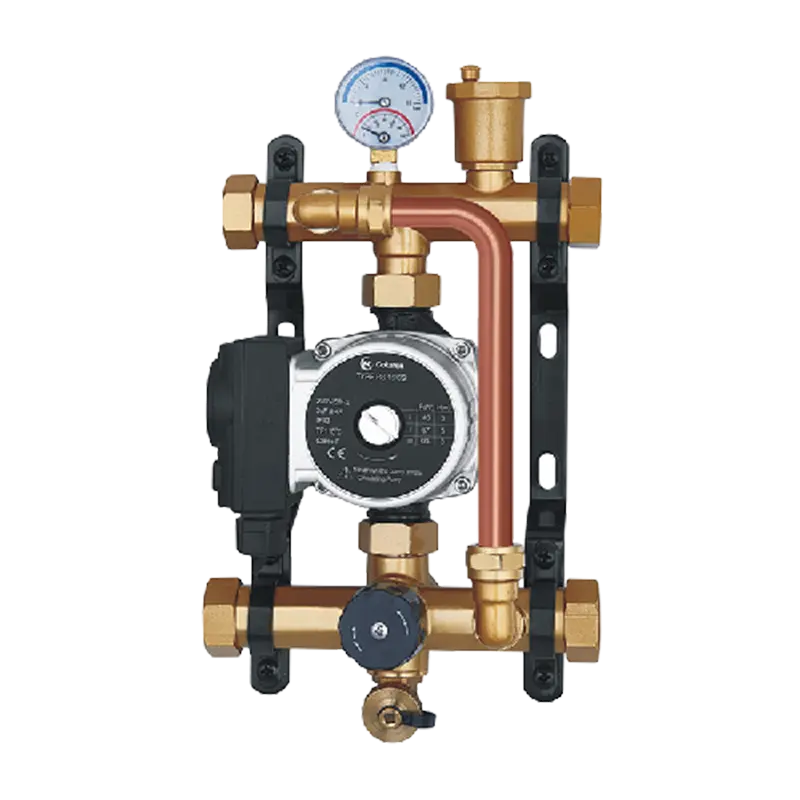
Maintains target temperatures in hydronic loops.
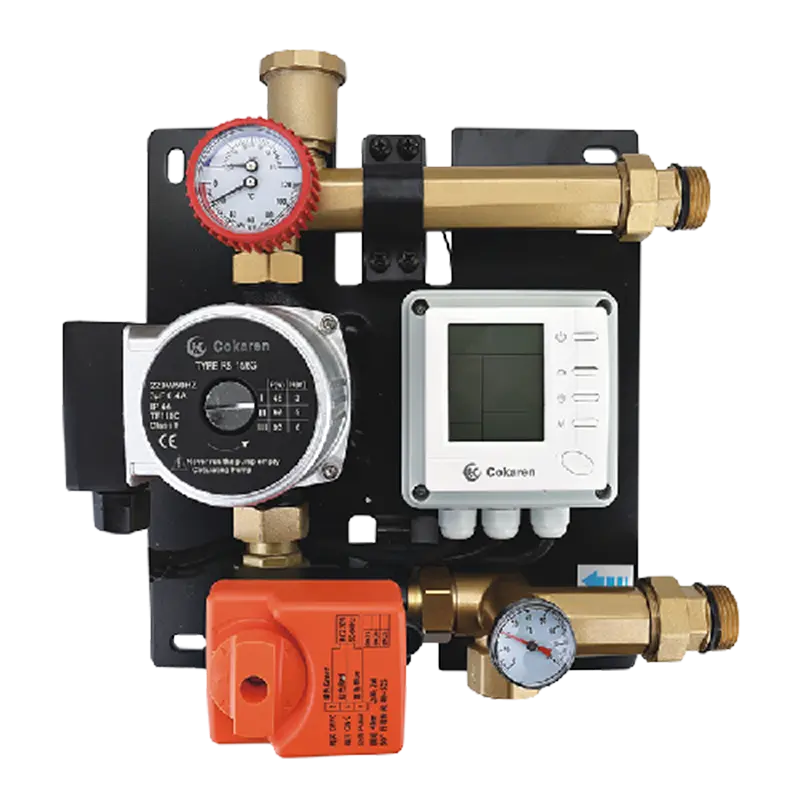
Manages water distribution for multi-room underfloor grids.
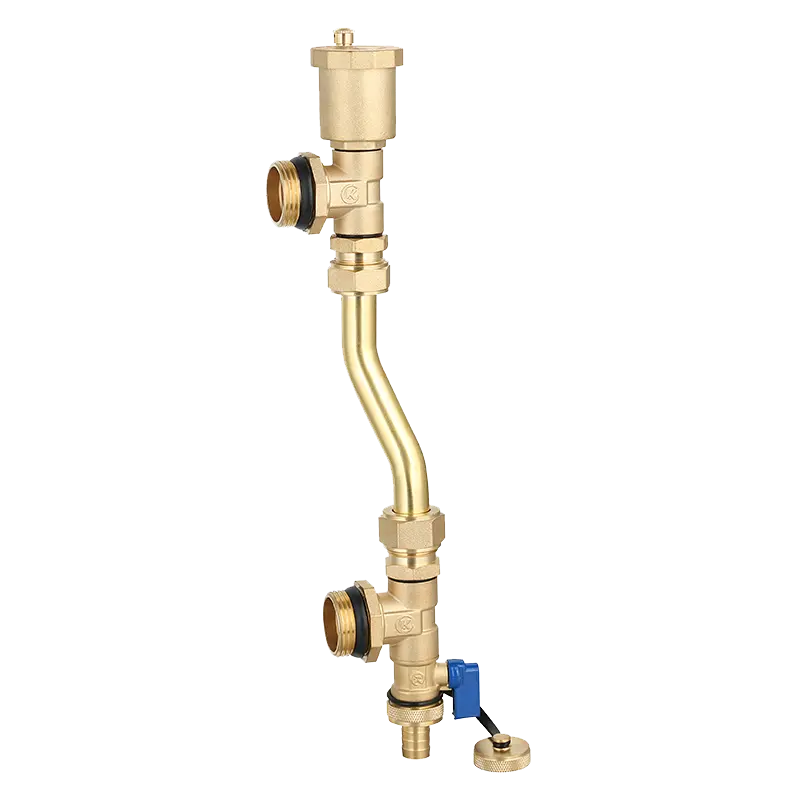
Manifold end group with integrated air release vent.
As building management systems (BMS) integrate with industrial IoT networks, water valve technology must evolve from static manual components into intelligent, responsive systems. Our technical development path centers on introducing smart diagnostics and resilient materials to eliminate leak risks.
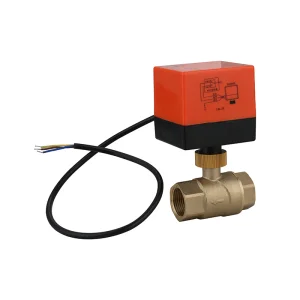
We are developing motorized ball valves with integrated micro-piezoelectric sensors. These sensors detect changes in operating torque, sending early alerts to engineers before a stem leak develops.
By coating valve seats with diamond-like carbon (DLC) and modified PTFE composites, we reduce operating torque requirements, extending seal life up to 100,000 cycles.
We continue to refine our forging processes to produce lead-free alloys. This helps clients comply with strict global safety guidelines for drinking water networks.
Technical advice from our engineering team on diagnosing, maintaining, and preventing leakage in high-pressure installations.
Explore our extended line of high-durability valves, plumbing fittings, and accessories designed for reliable flow control.