 Yongda
Yongda
Yongda
Explore our core engineering catalog designed for energy efficiency, extreme reliability, and precise temperature stabilization.

Yuhuan Yongda Fluid Control Co., Ltd. (formerly Yuhuan Yongda Plumbing Co., Ltd.) was founded in 1996 and is located in the "China Valve Capital" – Yuhuan, Zhejiang. As one of the most prominent professional plumbing valve enterprises in East Asia, we integrate research, engineering design, development, high-capacity production, and global sales under a unified quality management umbrella.
Our core portfolio is divided into three strategic segments: premium brass valves, industrial-grade brass fittings, and advanced HVAC distribution systems. Positioned in the middle and high-grade range, our products highlight eco-friendly metallurgy, structural durability, and low-torque operation, earning immense favor from commercial contractors and consumers in North America, Western Europe, and high-standard domestic networks.
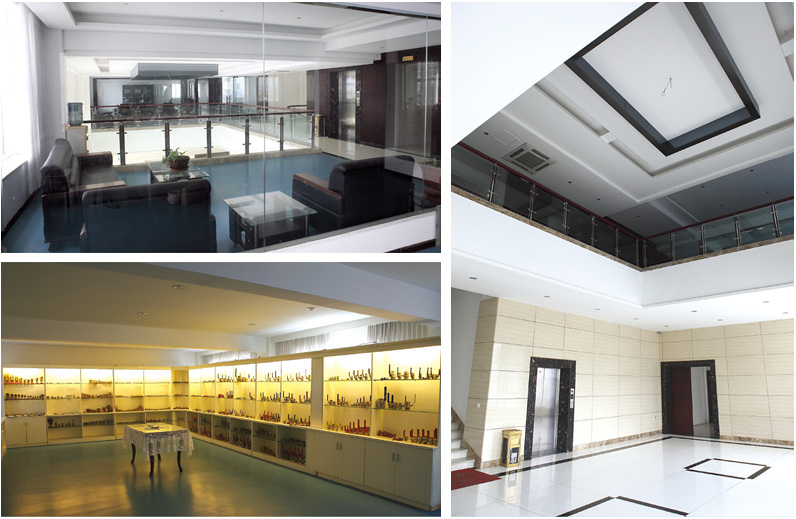
Operating a modernized manufacturing layout exceeding 45,000 square meters (with an actual usable floor area reaching 80,000 square meters), Yongda hosts more than 600 sets of advanced production and testing apparatus, including 80+ specialized multi-axis CNC machines and automated testing benches. This hardware allows us to respond rapidly to complex OEM modifications while ensuring consistent shipping velocity for high-volume orders.

Cokaren, our brand for high-end distribution manifolds and HVAC systems, is committed to creating components with refined visual properties, high-finish ergonomics, and robust performance profiles.
The brand's baseline promise, "Keep Flowing, Keep Warming", represents our commitment to domestic comfort. Every manifold and mixing loop we manufacture is built to ensure consistent thermal distribution, low pressure drops, and decades of noise-free operations.
Cokaren continues to execute its dynamic growth strategy, moving beyond component supply to provide complete, integrated underfloor heating and water management solutions for high-performance buildings.
An in-depth analysis of high-performance fluid control, material specifications, and engineering requirements in commercial HVAC and municipal piping systems.
Industrial piping and modern district heating demand robust protection against backflow. Among the different types of non-return check valves, the spring-assisted linear disc check valve (commonly referred to as the spring check valve) represents a major technical advance over traditional swing check valves. Swing check valves rely on gravity and reverse flow pressure to swing the gate closed. When fluid velocity drops rapidly, a swing valve shuts slowly, which can create a destructive water hammer that damages pipe walls, seals, and pumps.
Spring check valves use a spring to close the valve just before the forward flow stops. When the fluid velocity drops to zero, the spring pushes the disc shut, preventing backflow and mitigating kinetic shock. This quiet-closing action makes spring check valves essential for high-rise building plumbing, municipal water systems, and complex heating loops.
"By calculating exact spring constants relative to line velocities, Yongda's spring check valves close ahead of the pressure reversal wavefront, reducing peak transient surge pressure by up to 85% compared to standard gravity check valves."
Engineering procurement managers face strict regulatory and environmental challenges. Key buying considerations include:
Yongda's quality control program operates under the motto: "Fine work, no leakage." Our production lines are certified under ISO9001:2015, ISO14001:2015, and ISO45001:2018. Each batch of forged brass undergoes spectral analysis to verify alloy ratios before moving to automated machining. Finished valves receive 100% pneumatic pressure testing to guarantee leak-free performance at maximum rated temperatures.
Delivering high-precision engineering through dedication, innovation, and strict manufacturing discipline.
Struggle, Enterprising, Pragmatic, Innovative. We continuously improve our manufacturing processes and support personal growth alongside corporate advancement.
Customer first, Quality based. We work closely with engineers and purchasing agents to align our designs with regional regulatory codes.
Fine work, no leakage. We perform automated multi-stage inspections on every valve to ensure high-finish threads and solid seating.
Integrating fluid filtration, pressure reduction, and precise flow control to maximize systemic thermal efficiency.

The first line of defense in domestic water sanitation, filtering 98% of particulate impurities in incoming lines.
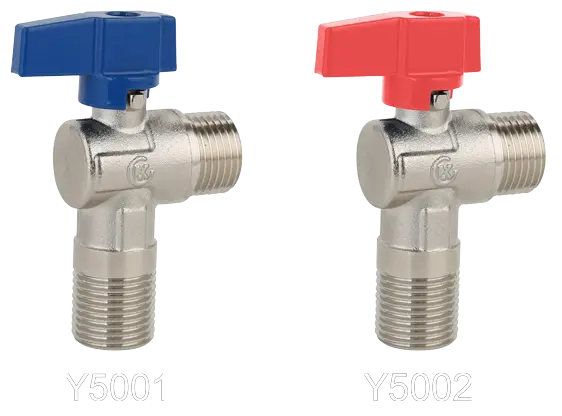
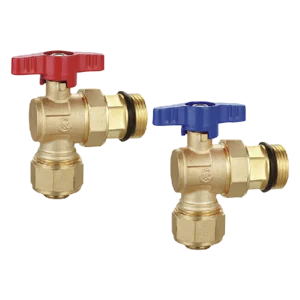
Manages cold and hot water inflows and outflows in central boilers, utilizing a low-torque spherical spool.
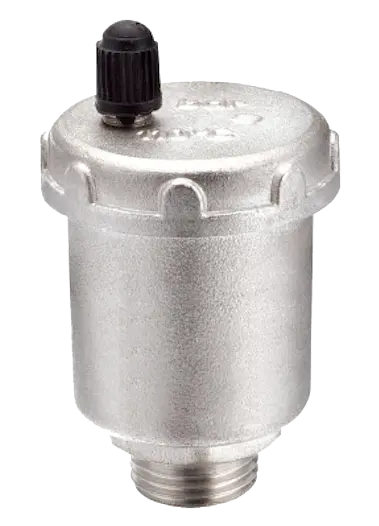
Continuously discharges accumulated air in air-source water heaters to maintain system pressure balance.
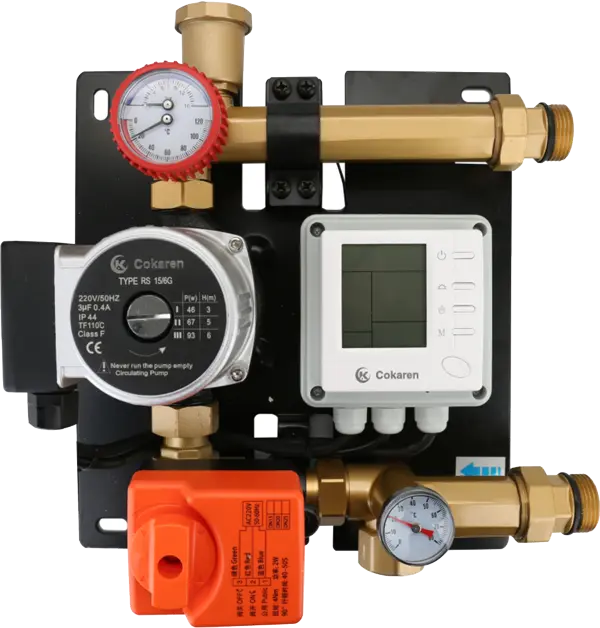
Mixes hot and cold water streams to stabilize outlet temperatures and protect downline piping from thermal stress.

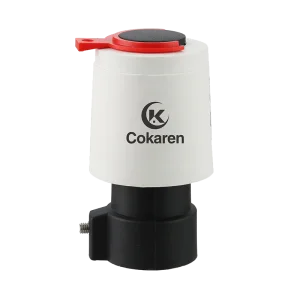
Communicates with actuators and mixing units to regulate multi-zone space temperatures dynamically.
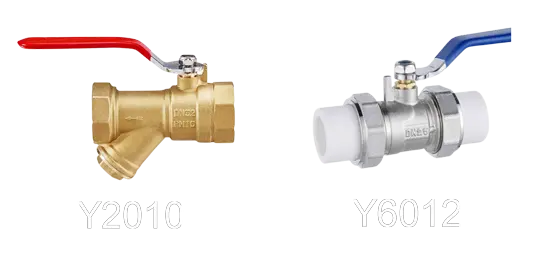
Filters debris, controls back-end manifold loops, and measures temperature and fluid pressure.
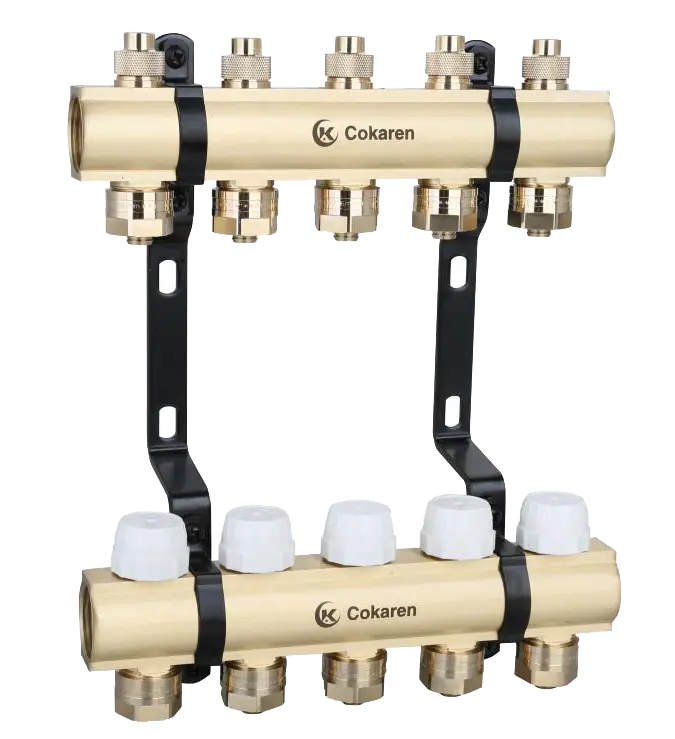
Distributes flow to separate heating zones and balances multi-loop underfloor hydronic setups.

Supporting elements for structural connections, purging loops, and mechanical expansion control.
Browse our catalog of check valves, filter valves, gate valves, and pressure-reducing devices.
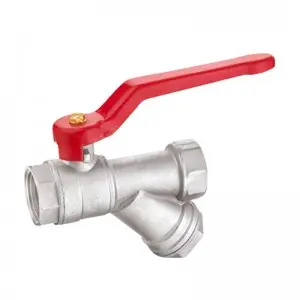
Combines isolation and filtration in a single brass body, reducing space requirements.
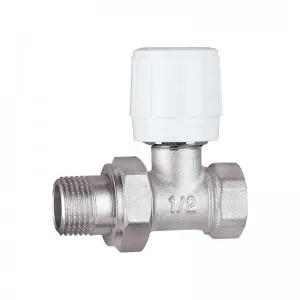
Manual and thermostatic control options for hydronic radiators and heating loops.
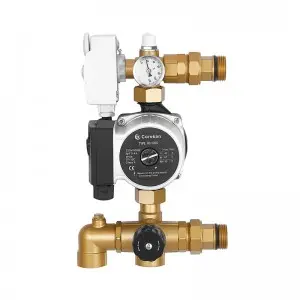
Balances incoming temperatures in floor heating loops to protect structural concrete.
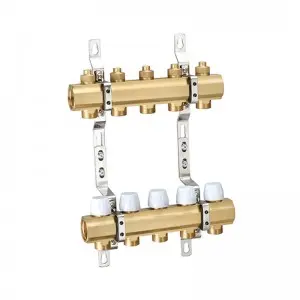
Heavy-duty forged body featuring multiple ports, flow meters, and balancing valves.
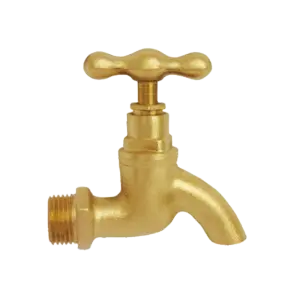
Cokaren-grade outdoor hose connector with freeze-resistant body and ergonomic handle.
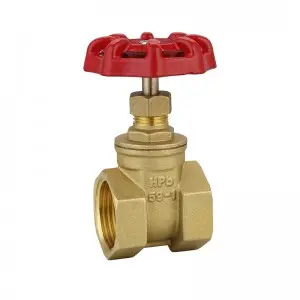
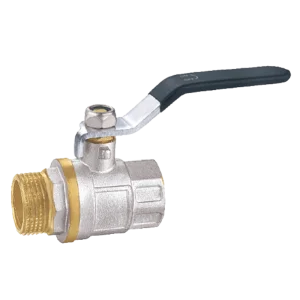
Solid brass gate valve offering low flow resistance and reliable shutoff for water networks.
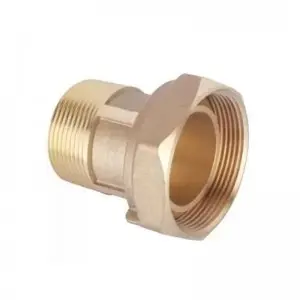
Precision-threaded brass connector tubes for utility and commercial meter setups.
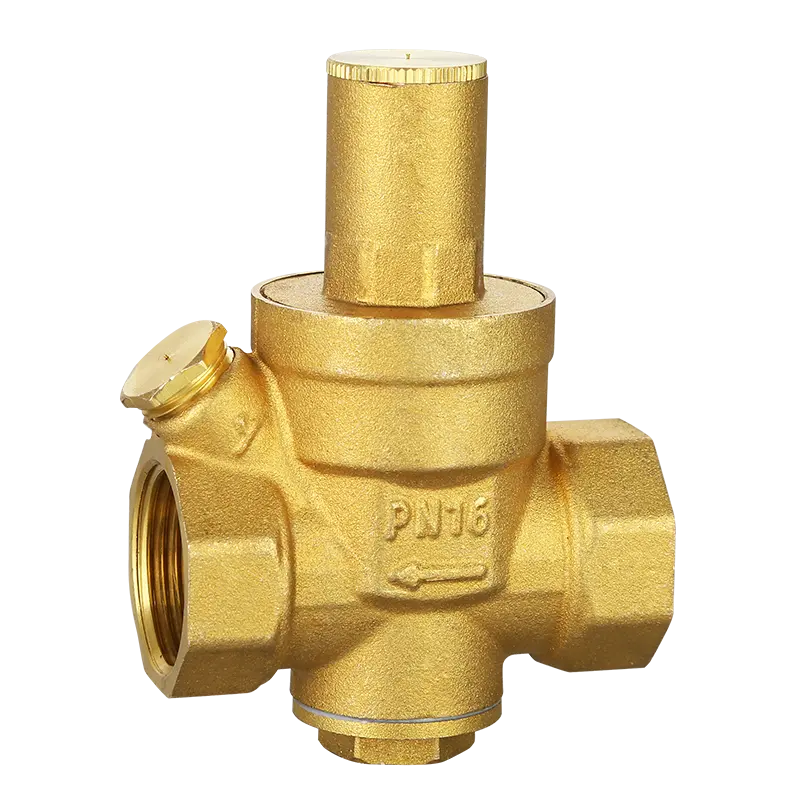
Includes water pressure reducing valves and piston-based pressure regulation.
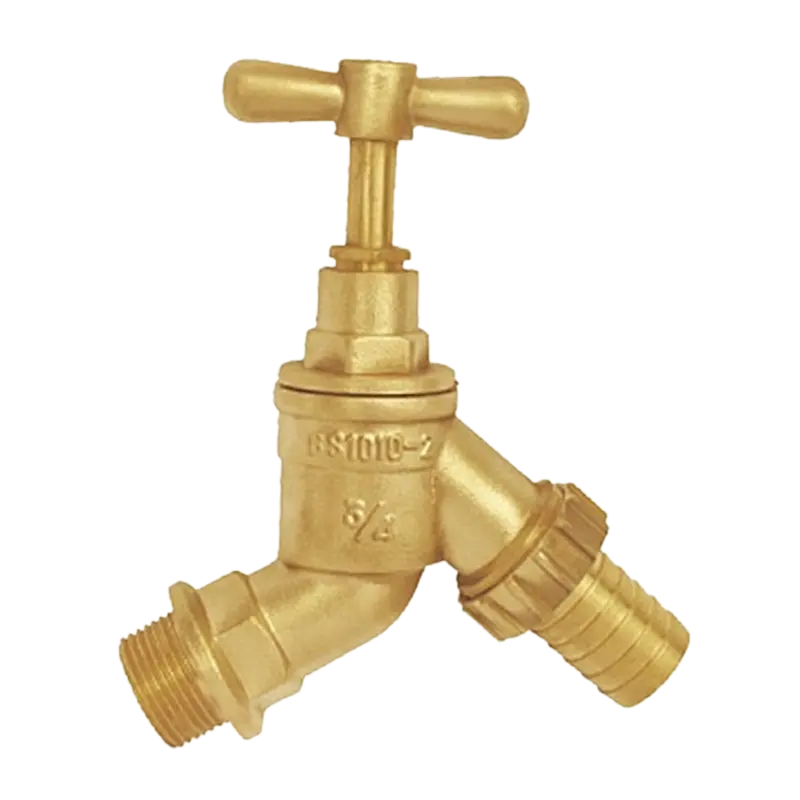
External thread hose tap featuring integrated safety water stop checks.
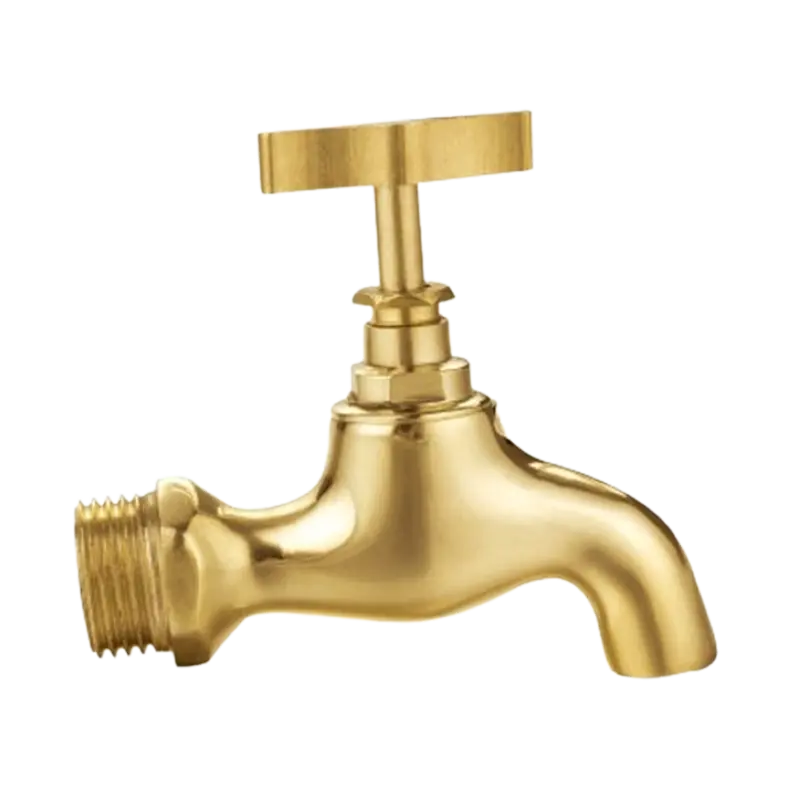
Corrosion-resistant forged brass tap for domestic and light commercial applications.
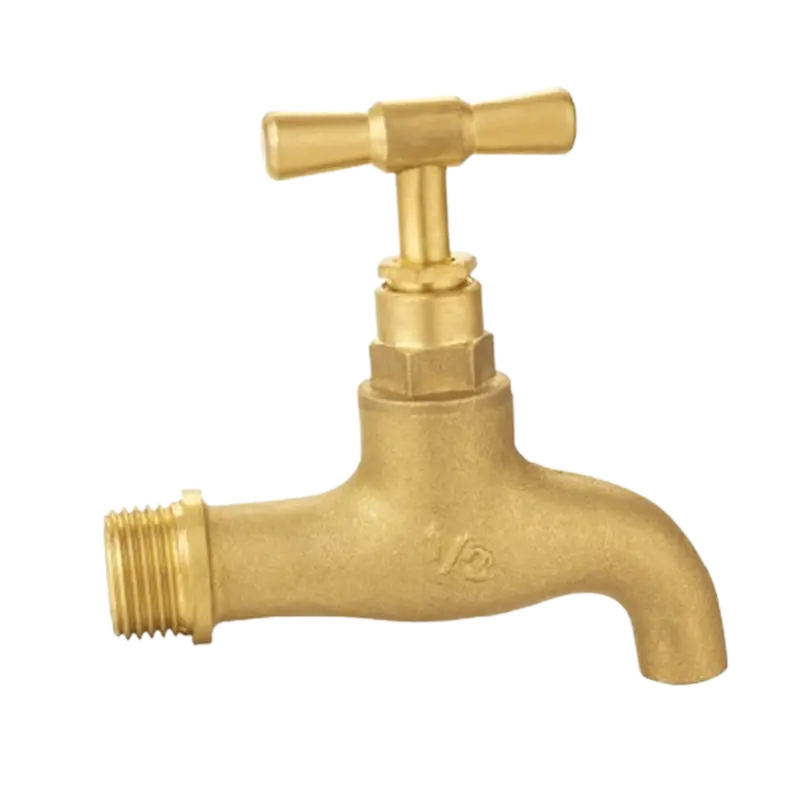
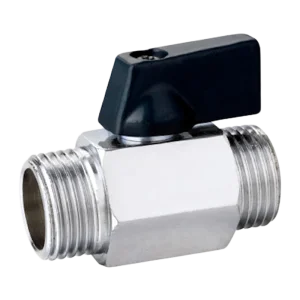
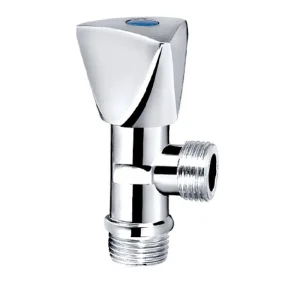
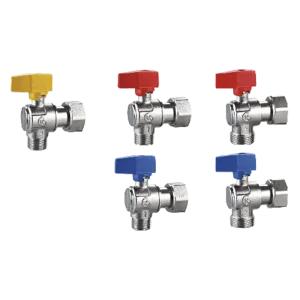
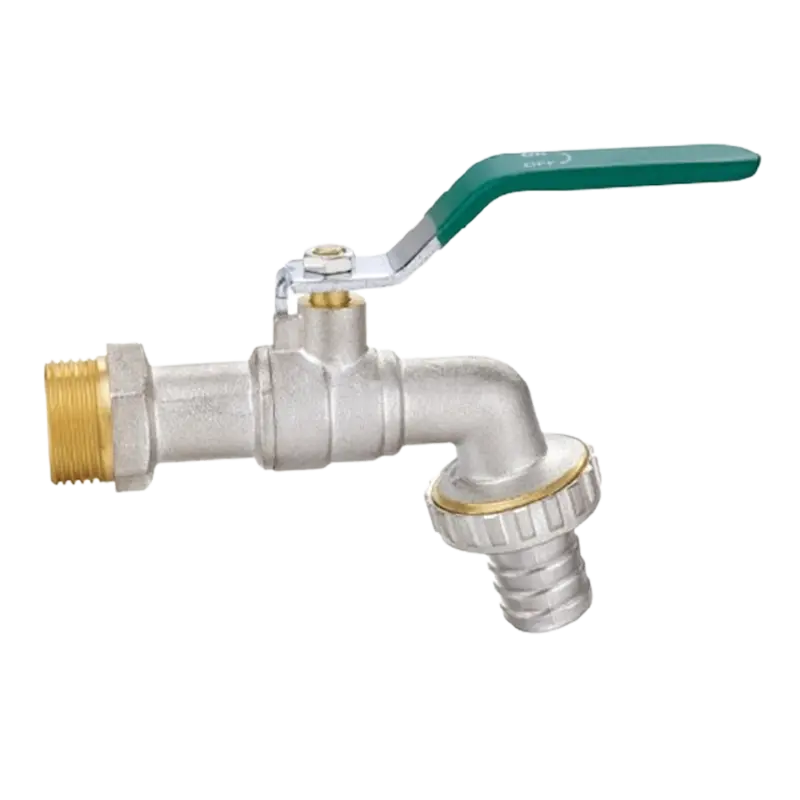
Compact, quarter-turn shutoff ball valve featuring an integrated outlet hose barb.
Protects closed pressure vessels from pressure spikes by discharging excess fluid.
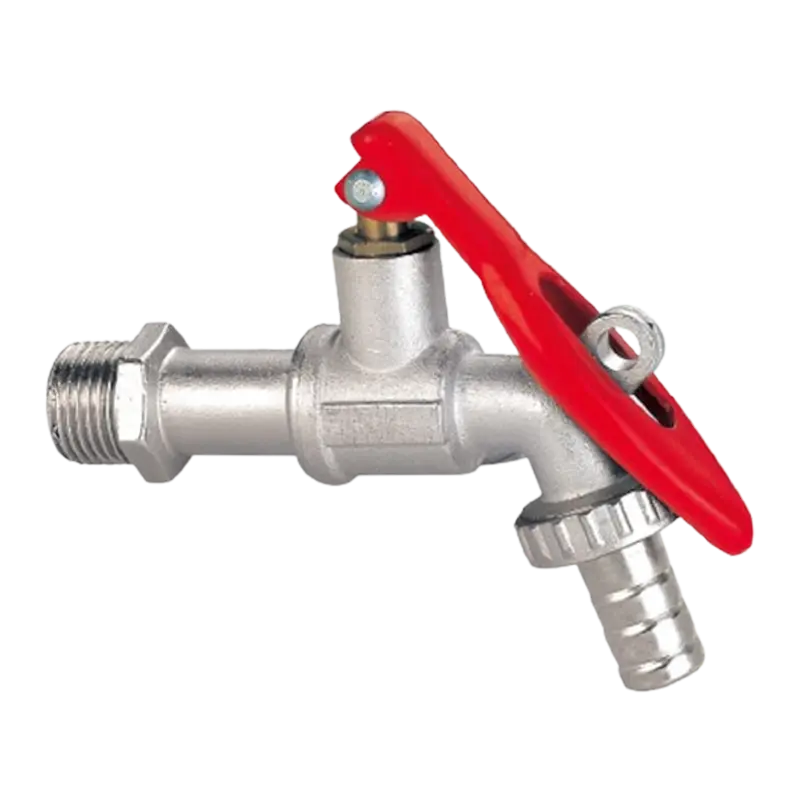
Lockable sanitary ball valve faucet designed for public and outdoor installations.
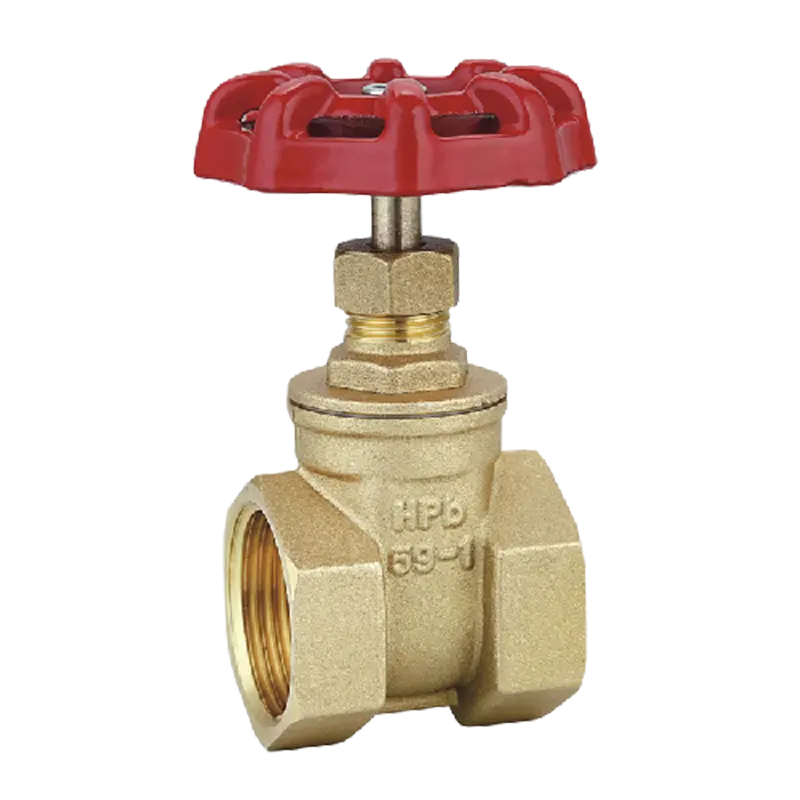
Heavy-pattern body with clean BSP/NPT threads for simple integration.
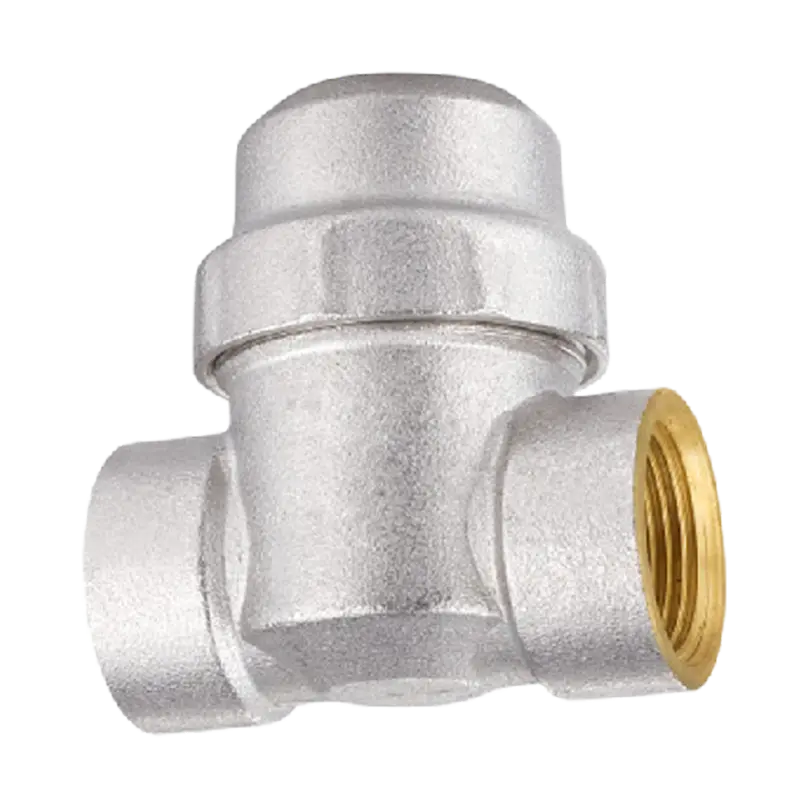
Double-duty configuration with integrated mesh screen to trap debris before the seat.
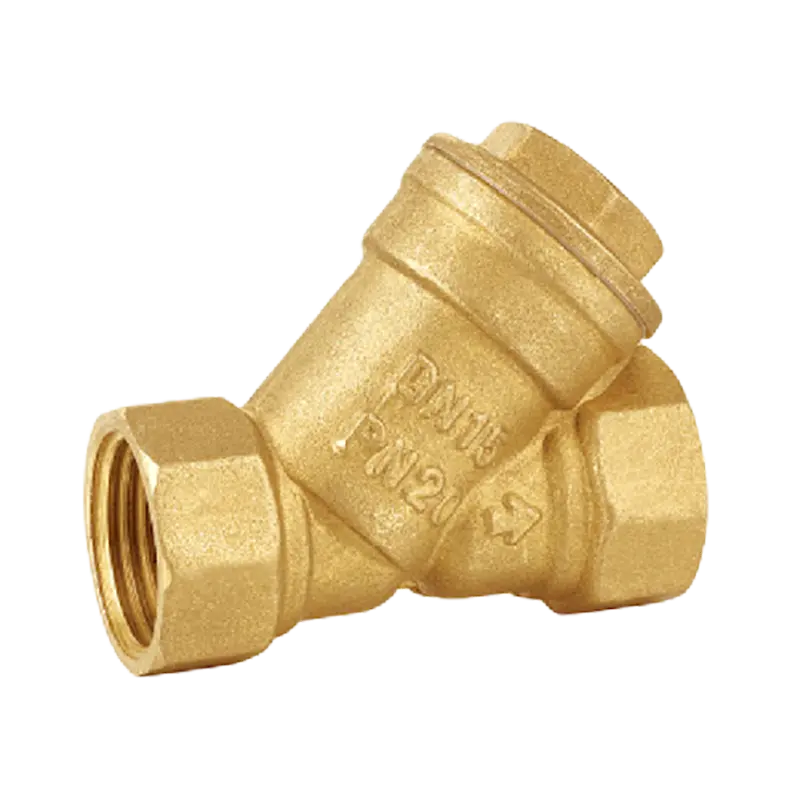
Essential inline safety element to protect pumps and control valves from grit.
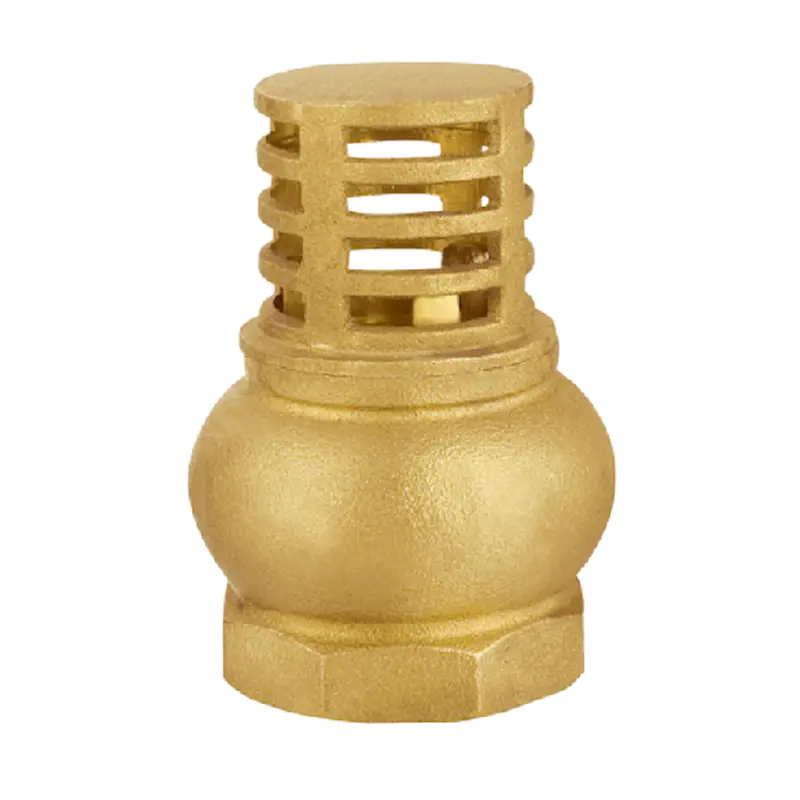
Features an integrated brass filter basket, ideal for pump suction line intake points.
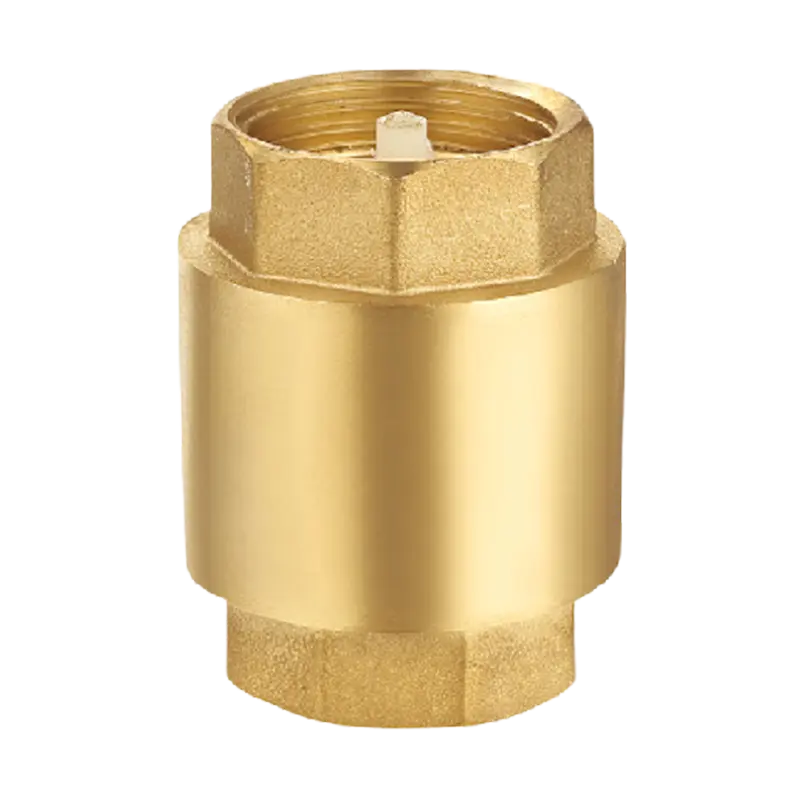
Silent, spring-assisted seat designed for vertical and horizontal installations.
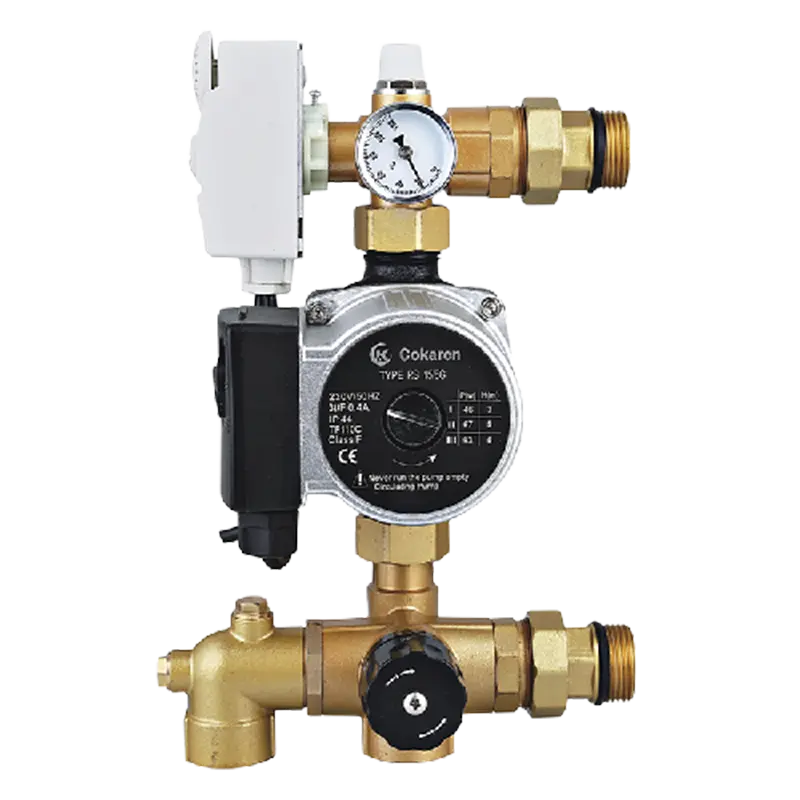
Complete assembly with mixing loop, circulation pump interface, and bypass.
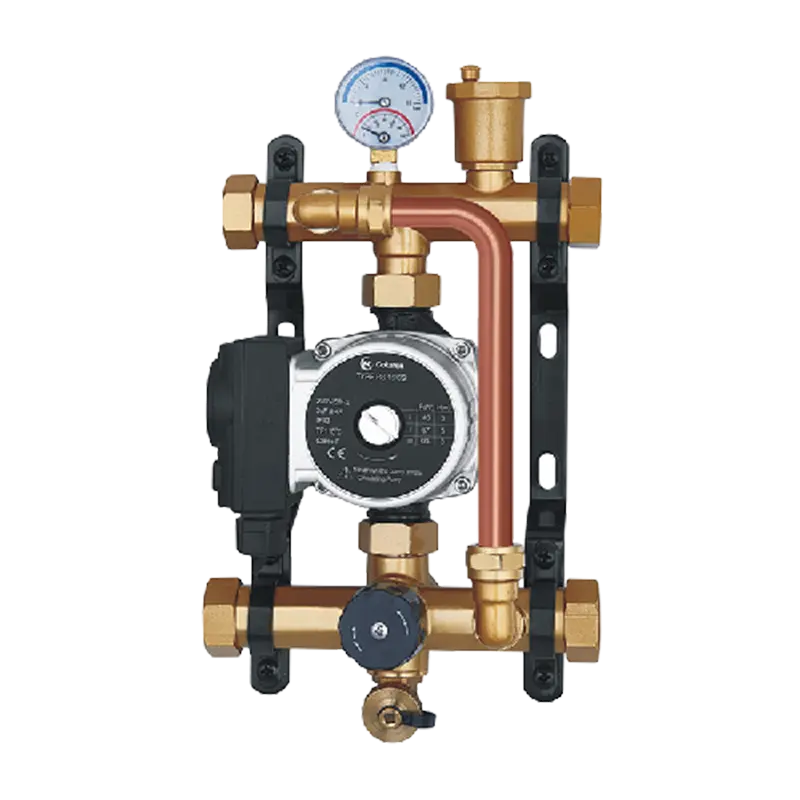
Controls flow rates automatically to keep fluid temperatures within defined limits.
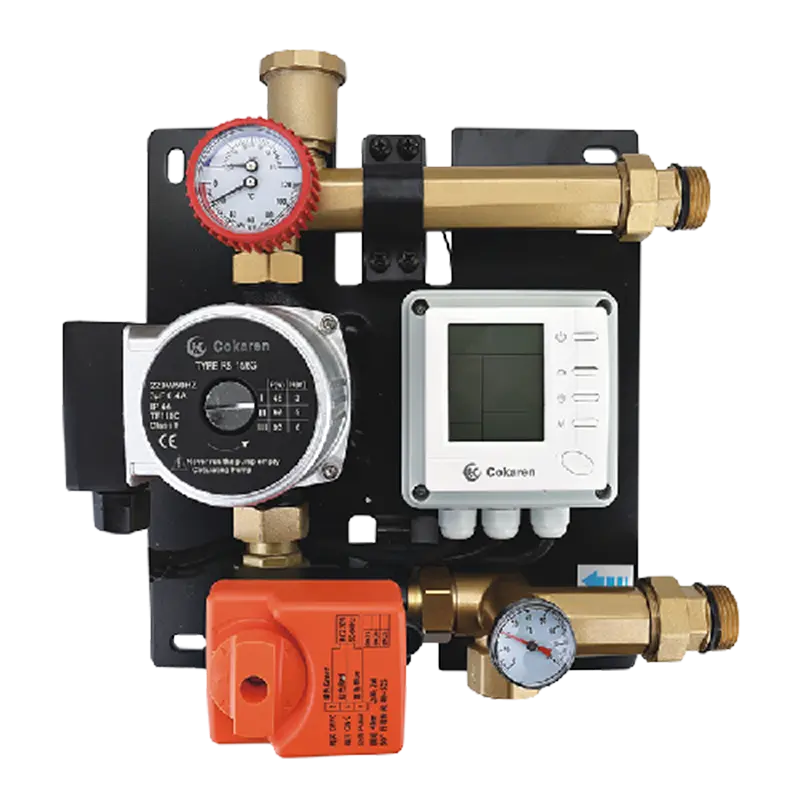
Multi-loop mixing center designed for residential and commercial radiant heating networks.
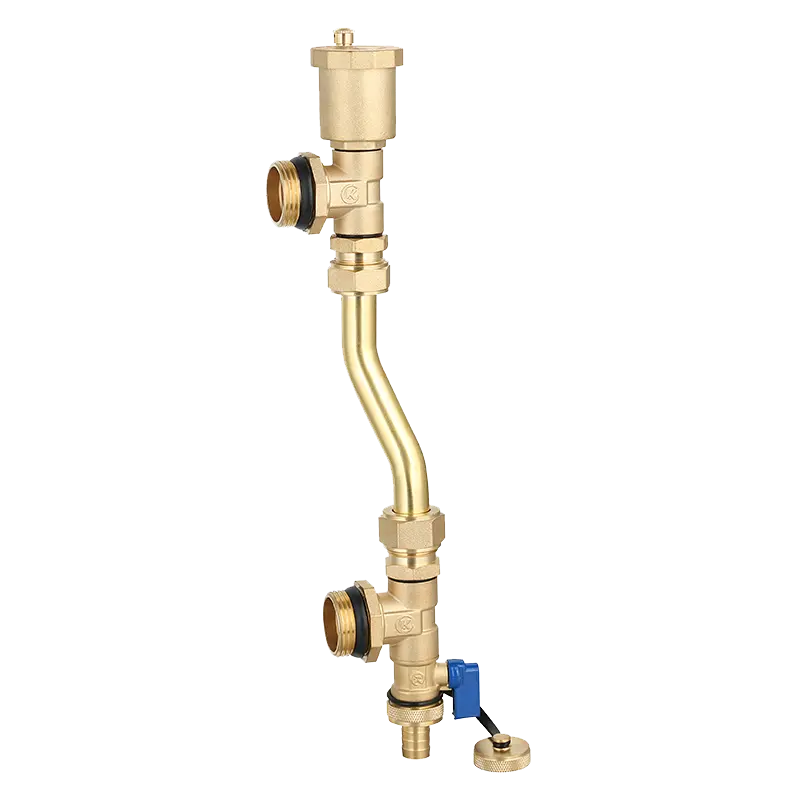
Balances system pressure fluctuations when zoning valves open or close.
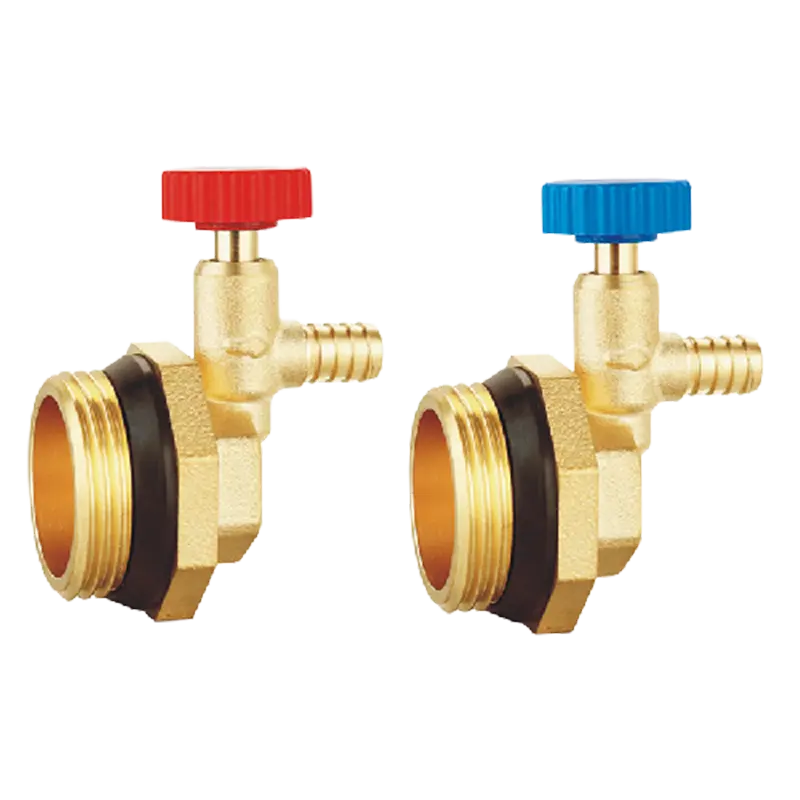
Combines a manifold end cap with a manual purge valve for purging trapped air.
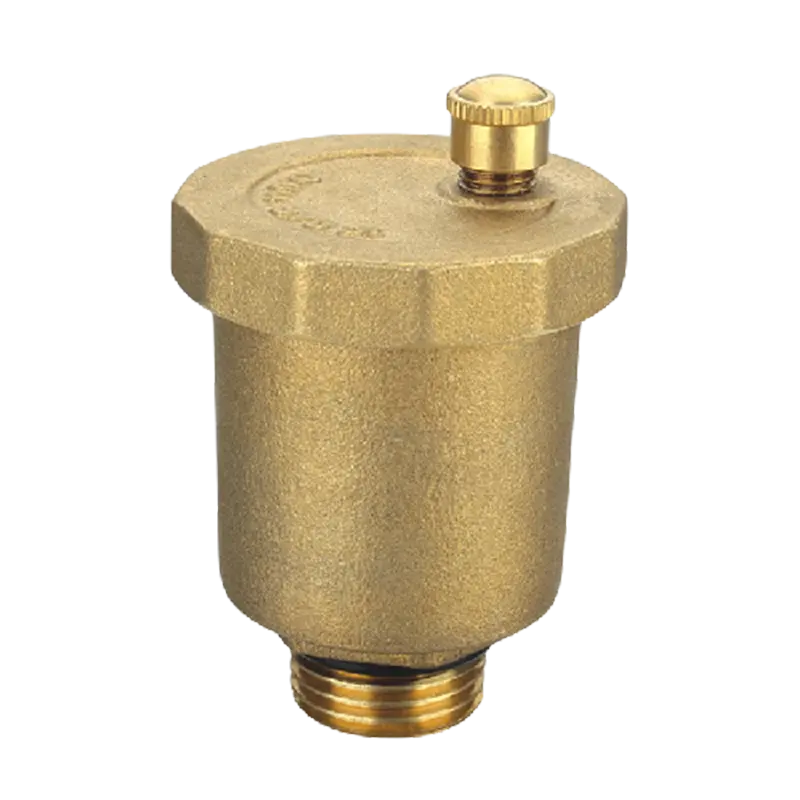
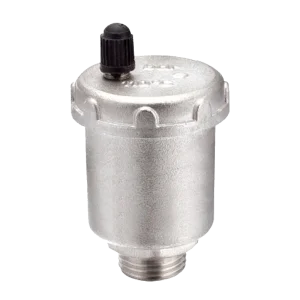
Customizable, adjustable float valve that vents air bubbles automatically from closed loops.
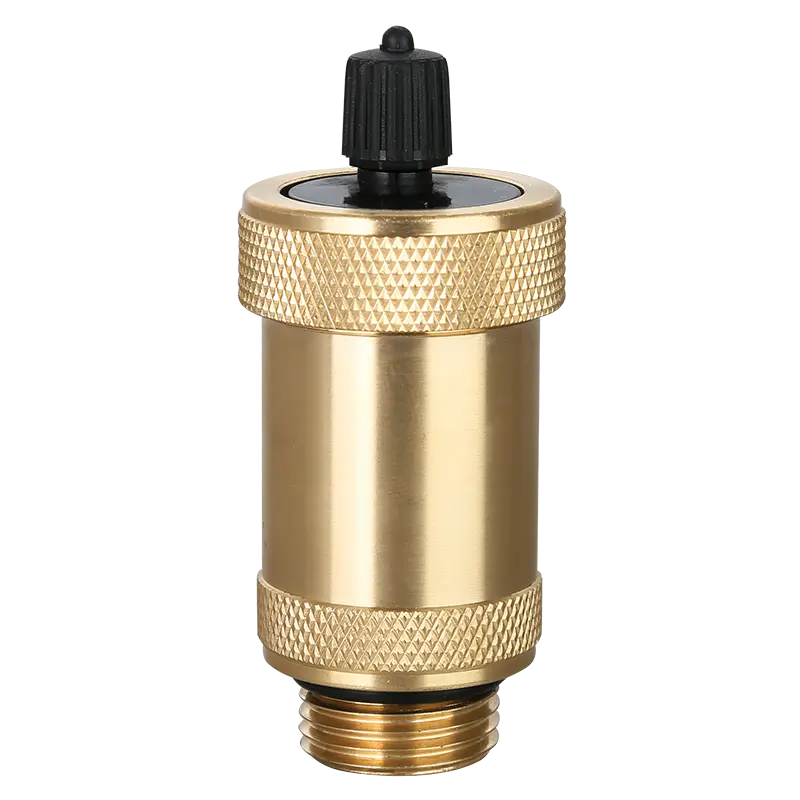
Heavy-duty brass vent designed for boiler headers and high-temperature risers.
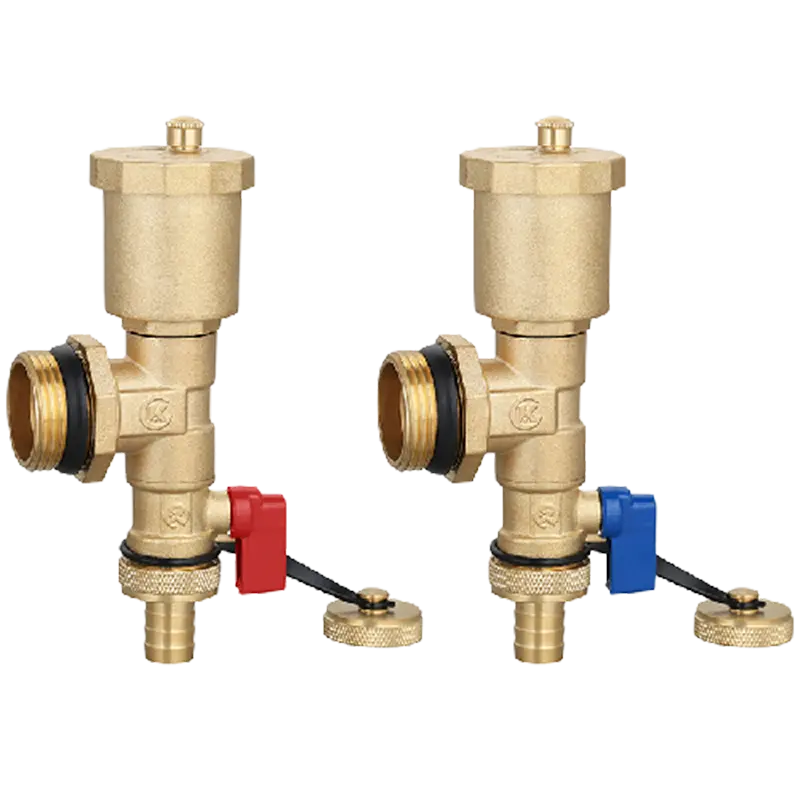
Combined end-unit manifold accessory for venting air and draining water.
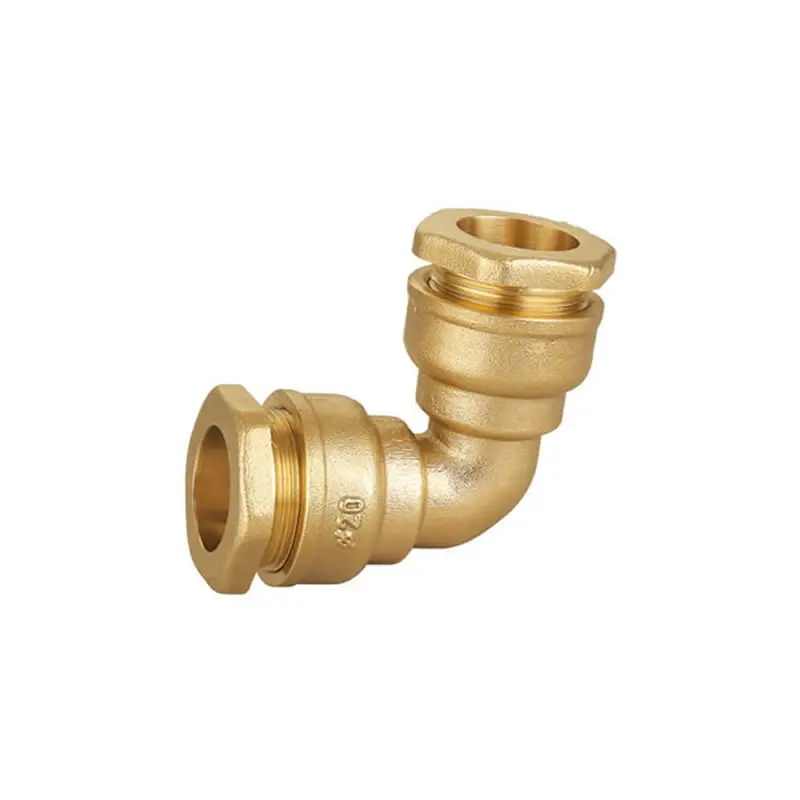
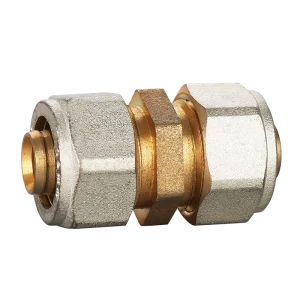
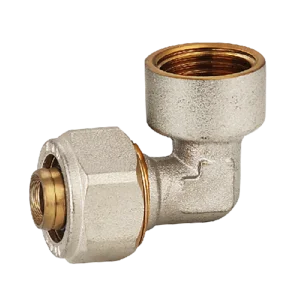
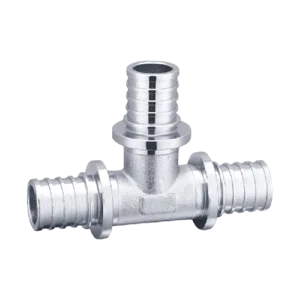
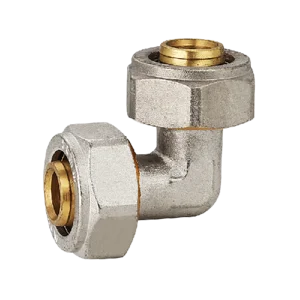
High-tensile brass joints designed to provide a secure seal on PE/PEX pipes.
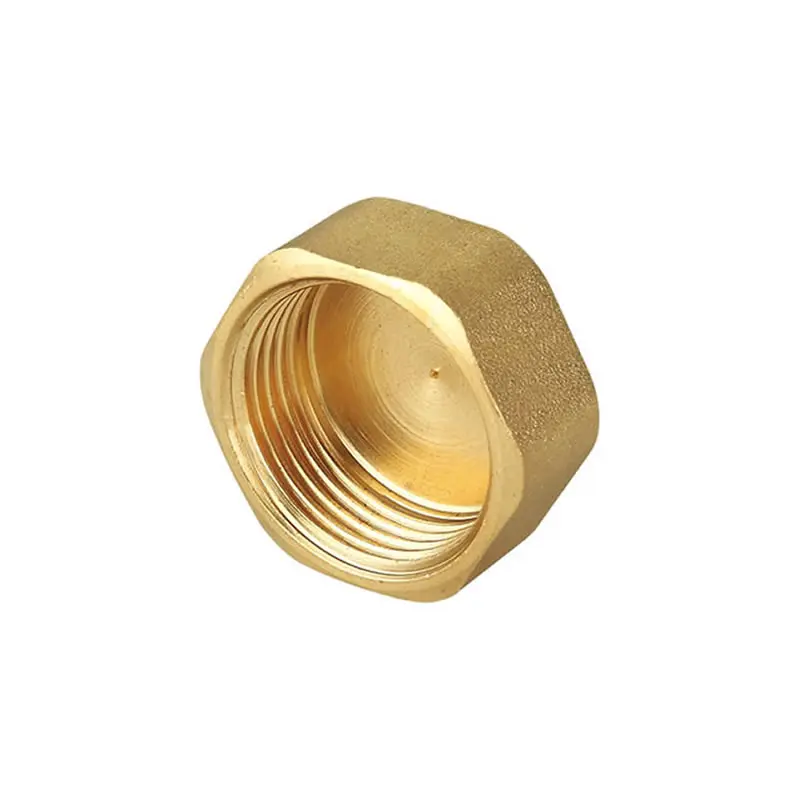
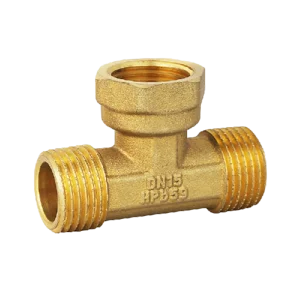
Complete range of nipples, adapters, elbows, and couplings in yellow brass.
Machined barb connectors designed for industrial hose connections under high pressure.
Strategic directions in metallurgy, smart monitoring, and global environmental compliance.
Global environmental regulations continue to tighten, with regions like Western Europe and North America restricting lead content in potable water systems. Our metallurgical research focuses on transition alloys, such as silicon-bismuth brasses. These alloys maintain the machinability and corrosion resistance of standard brass without containing toxic metals.
Modern commercial buildings rely on real-time data to optimize HVAC performance. Yongda's future product roadmap includes integrating digital sensors directly into our manifold end groups and mixing systems. These sensors monitor temperature differential, flow rate, and pressure drop, communicating with building management systems via Modbus or BACnet protocols to identify blockages or leaks automatically.
Reducing energy consumption in pumping stations requires minimizing pressure drops across all valves. Using CFD software, we refine the internal flow channels of our spring check valves, shaping the disc and seat to minimize turbulences. This design reduces head loss, saving pump energy over the lifetime of the installation.
Expert answers regarding fluid dynamics, material selection, and installation requirements for check valves and manifolds.
Cracking pressure is the minimum upstream pressure required to overcome the spring force and crack the valve disc open to initiate flow. It is critical because a cracking pressure that is too high causes excess head loss and wastes pump energy, while a cracking pressure that is too low can lead to valve chatter or incomplete sealing at low flow rates. Yongda balances this by customizing spring rates based on the system's target flow rates.
Water hammer occurs when fluid in motion stops suddenly (e.g., when a pump shuts down or a valve closes quickly), creating pressure shockwaves. Unlike gravity check valves that close slowly and allow flow to reverse, a spring check valve uses its spring to close the disc just as flow velocity approaches zero. By shutting before the flow reverses, it prevents the shockwaves that cause water hammer.
CW617N is a European standard brass alloy (CuZn40Pb2) optimized for hot forging and machining. It provides a precise balance of mechanical strength, ductility, and corrosion resistance. It is widely used in high-stress HVAC and plumbing installations because it resists cracking and degradation under temperature fluctuations better than standard scrap-recycled brasses.
A Y-strainer should always be installed upstream of the check valve. This position ensures that sand, solder debris, or pipe scale are trapped before reaching the check valve's seat. Debris on the seat can damage the elastomer seals (such as EPDM or Viton) and cause backflow leakage.
Yes. With over 80 sets of specialized CNC machines and an in-house engineering team, we customize connection threads (BSP, NPT, or sweat connections), cracking pressure ranges, spring materials (SS304 or SS316), and body markings to meet specific OEM partner standards.
Complete your hydronic and plumbing designs with our certified brass fitting systems and specialized control valves.