 Yongda
Yongda
Yongda
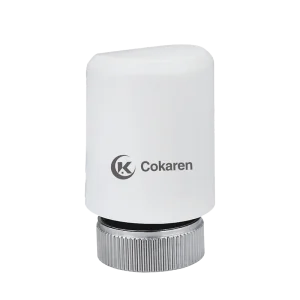
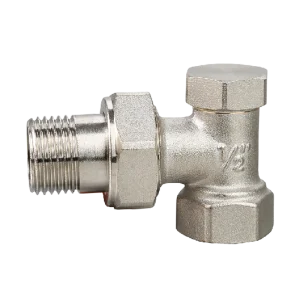
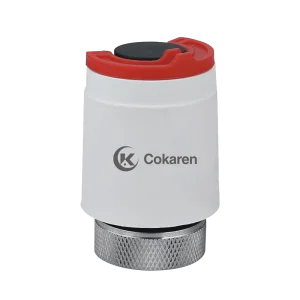
In modern HVAC networks, energy distribution networks, and fluid management systems, the selection of the correct actuation state is a fundamental engineering decision. A Normally Open (N.O.) valve is structured such that in the absence of external power, actuation signals, or mechanical compression, the inner plug remains in the open configuration. This state ensures uninhibited fluid flow. When an actuation command is delivered (either through thermoelectric heating elements or electric solenoid coils), the internal driving element compresses the main spring to shut off the fluid path.
Understanding the architectural distinction between Normally Open (N.O.) and Normally Closed (N.C.) systems is critical. N.O. configurations are preferred in systems where uninterrupted circuit flow is vital for safety, cooling, or pressure balance, preventing system over-pressurization during unexpected power failures. For example, in primary thermal loops, keeping the flow path open protects boilers and chillers from heat stagnation, mitigating the risk of thermal shock and piping failures.
The global demand for high-performance brass N.O. valves, zone regulators, and electro-thermal actuators has experienced significant expansion. Driven by strict energy regulations like the European Union's Energy Performance of Buildings Directive (EPBD) and North American ASHRAE guidelines, hydronic design engineers are moving away from manually controlled balancing valves toward intelligent automated zone manifolds. The design trend integrates low-lead or dezincification-resistant (DZR) forged brass structures with digital actuators to optimize flow patterns dynamically.
Furthermore, the growth of smart district heating networks and heat pump integrations requires robust mechanical seals that withstand frequent cycling. High-performance mechanical properties, low hydraulic resistance, and precision engineering are the defining hallmarks of modern valve technology.
Founded in 1996 in Yuhuan, Zhejiang—widely recognized as the "China Valve Capital"—Yuhuan Yongda Fluid Control Co., Ltd. (formerly Yuhuan Yongda Plumbing Co., Ltd.) has evolved into a key player in the professional plumbing valve sector. By integrating design, material research, tooling development, precision production, and strict testing protocols under a single roof, the company has consistently delivered reliable fluid control solutions to global markets.
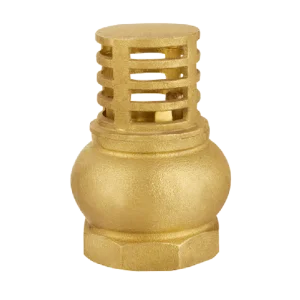
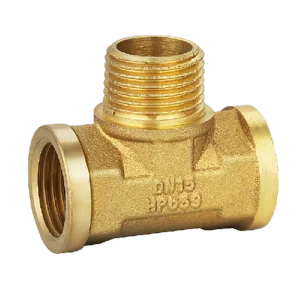
The company specializes in three primary product ranges: premium brass valves, durable piping fittings, and highly engineered HVAC system accessories. Positioned in the mid-to-high-end segment, the products emphasize environmental safety, eco-friendly materials, and reliable engineering. These values are well-aligned with the demands of buyers in North America, Europe, and neighboring regions.
Under the new brand, Cokaren, the company focuses on refined structural designs, premium quality, and prompt customer service. Operating under the brand promise, "Keep flowing, keep warming", Cokaren designs water system accessories to enhance comfort and durability in residential and commercial spaces.
To support this high-precision engineering commitment, the company operates a state-of-the-art facility covering 45,000 square meters, with a total usable area of over 80,000 square meters. The machinery floor houses more than 600 sets of advanced manufacturing and testing equipment, including 80+ dedicated custom machine tools designed for complex internal chamber structures.
This deep vertical integration allows the factory to meet stringent customized requirements and execute large OEM/ODM production runs. Exporting to over 20 countries worldwide, Yuhuan Yongda has built a reputation on stability, precision, and reliable quality management.
An efficient underfloor hydronic heating and HVAC system requires more than individual valves. It demands a systematic energy distribution network where manifold systems, thermal actuators, and temperature-control bypass loops interact in harmony to minimize energy loss.

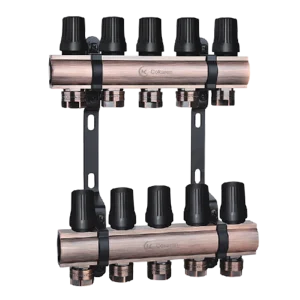
Advanced hydronic control framework designed to route heated media efficiently across residential thermal zones.

The first line of defense in domestic water sanitation, filtering 98% of physical impurities.
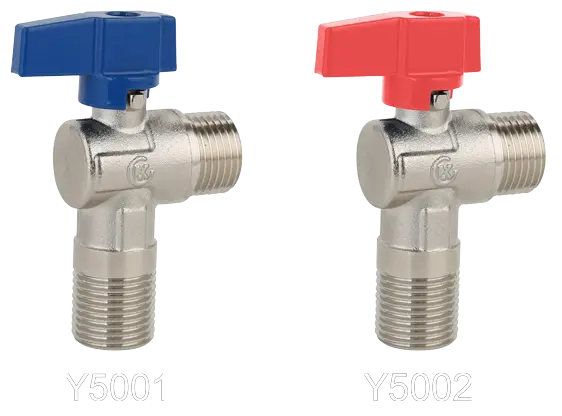
Controls flow routing in heat generation systems, utilizing a high-precision spherical spool.
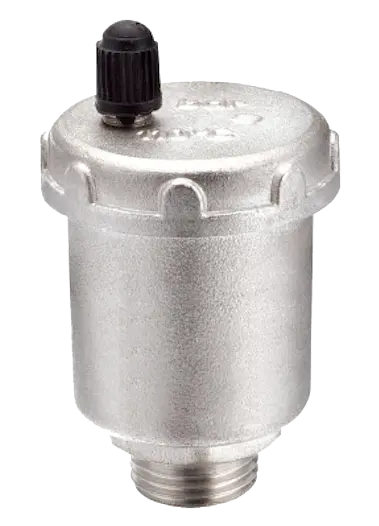
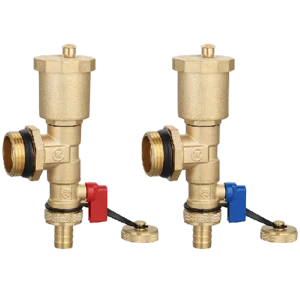
Discharges trapped air pockets from hydronic systems to maintain pump head efficiency and thermal transfer.
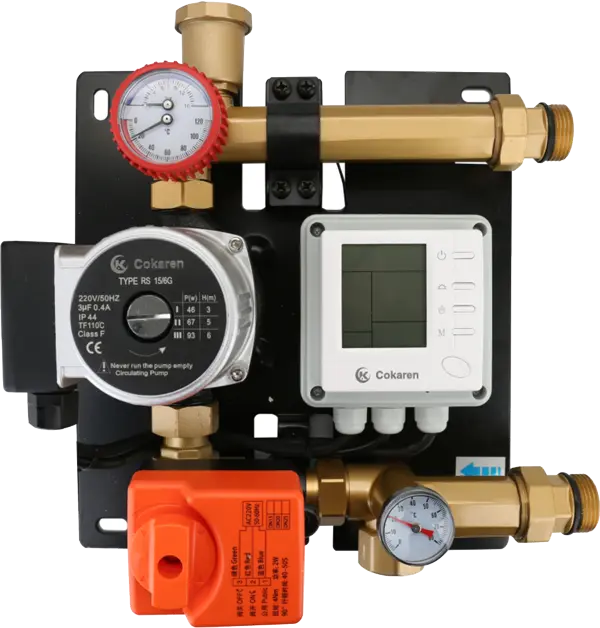
Blends return water with hot feed streams to stabilize supply loop temperatures and protect thermal piping.
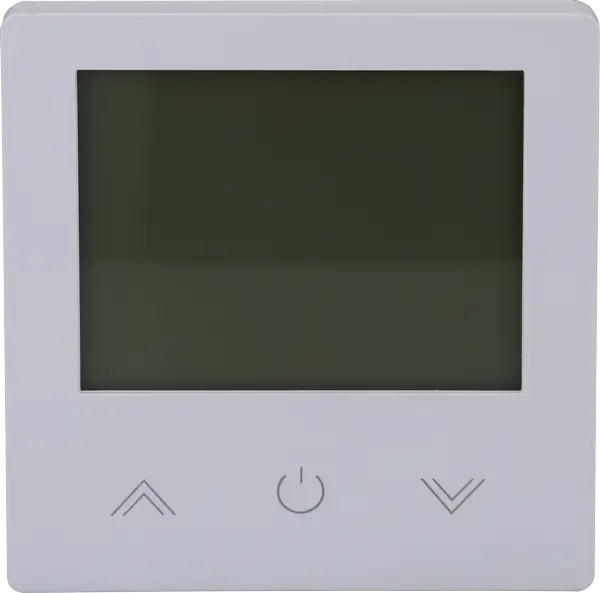
Coordinates actuators, pumps, and mixing systems to deliver responsive zone-by-zone temperature regulation.
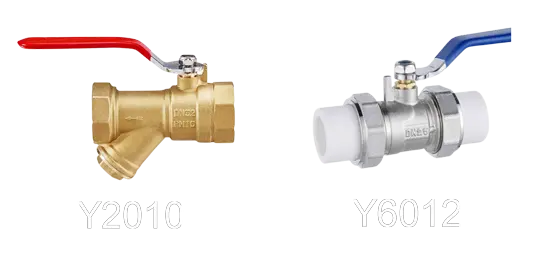
Integrates system filtration, isolation, pressure monitoring, and zone configuration in a unified assembly.
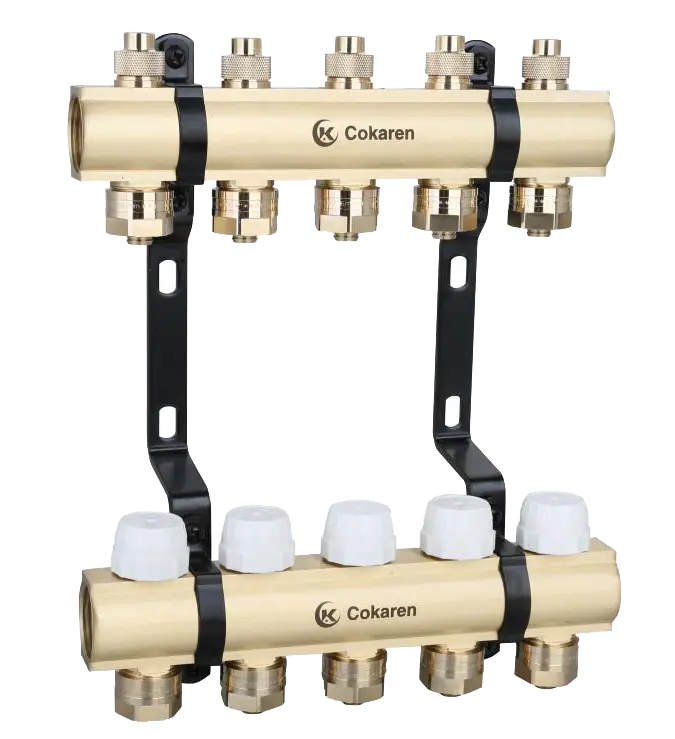
Balances and routes flow pathways across multiple zones, ensuring even thermal profile distribution.
Modern valve design requires tight control over raw materials and physical geometry. The company utilizes a hot forging process that increases tensile strength and eliminates internal voids, which are common in cheaper sand-casting alternatives. Using precise temperature-controlled induction heaters, solid brass billets are forged under high pressure into final shape, ensuring uniform wall thickness and resistance to water hammer.
The company maintains a strict "fine work, no leakage" quality policy. Every single valve is subjected to automated air and hydrostatic pressure testing before final packaging. This testing verification ensures zero microporosity, protecting residential and commercial systems from water damage.
Environmental regulations demand reductions in lead content in drinking water and space-heating networks. Yuhuan Yongda's research focuses on dezincification-resistant (DZR) brass alloys such as CW602N and CW617N. These materials undergo targeted thermal treatment to prevent the selective leaching of zinc in corrosive water conditions, maintaining mechanical integrity over decades.
Looking ahead, the company is aligning its technical roadmap with upcoming smart grid frameworks. Integrating low-power electro-thermal actuators with IoT-enabled room thermostats allows systems to dynamically adapt to variable heating loads, reducing thermal waste and maximizing seasonal energy efficiency.
A Normally Open (N.O.) actuator keeps the valve port uncompressed (allowing flow) when power is cut. A Normally Closed (N.C.) actuator shuts off flow when unpowered. N.O. systems are typically chosen for systems requiring fail-safe circulation, preventing stagnant loops or freezing in colder climates during power loss.
Dezincification-resistant (DZR) brass prevents zinc from leaching out of the copper-zinc alloy matrix when exposed to oxygenated or slightly acidic water. This maintains the structural integrity of the valve body, preventing micro-leaks, thread scaling, and mechanical failures under thermal stress.
Industrial-grade plumbing and HVAC components require quality certifications, including ISO 9001:2015 for quality management systems, ISO 14001:2015 for environmental management, and CE certifications for electro-thermal actuators to ensure electrical safety and electromagnetic compliance.
With over 600 sets of advanced testing and production equipment, Yuhuan Yongda uses precise CNC machining, hot-forging presses, and automated testing machinery. Every valve undergoes bubble-tight sealing checks to guarantee zero defects before shipment, matching our quality commitment: "fine work, no leakage".