 Yongda
Yongda
Yongda
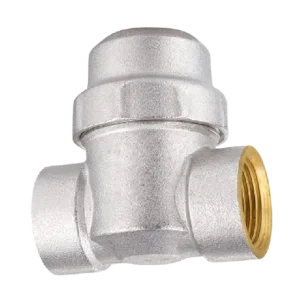
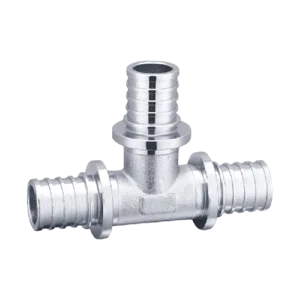
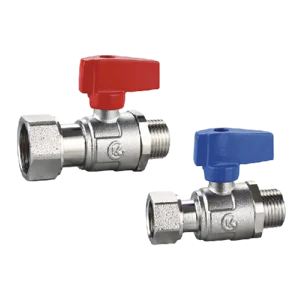
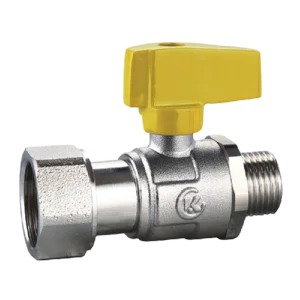
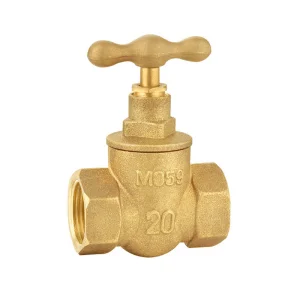
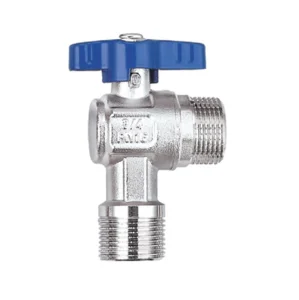
Within high-performance piping architectures, industrial fluid distribution systems, and HVAC engineering, the selection of the correct flow-control hardware dictates the safety, efficiency, and longevity of the entire loop. Among these, the Male Ball Valve stands out as a critical junction point. Combining male-threaded end connections with standard rotary spherical closing mechanisms, these valves facilitate direct integration into female ports without requiring intermediate nipples or fittings. This reduces potential leak paths while lowering overall installation costs.
As standard piping designs become more space-restricted and demanding, global procurement departments and engineering firms are shifting away from generic off-the-shelf valves. Instead, they increasingly favor high-specification ODM (Original Design Manufacturer) solutions. This shift allows engineers to customize brass alloy compositions, wall thicknesses, port dimensions, handle orientations, and sealing compounds to meet the exact thermomechanical stresses of their localized industrial environments.
With modern compliance standards (such as NSF/ANSI 61 and EN 12165) tightening restrictions on heavy metals in potable water networks, the transition to DZR (Dezincification Resistant) and Lead-Free brass alloys represents the most significant shift in fluid control manufacturing today.
Industrial brass ball valves are no longer considered isolated manual shutoffs. Modern mechanical designs treat them as integrated elements of larger thermal distribution loops, solar-thermal arrays, pressure-reducing systems, and automated building management networks (BMS). The integration of male connections on one or both ports serves specific strategic purposes:
Founded in 1996 and located in the recognized valve hub of Yuhuan, Zhejiang, Yuhuan Yongda Fluid Control Co., Ltd. (formerly Yuhuan Yongda Plumbing Co., Ltd.) has grown into a leading manufacturer of professional plumbing valves. Our operations integrate design, development, production, and sales.
Our product portfolio is built on three core pillars: brass valves, plumbing fittings, and specialized HVAC system products. We position our components in the medium-to-high-grade segments, highlighting their environmental safety and long-term durability. This focus has earned us strong placement and approval in North American and European markets.
Operating a manufacturing footprint of more than 45,000 square meters (with actual usable shop-floor area reaching 80,000 square meters), our plant is equipped with over 600 sets of advanced production and testing machines. This includes more than 80 specialized multi-axis machine tools. Our precision machinery allows us to meet diverse customer specifications and export high-integrity components to more than 20 countries.
At Yongda, our progress is driven by a clear corporate identity:
Complementing our core manufacturing capabilities, our brand, Cokaren, focus on developing products with clean external styling and high-performance operation. Under the brand promise "keep flowing, keep warming", Cokaren delivers home climate comfort through reliable water system accessories. Cokaren continues to drive Yongda's growth as a world-class manufacturing brand.
To ensure our products meet international industrial standards, we maintain a robust quality management system certified to:
Each production run undergoes comprehensive quality testing, including raw material spectrographic analysis, CNC precision verification, hydrostatic high-pressure tests, and low-pressure pneumatic air-bubble tests. This rigorous process helps us deliver on our target of zero leaks.
Our ODM development workflow follows a structured engineering path to turn design requirements into finished components:

At Yuhuan Yongda Fluid Control Co., Ltd., we combine traditional brass craftsmanship with automated production technologies. Our forging process uses automated induction heating ovens to ensure uniform billet temperatures, which prevents internal stresses and micro-fractures in the brass body.
Our machining lines feature precision rotary transfer machines that cut threads, finish seats, and mill bores in a single clamping operation. This method minimizes dimensional variation and ensures consistent sealing characteristics across large production runs.
Our inspection team tests every production batch against strict ISO-compliant guidelines. We perform chemical verification using optical emission spectrometers to guarantee proper alloy composition.
Before leaving the factory, every single valve is tested on automated pneumatic air-under-water test benches. We verify bubble-tight sealing on both the valve seats and the stem packing glands, ensuring reliability for the end user.
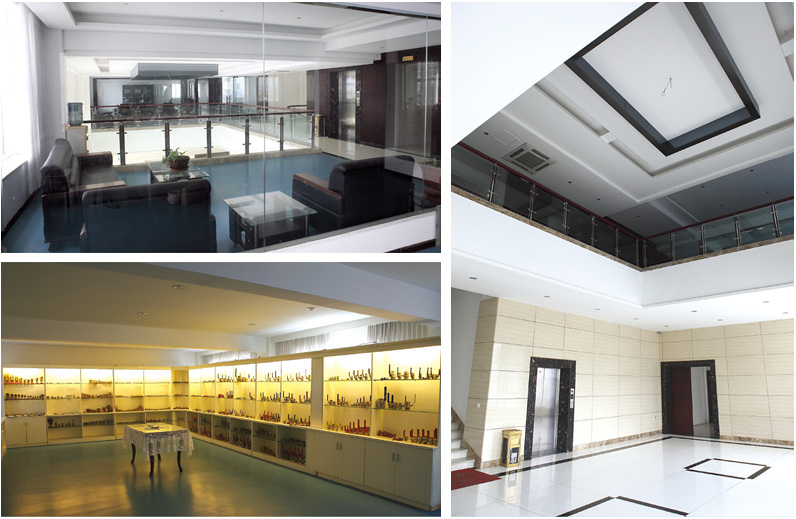
Our integrated HVAC and hydronic distribution systems work together to manage energy transfer, control temperatures, and improve system efficiency.

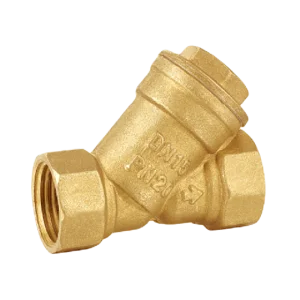
The first line of defense in domestic water sanitation, filtering 98% of incoming pipeline impurities.
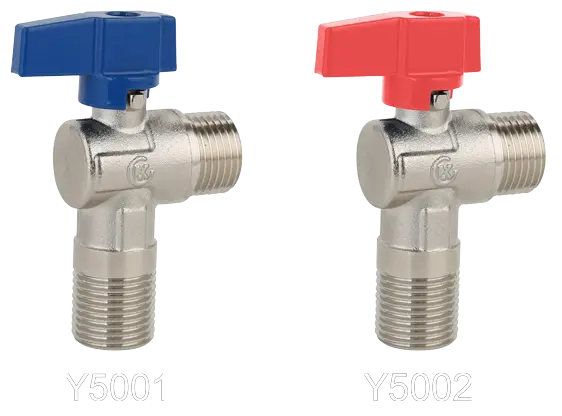
Controls boiler cold and hot water circulation loops using a durable spherical spool.
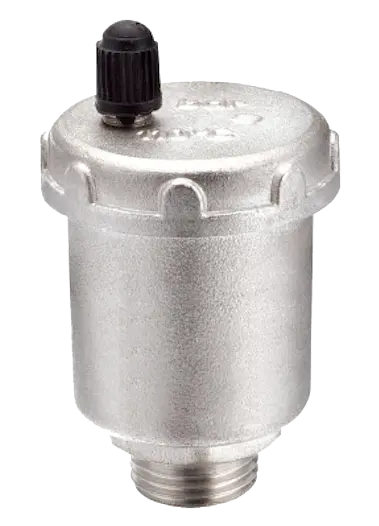
Removes air pockets from heat pump and solar-thermal systems to prevent pump damage and maintain heat transfer.
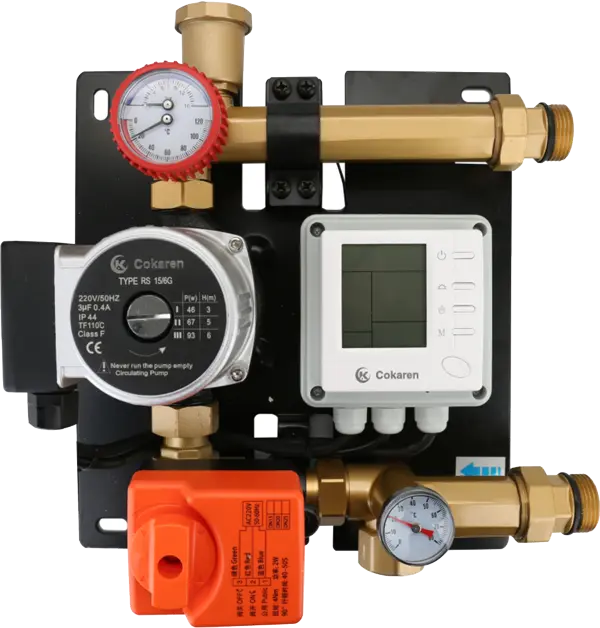
Blends warm supply and cool return water to maintain stable temperatures and protect piping loops.
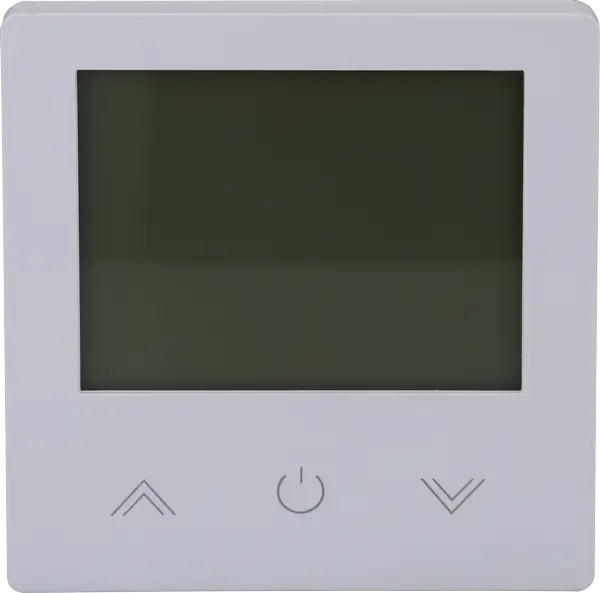
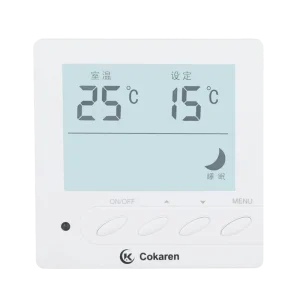
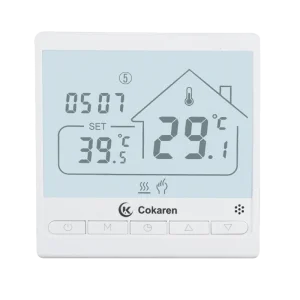
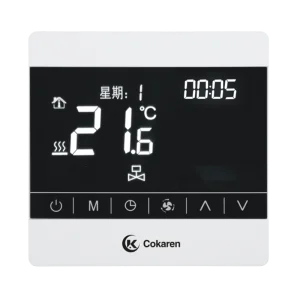
Integrates with primary HVAC systems to manage room-by-room heating cycles.
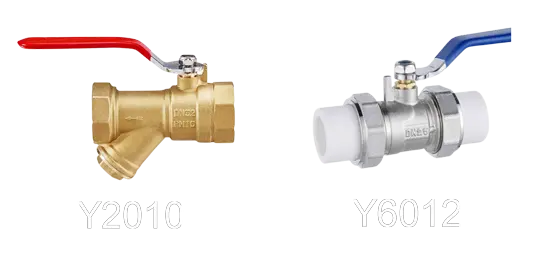
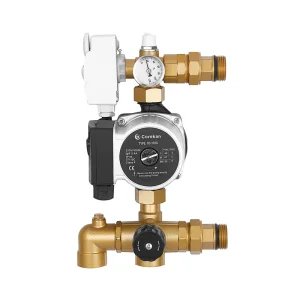
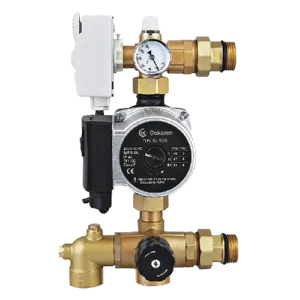
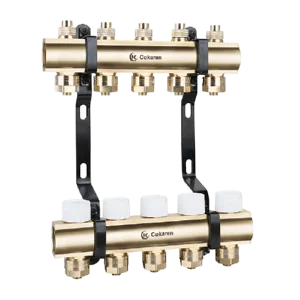
Filters solid particles, manages branch zone loops, and provides direct temperature and pressure readouts.
Developing bismuth-based and low-lead copper matrices to meet upcoming drinking water standards in Europe and North America.
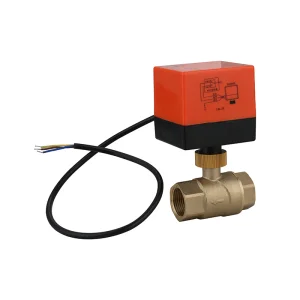
Integrating low-power motorized actuators and position sensors directly onto standard brass bodies for IoT-enabled flow management.
Applying carbon-filled PTFE and reinforced fluorosilicone O-rings to extend valve service life in solar and high-pressure steam applications.