 Yongda
Yongda
Yongda
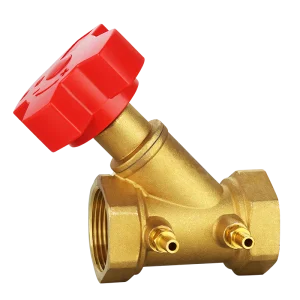
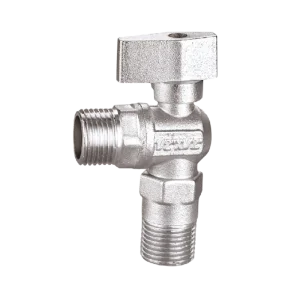
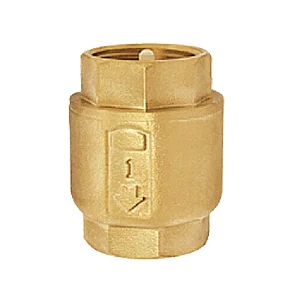
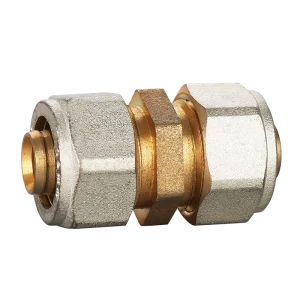
Explore our foundational brass valves, specialized PEX fittings, and control systems designed for global distributors.
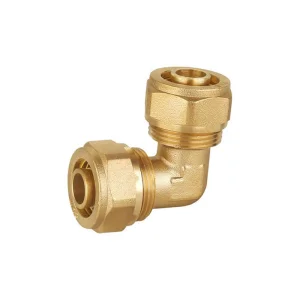
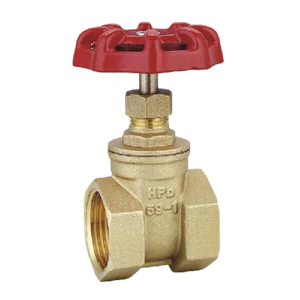
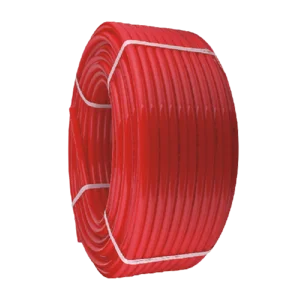
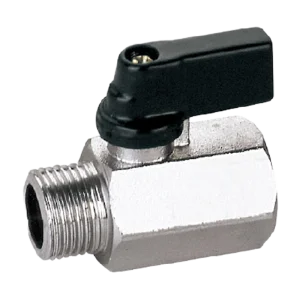

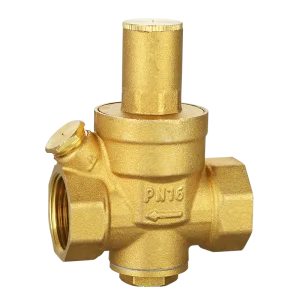
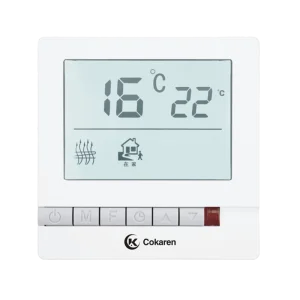
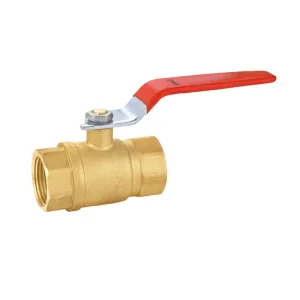
Founded in 1996, Yuhuan Yongda Fluid Control Co., Ltd. (formerly Yuhuan Yongda Plumbing Co., Ltd.) is situated in Yuhuan, Zhejiang—known globally as the "China Valve Capital." As a premier, integrated plumbing valve enterprise, we specialize in the comprehensive design, technological development, production, and worldwide sales of advanced fluid control apparatuses.
Our expansive product portfolio spans three core categories: brass valves, pipeline fittings, and HVAC distribution components. Engineered to align with mid-to-high-grade international standards, our solutions place an active emphasis on environmental sustainability, high-precision metallurgy, and long-term durability. This focus has earned the trust of consumers and partners in North America, Europe, and other advanced industrial markets.
Brand Initiative: Cokaren
Cokaren, our premium brand, is dedicated to high-refinement industrial design and exceptional product longevity. Grounded in the promise of "keep flowing, keep warming," Cokaren elevates residential and commercial water delivery systems, operating with the strategic vision of expanding into a world-class manufacturing benchmark.

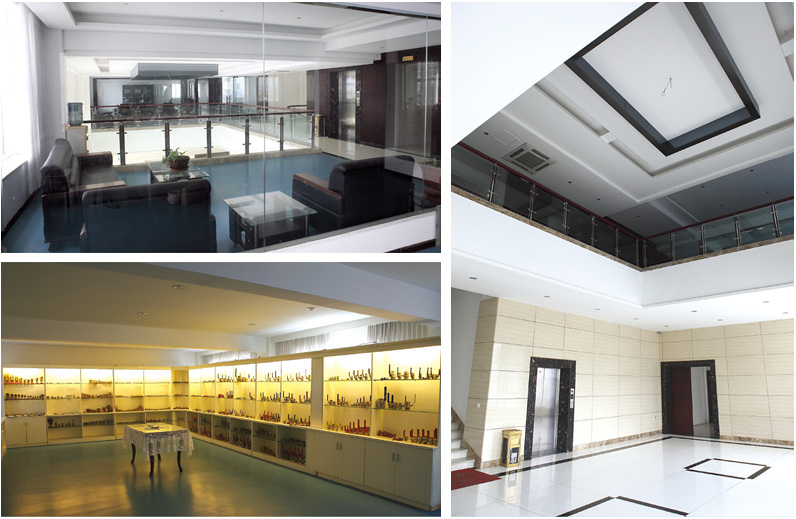
*Actual usable factory space reaches 80,000 square meters, housing more than 80 sets of specialized, custom-designed precision machine tools.
An Industrial Whitepaper on Metallurgy, Custom Design (ODM), and Modern HVAC Hydronic Balancing.
Modern commercial infrastructure demands rigorous flow isolation. The rise of high-rise commercial structures and integrated municipal hydronic networks has changed the performance parameters of pipeline ball valves. No longer evaluated solely on open/close cycles, contemporary valves must manage cavitation resistance, pressure drops, and galvanic corrosion across different plumbing connections.
Globally, urbanization and clean water regulations (such as NSF/ANSI 61 and Europe's Lead-Free Directive) force manufacturing facilities to innovate. Forged brass has emerged as the preferred material for medium-pressure configurations due to its lower porosity compared to cast alloys. Controlling the brass microstructural phase ensures resistance to stress-corrosion cracking (SCC) under temperature fluctuations.
As an experienced ODM exporter, Yuhuan Yongda manufactures to demanding application tolerances. Our ball valves incorporate blowout-proof stems, double O-ring seals, and PTFE seats to maintain low operating torque over decades of operation. Our manufacturing process uses automated hot-forging presses followed by high-speed CNC finishing. This process eliminates internal stress points that cause failure under water hammer conditions.
Regional variations in plumbing infrastructure require specific technical adjustments:
A look at how valves, manifold units, thermostats, and control boxes coordinate to balance hydronic thermal loops.

Shows the path from filtration and thermal mixing down to localized terminal loops.

The first line of defense in domestic water sanitation, filtering 98% of particulates and sediment.
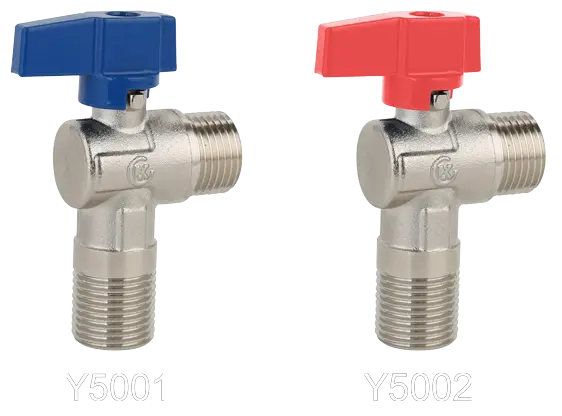
Controls hot and cold inflow/outflow via a high-durability spherical brass spool.
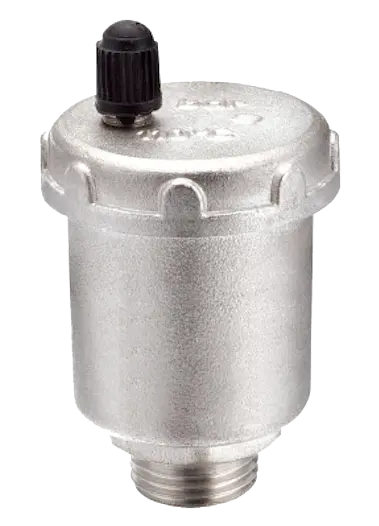
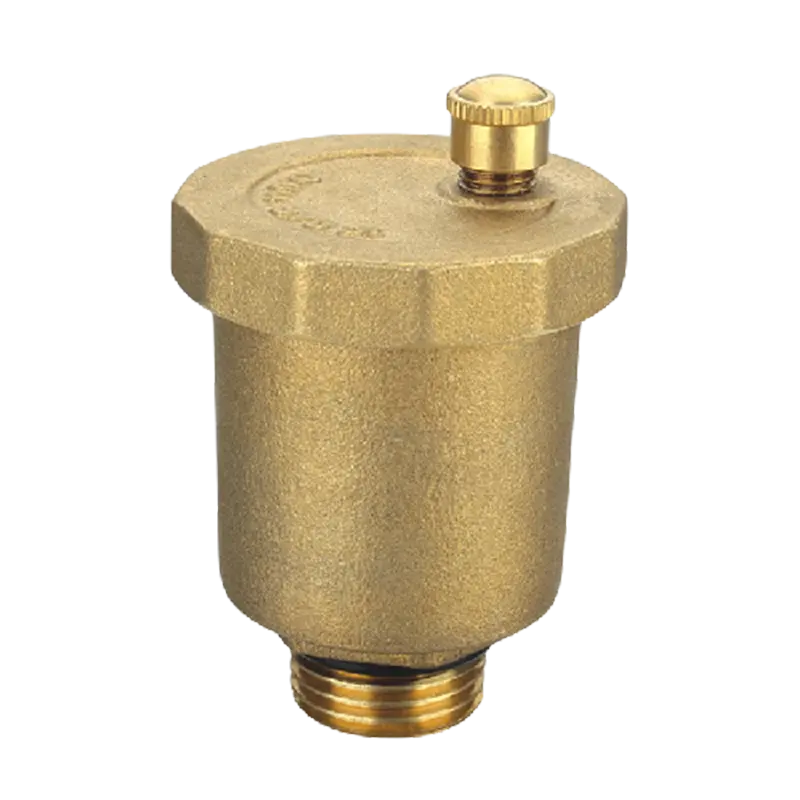
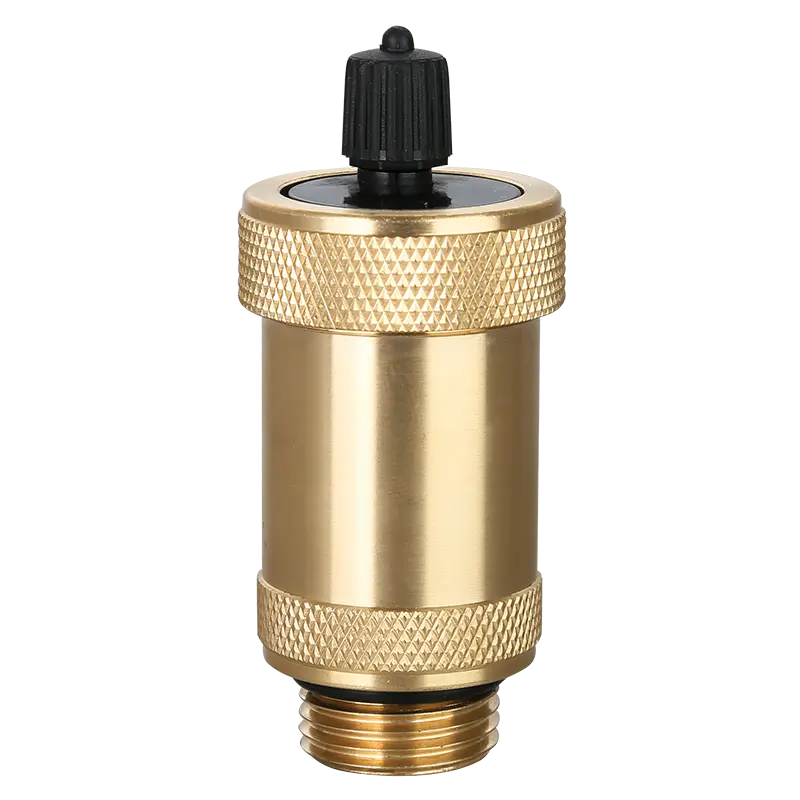
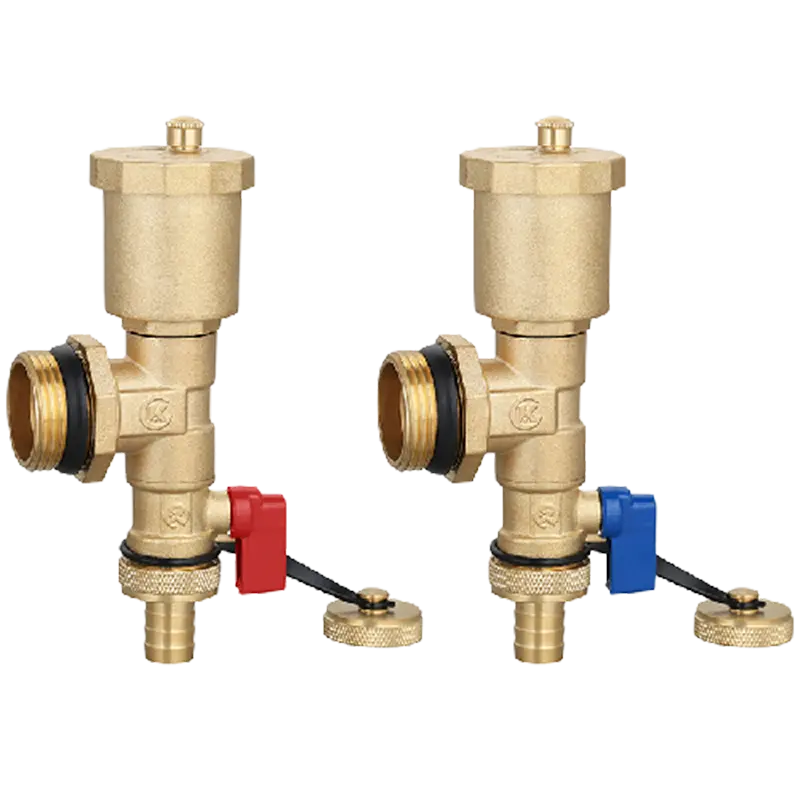
Discharges trapped air pockets in heat pumps and water systems to prevent cavitation.
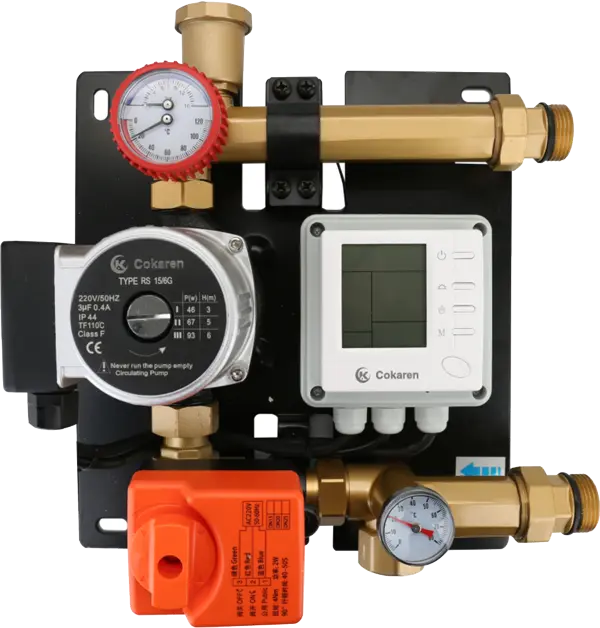
Mixes returns with supply water to stabilize temperatures and protect polymer pipes.
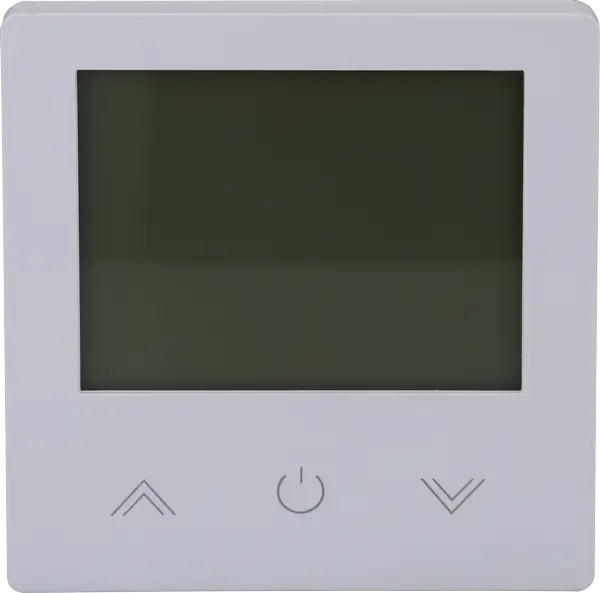
Coordinates terminal hardware, adjusting indoor climate via digital feedback loops.
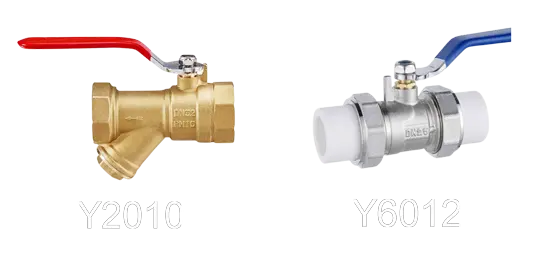
Integrates filtration, pressure sensors, and temperature readings in one body.
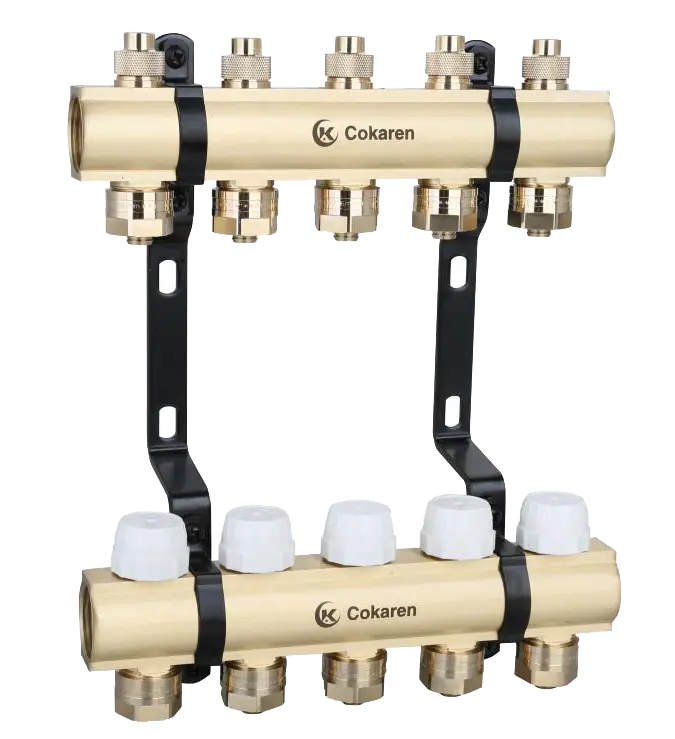
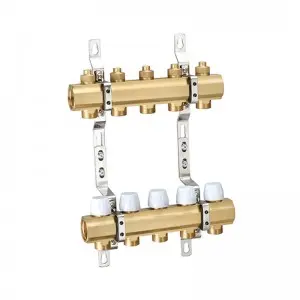
Distributes flow to individual zones, regulating room temperatures collectively.
Request bespoke dimensional drawings, tailored threads, or specific alloy requirements.
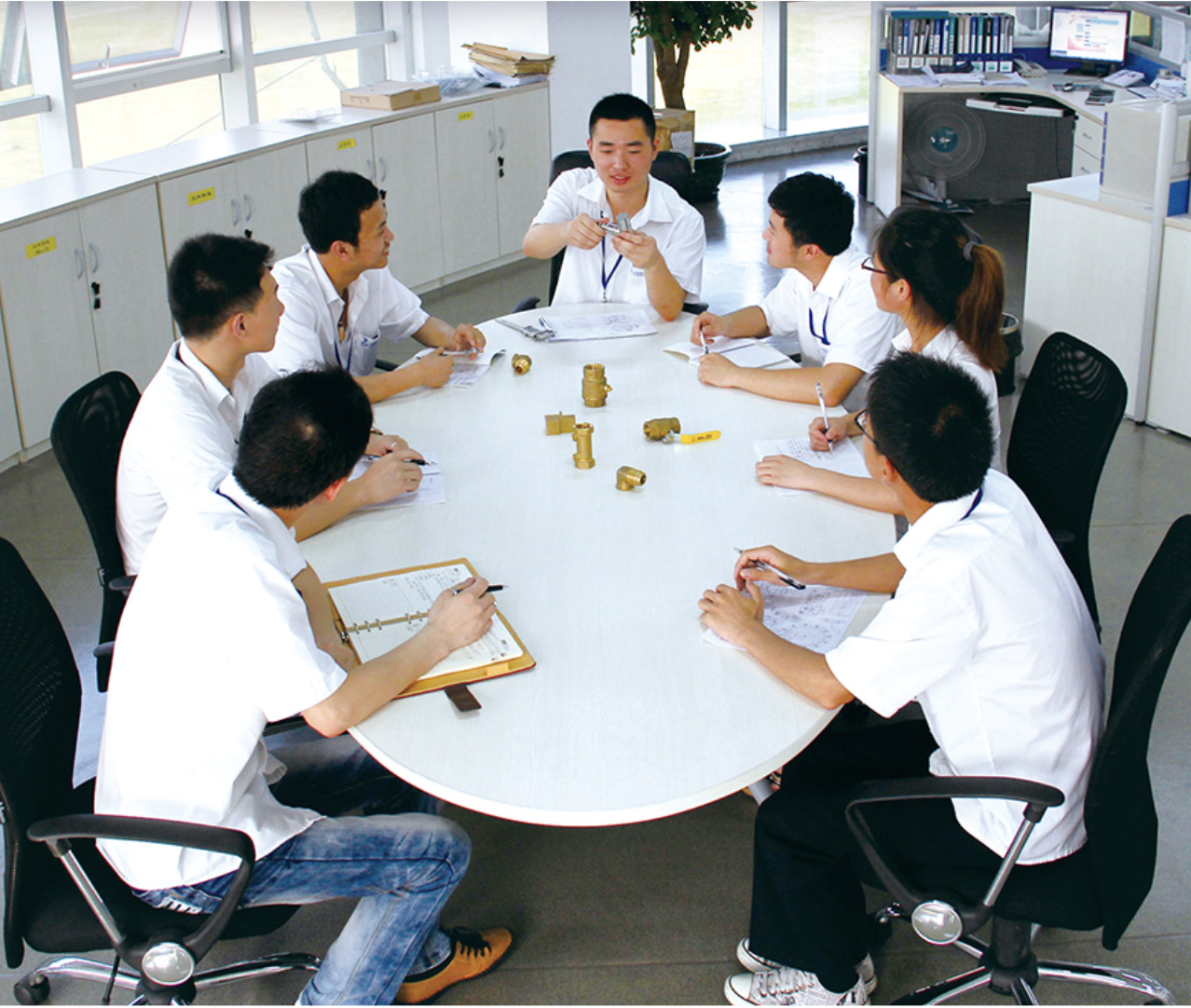
Yuhuan Yongda operates under a structured quality framework. We hold triple certifications: ISO9001:2015 (Quality Management System), ISO14001:2015 (Environmental Management System), and ISO45001:2018 (Occupational Health and Safety Management System).
This systematic approach guides every level of production. Our goal is to balance corporate expansion with employee welfare and happiness, creating a sustainable environment for high-precision manufacturing.

Strategic goals for the next generation of fluid control and hydronic distribution systems.
As the heating and ventilation sector adopts smart technology, the role of mechanical valves is evolving. Our R&D division is focused on three key areas of innovation:
Developing low-power actuators that communicate directly with centralized home management systems. This allows real-time diagnostics and proportional flow control based on local requirements.
Optimizing lead-free brass formulations to improve machinability and stress-corrosion resistance, meeting tightening global environmental standards.
Integrating pressure-differential sensors directly within hydronic manifolds. This gives system operators precise flow visualization, optimizing pump speeds and saving system energy.
Answering structural, operational, and metallurgical questions from global system engineers.
A: SCC occurs under tensile stress in corrosive environments. We address this during manufacturing with a controlled thermal annealing step. This process relieves residual stress created during cold-forming and machining, while keeping the brass chemical composition (like CW617N) within standard limits.
A: Forged brass undergoes extreme pressure during formation, which refines the grain structure and eliminates internal voids, cracks, and gas pockets. This leads to higher tensile strength and bubble-tight sealing under pressure, allowing for thinner walls and more efficient flow dynamics compared to cast alternatives.
A: Yes. Our manifold sets, including the Y1001, utilize EPDM and FKM O-rings that resist degradation from ethylene and propylene glycol solutions up to a 50% concentration. This ensures long-term seal integrity in low-temperature radiant cooling and heating systems.
A: We test every unit according to EN 12266-1 standards. Our production line includes automated testing stations that subject assembled valves to pneumatic seat testing at 6 bar and hydrostatic body testing at 1.5 times the nominal pressure rating. This ensures zero visible leakage before shipment.
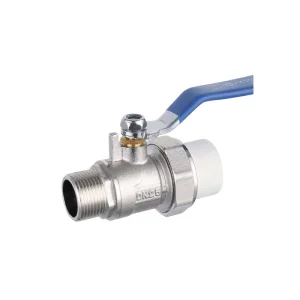
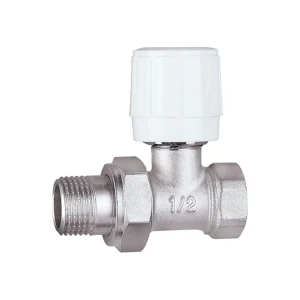
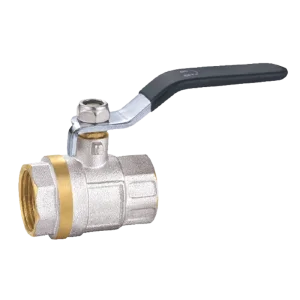
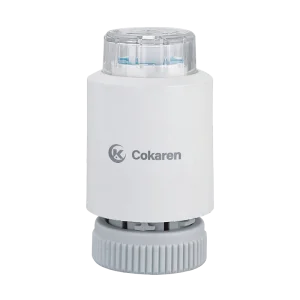
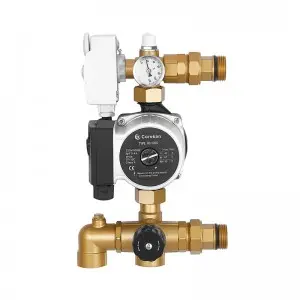
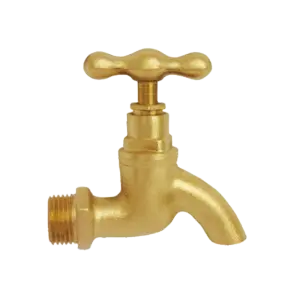
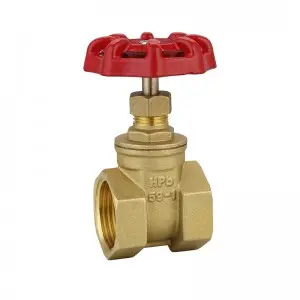
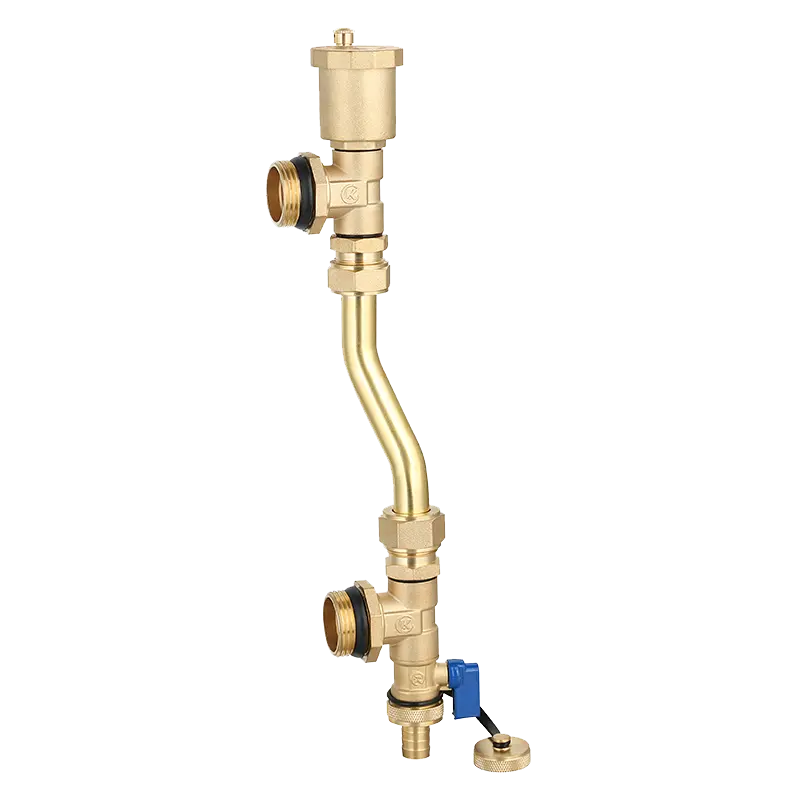
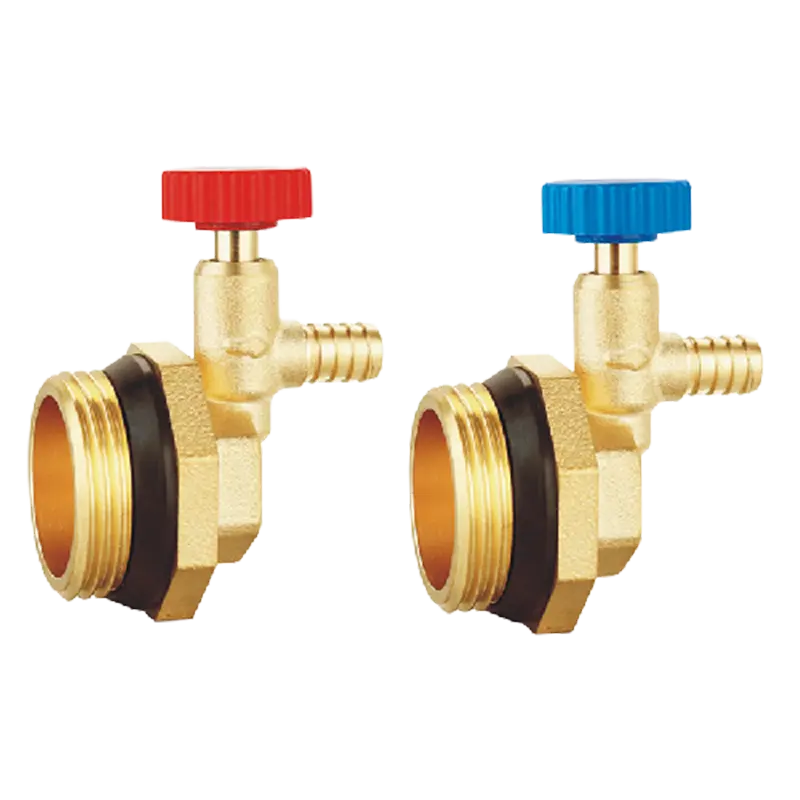
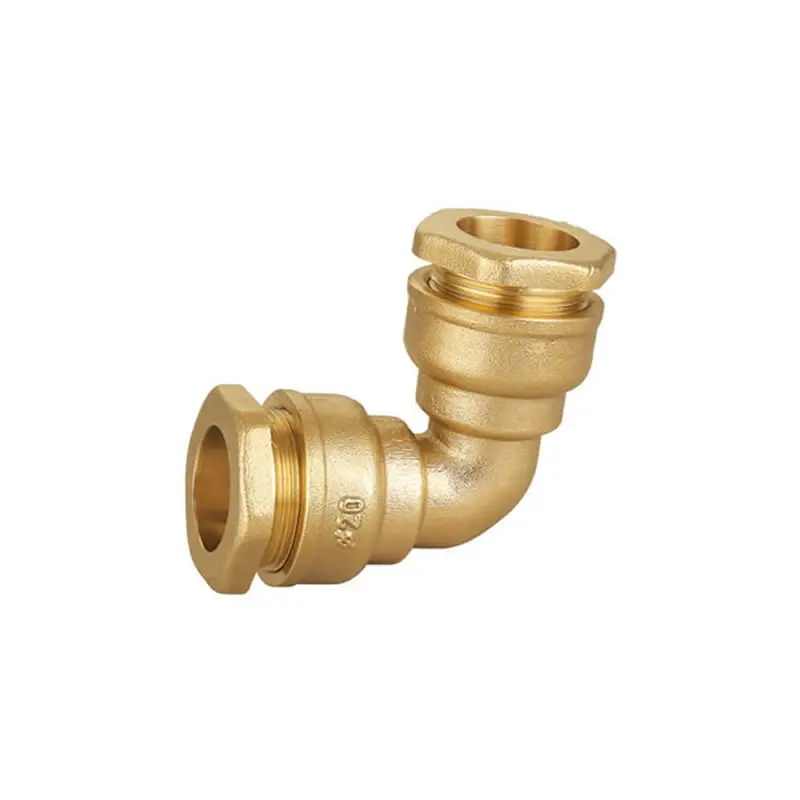
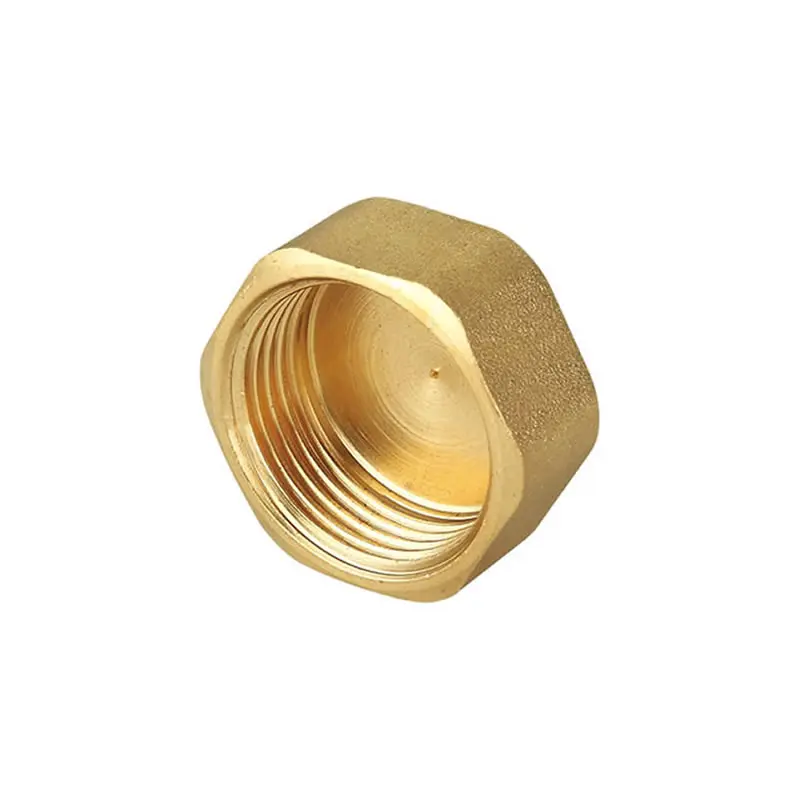
Referenced plumbing fittings, bypass valves, and terminal accessories within our production line.
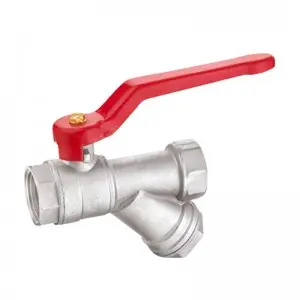
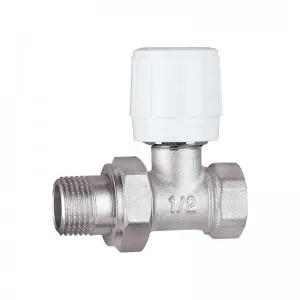
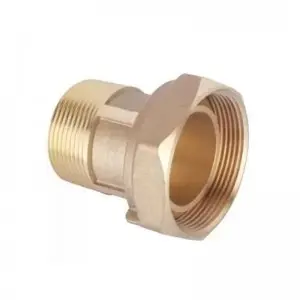
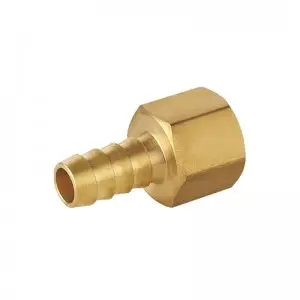
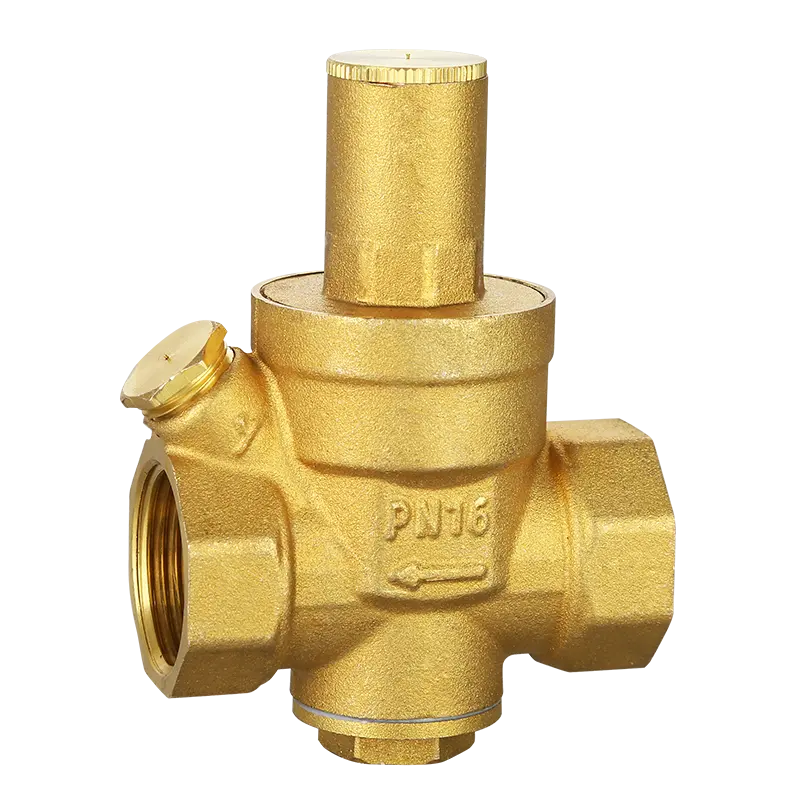
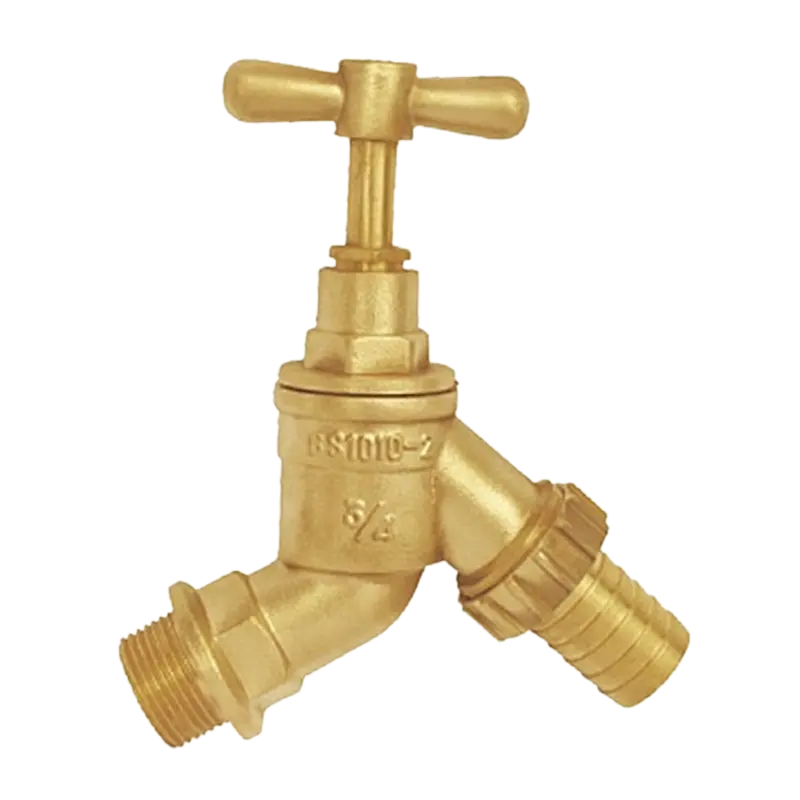
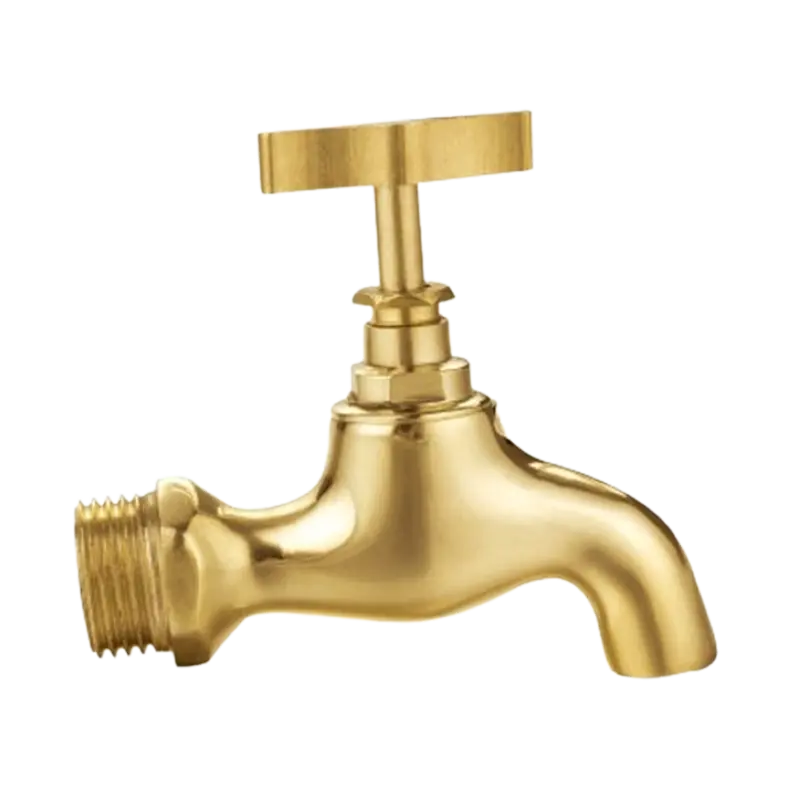
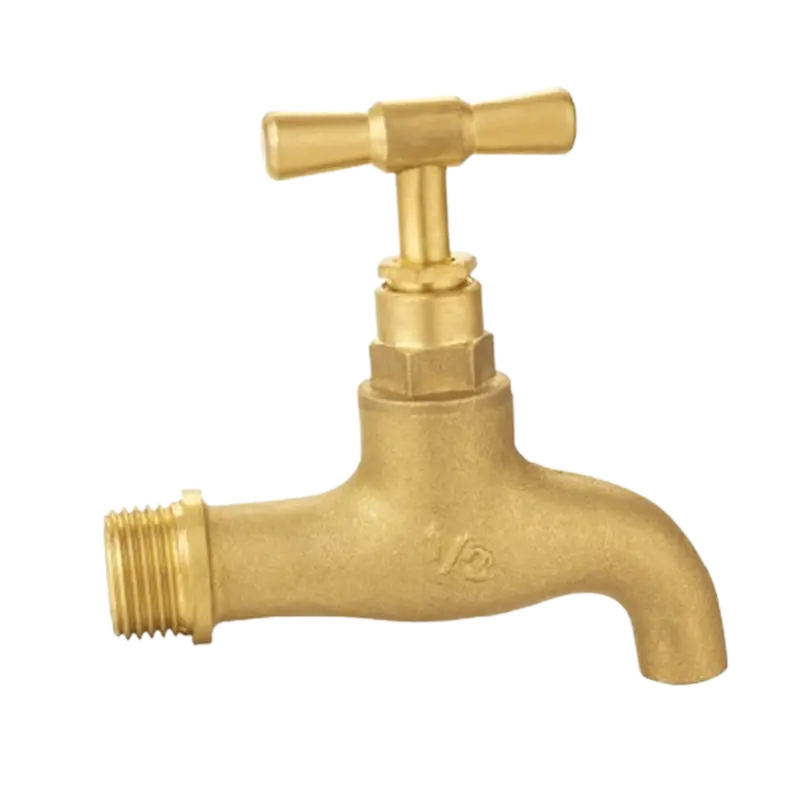
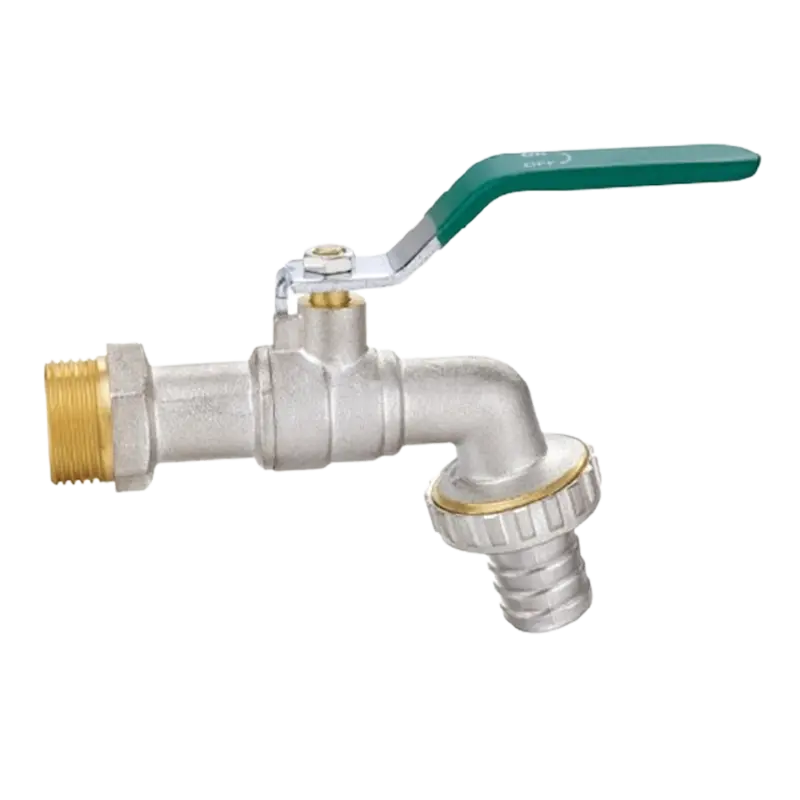
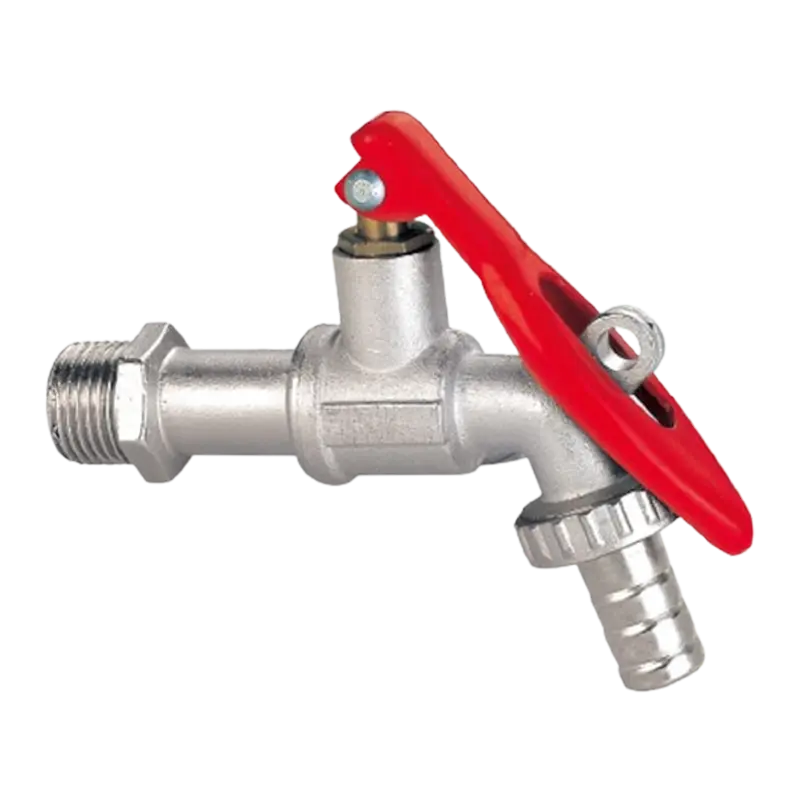
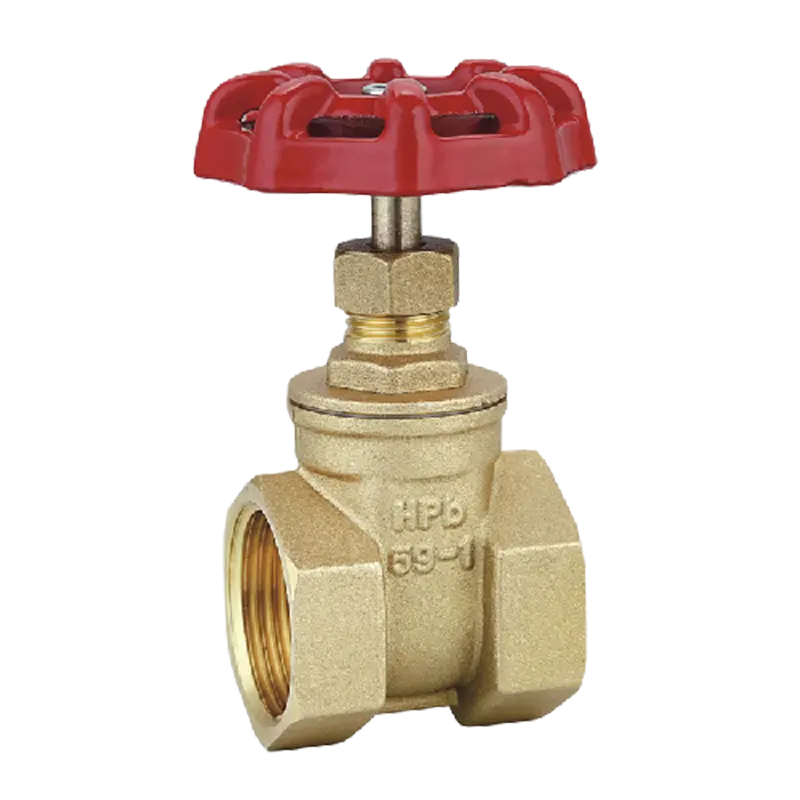
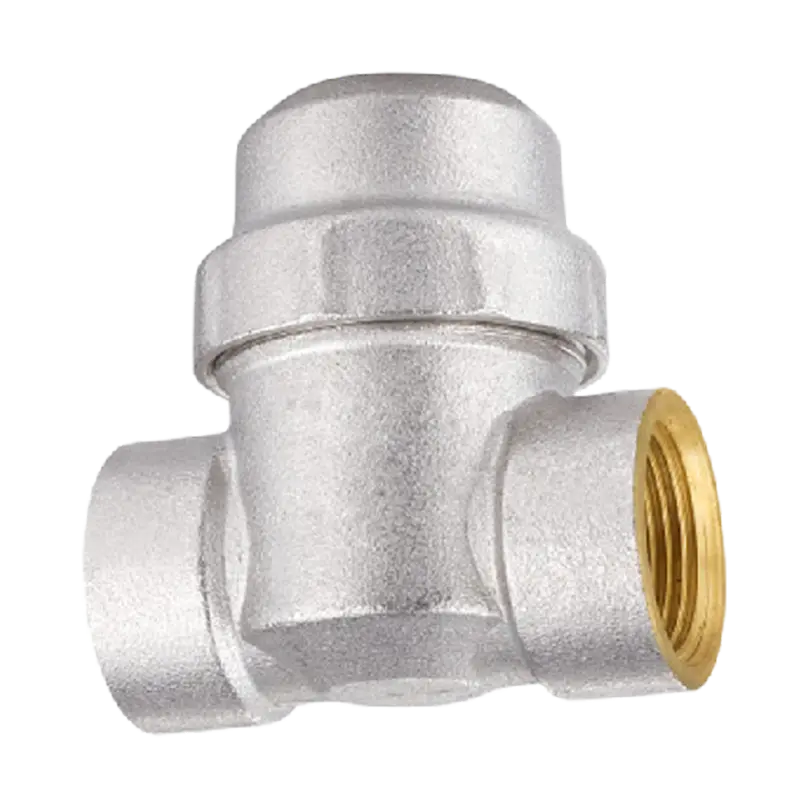
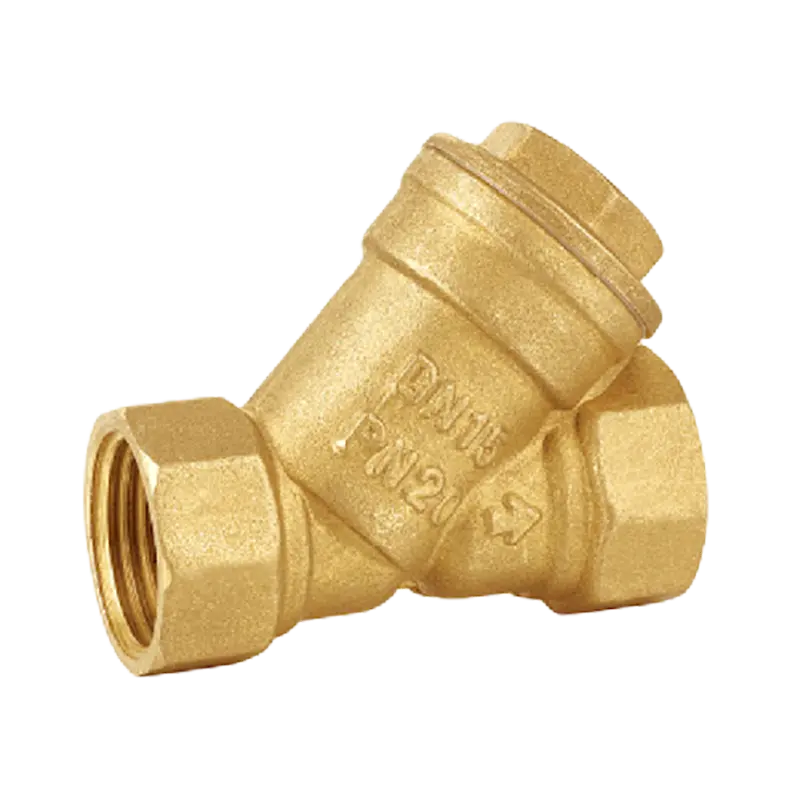
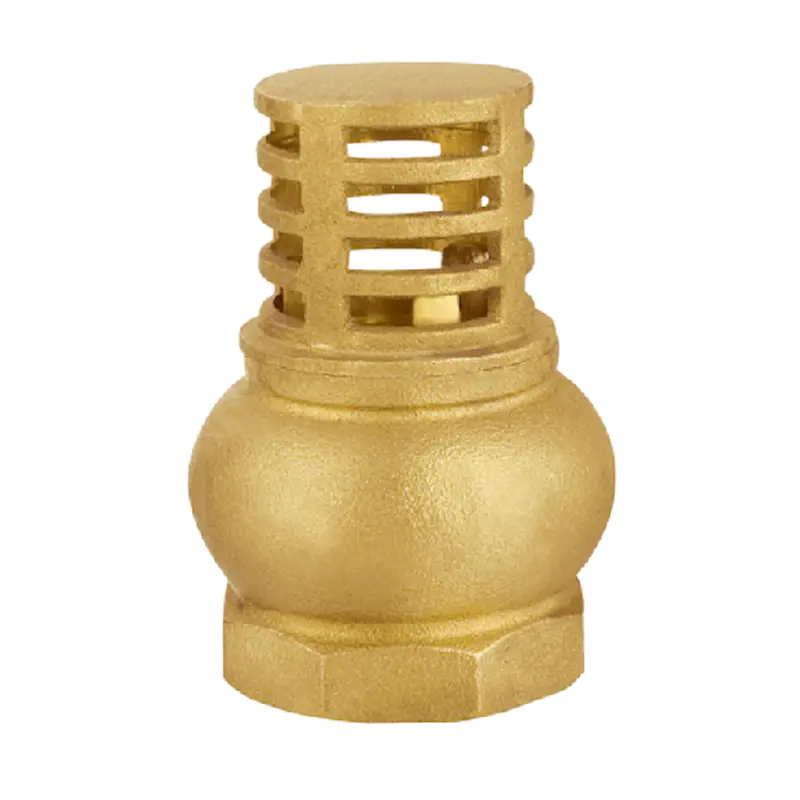
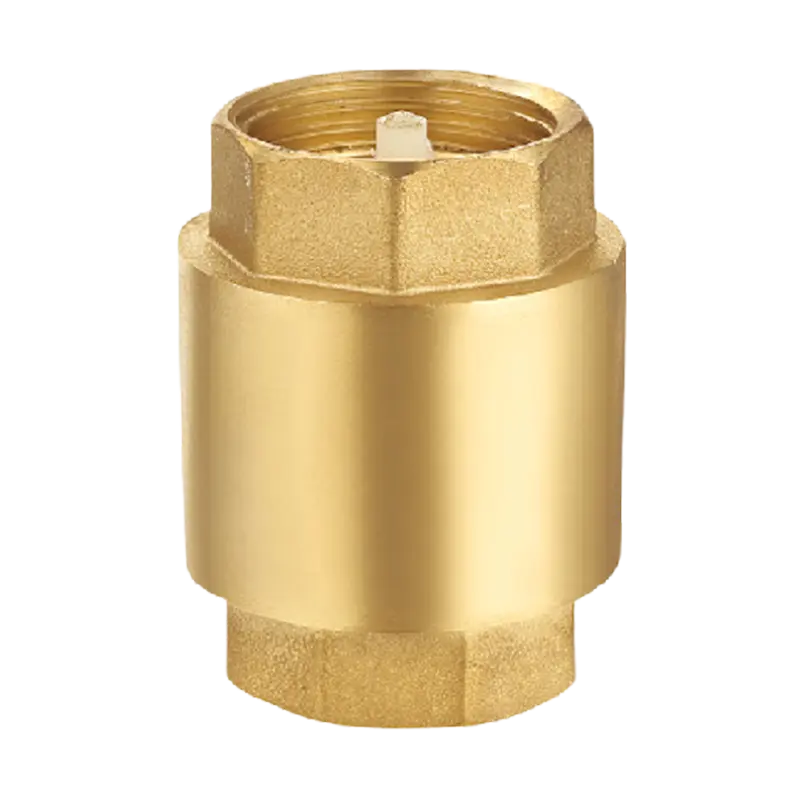
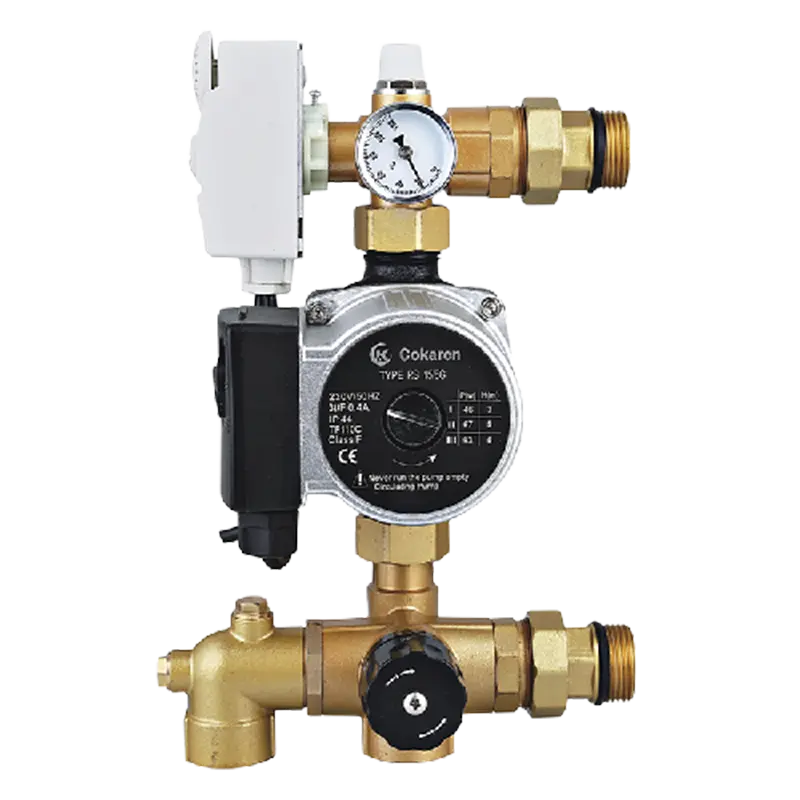
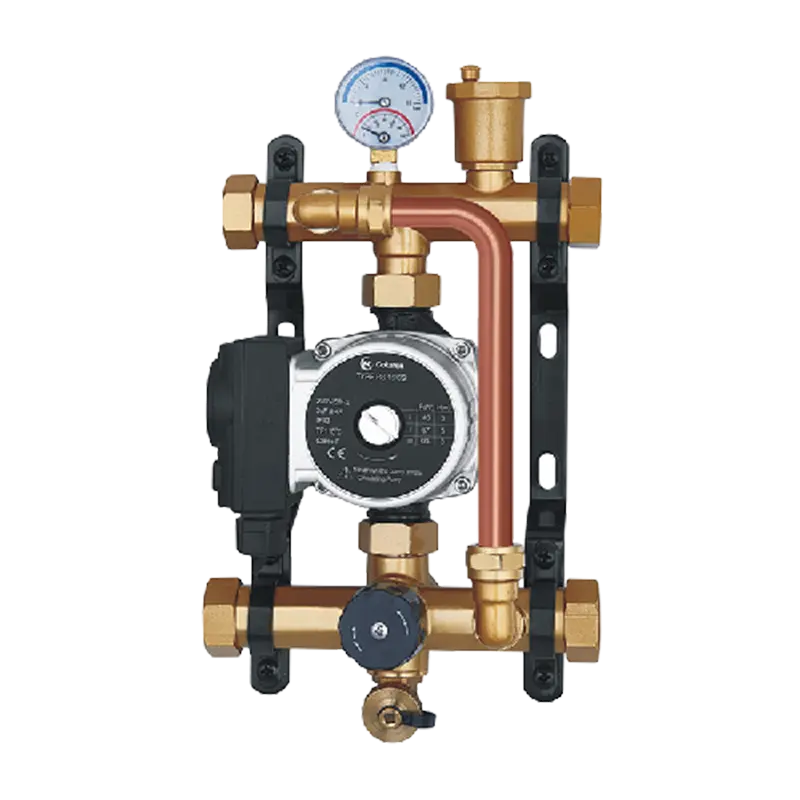
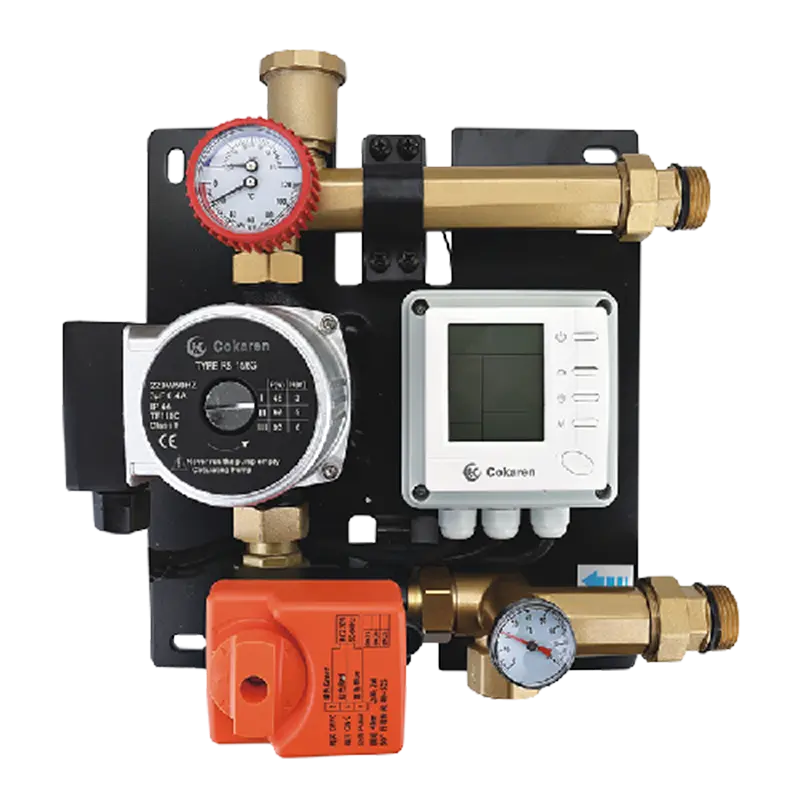
Explore our targeted brass components, PPR assemblies, and temperature controller ranges.