 Yongda
Yongda
Yongda
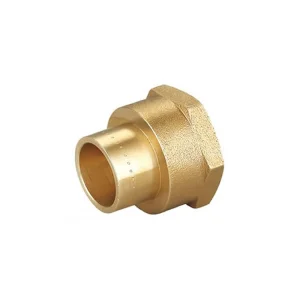
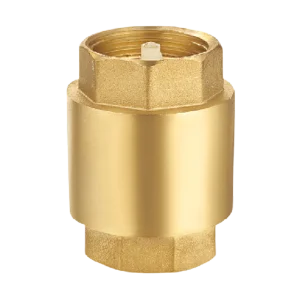
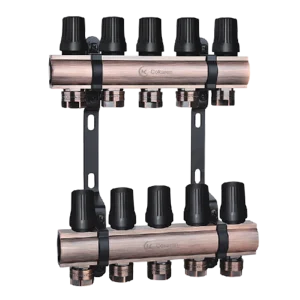
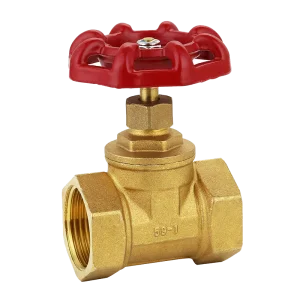
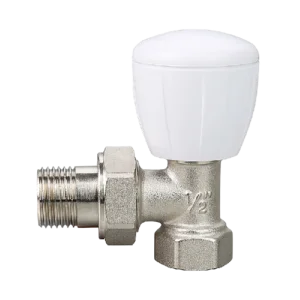
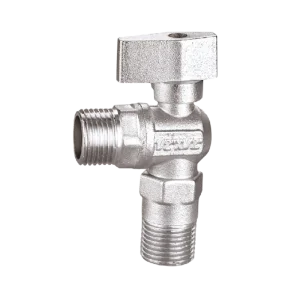
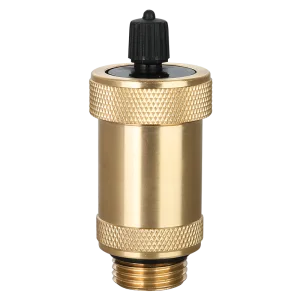
In the global energy and fluid distribution sector, the demand for highly reliable, precision-engineered flow control mechanisms has reached an unprecedented scale. Gas transport networks, heating infrastructures, and commercial mechanical systems require valves that perform flawlessly under diverse temperature gradients and high-pressure configurations. Yuhuan Yongda Fluid Control Co., Ltd. (formerly Yuhuan Yongda Plumbing Co., Ltd.) has positioned itself at the vanguard of this engineering evolution.
As gas specifications pivot towards higher sustainability standards—such as hydrogen blend integration and low-lead brass requirements—OEM providers must transition from standard component production to complete engineering partnerships. Decades of manufacturing expertise, coupled with vertical supply chain integration, enable the deployment of state-of-the-art gas valves that comply with demanding global regulatory frameworks, including CSA, EN 331, and CE certifications.
Established in Yuhuan, Zhejiang—the universally recognized "China Valve Capital"—Yuhuan Yongda Fluid Control Co., Ltd. operates a massive manufacturing complex with an actual usable workspace extending to 80,000 square meters. We manage a comprehensive inventory of brass valves, fittings, and HVAC components engineered explicitly for premium environmental and high-durability markets in North America and Europe.
Through our custom brand, Cokaren, we implement our mission: "Keep flowing, keep warming". Our design principle focuses on minimizing pressure drops, eliminating leak points, and providing long service life in critical gas systems.

As the global utility grid shifts toward blending hydrogen into existing natural gas pipelines, standard brass alloys face challenges like hydrogen embrittlement. Our R&D team is engineering specialized CW617N and low-lead brass alloys optimized to resist microstructure degradation and ensure leak-free operation with hydrogen molecules.
By combining triple-O-ring stems with reinforced PTFE seats (TFM 1600), our gas ball valves maintain bubble-tight shutoff over extensive thermal cycles (-20°C to +120°C). Each OEM run is subject to rigorous testing protocols to confirm bubble-tight seating.
We lead the industry's conversion to lead-free brass formulations. Our proprietary forging processes control heavy metals, ensuring compliance with global lead-free mandates (such as NSF/ANSI 372 and RoHS) without sacrificing mechanical strength.
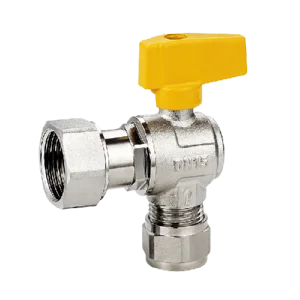
For municipal and utility gas distribution, reliability is critical. Our heavy-duty gas ball valves serve as localized isolation mechanisms, providing rapid shutoff capabilities and low operating torque for pipeline safety.
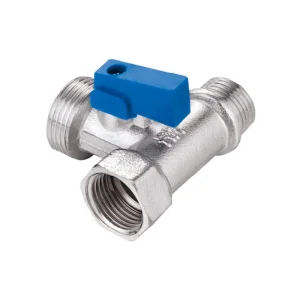
Modern buildings depend on efficient boilers, manifold systems, and mixing loops. We supply high-accuracy components—including balancing valves and bypass assemblies—designed to maintain consistent flow profiles and heat distribution.
For processing lines handling aggressive fuels, gases, and fluids, our rugged valve solutions offer long-term chemical resistance and structural integrity.
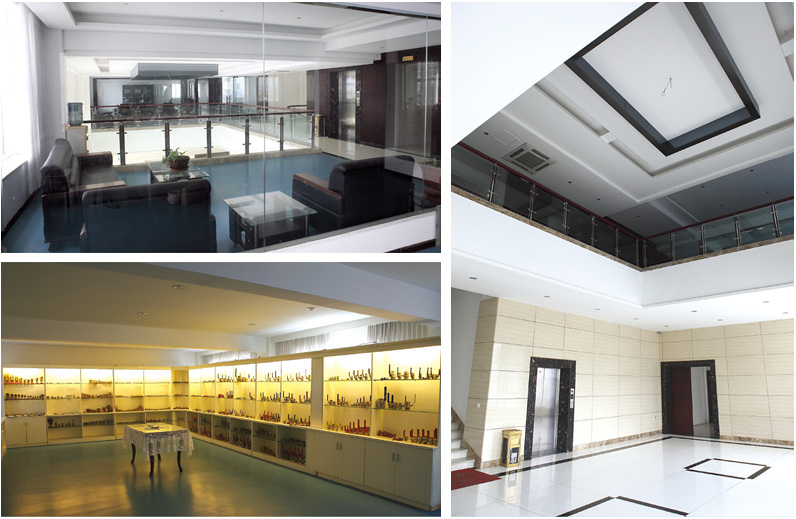
Operating in the competitive global market requires advanced manufacturing capabilities. Our Yuhuan production facility integrates automated technologies, with more than 600 sets of advanced manufacturing and testing instruments, including 80 specialized machine tools.
Ensures uniform metal density, eliminating internal porosity and providing structural strength under high gas pressures.
Maintains close dimensional tolerances, ensuring smooth, low-torque operation and consistent valve performance.
Verifies correct brass alloy chemistry, ensuring compliance with lead-free and DZR requirements.
"Fine work, no leakage." Every single gas ball valve is pressure-tested to ensure bubble-tight performance.
By maintaining complete control over our manufacturing processes—from raw material sourcing and precision forging to machining, surface finishing, assembly, and testing—we mitigate external supply chain disruptions. This integration ensures consistent product quality and predictable lead times for international projects.

Navigating complex regional certifications is a key requirement for global procurement. Our engineering and compliance divisions support our clients by ensuring all products meet regional regulatory standards.
Valves comply with ASME B16.33, CSA 3.16, and UL 125, featuring NPT threading and lead-free alloys required for potable water and natural gas piping systems.
Engineered in accordance with EN 331 specifications, featuring BSP threads and CE marks, suitable for low and medium-pressure gas distribution systems.
Yongda operates under a certified management framework, including ISO 9001:2015, ISO 14001:2015 (Environmental Management), and ISO 45001:2018 (Occupational Health & Safety).
For wet natural gas systems containing traces of hydrogen sulfide (sour gas) or moisture, we recommend forged dezincification-resistant brass (DZR, CW602N) or low-lead alloys. These formulations prevent selective zinc leaching, maintaining structural integrity and gas-tight sealing over time.
Our low-temperature gas ball valves incorporate double Viton (FKM) O-rings on the stem, paired with specialized PTFE seats. FKM maintains elasticity at sub-zero temperatures, while the PTFE seats are engineered with a preload angle to ensure sealing integrity at low system pressures.
Our standard gas valves are designed for pressures up to PN5/MOP5 (72.5 psi) in residential distribution systems, complying with EN 331. For industrial piping, we offer valves rated up to PN16, PN25, or PN40 (depending on model size and wall thickness), suitable for high-pressure distribution lines.
Yes. As an OEM provider, we offer customization options for handle styles—including steel flat levers, aluminum butterfly keys, and locking handles. We also offer options for private labeling, customized hot stamping, and custom packaging layouts to align with your brand.
Cokaren utilizes specialized raw materials, including alloys like C46400 or lead-free silicon brass. Our raw material batches undergo chemical analysis prior to forging, and we maintain complete traceability records to ensure compliance with NSF/ANSI 372 and European lead limits.