 Yongda
Yongda
Yongda
Explore our foundational brass valves, actuators, and piping fittings customized for global industrial supply chains.
In modern industrial applications, regulating line pressure is critical to ensuring mechanical longevity, safe operation, and process stability.
As global industries pivot toward automation and efficiency, hydraulic systems are subjected to higher operational parameters. A hydraulic pressure regulator serves as the central control mechanism, ensuring downstream components are protected from extreme pressure spikes.
From high-pressure municipal HVAC systems and residential sub-floor manifolds to heavy machinery controls, the performance threshold of fluid systems is dictated by valve engineering. Fluctuations in pressure cause cavitation, structural fatigue, and internal leakages, leading to massive maintenance overheads for industrial plants.

Across diverse sectors, pressure regulation requires specific, high-durability solutions tailored to unique thermal and structural environments.
Integrating underfloor radiant heating networks requires delicate control over supply temperature and pressure distribution. Mixing valves and regulators maintain laminar water flows to prevent localized thermal stress.
Heavy machinery and municipal piping loops rely on pilot-operated diaphragm and piston-style regulators to cushion high hydraulic shock loads, securing uniform delivery velocities.
Using localized separation technologies to isolate system parameters allows modern hydronic loops to automatically bleed trapped microbubbles, balancing internal pressures perfectly.
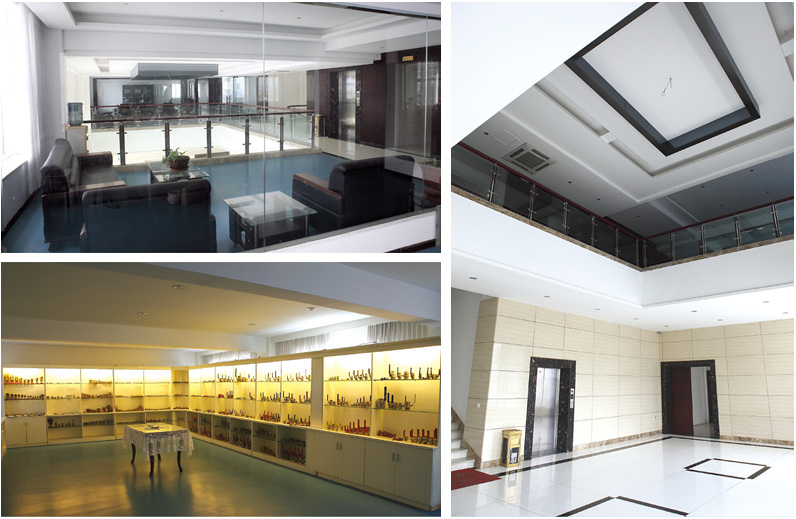
Unlocking logistics, material science, and automation advantages in the heart of "China Valve Capital" – Yuhuan, Zhejiang.
OEM sourcing demands a balance of high material specifications and cost predictability. Our location in Zhejiang provides instant access to raw copper refining clusters, regional heat-treatment specialists, and highly developed logistics pipelines.
Through deep automation integration, including CNC machining centers and digital inspection labs, we minimize structural dimensional tolerances. High precision reduces micro-clearance leakage, ensuring that each pressure regulator delivers the intended spring-return hysteresis and precise relief actuation.
Yuhuan Yongda Fluid Control Co., Ltd. (formerly known as Yuhuan Yongda Plumbing Co., Ltd.) was founded in 1996 and has grown inside the industrial powerhouse of Zhejiang. Over nearly three decades, the company has consolidated its role as a leading global manufacturer of premium brass valves, specialized fittings, and custom HVAC products. The core catalog features high-durability mixing valves, manifolds, actuators, and air venting mechanisms designed to serve mid-to-high-tier specifications.
Our manufacturing ecosystem spans an expansive industrial footprint, with a factory site exceeding 45,000 square meters and a usable manufacturing floor reaching 80,000 square meters. The facility houses over 600 advanced machinery setups, including more than 80 automated machine tools designated for custom components. These comprehensive facilities empower Yongda to support complex OEM custom specifications, distributing state-of-the-art products to North American, European, and broader international markets.
Culture Statement: Struggle, Enterprising, Pragmatic, Innovative
Operational Tenet: Customer first, Quality based
Quality Policy: Fine work, no leakage
We focus on developing company capabilities and employee motivation, continuously improving welfare, and matching the company's growth with the long-term success of our workforce.
Yongda Fluid Control operates under rigorous international manufacturing frameworks to maintain absolute consistency. Our operations are verified by:
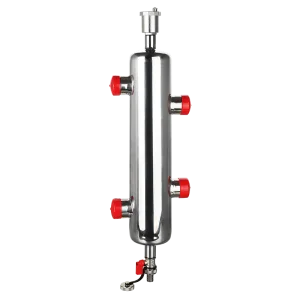
Integrated brass assemblies designed to maintain system pressure balance, protect critical heat exchangers, and regulate hydronic HVAC networks.

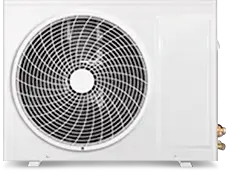
Manifold feed connector ensuring consistent inlet pressure routing across industrial radiator structures.

Forged bypass system link designed to handle return loop velocities without causing downstream turbulences.

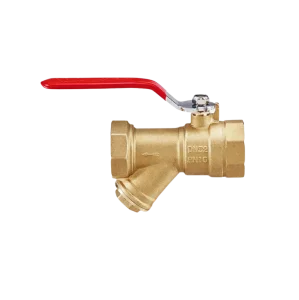
The first line of defense in domestic water sanitation, built to trap and filter 98% of physical impurities in the pipeline.
Main dynamic control valve fitting containing optimized seat gaskets for temperature isolation.
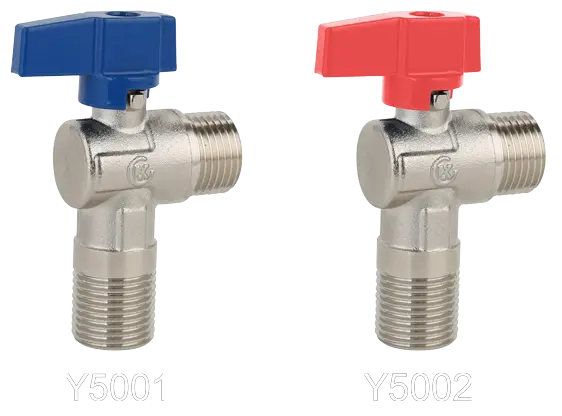
Controls flow parameters of hot and cold systems in high-demand boilers. Uses a spherical spool design for durability.
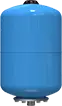
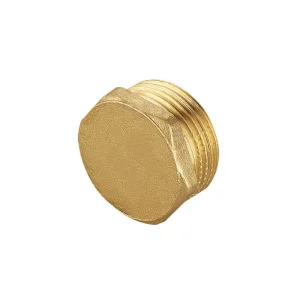
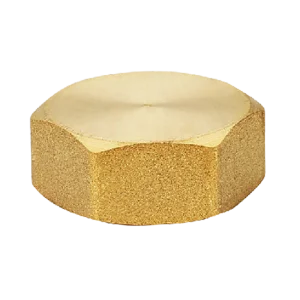
Heavy duty housing designed to secure air purging operations without water release during system cycling.
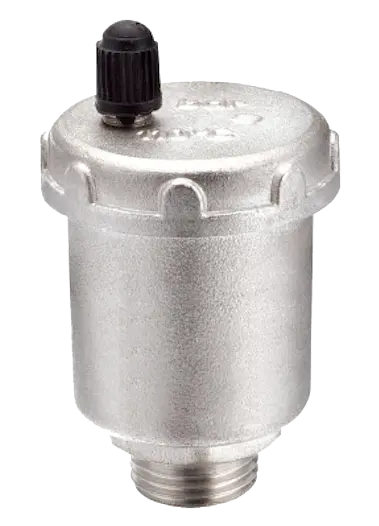
Discharges trapped air in water heaters to maintain fluid stability and prevent dry-firing damage.
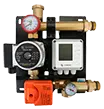
Stabilizes temperatures by mixing hot and cold line feeds, protecting domestic piping systems.
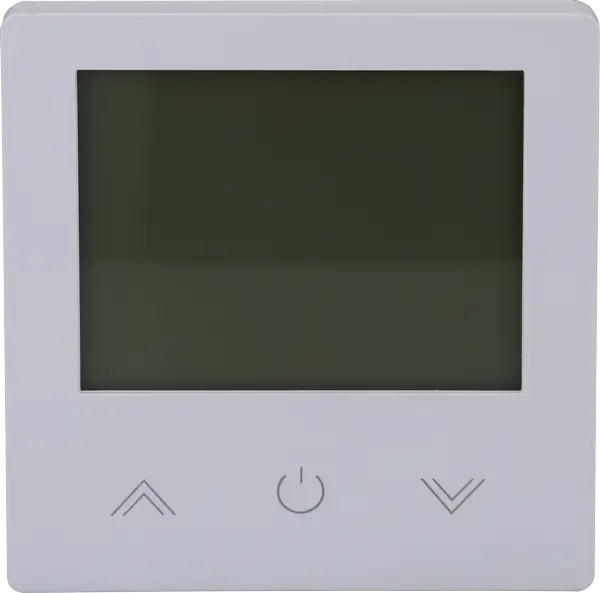
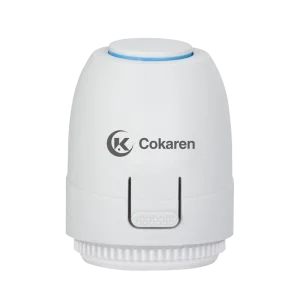
Coordinates feedback loops across HVAC hardware, managing temperature and flow profiles.
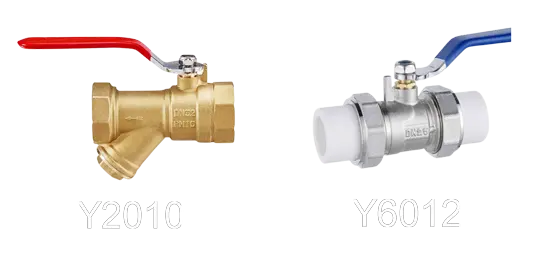
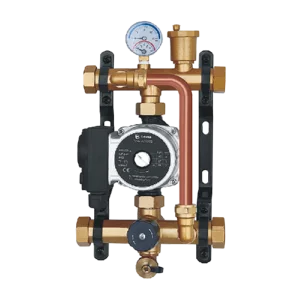
Cleans fluid lines, controls manifold circuits, and monitors system temperature and pressure.
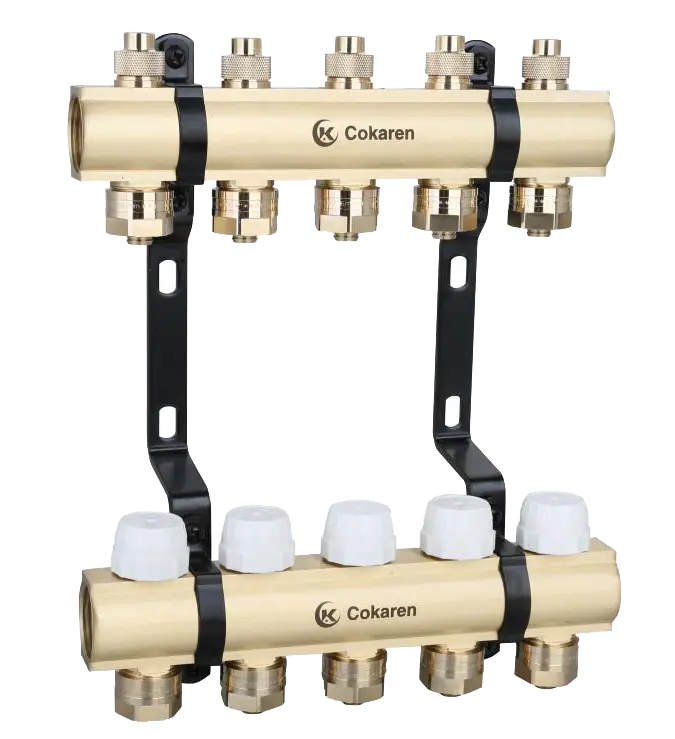
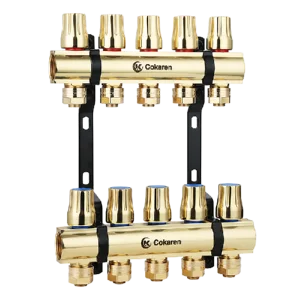
Distributes flow to separate underfloor zones, managing volume rates and pressure settings.
A specialized sub-brand focusing on high-grade residential hydronic components.
Cokaren is dedicated to delivering highly refined designs and reliable quality, offering professional support for complex hydronic layouts.
"Keep flowing, keep warming" – Our promise to provide reliable components that keep systems operating smoothly.
Through targeted R&D, Cokaren delivers premium residential and commercial system components, ensuring consistent pressure regulation and thermal efficiency.

A selection of products engineered for hydronic, domestic, and industrial fluid control loops.
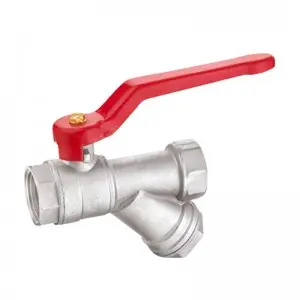
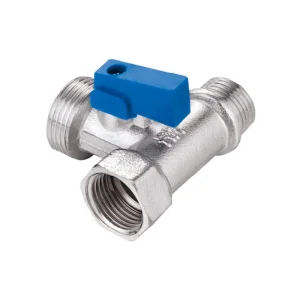
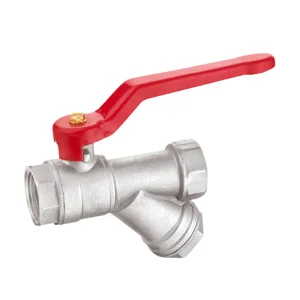
Integrates isolation and filtration, protecting control systems from debris blockages.
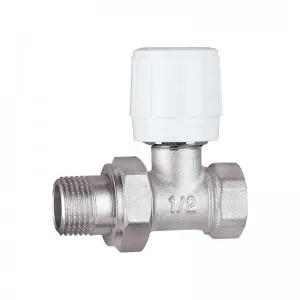
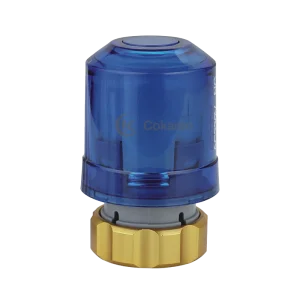
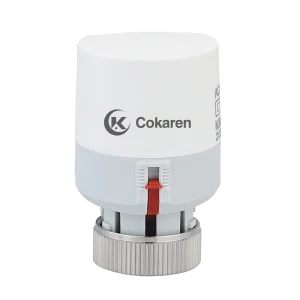
Provides precise thermal adjustment, keeping underfloor heating temperatures consistent.
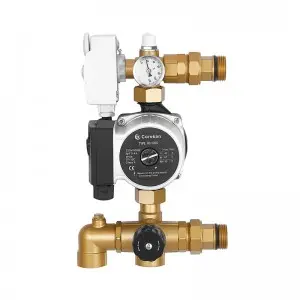
Maintains safe system temperatures, preventing boiler thermal shock.
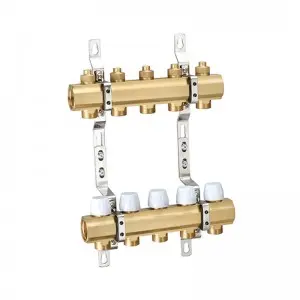
Distributes system flows, regulating flow rates for separate zones.
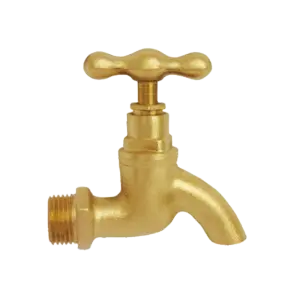
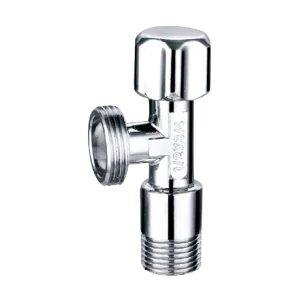
Corrosion-resistant brass bibcock designed for outdoor and utility supply installations.
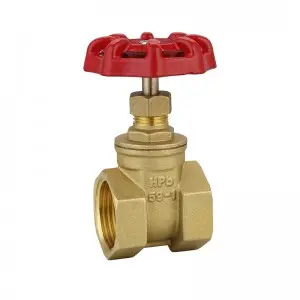
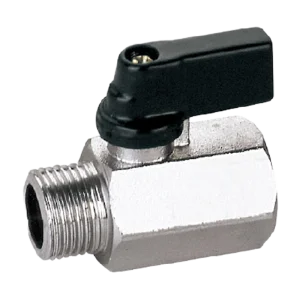
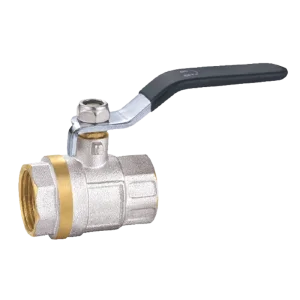
Designed for full-flow isolation with minimal friction loss in main piping loops.
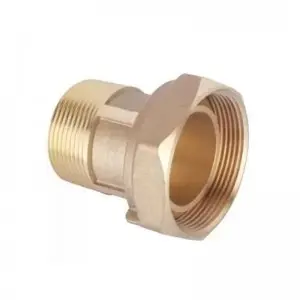
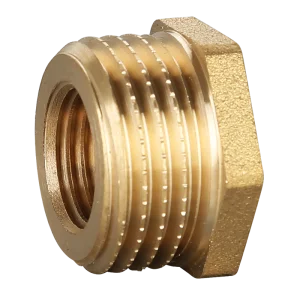
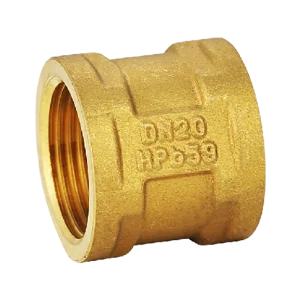
Constructed to standard sizes, managing flow entry parameters for utility tracking.
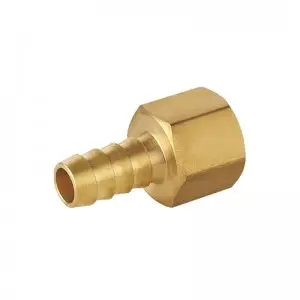
Constructed to standard sizes, facilitating connections for industrial hose lines.
Hydraulic pressure regulators are critical safety and control components. Selecting the right regulator requires evaluating the interaction between fluid dynamics, chemical exposures, and pressure settings.
When fluid flows through a restricted valve seat, the local pressure drops below the fluid's vapor pressure, causing vapor bubbles to form. As the pressure recovers downstream, these bubbles collapse, generating localized micro-jets with pressures up to 1,000 MPa. This cavitation behavior can wear away standard brass internals.
To prevent cavitation wear, our design engineers use finite element analysis (FEA) to profile flow paths and keep the cavitation index within safe limits. Additionally, we utilize dezincification-resistant (DZR) brass alloys and specialized coatings to ensure the valve body remains structurally sound under turbulent conditions.
Global regulations demand lead-free materials for components in contact with potable water. Standard brasses contain lead to improve machinability, but exporting to North America and Europe requires adhering to strict limits (under 0.25% lead content).
We resolve this challenge by using copper-bismuth and copper-silicon alloys (such as CW724R and C27450). These materials maintain structural durability and machinability while complying with clean water standards, keeping systems safe and compliant.
Quality assurance requires testing beyond standard laboratory conditions. In our quality control labs, we run continuous test cycles, cycling pressure and temperature parameters to simulate years of service. Each regulator is calibrated to its specific target pressure setpoint to prevent performance drift and ensure reliable pressure management.
Detailed engineering guidelines and design information to support industrial procurement managers.
Explore our selections for commercial construction, underfloor radiant heating systems, and water distribution networks.