 Yongda
Yongda
Yongda
German DIN-Standard aligned heavy-duty brass gate valves and control units engineered for maximum thermal distribution efficiency.
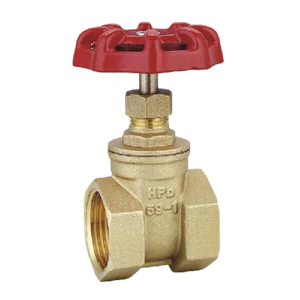
Germany represents Europe’s primary industrial hub, maintaining strict regulatory standards for fluid flow systems, hydronic balance mechanisms, and domestic water pipelines. Major hubs, including the Ruhr Valley, Baden-Württemberg, and Bavaria, require fluid control elements that guarantee structural integrity, long-term wear resistance, and precise performance. Sourcing components like industrial brass gate valves is not merely a purchase of hardware, but an deployment of structural security and legal compliance.
In accordance with DIN EN 12288 (specifically for copper alloy gate valves), German operators prioritize materials that resist structural failures and dezincification (DZR). The implementation of the German Building Energy Act (Gebäudeenergiegesetz - GEG) enforces low head-loss components to ensure hydronic heating structures minimize auxiliary pumping energy. Gate valves, with their full-bore linear configurations, are crucial components in these systems, preventing the high friction coefficients associated with alternative control configurations.
Strict structural verification aligned with German standards prevents leakage and pressure drops across heavy-duty industrial manifolds.
Meets European sanitary drinking water requirements (UBA-compliant positive lists) preventing lead migration and water pollution.
Unrestricted fluid passage design maximizes pressure retention, cutting energy costs in local district heating systems.
The transition toward smart cities and green residential spaces in Germany has driven changes in fluid system design. Standard manually operated plumbing networks are shifting to hybrid automated configurations. Centralized distribution units, localized smart manifolds, and pressure-balanced mixing assemblies are replacing legacy point-to-point layouts.
This integration demands components capable of managing varying system pressures (PN10 up to PN25) and dynamic temperatures. German developers prefer modular units: combining pre-assembled brass manifolds with specialized high-pressure air vent blocks and thermostatic actuators. This minimizes installation labor and helps prevent errors on-site, providing compliance with strict European construction standards.
Additionally, the requirement for lead-free raw materials (lead content ≤ 0.1% for specific installations) has altered manufacturing techniques. Utilizing hot-forged CW617N brass ensures reliable grain structures that resist stress-corrosion cracking (SCC) even in complex chemical environments.

Established over 25 years ago, we provide reliable OEM/ODM fluid systems to precision-driven markets worldwide.
Founded in 1996 in Yuhuan, Zhejiang—known as the "China valve capital"—Yuhuan Yongda Fluid Control Co., Ltd. (formerly Yuhuan Yongda Plumbing Co., Ltd.) has grown into an integrated fluid engineering organization. Our team handles design, structural testing, precision production, and global supply management.
We specialize in premium brass valves, specialized PEX fittings, and modern HVAC control equipment. We focus on durability and environmental compliance, aligning our designs with North American and European plumbing systems.
Operating a manufacturing campus exceeding 45,000 square meters (with an actual usable layout of 80,000 square meters), we maintain over 600 sets of automated production and testing machinery, including 80+ specialized CNC machining configurations. This infrastructure allows us to deliver high-quality components to engineering partners in more than 20 countries.
Through our premium brand Cokaren, we offer refined products under the brand promise: "keep flowing, keep warming". Cokaren focuses on residential and commercial building integration, combining high performance with reliable aesthetic design.
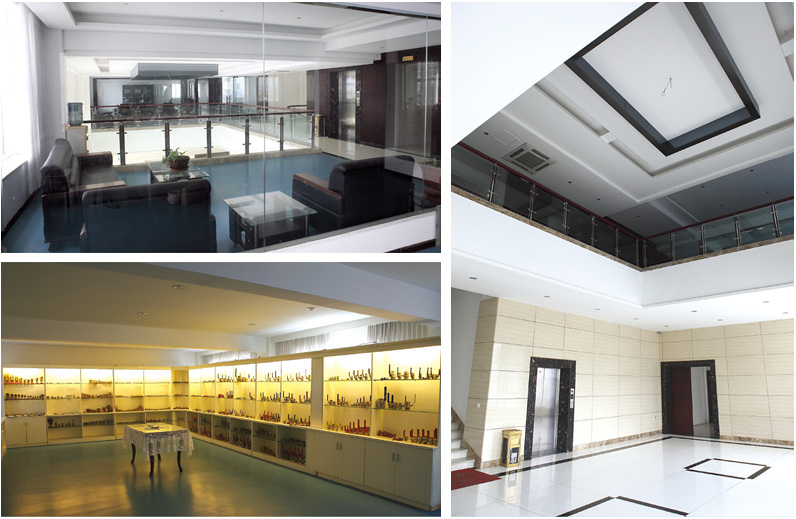
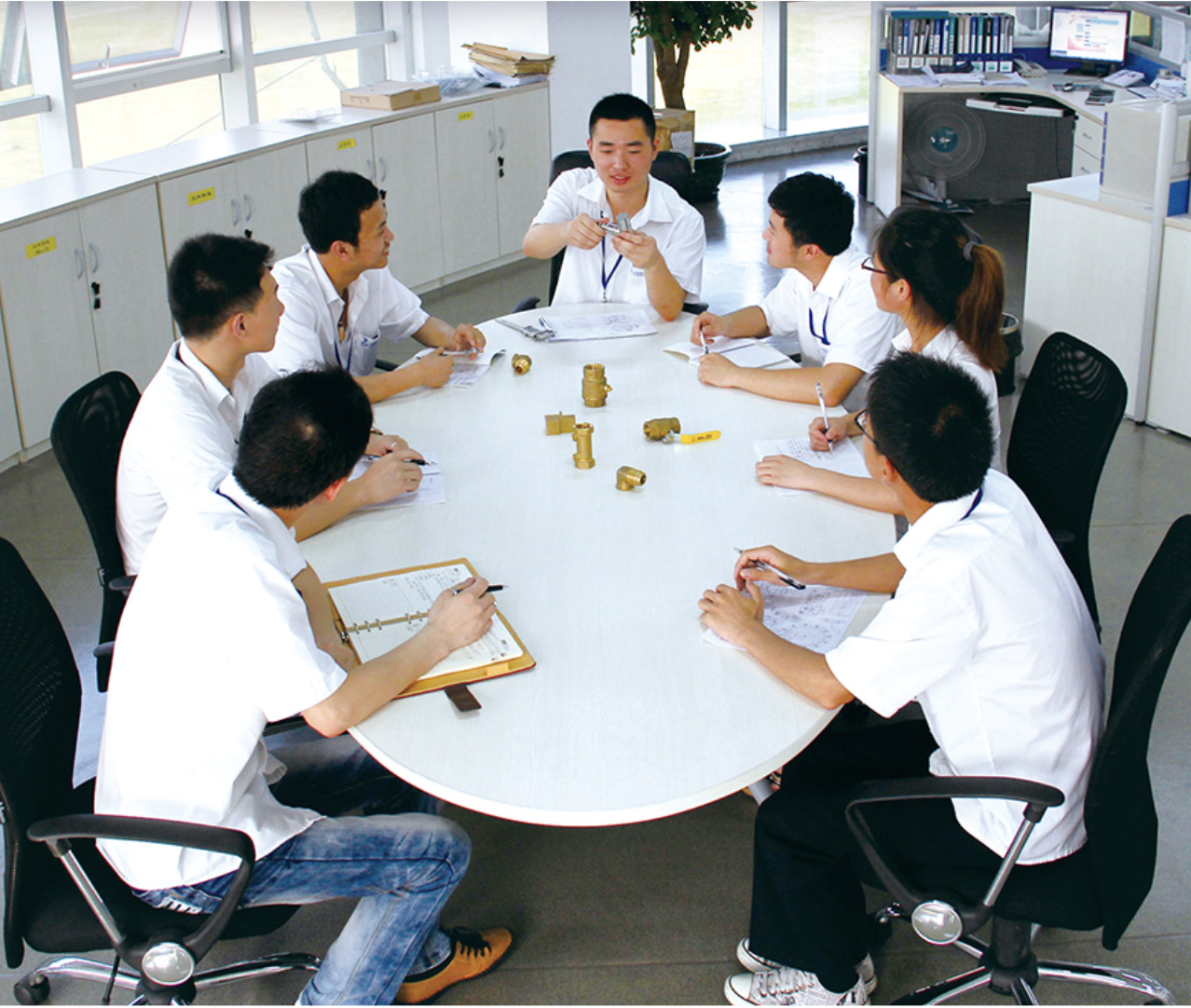
Our quality management policy is built on a clear principle: "Fine work, no leakage." To achieve this, we use computerized spectral analysis for incoming raw materials, optical dimensional verification on CNC lines, and hydrostatic testing for finished products. Each valve is tested at designated pressures to ensure complete sealing before shipping.
Yongda holds certifications demonstrating our commitment to environmental sustainability and workplace safety, including:
These practices keep our production lines aligned with German and European supply chain regulations, ensuring transparent, reliable operations.
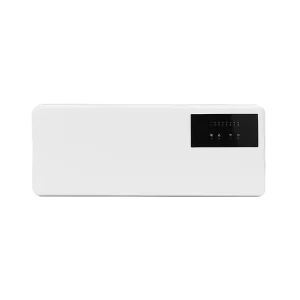
A comprehensive system approach designed to maximize thermal transfer efficiency while reducing pressure drop across residential and commercial HVAC networks.

Our integrated distribution infrastructure coordinates water filtration, thermal blending, and multi-zone regulation. By pre-fitting these modular units, installers can achieve consistent hydronic balance throughout the system.

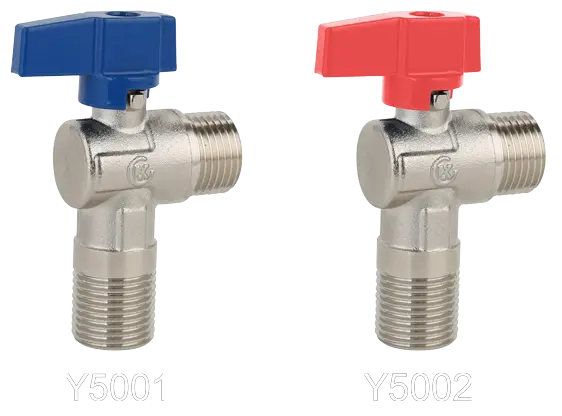
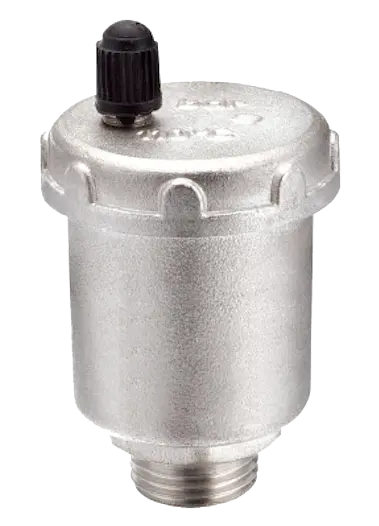
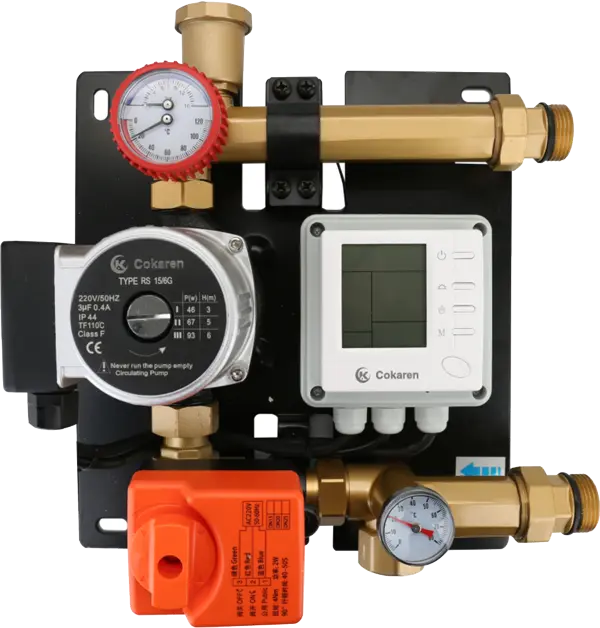
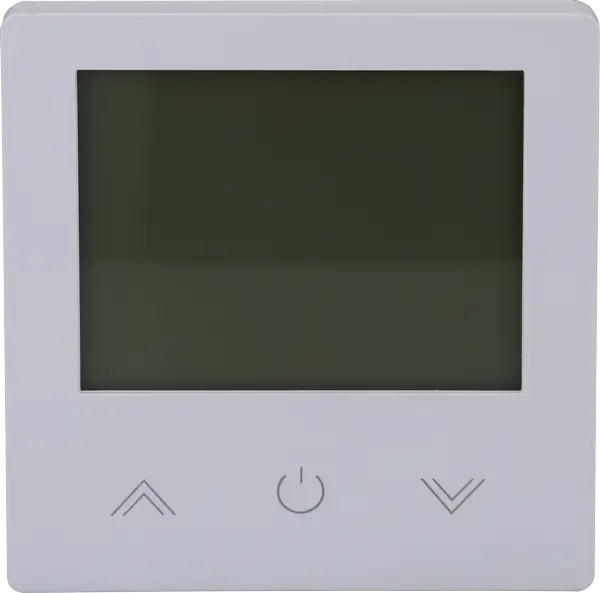
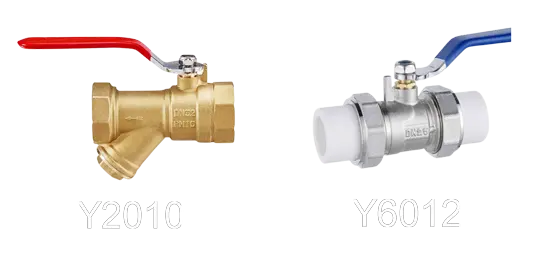
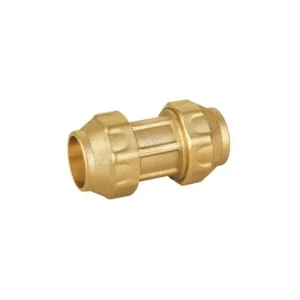
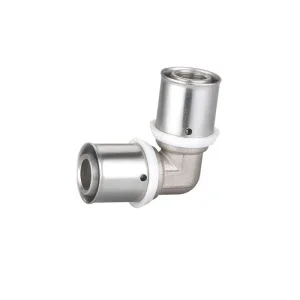
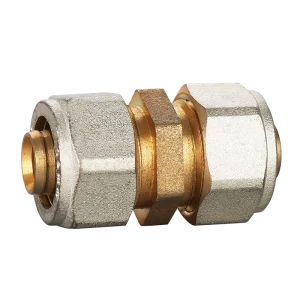
Precision brass fittings designed for seamless structural installations in domestic plumbing and modern district heating systems.
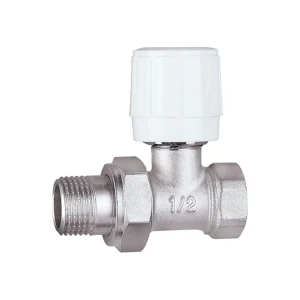
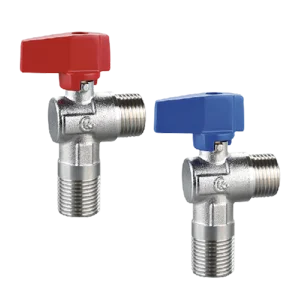
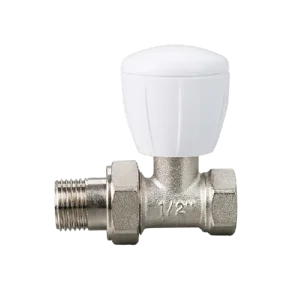
When sourcing industrial brass valves for the German market, purchase decisions are shaped by long-term operating costs (TCO) and regulatory compliance. Price calculations reflect several key factors:
While low-cost valves may reduce upfront expenses, they present risks of failure and regulatory non-compliance. Sourcing verified components from experienced manufacturing partners ensures long-term operational safety and stable performance.
Explore our selection of commercial valves, distribution manifolds, and plumbing connections, complete with direct access to technical specifications.
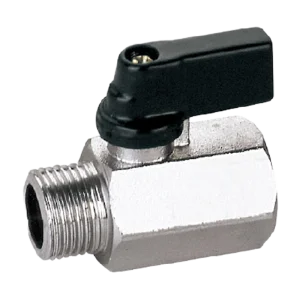
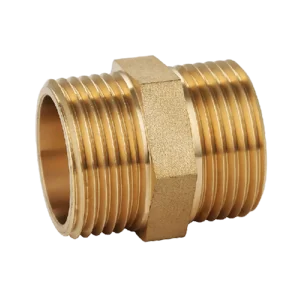
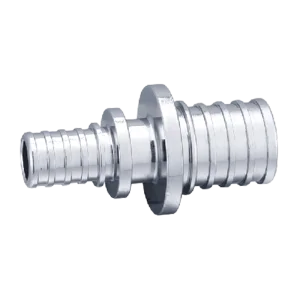
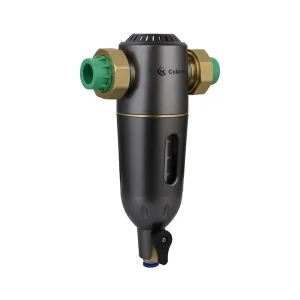
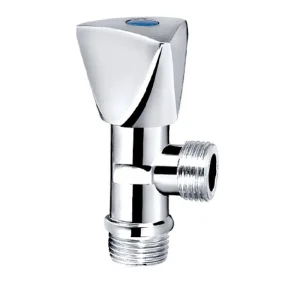
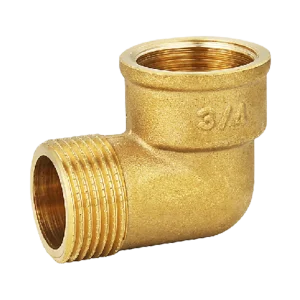
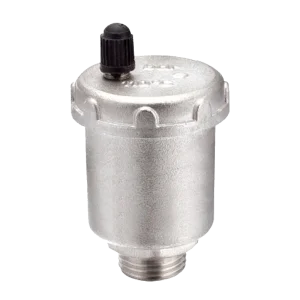
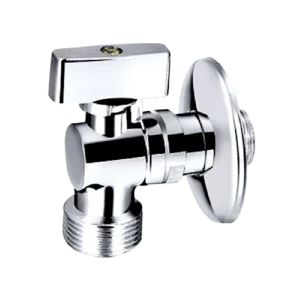
Key specifications, material standards, and logistical information for engineering buyers and distributors in Germany.
In Germany, brass gate valves used in industrial and building networks are governed by the European standard DIN EN 12288 (which replaces legacy German specifications). This standard regulates dimensional tolerances, raw material options, pressure classes (such as PN10, PN16, and PN25), and structural testing. Additionally, valves in contact with potable water must use materials listed on the Federal Environment Agency (UBA) positive list to comply with drinking water regulations.
Strict European and German drinking water directives restrict lead migration into potable water. Using alloys like CW617N or specialized lead-free silicon brass ensures compliant installations. Meeting these requirements helps protect operators and installers from legal liabilities under German consumer protection laws.
The Nominal Pressure (PN) rating indicates the maximum allowable operating pressure in bars at reference temperatures. Standard residential hydronic heating loops generally run on PN10. Commercial HVAC networks and deep-well water distribution lines require PN16 or PN25 components to handle potential pressure surges and protect downline equipment.
Shipments from our manufacturing facility in Yuhuan, China typically travel via ocean freight from Ningbo or Shanghai ports directly to major European ports like Hamburg or Rotterdam, with transit times averaging 28 to 35 days. For urgent projects, rail freight via the Eurasian Land Bridge reduces travel times to approximately 15-20 days to central German terminals.
Our quality system utilizes automated hot-forging machines to eliminate porosity defects common in casting. Finished valves undergo hydrostatic shell and seat testing according to DIN EN 12266-1 standards before packaging. This rigorous inspection process ensures that only fully sealed units reach the job site.
Contact our technical sales team for CAD drawings, material safety data sheets, and custom quotes tailored to German engineering standards.