 Yongda
Yongda
Yongda
Explore our top-selling heat distribution and piping elements manufactured in compliance with international CE certifications and local pressure safety thresholds.
In Russia's central administrative and industrial zones, municipal infrastructure relies heavily on automated district heating networks. In the metropolitan zone of Moscow, where ambient temperatures can dip lower than -30°C in winter, building design specifications mandate dynamic heat-retention systems capable of constant performance at high pressures. Over the past decade, there has been a drastic structural shift away from conventional carbon steel piping toward high-density polyethylene of raised temperature resistance (PE-RT Type II) pipes.
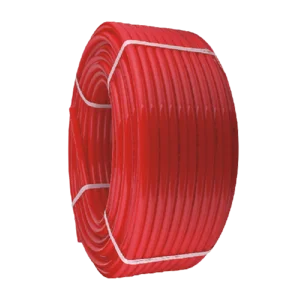
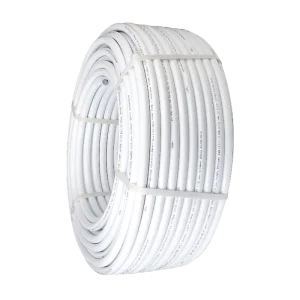
PE-RT Type II offers distinct mechanical advantages over traditional PEX or copper within Russian residential developments. The unique macromolecular structure of PE-RT, characterized by controlled side-chain distribution of octene comonomers, forms highly intertwined crystal structures. This grants the material high hydrostatic strength at elevated temperatures (up to 95°C) without requiring chemically induced cross-linking. As a result, procurement managers in Moscow specify PE-RT for underfloor radiant networks and radiator connection systems due to its high flexibility, simple weldability, and resistance to environmental stress cracking.
Understanding the exact local dynamics—such as compliance with GOST standards (particularly GOST 32415-2013), structural compatibility with cast-iron or brass manifolds, and complex domestic supply chains—is essential for global industrial developers looking to secure optimized quotes.
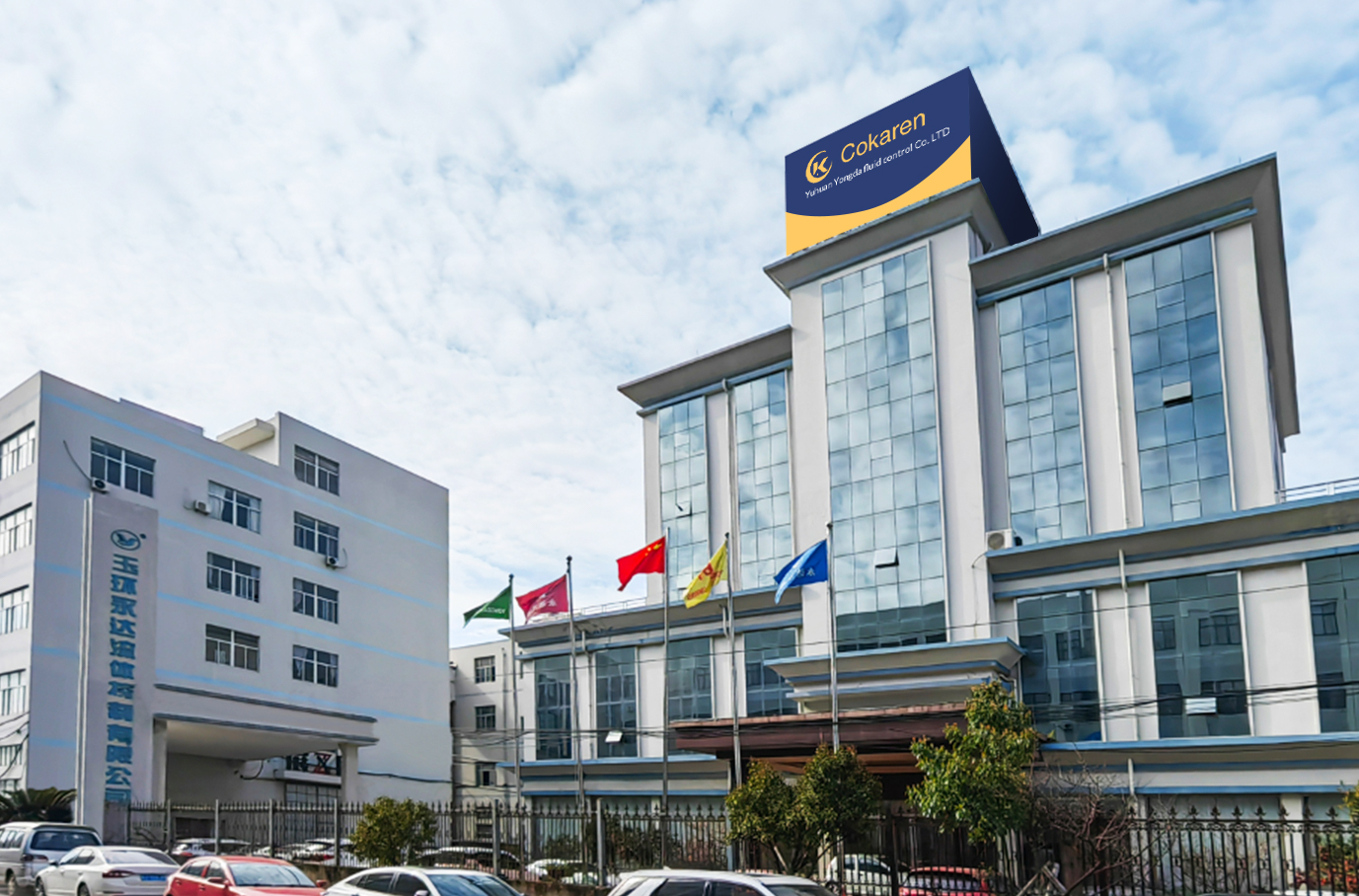
Providing robust mechanical control equipment and HVAC products to overseas distributors and residential infrastructure projects since 1996.
Operating under ISO 9001:2015, ISO 14001:2015, and ISO 45001:2018 certifications to deliver environmental protection-focused lead-free brass components.
Over 80 sets of specialized processing machine tools dedicated to performing rigorous pressure-bursting, tightness, and metallurgical assays.
"Keep flowing, keep warming" represents our promise to build reliable floor-heating systems and water-mixing accessories for residential buildings.
In Russia, structural piping installations are governed by strict federal standards like GOST 32415-2013. This standard details the thermal performance thresholds that plastic piping materials must survive over an operational lifespan of 50 years. PE-RT (Polyethylene of Raised Temperature Resistance) pipes, particularly Type II, outperform traditional variants under these requirements due to several critical properties:
Unlike standard PE pipes, which weaken rapidly when temperature increases, PE-RT Type II maintains high mechanical load capacity at continuous operating temperatures of 70°C and transient temperatures up to 95°C. The raw materials, such as Dowlex 2388 or LG SP980, are systematically structured to provide a high Hydrostatic Design Basis (HDB) curve, ensuring they do not fail prematurely under constant municipal system pressures.
During installation phases in Moscow, ambient temperatures regularly drop below zero. PEX pipes are notoriously stiff and prone to kinking in cold conditions, while PE-RT remains remarkably elastic down to -20°C. If water freezes inside a PE-RT tube, the material's elasticity allows it to expand slightly without cracking, then return to its original shape once the ice thaws.
Modern heating standards require oxygen permeability to remain below 0.32 mg/(m²·day) at 40°C. Without a protective barrier, oxygen molecules easily pass through polymer pipe walls into the water, causing corrosive rust to form on expensive boiler exchangers, stainless steel manifolds, and steel radiators. Our PE-RT pipes feature a co-extruded 5-layer design, sandwiching an Ethylene Vinyl Alcohol (EVOH) copolymer layer to block oxygen ingress and protect the metallic components in your heating loop.
Get bulk rates for PE-RT pipes, manifolds, and brass fittings delivered directly to your logistics hub.
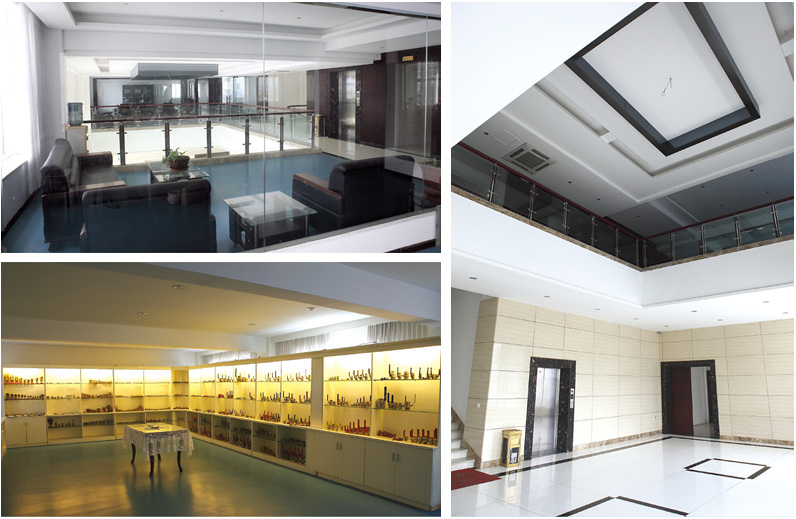
Securing high-quality PE-RT piping systems in Moscow requires clear coordination across international logistics channels. By sourcing directly from our advanced production facilities in Yuhuan, China (known as the "China Valve Capital"), commercial developers can optimize procurement costs by eliminating local distributors' markups.
Our typical freight routing options to Moscow include:
We supply customs clearance certificates, packing lists, test sheets, and support EAC (Eurasian Conformity) declarations. This ensures smooth passage through Eurasian Customs Union borders and reliable integration into projects across the Moscow region.
How our valves, mixing units, and actuators integrate to form energy-efficient floor heating loops.
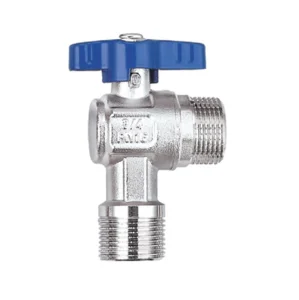
Water filter units and boiler angle valves control water entering the system, ensuring only clean hot water reaches the manifolds.
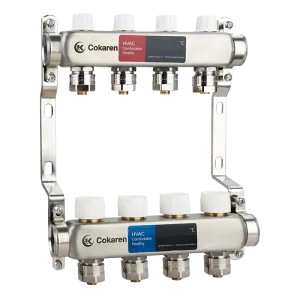
Stainless steel or brass manifold blocks split the main water supply into multiple zones, maintaining steady room temperatures.
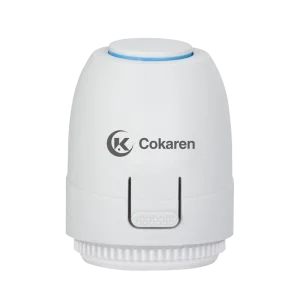
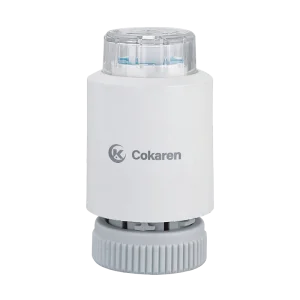
Smart NC electrothermal actuators dynamically adjust the return valves, automatically maintaining the user's preferred climate.
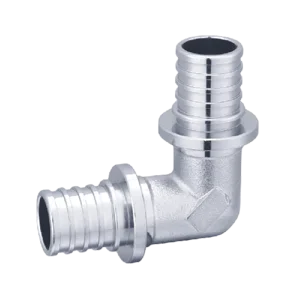
Complete your hydronic systems with durable manifolds, actuators, and brass connection accessories.
At Yuhuan Yongda Fluid Control Co., Ltd., our operations are guided by a core philosophy: Struggle, Enterprising, Pragmatic, and Innovative. Our quality policy, "Fine work, no leakage," drives our engineering processes. We are dedicated to continually improving our workforce's welfare while providing exceptional products that meet global structural standards.
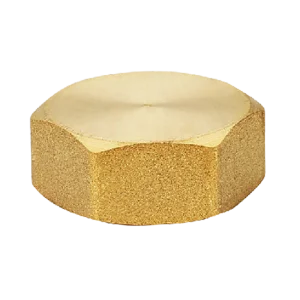
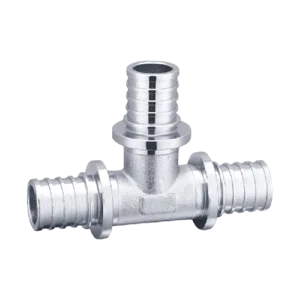
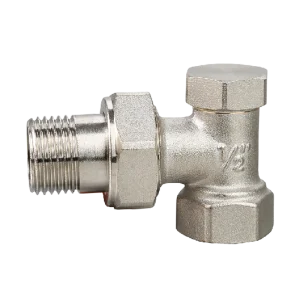
Below are additional specialized water system fittings and valves available for custom procurement and wholesale distribution:
Helpful answers regarding technical properties, regional standards, and import logistics for buyers in Moscow.
PE-RT Type II is produced using newer polymer catalyst technologies that yield higher density and superior hydrostatic performance. While Type I is typically rated for smaller applications at lower pressures, Type II is the standard for Moscow's district networks due to its ability to handle constant operating temperatures of up to 95°C and pressures exceeding 1.0 MPa (SDR 9 or SDR 7.4 structural walls).
Plastics are naturally permeable to gas molecules. Without an EVOH layer, ambient oxygen can seep into the water inside the heating loop. This oxygen acts as a catalyst, rusting steel boiler components, circulation pumps, and iron fittings. An EVOH barrier keeps oxygen entry within safe levels (under 0.32 mg/m²/day), extending the lifetime of the entire system.
Imported pipes must comply with standard GOST 32415-2013 and pass EAC (Eurasian Conformity) certification. EAC certification verifies that the product complies with custom union safety regulations, preventing structural failures in municipal pipelines.
The cost per meter depends on several factors: the grade of raw materials used (e.g., Dowlex 2388 vs. generic PE-RT polymers), the inclusion of an EVOH barrier, wall thickness (SDR ratings), and order volume. Global shipping rates, exchange rate fluctuations, and customs duties also impact the final landed cost in Moscow.
You can contact us via our website and submit your piping layout plans, preferred material specifications (such as SDR and EVOH requirements), and target delivery timelines. Our logistics team will estimate container load factors and shipping routes to provide an accurate quote to Moscow.
Reduce your procurement costs by importing high-quality floor-heating pipes, manifolds, and brass fittings directly from China.
Get Your Custom Pricelist Now