 Yongda
Yongda
Yongda
Engineered for Danish municipal water grids and district heating networks. All models feature dezincification-resistant (DZR) lead-free brass construction compliant with EU Drinking Water Directives.
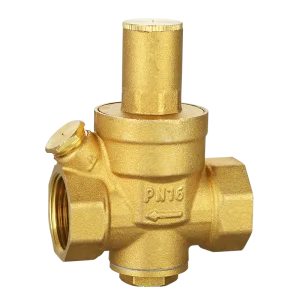
Optimized piston safety bypass valve with forged DZR brass casing. Ideal for sub-metering configurations.
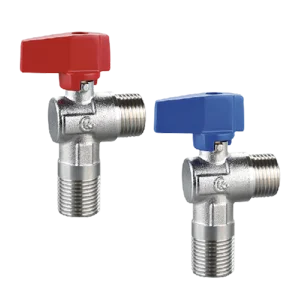
High-precision angle safety connection valves matching Scandinavian boiler radiator specifications.
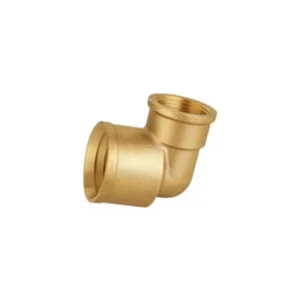
Corrosion-proof, machined solid brass fittings for commercial gardens, agriculture, and municipal facilities.
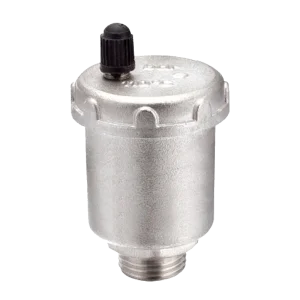
Micro-bubble air vent safety valves for automatic degassing in district heating stations (Fjernvarme).
Denmark is universally recognized for its commitment to energy efficiency, environmental safety, and high-performance engineering. In the Danish HVAC and potable water sectors, pressure management is critical. The regional water distribution system operates under tight hydraulic balancing configurations to prevent water loss and infrastructure degradation. Water loss reduction schemes spearheaded by Danish utility providers, such as HOFOR, demand that building installations strictly adhere to localized regulations.
Our line of Pressure Reducing Valves (PRVs) is meticulously engineered to control inlet pressures from municipal lines down to safe, usable building system levels. The Danish Building Regulation (BR18) requires that pressure-reducing components maintain stable outlet set-points regardless of primary network fluctuations. Operating without a reliable, high-grade PRV introduces risks of water hammer, pipe noise, structural leakage, and premature failure of downstream heating installations.
To export and install valves within the Danish domestic grid, manufacturing compliance with European Standards is mandatory. The core directive, DS/EN 1567, dictates strict testing procedures for noise levels (Class I or Class II acoustic ratings), dynamic flow regulation, and long-term mechanical stability. Furthermore, material standards require compliance with the 4MS Common Approach (Four Member States initiative), ensuring that all copper alloys in contact with drinking water are safe and lead-safe.
Empowering global fluid networks with robust, reliable, and premium HVAC & valve infrastructure.
Yuhuan Yongda Fluid Control Co., Ltd. (formerly Yuhuan Yongda Plumbing Co., Ltd.) is located in the recognized "Valve Capital of China" - Yuhuan, Zhejiang. We have established ourselves as an international benchmark for middle and high-grade fluid control components. Our state-of-the-art facility features a usable production area exceeding 80,000 square meters, equipped with more than 80 sets of specialized high-precision machine tools.
Through our dedicated brand, Cokaren, we uphold our core brand promise: "Keep flowing, keep warming." We are committed to developing refined water system accessories that deliver lasting comfort and security for residential and commercial heating setups.
Our quality management processes are backed by ISO9001-2015, ISO14001-2015, and ISO45001-2018 certifications, ensuring environmental safety, workplace welfare, and consistent production quality with zero-leakage policies.

In municipal water grids such as those in Copenhagen, Odense, and Aalborg, water chemistry dictates strict rules on copper alloys. Standard brass is highly susceptible to dezincification—a selective leaching process where zinc is removed from the brass alloy, leaving a porous and mechanically weak copper structure. To combat this, Yuhuan Yongda utilizes premium DZR (Dezincification Resistant) Brass alloys (such as CW602N and CW617N) containing corrosion-inhibiting elements like arsenic in concentrations of 0.02% to 0.15%.
Our forging processes are strictly temperature-monitored. Under improper heat treatment, phase transitions in the alloy matrix can degrade the corrosion resistance. Post-forging stress-relief heat treatment is mandatory at our factory, preventing stress corrosion cracking (SCC) caused by residual stresses from manufacturing. This metallurgical rigor is what allows our valves to perform reliably in acidic or high-chloride soft waters typical of Denmark’s regional groundwater basins.
Piston-actuated pressure reducing valves deliver superior durability in environments with frequent pressure shocks. The design balances inlet pressures using a forged piston assembly coupled with dynamic EPDM O-rings. Unlike diaphragm valves, which can suffer from elastomeric tearing over millions of cycles, piston-type valves handle higher pressure differentials and are highly resistant to calcification—a common issue in parts of eastern Denmark where groundwater hardness is high (approx. 15-20° dH).
Our piston PRVs feature an internally balanced seat design. The downstream pressure acts against the piston surface, opposing the tension of the calibrated spring. Any variance in upstream pressure does not affect the regulated setting, ensuring optimal performance for domestic appliances, heat exchangers, and boiler systems.
A synchronized array of valves and regulators engineered to manage heating distribution, filtration, and flow dynamics across modern Danish residential developments.


The first line of defense in domestic water sanitation, filtering up to 98% of particulates and scale in pipelines.
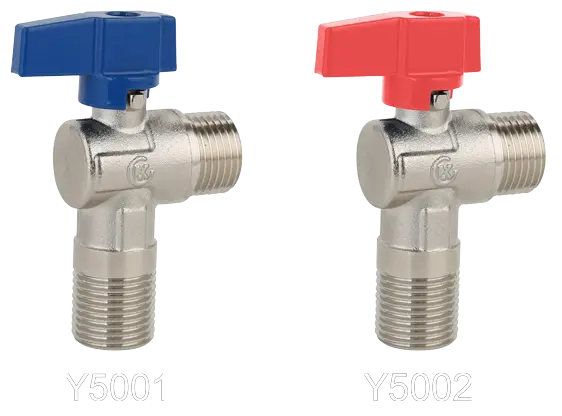
Equipped with a spherical spool to safely isolate and control boiler and heat exchanger connections.
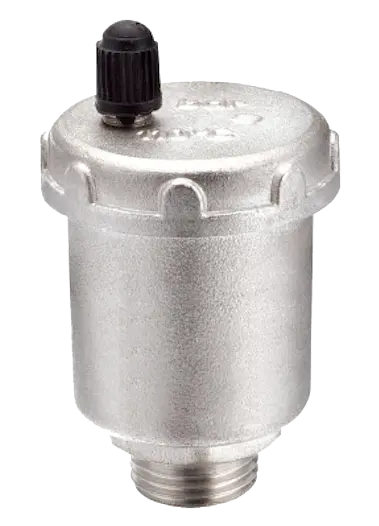
Expels pocketed air within high-efficiency district heating loops, preventing micro-cavitation and noise.
Regulates hot/cold fluid distribution in underfloor layouts, maintaining consistent water temperature.

Integrates system-wide sensors and actuators to maintain customized building room temperatures.
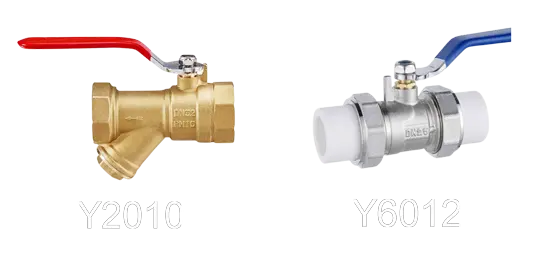
Incorporates dynamic pressure monitoring ports and integrated particulate screens for manifold entry points.
When optimizing import pipelines to Denmark, total cost of ownership (TCO) involves manufacturing margins, logistical routes, and customs parameters under the EU-China trade rules. Our Pressure Reducing Valves Export Pricelist is structured on a tiered volume bracket system, offering progressive discounts for wholesale distributors, construction engineering buyers, and system integrators. Production cost scales are largely influenced by international copper index pricing (LME Copper), which directly impacts raw material surcharges for DZR alloys.
Shipping to primary Danish ports—such as Port of Aarhus or Port of Copenhagen—typically operates on FOB Ningbo or CIF/DAP terms. To protect delicate machined tolerances, thread surfaces, and sensitive springs inside the valves, our export packing features molded EPS trays and moisture-barrier vacuum seals. This prevents atmospheric salt corrosion during maritime transit through the North Sea.
Danish engineering projects frequently request customized features. Our factory is fully equipped to handle and estimate pricing for the following configuration choices:
At Yuhuan Yongda Fluid Control, our operations are guided by the tenets of: "Customer first, Quality based". Our strict quality policy is simple: "Fine work, no leakage". Every individual pressure reducing valve is subjected to automated multi-stage pneumatic and hydraulic pressure testing before packaging.
Our engineering lab features state-of-the-art spectrometers for material alloy verification, coordinate measuring machines (CMM) for precision sizing checks, and dynamic test rigs to simulate thermal shock and high cycle fatigue. Through these continuous investments, we bridge the gap between competitive factory-direct manufacturing and premium European regulatory compliance.
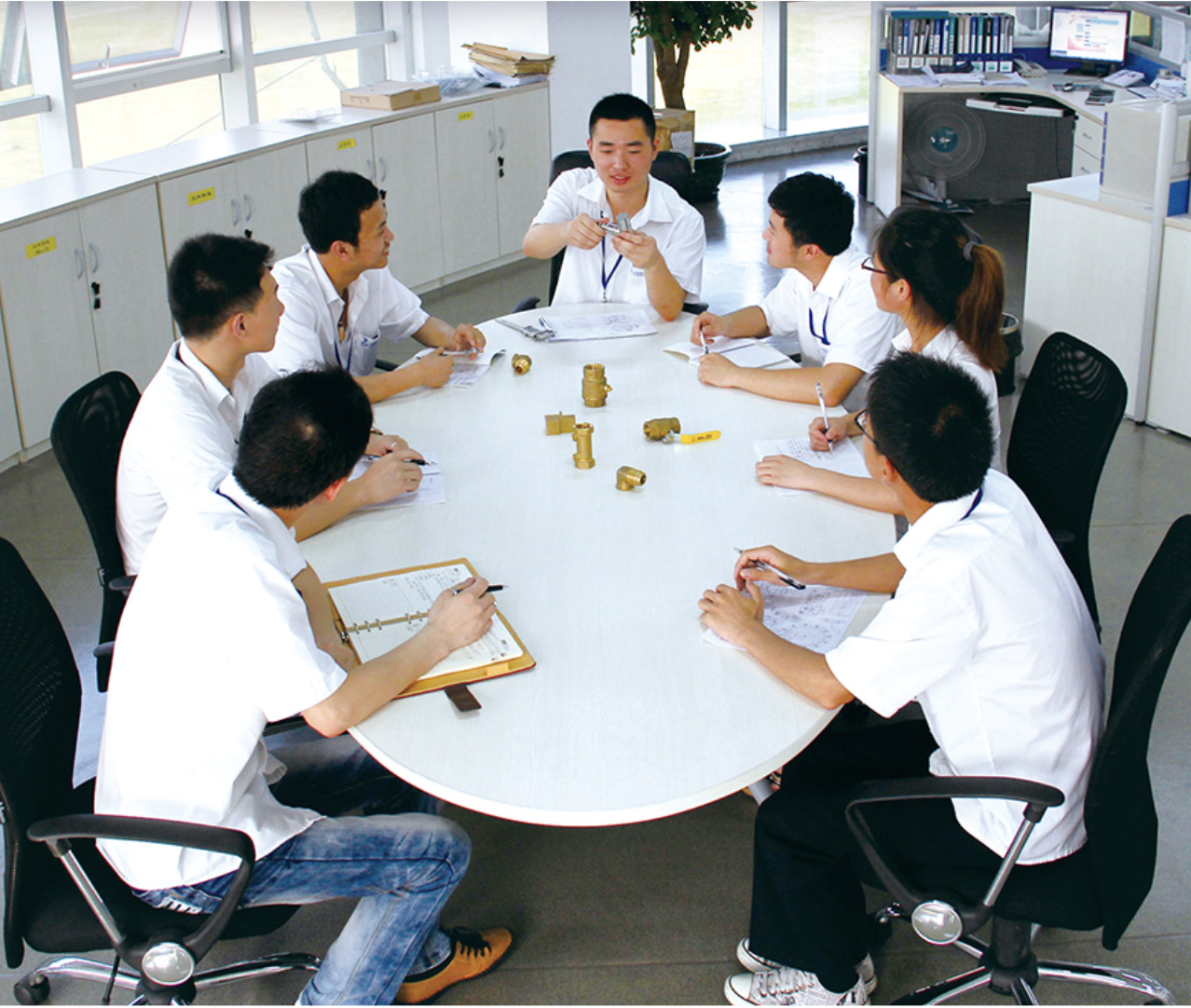

Over 60% of households in Denmark are heated via local and municipal district heating networks. These centralized systems pump high-temperature water from CHP plants to local utility substations. The primary feed pressure is typically around 16 to 25 bar, with temperatures reaching up to 120°C. Within residential property boundary lines, this high energy must be managed safely.
Our specialized range of manifolds, mixing shunts, boiler safety valves, and automatic air vents works in harmony with our PRVs to handle this extreme energy transformation. Keeping air pocket levels below critical thresholds via automatic bleeder valves prevents localized rust and premature heat-exchanger performance loss, helping properties achieve their targeted energy ratings.
Exemplifying global design specifications, heavy-duty build profiles, and EN/ISO certifications.
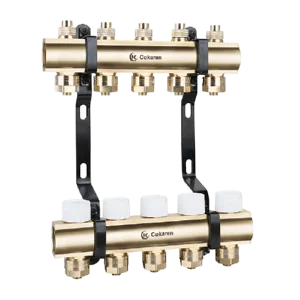
Precision-machined brass distribution manifolds. Compatible with modern hydronic actuator setups.
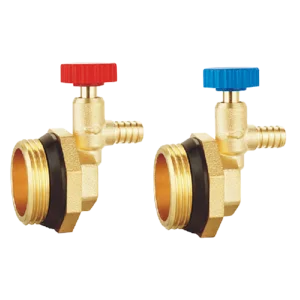
Heavy-duty end-plugs featuring integrated micro-bleeds to allow convenient system degassing during setup.
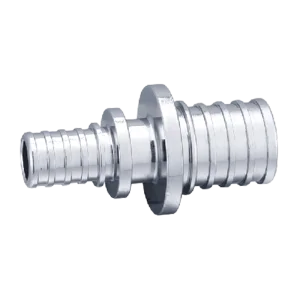
Double O-ring secure hose-tail connect adapters optimized for commercial high-pressure washdowns.
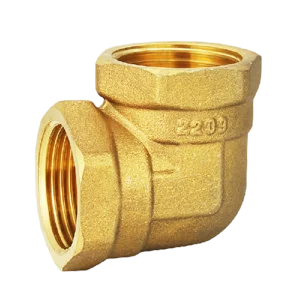
Thick-wall forged elbows engineered for hydraulic connection lines in compact utilities.
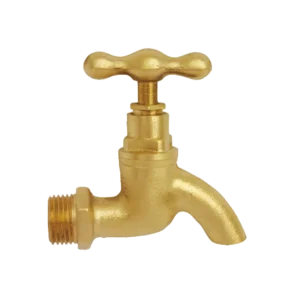
Classic outdoor service tap with anti-splash design and heavy corrosion-resistant alloy finish.
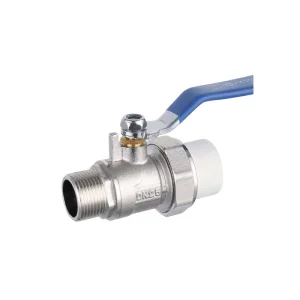
Thermal fusion-weldable ball valves for poly-pipe plumbing lines in heating configurations.
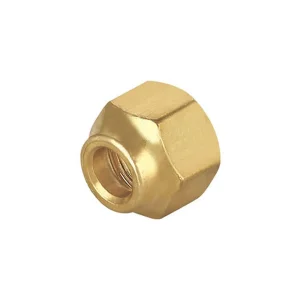
Precision flare interface connections designed to sustain long-term pressure sealing without cracking.
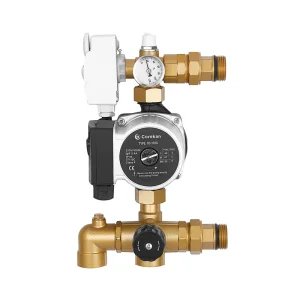
Pre-assembled fluid recirculation and mixing manifold loops for domestic underfloor heating.
Supporting components for advanced hydronic controls and pipeline connections.
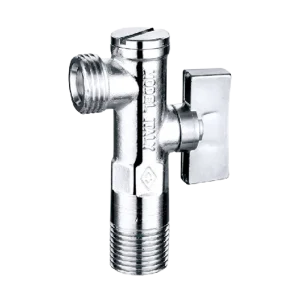
Equipped with fine mesh stainless steel screens to trap scale and protect plumbing fixtures.
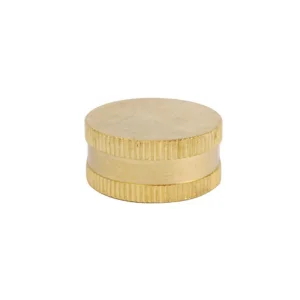
Threaded garden hose connectors engineered for export to high-volume distribution channels.
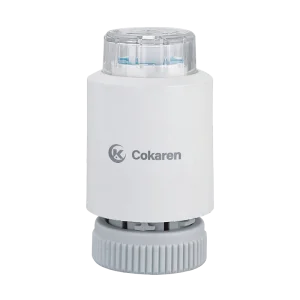
Quick-response electrothermal actuators to automate zoning manifold controls.
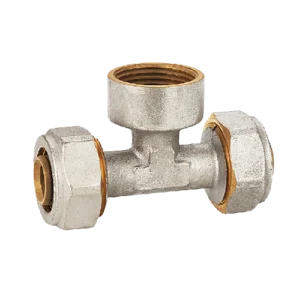
Heavy-duty compression fittings designed for direct underfloor multi-layer PEX pipe integration.
When installing a Pressure Reducing Valve (PRV), engineers must account for water's thermal expansion properties. In a closed loop—such as a building's heating system or domestic hot water setup equipped with storage tanks—expansion can cause downstream pressures to rise past safe limits. While the PRV prevents high pressure from entering the building from the main supply line, it acts as a one-way barrier. Consequently, pressure buildup generated by heating water downstream of the valve cannot backflow into the main grid.
To keep pressures balanced, Danish building regulations require installing a safety expansion vessel and a calibrated relief valve alongside the PRV. Placing a Y-strainer ahead of the PRV inlet is also recommended. This filters out pipeline sand and debris, preventing premature wear on the valve seat and maintaining stable, regulated pressure over time.
Cavitation occurs inside a PRV when pressure drops quickly, causing micro-vapor bubbles to form and then collapse violently against the metal surface. Over time, this leads to structural erosion, noise, and valve failure. The risk of cavitation depends on the ratio of inlet pressure to outlet pressure, known as the *cavitation index*.
If a project requires reducing pressure from 10 bar down to 2 bar, using a single valve to bridge that large pressure gap can lead to high noise and cavitation damage. In these cases, Yuhuan Yongda's engineering team recommends a two-stage reduction scheme: installing two PRVs in series to drop pressure incrementally (e.g., stage 1 drops pressure from 10 bar to 5 bar, and stage 2 drops it from 5 bar to 2 bar). This distribution mitigates cavitation risks, stabilizes flow, and extends the service life of the system.
Expert answers on pressure reducing valve sizing, material compliance, and export logistics for the Danish market.
For the Danish and Nordic markets, we primarily manufacture our valves using CW602N (Dezincification Resistant) and CW617N lead-safe brass alloys. These materials conform to the European 4MS Common Approach positive list, ensuring they meet the chemical leaching regulations required for municipal installations.
Piston-type PRVs offer a more compact footprint, handle higher pressure differentials without risk of rupture, and resist mineral scaling better in hard-water regions like eastern Denmark. Diaphragm-type valves can offer faster response times for high-volume municipal mains, but piston valves are generally preferred for residential and building-level utility lines due to their mechanical durability.
Our production facility is certified under ISO 9001:2015, ISO 14001:2015, and ISO 45001:2018. Additionally, our key products hold CE mark credentials and undergo material testing to ensure compliance with the European DS/EN 1567 standard for pressure reducing valves.
Yes. While our standard valve springs are adjustable from 1.5 to 6 bar, we can manufacture custom high-tensile stainless steel springs for low-pressure (0.5 to 2 bar) or high-pressure (5 to 12 bar) requirements. Custom settings can be pre-calibrated and sealed at our factory before shipping.
Our manufacturing lead time ranges from 30 to 45 days, depending on the order volume and customization specifications. Shipping is typically arranged from Ningbo Port, with transit times to the Port of Aarhus or Copenhagen taking approximately 35 to 40 days.
Absolutely. We manufacture threads conforming to ISO 228-1 (parallel G threads) and EN 10226 (tapered R/Rp threads), which are standard throughout Europe. We also offer compression connection profiles for direct connection to copper and PEX lines.
Yes, we provide full OEM and ODM services. Our facility features more than 600 sets of advanced equipment, including dynamic testing rigs and custom forging machinery, allowing us to stamp custom brand logos, manufacture tailored body profiles, and build bespoke packaging to support local brands.