 Yongda
Yongda
Yongda
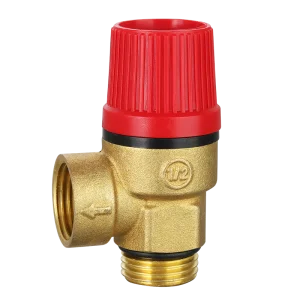
Premium safety valves engineered to protect local hydronic, HVAC, and industrial processes from critical overpressure events.
As the undisputed energy capital of the world, Houston, Texas, anchors a vast downstream petrochemical refining corridor, extensive municipal water works, and a sprawling commercial HVAC district. In these demanding sectors, the control of fluid dynamics and thermal expansion is not merely an operations concern; it is a critical safety and compliance mandate. High-pressure steam systems, large-scale domestic water heaters, and hydronic loop systems in regional offices require fail-safe pressure relief mechanisms to prevent devastating mechanical failures.
Safety valves designed for the Houston industrial landscape must survive severe environmental stresses. High atmospheric humidity combined with coastal salt spray from the Gulf of Mexico accelerates galvanic corrosion. Under these conditions, the selection of metallurgy, such as high-grade forged brass (CW617N or UNS C37700) and nickel-plated check assemblies, becomes key. The integration of high-performance alloy springs and EPDM seals ensures that safety valves retain their precise setpoint pressures over thousands of thermal cycles.
In engineering terms, the terms "safety valve" and "relief valve" are often used interchangeably, yet their mechanical operation serves different roles. Safety valves act as rapid-opening (pop-action) safety devices. When the static inlet pressure reaches the set point, the valve pops open almost instantly to dump large volumes of steam or gas, preventing catastrophic pressure build-up. In contrast, relief valves open gradually, proportional to the increase in overpressure, typically utilized for liquid fluid systems where sudden discharge could cause water hammer and system shocks.
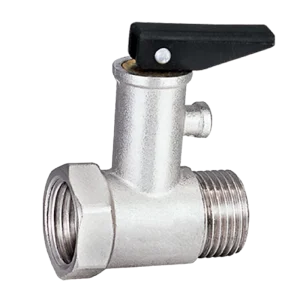
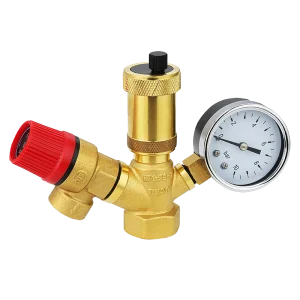
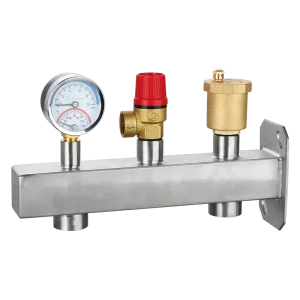
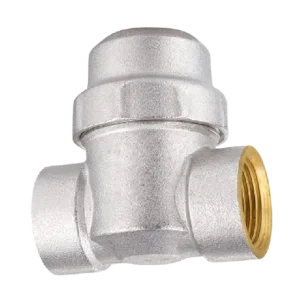
For industrial operators across Harris County, using the correct combination of automatic pressure relief valves, air venting groups, and check valves prevents fluid backflow and pressure spikes. Modern high-efficiency boiler rooms utilize a complete "Boiler Safety Group" that integrates safety valves with automated air vents and pressure gauges, creating a consolidated, single-point manifold configuration.
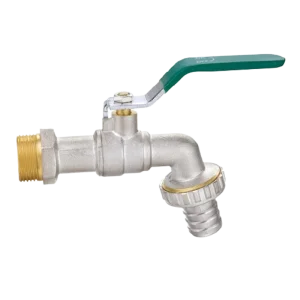
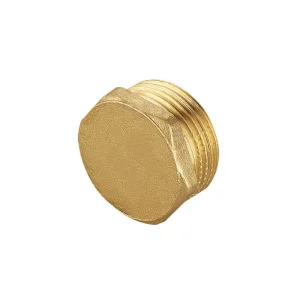
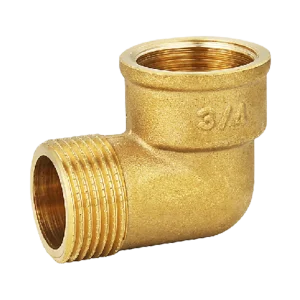
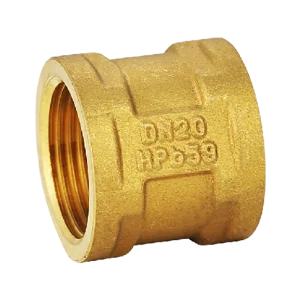
High-precision plumbing fittings and flow control valves vital for structural piping networks and industrial boiler circuits.
For global engineering consultants and procurement leads in Houston, maintaining a resilient supply chain is critical. Partnering with a large manufacturer like Yuhuan Yongda Fluid Control Co., Ltd. combines advanced manufacturing capacity with rapid overseas shipping channels to the Port of Houston. By establishing strict compliance with global quality systems, Yongda ensures that safety valves, ball valves, and air vent components are shipped with verified material test reports (MTRs) and international certifications.
Whether deploying district heating grids, setting up light-commercial multi-family water boilers, or managing subfloor hydronic zones, our customized OEM and ODM services allow engineers to specify valve set pressures, connector threads (NPT/G-thread standards), and branding details. Under our specialty brand, Cokaren, we carry forward our commitment to delivering refined styling and performance, keeping hydronic systems flowing safely and efficiently.
Originally founded in 1996 as Yuhuan Yongda Plumbing Co., Ltd., the company has expanded its manufacturing footprint to cover a total usable facility area of over 80,000 square meters. Our production capability is driven by more than 600 sets of advanced tooling, including 80+ specialized machine tools. This precision setup is supported by robust compliance systems, including ISO 9001:2015 Quality Management, ISO 14001:2015 Environmental Management, and ISO 45001:2018 Occupational Health and Safety. Our strict quality policy is defined by a simple, uncompromising baseline: "Fine work, no leakage."
This rigorous manufacturing philosophy guarantees that every safety valve leaving our assembly floor is tested for seat tightness, set-pressure accuracy, and blowdown performance. This focus on reliability ensures that our plumbing and HVAC systems perform reliably under critical operational pressure.

Modern residential and commercial construction demands high-efficiency heating, cooling, and water distribution networks. Operating these closed-loop systems requires integrated safety and control architectures to manage pressure changes, vent air pockets, and regulate supply temperatures. Below is our integrated system architecture, designed to optimize thermal efficiency while maintaining safety controls.


Primary inline sediment defense, capturing 98% of pipeline particulates.
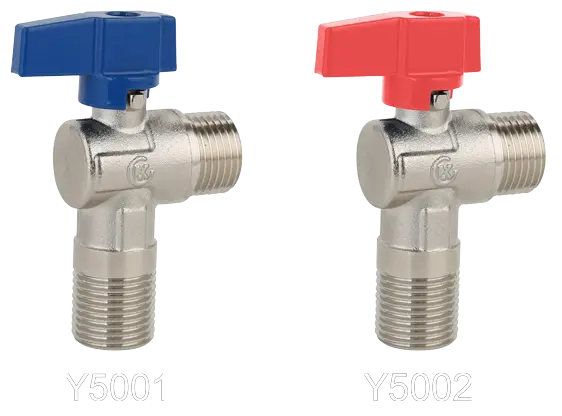
Reliable spherical spool isolation controls hot/cold boiler inflow lines.
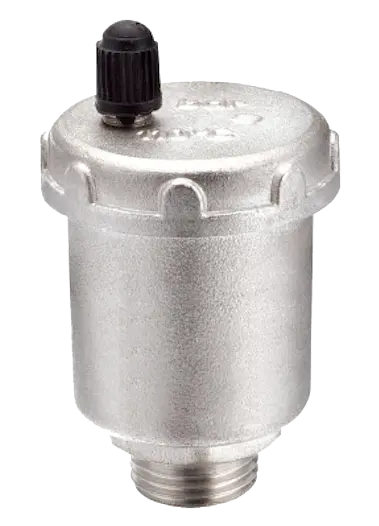
Automatically exhausts entrapped air pockets to stabilize hydronic lines.
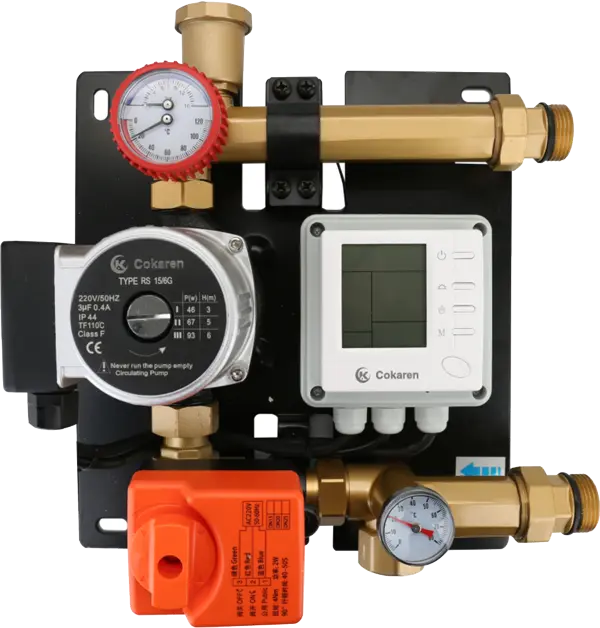
Blends fluid return lines, stabilizing temperature and reducing thermal stress.
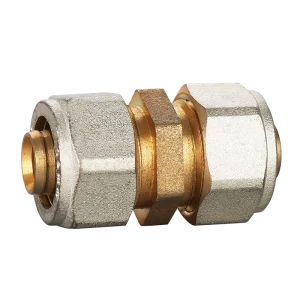
Premium PEX fittings, check valves, and smart heating actuators engineered for high-performance fluid control.
The industrial landscape is moving rapidly toward intelligent building integration and remote process automation. Traditionally, safety valves and pressure relief configurations were purely passive, mechanical safeguards. While they remain the ultimate line of physical defense against pipeline bursts, the next generation of fluid control incorporates digital diagnostic capabilities. Built-in micro-sensors can now track real-time valve position, spring fatigue, and trace moisture leaks. This allows facilities managers to run predictive maintenance protocols, scheduling repairs before a pressure release event occurs.
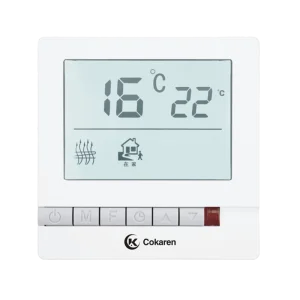
At Yuhuan Yongda, our engineering teams are actively developing advanced materials and digital solutions to meet these challenges. We are integrating lead-free brass formulations that meet strict US EPA regulations with smart actuators and automated manifold systems. By pairing intelligent LCD thermostats with motorized mixing valves and pressure relief modules, we provide building operators with precise, data-driven control over their thermal networks.
Yongda Fluid Control is built on the principles of: Struggle, Enterprising, Pragmatic, and Innovative. Guided by our quality policy, "Fine work, no leakage," we prioritize customer safety above all. Our production processes are fully certified under leading global frameworks: