 Yongda
Yongda
Yongda
In modern industrial and municipal fluid systems, PPR (Polypropylene Random Copolymer) Check Valves (non-return valves) play an indispensable role. These valves prevent the reversal of media flow within piping structures, protecting complex booster systems, heat source devices, and filtration components. Driven by massive global infrastructure upgrades and a concerted shift from heavy metallic valves to resilient, anti-corrosive engineering polymers, the global demand for PP-R materials continues to surge.
Unlike traditional cast-iron or carbon steel alternatives, PPR check valves boast extreme resistance to chemical abrasion, interior scaling, and electrochemical deterioration. From residential hot-water distribution lines to critical chemical processing infrastructure across Europe, the Middle East, and North America, these valves maintain fluid velocity, protect mechanical seals, and significantly lower energy expenditures by keeping pressure drops to a absolute minimum.
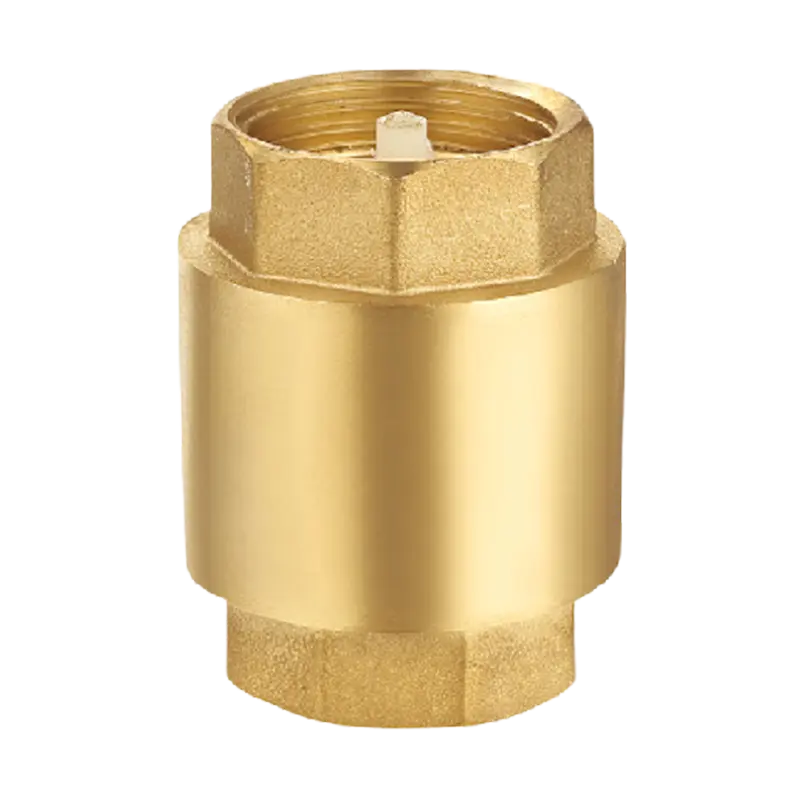
Our engineered PPR check valves combine thick-walled raw Polypropylene Random Copolymer with heavy-duty DZR (Dezincification Resistant) brass structural threads. Using dynamic spring-loaded mechanisms or swing discs, they offer near-zero backflow tolerance under low and high pressure parameters.

Founded in 1996 and situated in China's premium valve cluster—Yuhuan, Zhejiang—Yuhuan Yongda Fluid Control Co., Ltd. (formerly Yuhuan Yongda Plumbing Co., Ltd.) has evolved into an integrated manufacturing powerhouse specializing in design, development, production, and global supply chains.
Our product matrix targets mid-to-high tier demands, categorizing primarily into brass valves, precision fittings, and multi-zone HVAC products. Emphasizing environmental safety, structural longevity, and hydraulic efficiency, our components are highly favored in demanding jurisdictions across North America and Western Europe.
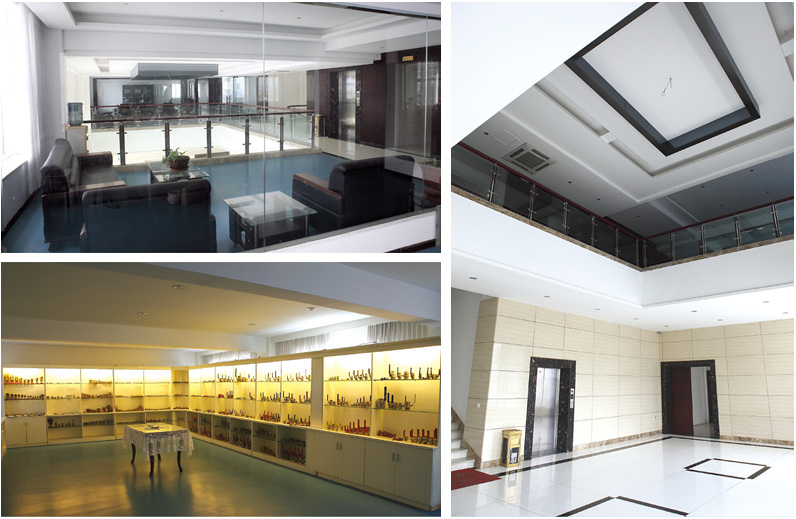
Spanning an expansive footprint of 45,000 square meters (with usable areas exceeding 80,000 square meters), our facilities house over 600 sets of advanced processing and inspection lines, including 80+ CNC specialized machining units. This massive capacity allows us to dynamically adjust to custom OEM/ODM parameters while serving buyers across 20+ industrialized countries.
To meet the rising standards of smart residential builds and strict hydraulic performance, our premium brand Cokaren represents high-end finish quality, tight dimensional tolerances, and absolute performance reliability.
Our operational philosophy for Cokaren centers around the promise: "keep flowing, keep warming". By engineering high-caliber PPR non-return valves, thermal actuators, and manifold setups, we strive to maximize indoor thermal comfort while eliminating the operational maintenance hazards typical of cheaper, low-quality plumbing components.
Through state-of-the-art laboratory testing, raw material tracking, and visual inspection systems, Cokaren is structured to build long-term value for international distributors, B2B plumbing wholesalers, and system integrators worldwide.
Evaluate our standard performance metrics against your hydraulic pipeline specifications. All parameters conform to DIN 8077/8078 and EN ISO 15874 structural standards.
| Nominal Size (mm) | Working Pressure (PN) | Temp Range (°C) | Cracking Pressure (Bar) | Body Material | Internal Spring Material | Thread Integration |
|---|---|---|---|---|---|---|
| DN20 (ø20) | PN20 / PN25 | -5°C to +95°C | 0.02 - 0.05 Bar | PP-R (Type 3) | Stainless Steel SUS304 / SUS316 | DZR Brass Insert (ISO 228) |
| DN25 (ø25) | PN20 / PN25 | -5°C to +95°C | 0.02 - 0.05 Bar | PP-R (Type 3) | Stainless Steel SUS304 / SUS316 | DZR Brass Insert (ISO 228) |
| DN32 (ø32) | PN20 / PN25 | -5°C to +95°C | 0.03 - 0.06 Bar | PP-R (Type 3) | Stainless Steel SUS304 / SUS316 | DZR Brass Insert (ISO 228) |
| DN40 (ø40) | PN16 / PN20 | -5°C to +95°C | 0.04 - 0.08 Bar | PP-R (Type 3) | Stainless Steel SUS304 / SUS316 | Flanged / Direct Fusion |
| DN50 (ø50) | PN16 / PN20 | -5°C to +95°C | 0.04 - 0.08 Bar | PP-R (Type 3) | Stainless Steel SUS304 / SUS316 | Flanged / Direct Fusion |
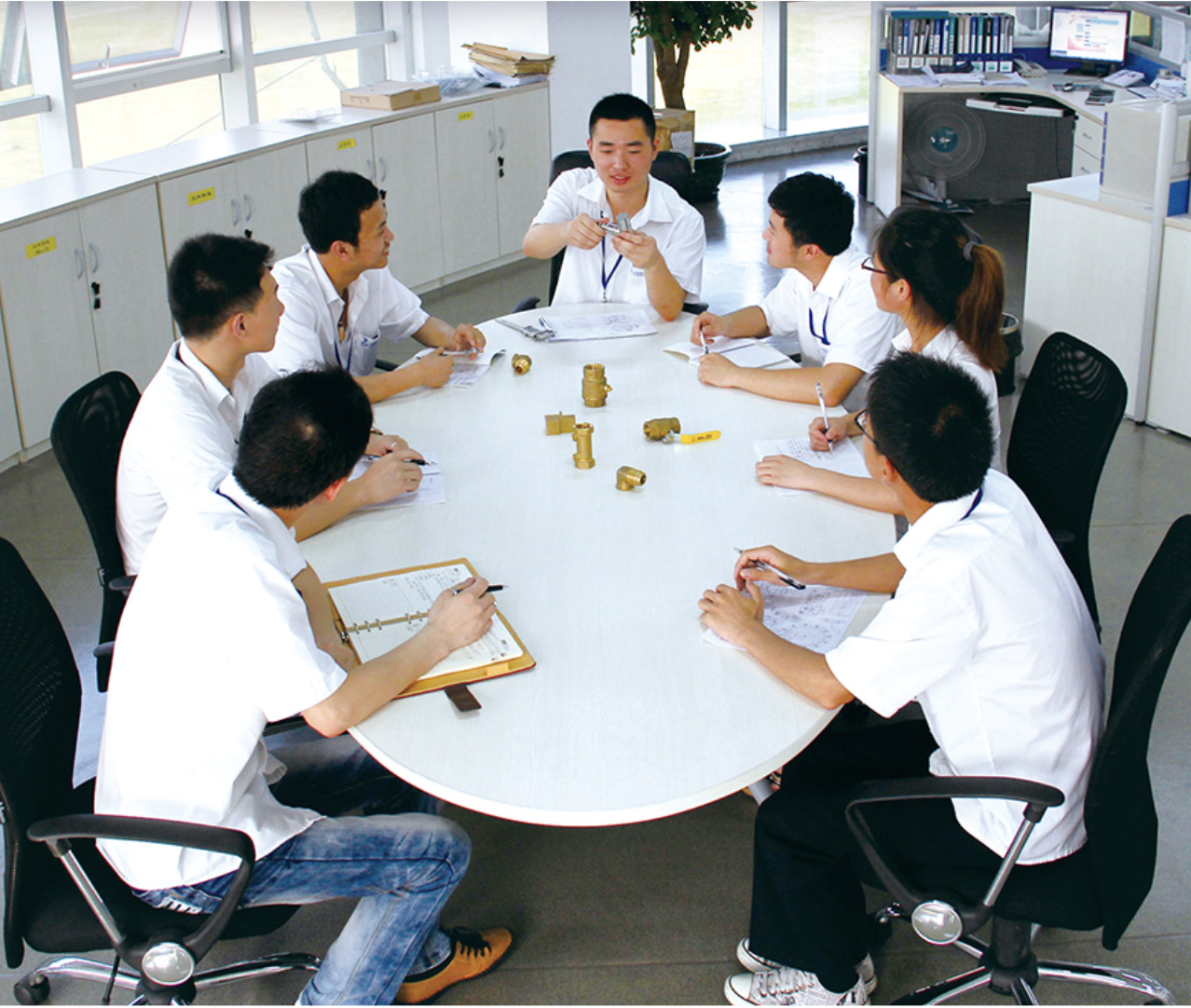
At Yuhuan Yongda Fluid Control Co., Ltd., our engineering capability is driven by a strong corporate philosophy based on four core pillars: Struggle, Enterprising, Pragmatic, and Innovative.
Our operational mandate centers on a simple, yet uncompromising promise: "Customer first, Quality based". In the fluid control sector, even minor component leaks can lead to structural damage and systemic pressure losses. Consequently, our quality policy mandates "Fine work, no leakage" across all production runs.
We continuously invest in automation and employee welfare to align corporate progress with personal fulfillment. By standardizing high-end engineering practices, we deliver consistent quality to our business partners.

Our international B2B operations comply with global quality, environmental, and occupational safety frameworks. We maintain active compliance across three core management standards:
Additionally, we carry regional product markings, including CE certification, allowing direct integration into residential hydronic installations across the European Economic Area.
Our comprehensive component catalog works cohesively within high-efficiency residential, commercial, and HVAC networks.


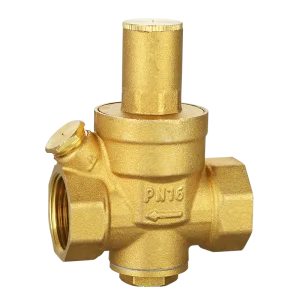
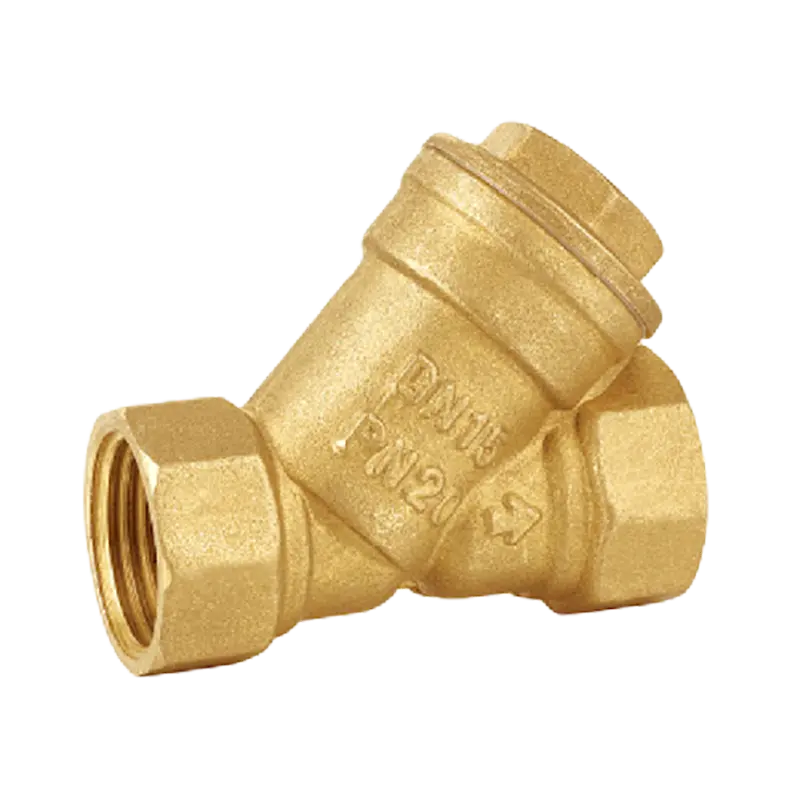
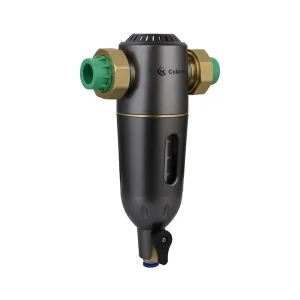
The first line of defense in domestic water sanitation, filtering up to 98% of particulates and system scale.
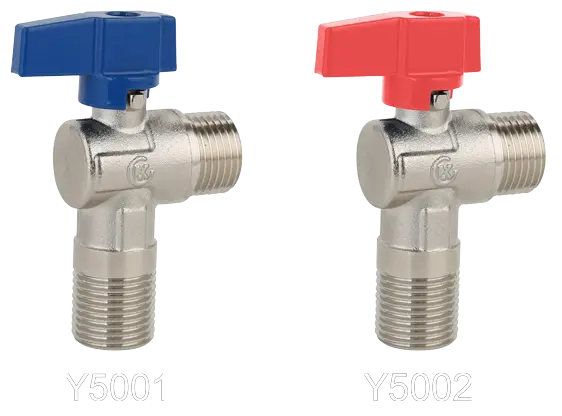
Regulates hot and cold inflows within system boilers using a high-precision spherical spool.
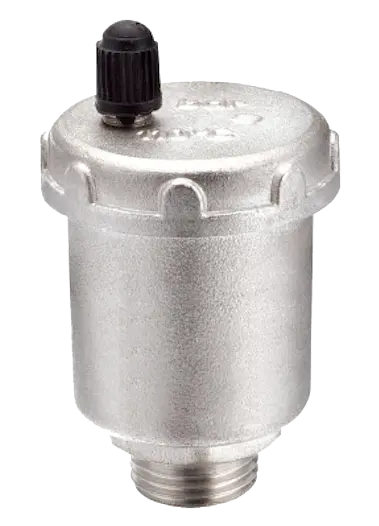
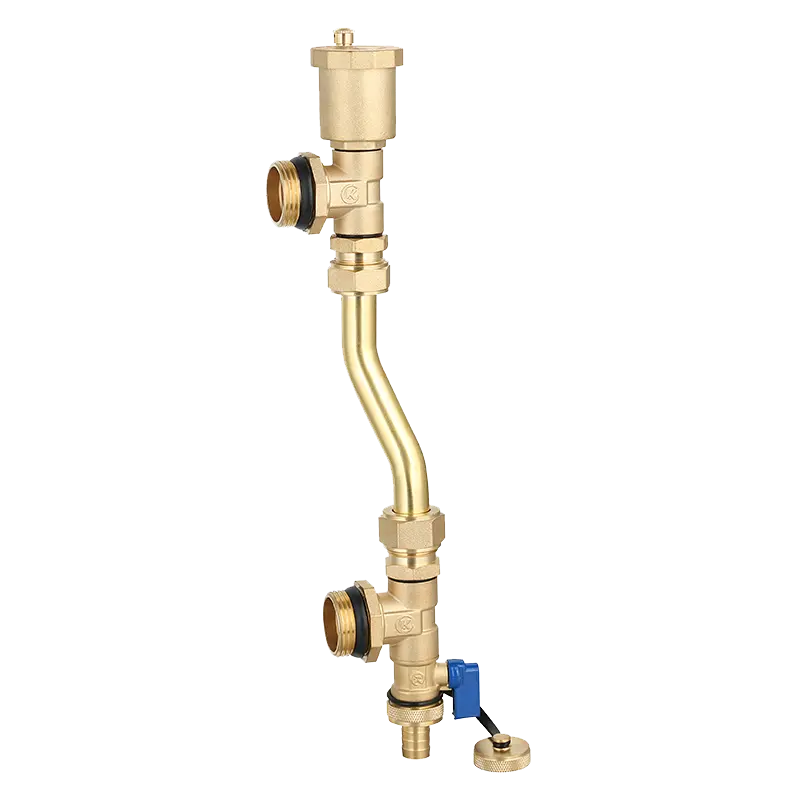
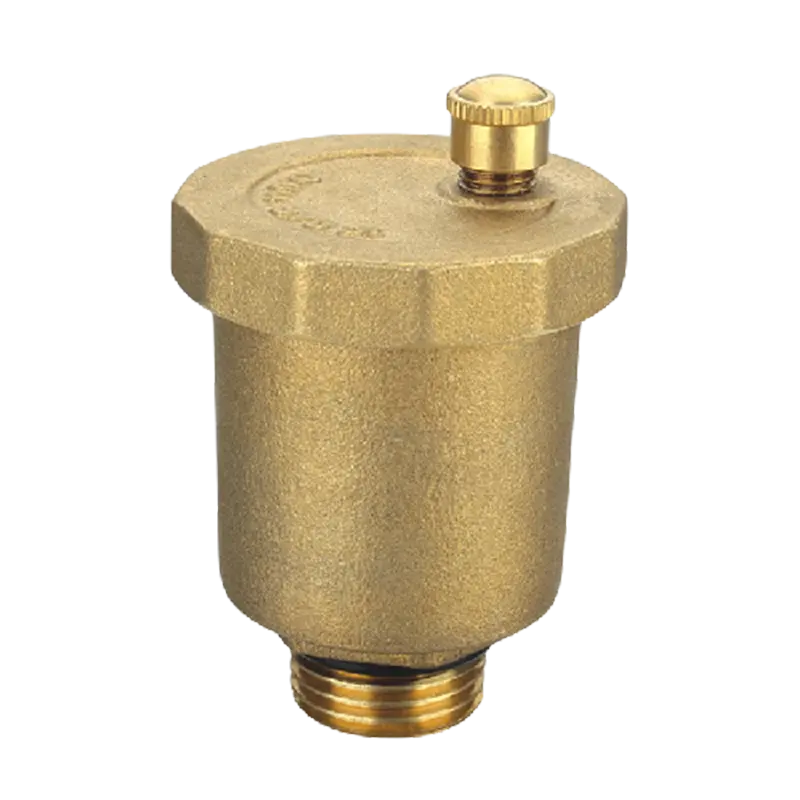
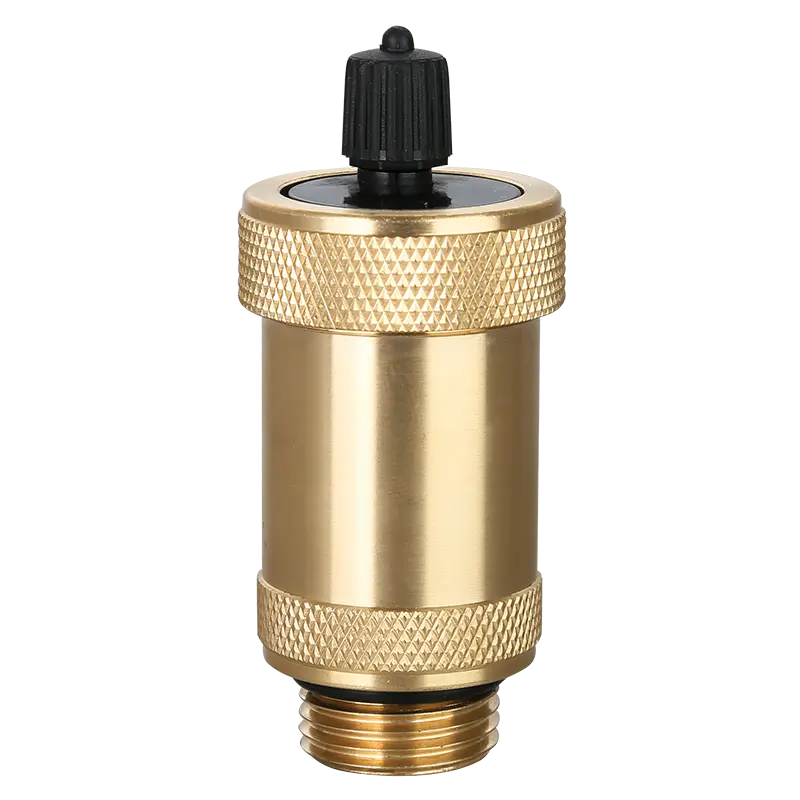
Automatically releases accumulated air pockets, maintaining continuous hydraulic balance.
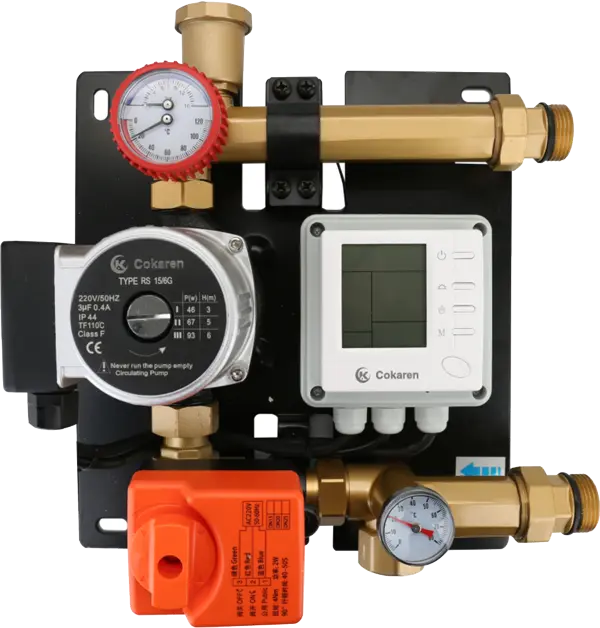
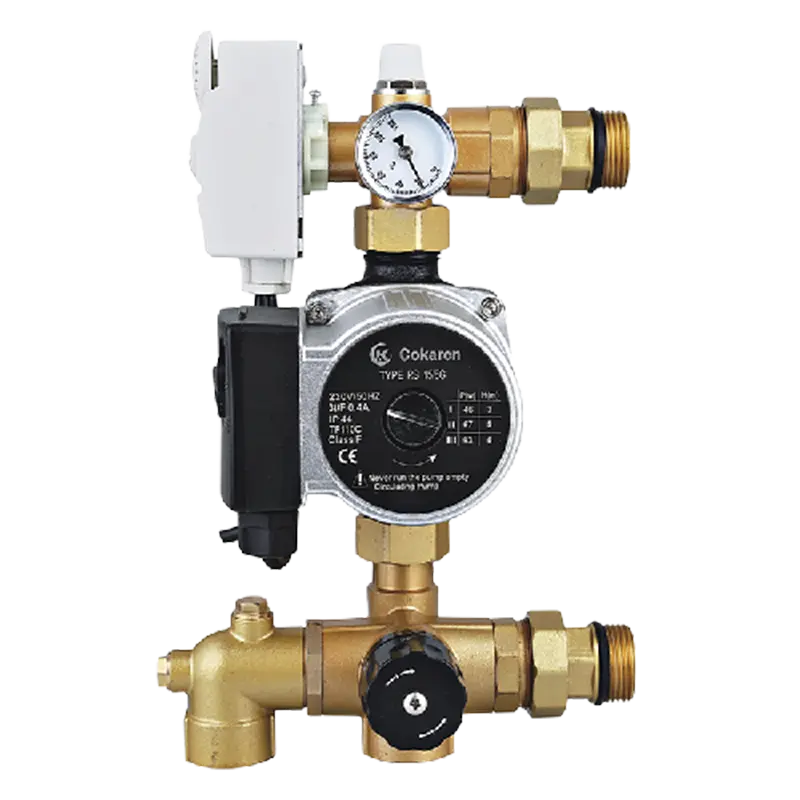
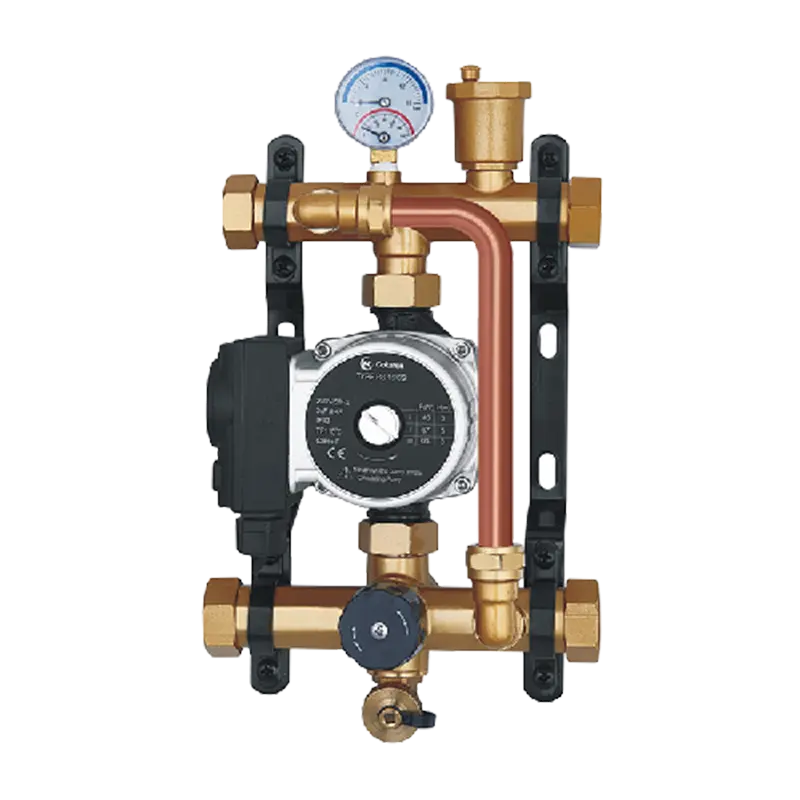
Blends return and supply lines to stabilize target feed water temperatures for underfloor systems.
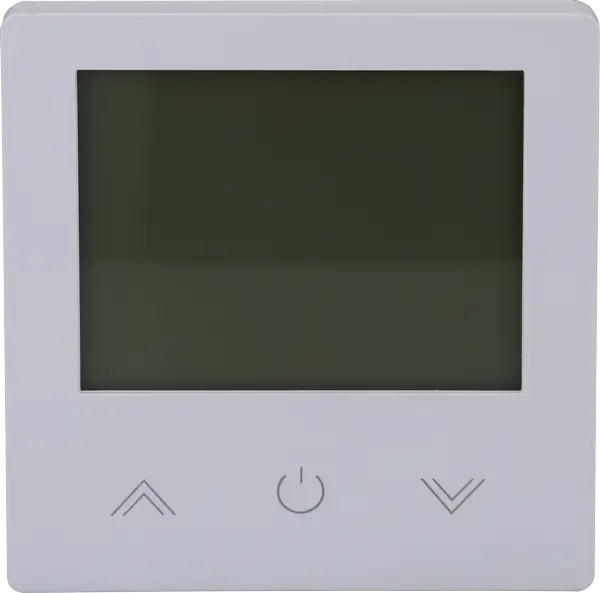
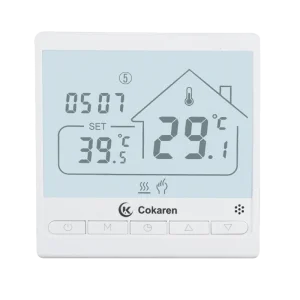
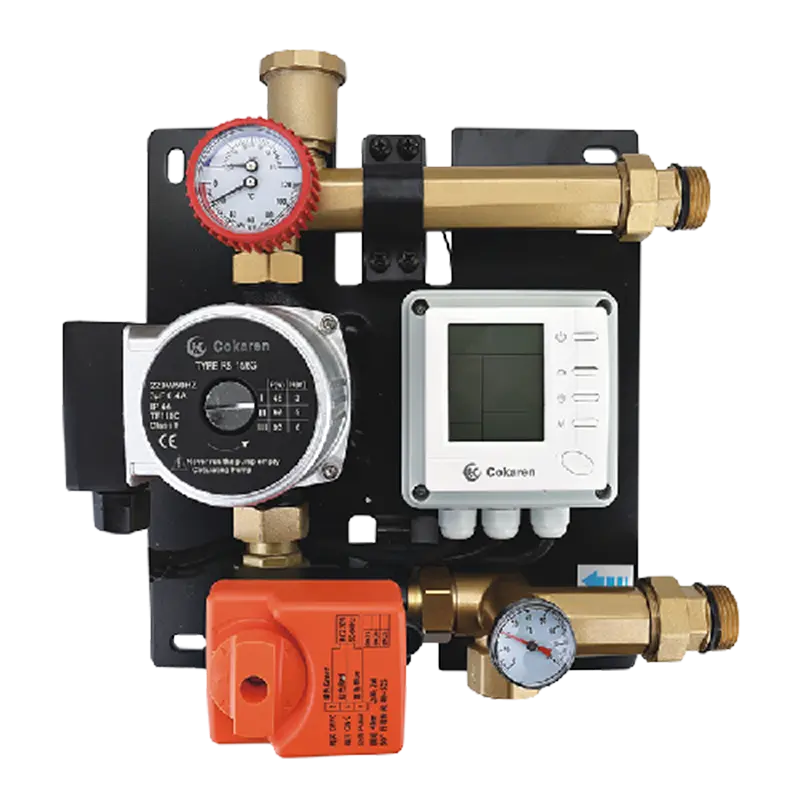
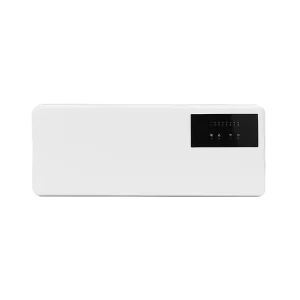
Central control unit optimizing multi-zone temperatures via direct valve feedback loops.
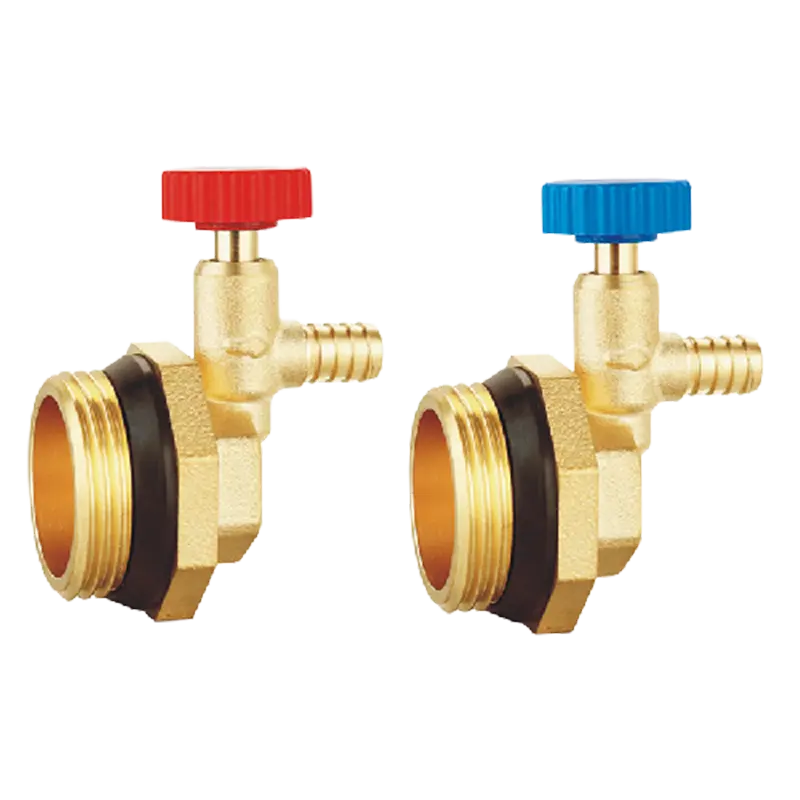
Provides inline filtration, pressure diagnostics, and temperature tracking for manifold distribution.
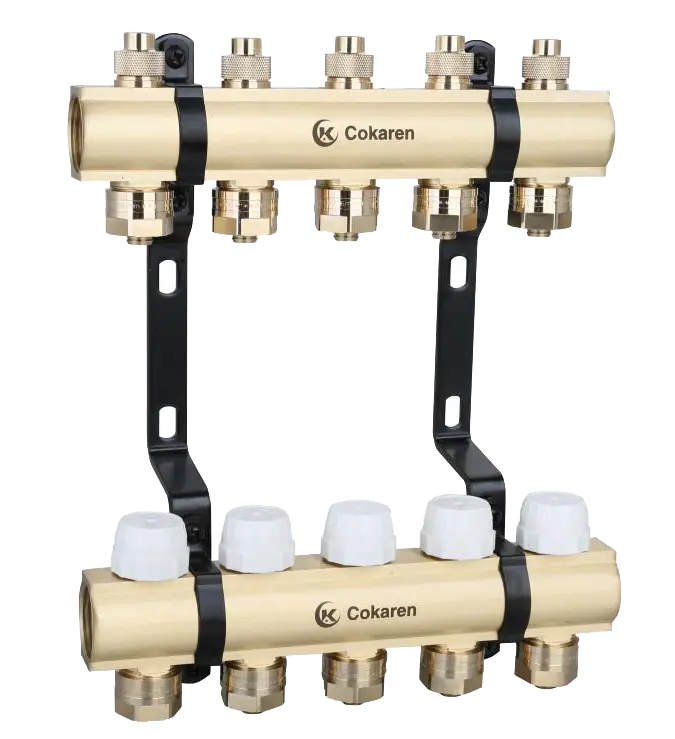
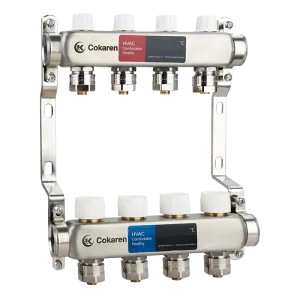
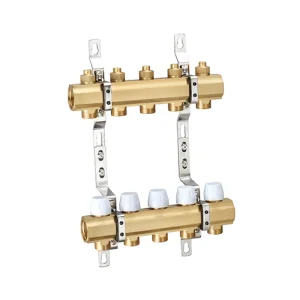
Proportionately distributes radiant fluid streams to individual heating zones, supporting precise thermal adjustment when paired with intelligent thermostats.
Choosing the correct PPR check valve layout requires understanding specific application requirements. Below are the key installation areas where PPR valves are critical:
In hot-water radiator grids, boiler feed-lines, and solar thermal loops, non-return check valves are exposed to cyclic thermal stress up to 95°C. Lower-grade plastic alternatives risk chemical degradation and structural failure. Cokaren’s premium PPR valves feature optimized thermal aging protection, preventing structural creep and maintaining long-term physical properties under heat load.
Radiant heating systems utilize low-velocity, high-mass loops where backflow can compromise temperature distribution across manifold runs. Positioning a PPR swing or spring-check valve upstream of the mixing assembly keeps hot and cold water separate, preventing system reverse circulation during off-peak cycles.
For chemical transport lines, RO (Reverse Osmosis) treatment centers, and non-potable lines, check valves must withstand various chemicals. PP-R’s chemical neutrality protects the valve body from degradation, and its low internal friction prevents chemical deposits, scaling, and organic growth.
The primary advantage of PPR piping systems is the high reliability of heat-fusion connections, which eliminate mechanical threaded connection leaks. During socket fusion, both the PPR check valve socket and the pipe end are heated to 260°C ±10°C, then joined to create a unified material bond.
Our manufacturing process focuses on the interface between the metal insert and the PPR body. Over years of thermal cycling, difference in thermal expansion between brass and polypropylene can cause micro-fissures. Yuhuan Yongda prevents this by using multi-groove DZR brass inserts, which are overmolded under high hydraulic pressure to ensure tight physical sealing and long-term durability.
Select high-demand products from our manufacturing lineup, certified for global distribution.
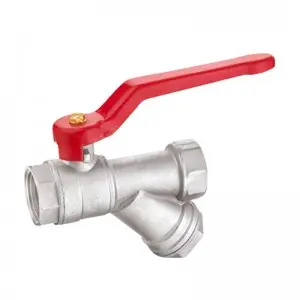
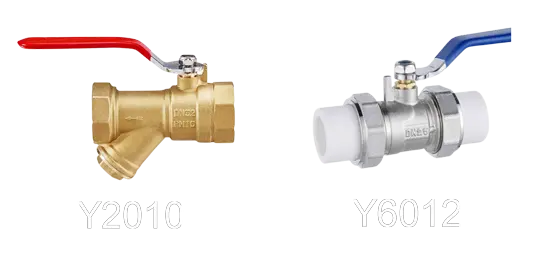
Combines a heavy-duty ball valve with a built-in mesh strainer to reduce space and installation labor.
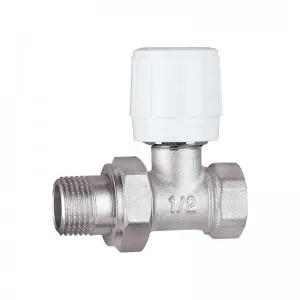
Designed for manual or actuator-driven local thermal modulation across individual branch units.
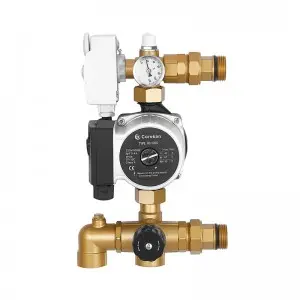
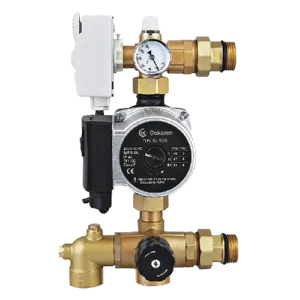
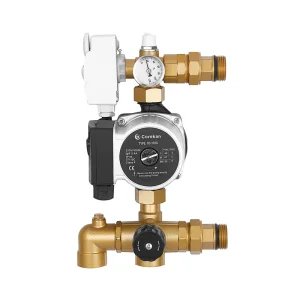
Manages flow blending and pump circulation, ensuring consistent water temperature throughout the heating loop.
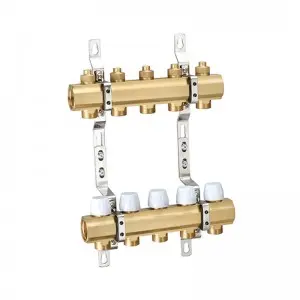
A multi-port distribution block engineered for high-performance domestic underfloor radiant heating networks.
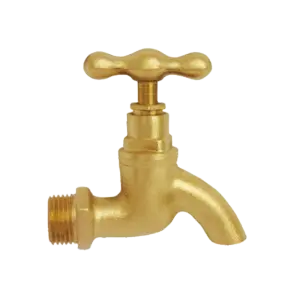
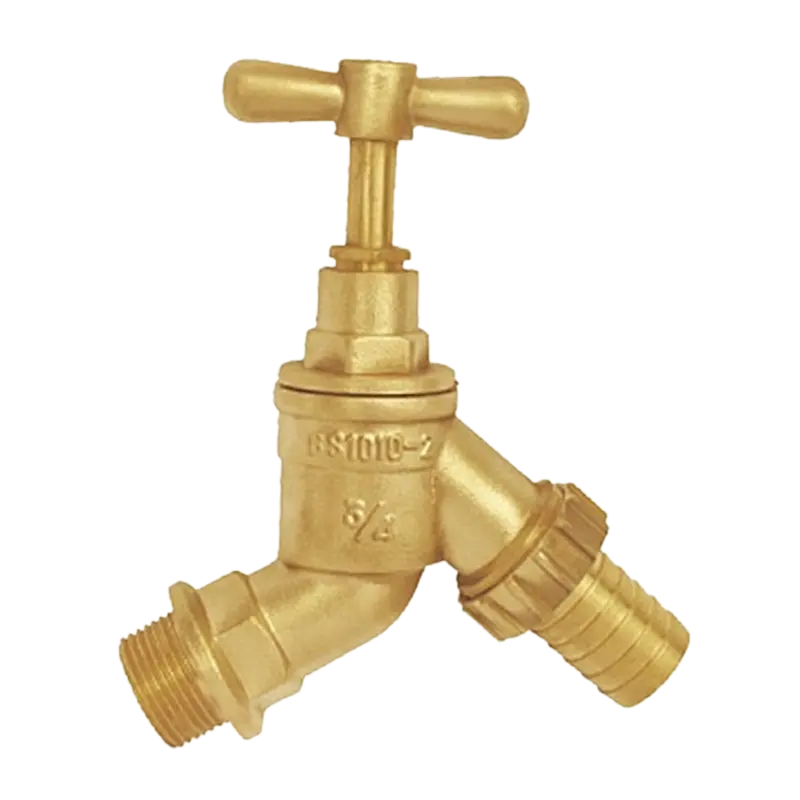
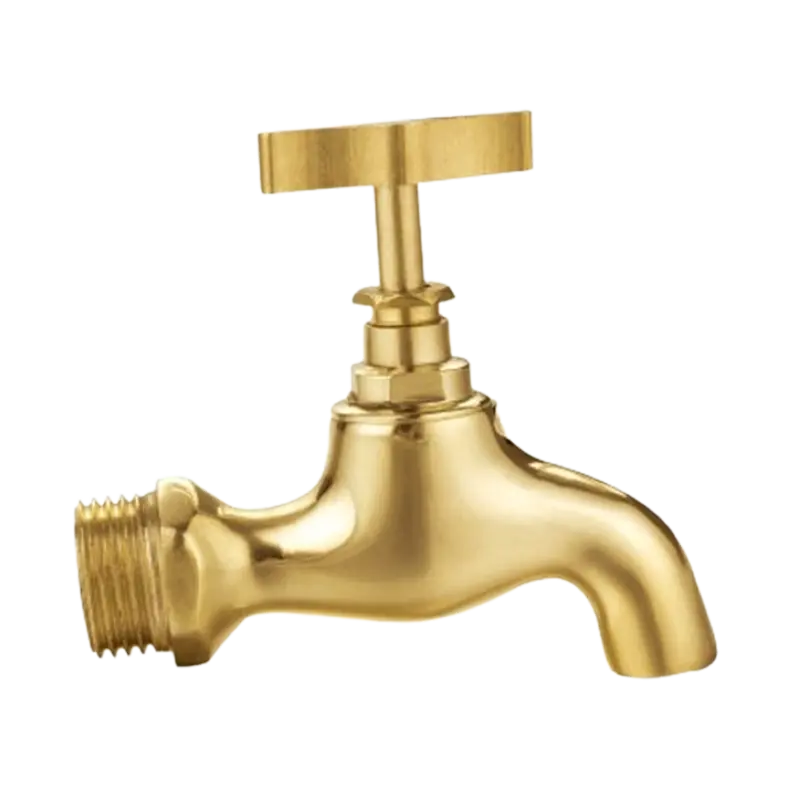
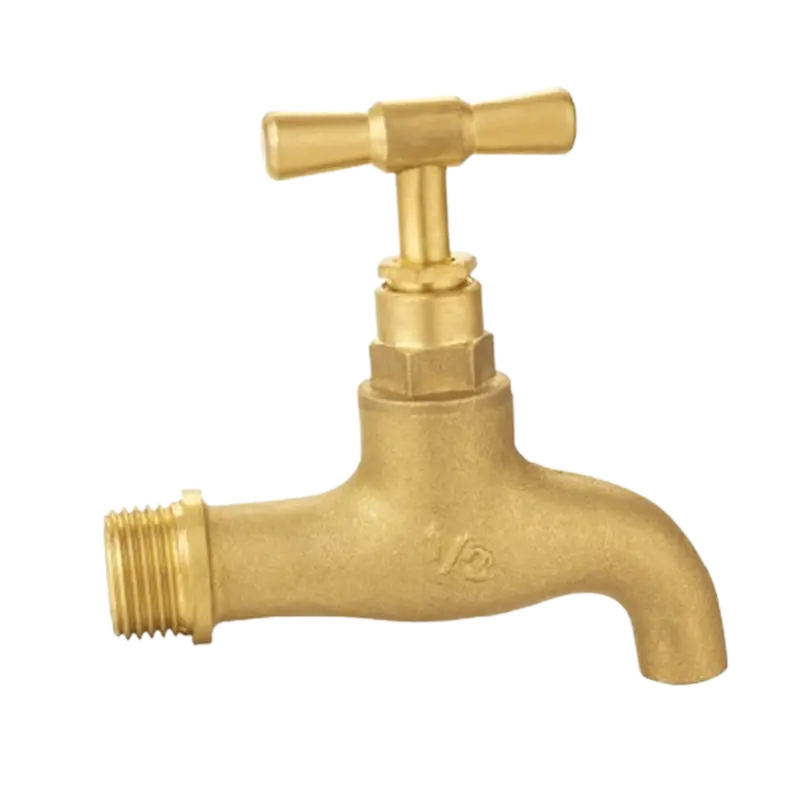
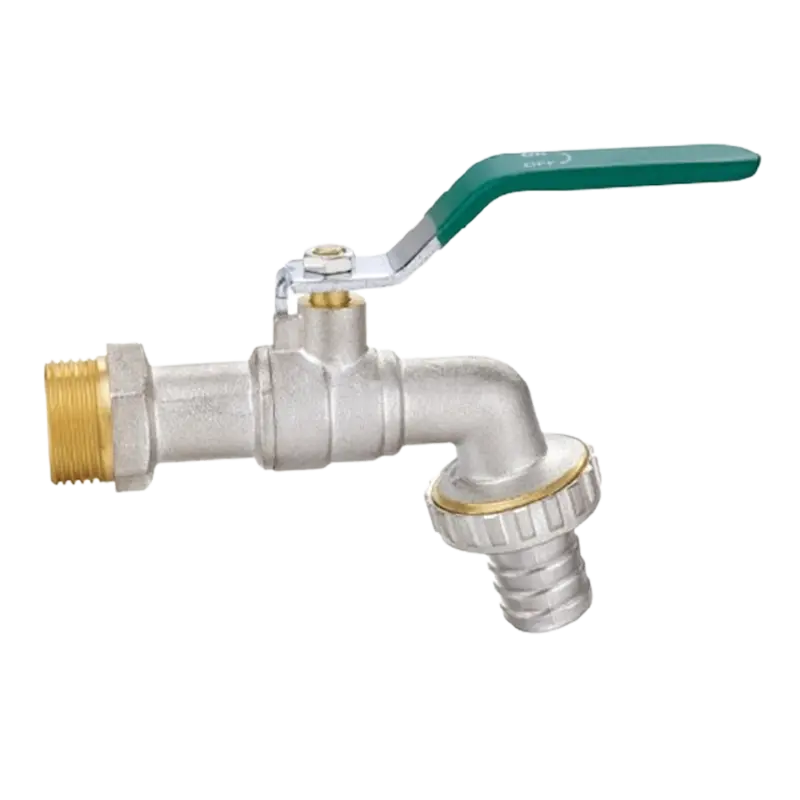
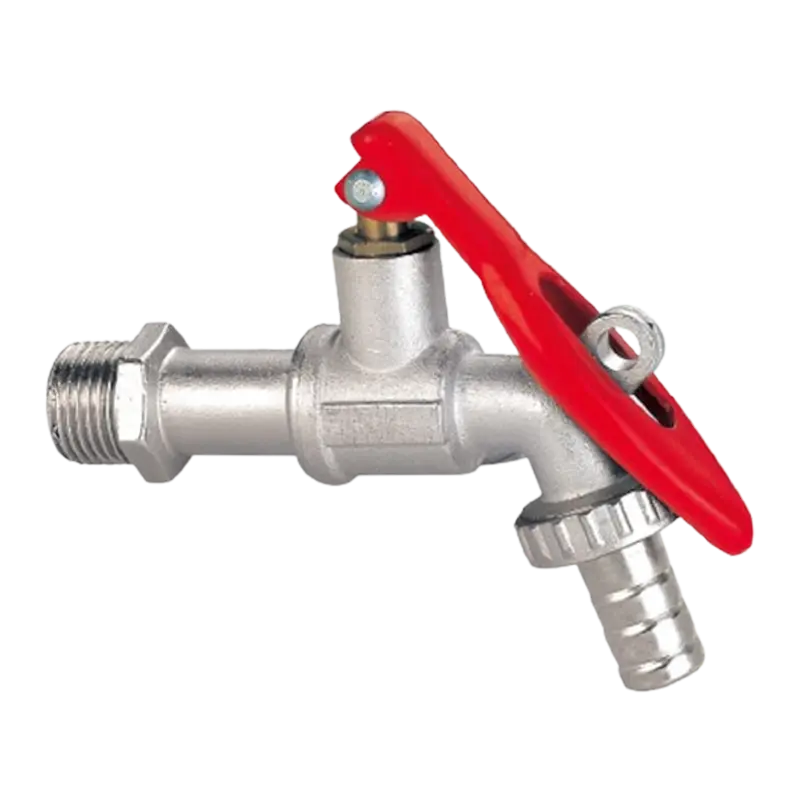
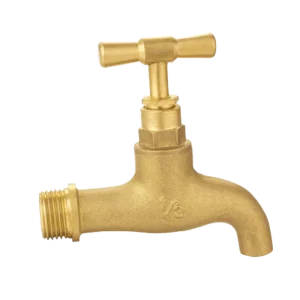
Durable outer-threaded control faucet designed for utility connections and outdoor water management.
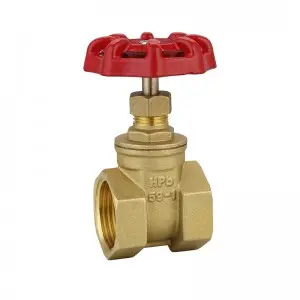
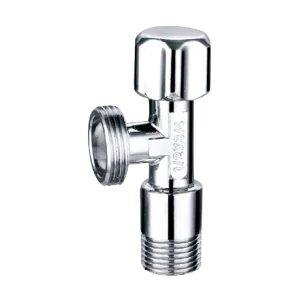
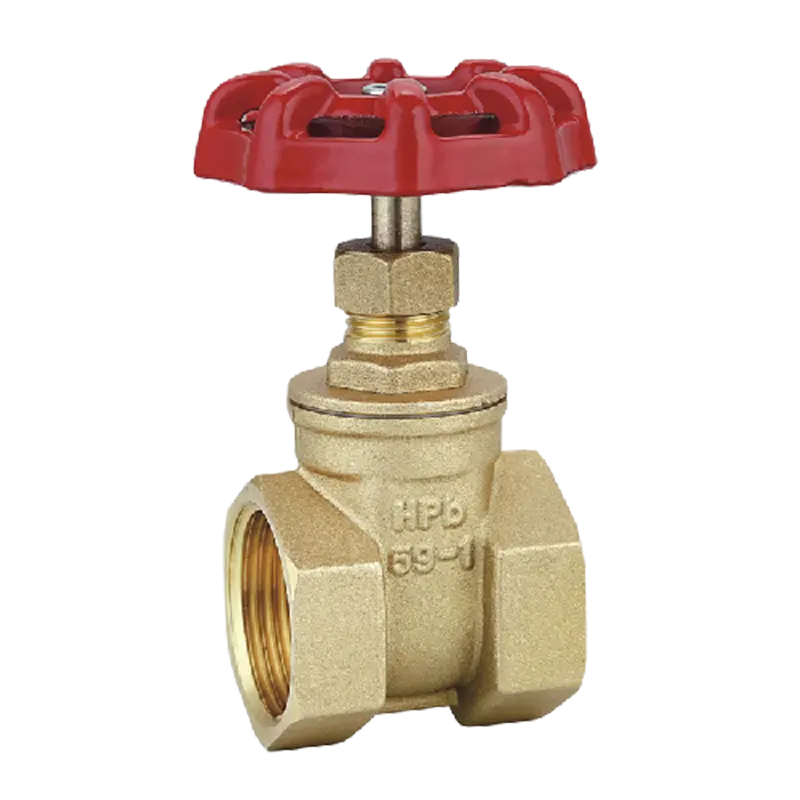
Provides robust flow shutoff with low fluid resistance, suitable for domestic water piping networks.
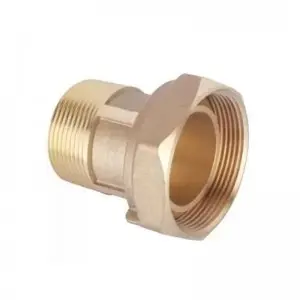
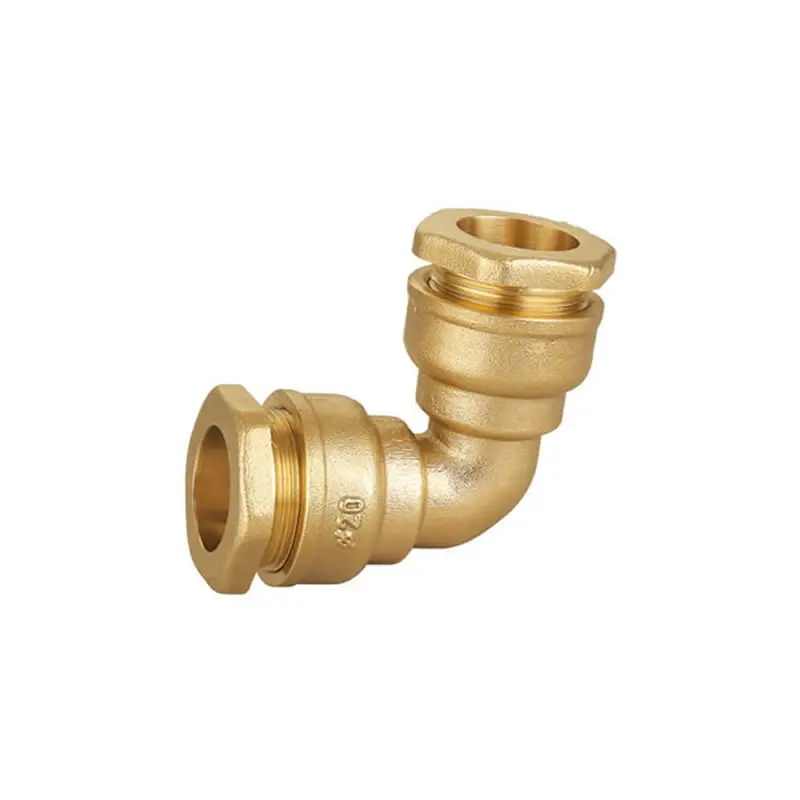
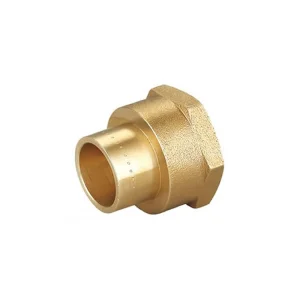
Corrosion-resistant copper-alloy connections designed for municipal water meters.
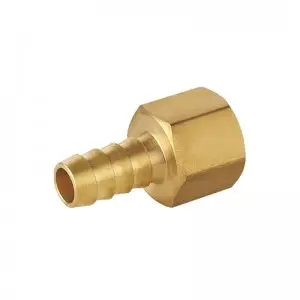
Precision-threaded connectors designed for flexible industrial hose lines in the North American market.
Deep dive technical queries regarding the selection, application, and implementation of PPR check valves.