 Yongda
Yongda
Yongda
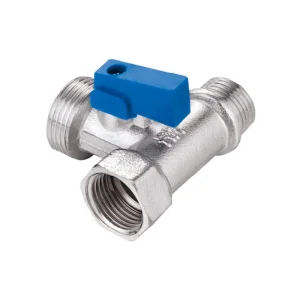
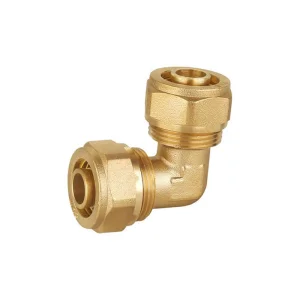
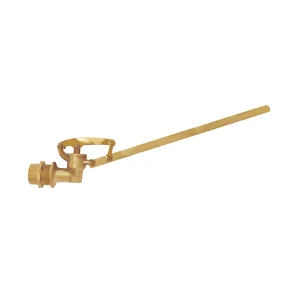
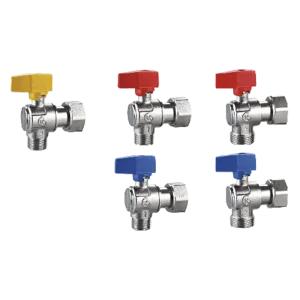
Deploying robust pressure regulators requires premium-grade matching valves and fittings. Browse our primary engineering selections below.
Modern industrial operations depend heavily on efficient fluid control engineering. Selecting pressure regulators is not merely a question of looking at an initial unit price tag. Procurement officers at global engineering, procurement, and construction (EPC) firms, along with HVAC distributors, must assess structural durability, raw material compliance, and dynamic flow reliability. Across regions like North America, Europe, and Asia-Pacific, structural standardizations dictate that regulators maintain extreme operational stability under fluctuating input pressures.
The primary concern for procurement directors is balancing initial equipment costs against the Total Cost of Ownership (TCO). A cheap pressure regulator option that fails prematurely, triggering systemic fluid spikes or leakage, quickly eclipses any initial procurement savings. Hence, finding high-quality forged brass solutions at optimized factory-direct costs presents a substantial competitive edge. When assessing quotes and pricelists, key factors like lead content laws (e.g., NSF/ANSI 61 and RoHS directives in Europe) must be verified alongside pressure-bearing capacities, ensuring long-term operational viability without legal or fluid safety concerns.
Analyzing acquisition costs against valve lifespan, replacement intervals, and maintenance downtime guarantees actual long-term project savings.
Fittings must meet strict standardizations like ISO 9001, CE, and lead-free environmental parameters to prevent import and distribution blocks.
Valves constructed from high-quality CW617N forged brass deliver safety margins that withstand pressure surges without catastrophic failure.
Urban density and the rise of smart cities have altered fluid distribution metrics. Modern municipal water infrastructures, district heating systems, and multi-zoned commercial building complexes require dynamic pressure balancing to function reliably. Static systems are prone to burst zones and pressure loss. Integrated solutions like differential pressure bypass valves, automatic venting groups, and intelligent thermostatic manifolds allow engineering networks to dynamically respond to load variances.
Yuhuan Yongda Fluid Control Co., Ltd. addresses these challenges by developing HVAC systems and premium brass valve distribution components. Engineered to optimize energy usage, these components balance water volumes to ensure consistent temperatures across multiple zones, reducing boiler load and overall power requirements. From domestic residential water connections to industrial fluid routing networks, implementing precision pressure control prevents cavitation, reduces pipe noise, and prolongs the lifespan of appliances throughout the entire distribution framework.

Navigating the industrial market requires transparency in pricing architectures. Industrial and commercial pressure regulator costs are determined by several variables: body material (forged brass, cast iron, stainless steel), port configuration, connection threads (NPT vs BSP), pressure reduction ratios, and integrated features like integrated filters or pressure gauges.
To assist procurement managers, we have provided an analysis of typical cost ranges for standard brass valves, mixing shunts, and heating system accessories. Actual wholesale quotes vary based on volume, OEM customization specifications, and dynamic brass raw material index fluctuations on the London Metal Exchange (LME).
| Equipment Category | Common Materials | Pressure Class (PN) | Est. Bulk Price (USD) | Key Application Zones |
|---|---|---|---|---|
| Piston Pressure Reducing Valves | CW617N / Lead-Free Brass | PN16 - PN25 | $12.50 - $45.00 | Residential Mains & Secondary Fluid Loops |
| Thermostatic Mixing Shunts | Forged Brass HPb59-1 | PN10 | $28.00 - $85.00 | Underfloor HVAC Systems & Radiant Loops |
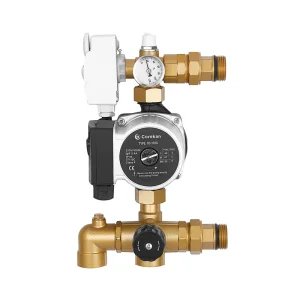
| HVAC Manifold Control Valves | Nickel-Plated Brass | PN10 - PN16 | $8.50 - $22.00 | Boiler Integration & Multi-Zone Balancing |
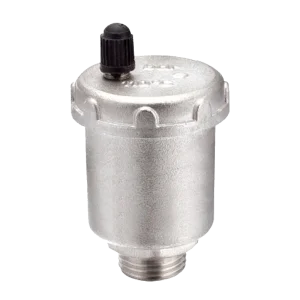
| Automatic Venting Air Valves | Brass / Plated Finish | PN10 | $3.20 - $11.50 | Air Source Water Heaters & Exhaust Systems |
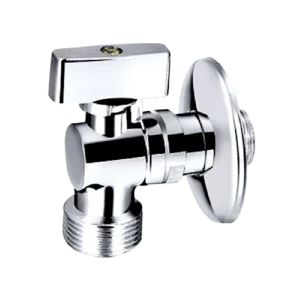
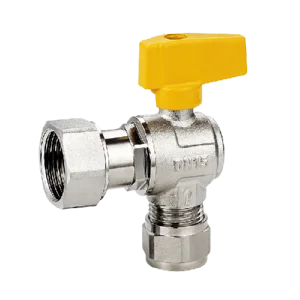
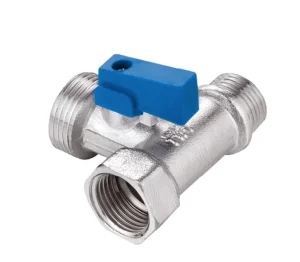
| Forged Two-Way Angle Valves | High-Quality Brass | PN16 | $2.80 - $7.50 | Domestic Sanitary & Secondary Line Shut-offs |
Notice: The pricing margins indicated above represent average manufacturing estimates. Custom quotes with exact specifications, special surface polishing, or direct OEM packaging will be structured individually upon formal RFQ (Request for Quote) submissions.
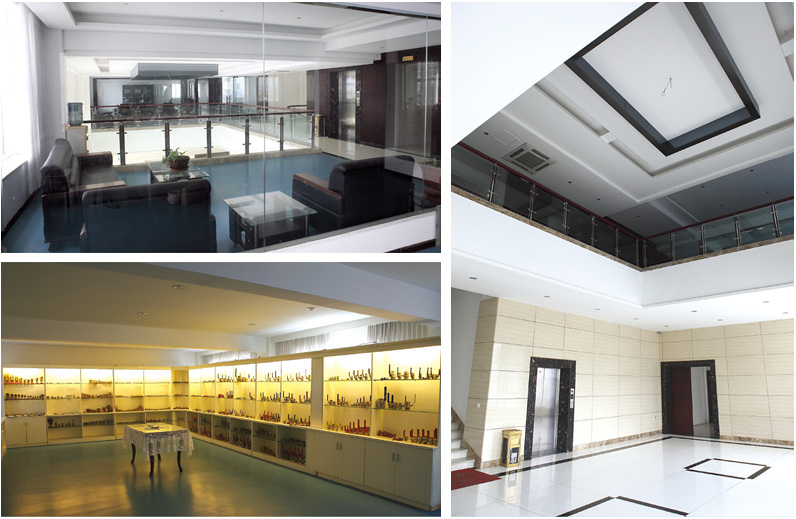
Founded in 1996 and located in Yuhuan, Zhejiang—widely recognized as the "China valve capital"—Yuhuan Yongda Fluid Control Co., Ltd. (formerly Yuhuan Yongda Plumbing Co., Ltd.) has evolved into an industry-leading player in the design, development, and manufacture of brass valves, fittings, and HVAC system components.
Under our brand Cokaren, we build on our promise: "Keep flowing, keep warming." Cokaren focuses on refined aesthetics, environmental compliance, and premium quality, engineering domestic water safety and high-efficiency home heating systems. Spanning a physical factory footprint of 45,000+ square meters with actual usable space exceeding 80,000 square meters, our facility houses more than 600 sets of automated production and testing equipment. This robust scale enables us to export our products to over 20 countries, particularly across highly regulated markets in North America and Western Europe.
Precision manufacturing is essential for consistent fluid control performance. At Yongda, our technological roadmap integrates advanced forging methodologies with computerized numerical control (CNC) machining centers to maintain tolerances within micrometer limits. Our forging processes eliminate structural micro-porosity—the leading cause of high-pressure stress cracks and subsequent fluid escape in cheap cast alternatives.
Our quality assurance program is built around our core policy: "Fine work, no leakage." Every pressure regulator, mixing valve, and manifold assembly undergoes 100% pneumatic pressure testing before packaging. With over 80 sets of specialized machine tools dedicated solely to multi-axis milling and testing, we verify that our brass check valves, ball valves, and venting valves consistently perform to specification, mitigating the risk of system failures under sudden thermal or hydraulic loads.
Utilizing high-tonnage forging presses to process solid brass billets, forming durable, shock-resistant valve bodies.
Automated multi-axis CNC centers machine critical internal channels and threads (NPT/BSP) with high dimensional repeatability.
Subjecting 100% of finished valves to pneumatic and hydraulic stress testing to eliminate micro-fracture escapes.
Applying automated plating or polishing techniques to optimize corrosion resistance in demanding operating environments.
Our comprehensive energy distribution portfolio addresses the practical layout of commercial floor heating, multi-zone water systems, and municipal plumbing. Managing pressure fluctuations across supply lines requires a balanced integration of components. An automatic air vent valve release, for example, is essential for venting trapped air pockets that can cause cavitation, dry combustion in boilers, and system inefficiencies.
Combining Y5020 mixing shunts, Y9031 smart thermostats, and Y1001 manifold groups establishes a closed-loop HVAC network. This system balances pressures, dampens water hammer occurrences, and automatically responds to ambient temperature changes. Utilizing high-efficiency check valves also prevents reverse thermal flow, maintaining systemic pressure values and protecting boiler systems from thermal shock and premature wear.

Yuhuan Yongda Fluid Control Co., Ltd. maintains a robust quality management framework. Our facilities operate under a certified ISO 9001:2015 Quality Management System. We also hold ISO 14001:2015 Environmental Management and ISO 45001:2018 Occupational Health and Safety certifications, ensuring our manufacturing processes align with recognized global standards.
Our commitment to safety and environmental standards extends to our choice of materials. We source low-lead and lead-free brass formulations to ensure compliance with drinking water regulations in European and North American markets. By matching strict material traceabilities with standardized structural testing, we supply our partners with reliable components that meet local regulatory requirements.
Review answers to standard technical questions regarding pressure regulator pricing, customizations, and operational parameters.
Browse our additional flow control components, including check valves, mixing units, and manifold configurations.