 Yongda
Yongda
Yongda
Yuhuan Yongda Fluid Control Co., Ltd. (formerly Yuhuan Yongda Plumbing Co., Ltd.) was established in 1996 and is strategically located in the "China Valve Capital" – Yuhuan, Zhejiang. As one of the most prominent, specialized plumbing and fluid control enterprises in the region, Yuhuan Yongda integrates state-of-the-art product design, rigorous material development, high-precision manufacturing, and global sales pipelines.
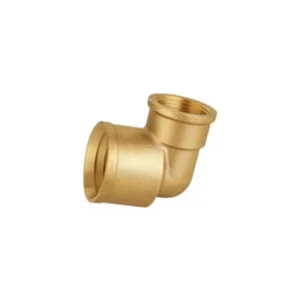
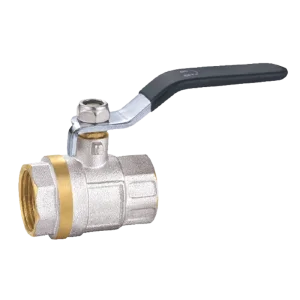
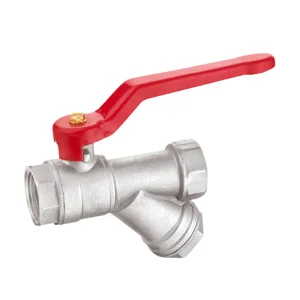
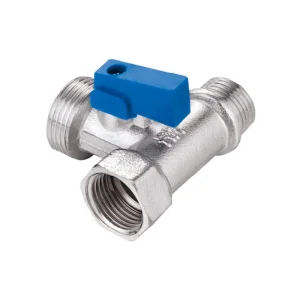
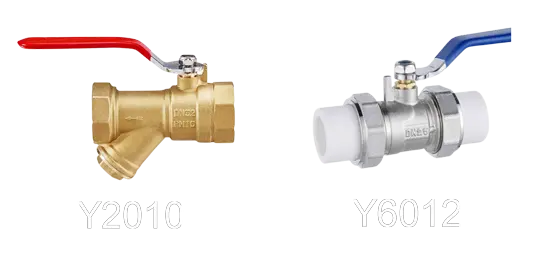
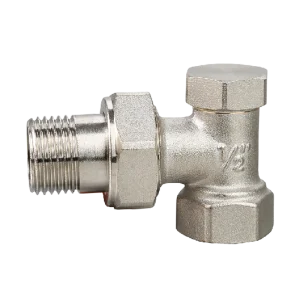
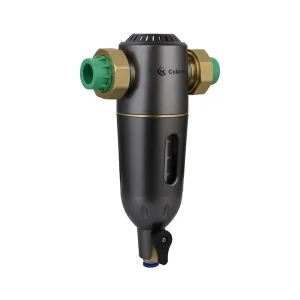
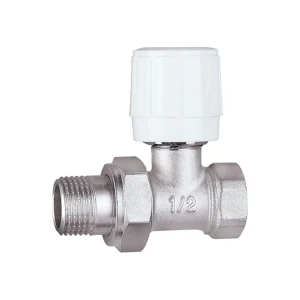
The company specializes in three core categories: brass valves, brass fittings, and high-performance HVAC system accessories. Positioned specifically in the mid-to-high-grade segments, our product lines focus on superior durability, environmental compatibility, and strict lead-free raw materials. This focus makes them a preferred choice for residential, commercial, and industrial buyers across North America, Europe, and neighboring advanced economies.
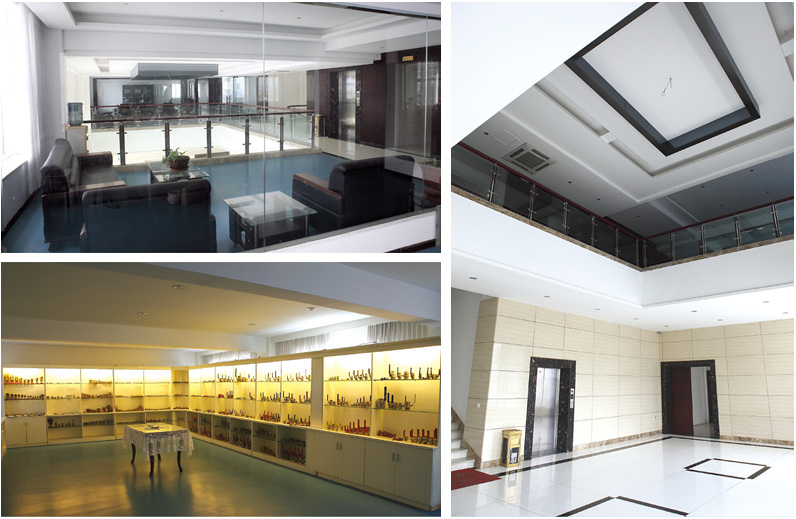
To support this high level of production quality, Yuhuan Yongda operates a modern facility covering more than 45,000 square meters, with an actual usable construction area reaching 80,000 square meters. Our manufacturing floor houses over 600 sets of advanced production and testing equipment, including more than 80 sets of specialized machine tools. This operational infrastructure allows us to scale production while maintaining tight tolerances, custom OEM/ODM designs, and exporting finished goods to over 20 countries.

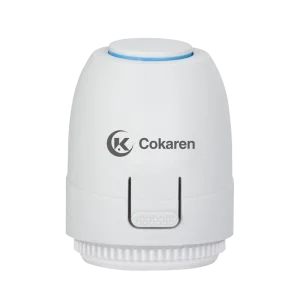
Under our premium brand, Cokaren, we are committed to developing advanced fluid management systems with clean, refined aesthetics and high performance. Cokaren’s foundational brand promise, "Keep flowing, keep warming," highlights our dedication to ensuring that home and industrial thermal circuits operate with maximum efficiency and safety.
As we continue to grow, Yuhuan Yongda and the Cokaren brand focus on expanding digital integration, lean production, and green manufacturing. We strive to maintain consistent growth, positioning ourselves as a leading, globally recognized partner for complex industrial and residential piping systems.
In modern industrial processing, handling highly viscous fluids or media that crystallize at ambient temperatures poses a significant challenge. Materials such as liquid sulfur, bitumen, coal tar, asphalt, molten resins, polymer pre-pregs, and food products like chocolate or syrups must be kept at strict, elevated temperatures throughout the transport cycle. If the temperature drops even slightly within the pipeline, the medium can solidify, leading to system blockages, equipment damage, and costly plant downtime.
This is where jacketed ball valves play a critical role. By encasing the main valve body in an external metal jacket (sleeve), hot media—such as high-pressure steam, thermal oils, or hot water—can flow continuously around the internal valve mechanism. This maintains the process fluid above its crystallization or solidification threshold, ensuring uninterrupted, low-friction flow.
Standard non-jacketed valves suffer from rapid heat loss due to their external surface area exposure. A custom-engineered ODM jacketed valve minimizes thermal deadzones around the valve stem, seat cavities, and flanges, preventing localized freezing of critical media.
Today, the global market for jacketed ball valves is driven by several key factors:
Off-the-shelf valves rarely meet the specific requirements of complex thermal systems. Flow rates, pressure ratings, media compatibility, and available installation spaces vary by application. Our ODM service addresses this by offering fully customized jacketed valve designs tailored to your operating environment.
Selecting the appropriate alloys for the valve body and jacket is critical for safety and operational longevity. Carbon steel is commonly used for non-corrosive steam and oil service, while stainless steels (such as SS304, SS316, or SS316L) are specified for food processing and corrosive chemical lines. For highly aggressive media, specialized nickel alloys (Hastelloy, Monel) can be cast or cladded on internal surfaces.
In addition, the external jacket must match the thermal expansion characteristics of the internal valve body. If the jacket and body expand at significantly different rates under temperature fluctuations, the resulting stress can cause structural weld cracking or internal alignment issues, leading to premature valve failure.
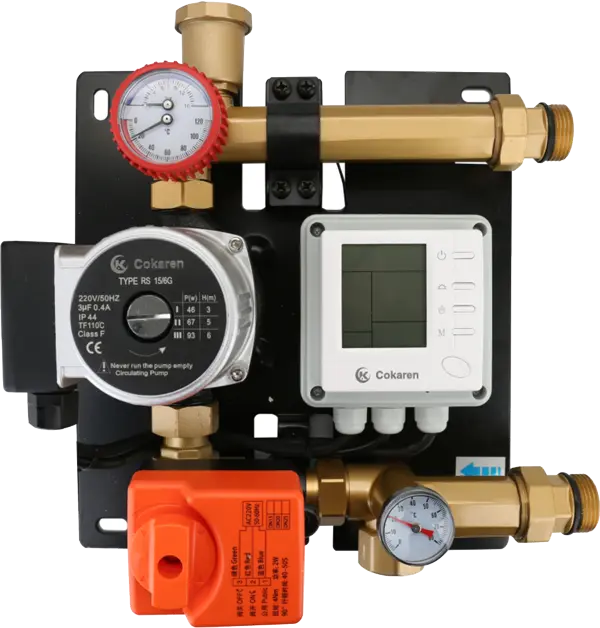
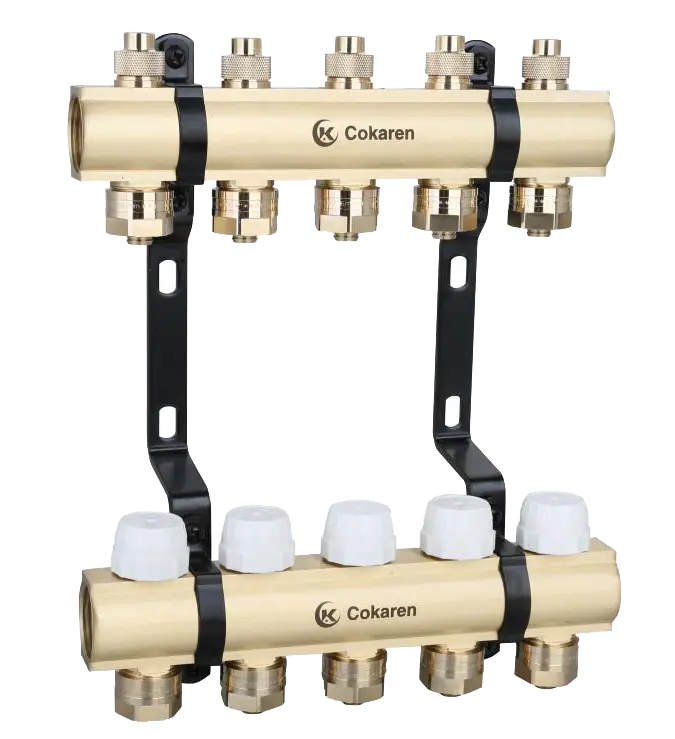
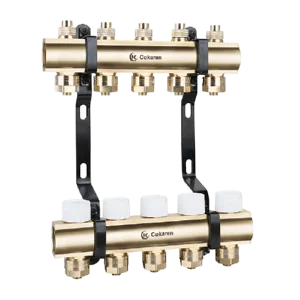
Modern industrial sites operate as integrated thermal systems, where fluid control, steam generation, and temperature balancing must work together efficiently. Yuhuan Yongda designs and manufactures comprehensive fluid control assemblies that connect directly to central manifolds, boilers, and heating units, optimizing energy distribution across the plant.
Our integrated valve and manifold technology stabilizes temperature, monitors line pressures, and controls multi-channel water and steam loops.
Reliability in fluid control systems is directly linked to manufacturing consistency and rigorous testing protocols. A single valve failure can halt an entire refinery or chemical processing plant, costing hundreds of thousands of dollars in lost production.
To ensure high quality, Yuhuan Yongda Fluid Control Co., Ltd. operates under international quality and safety management systems. We hold several key industry certifications:
Our quality control policy, "Fine work, no leakage," is implemented at every stage of production. From raw material sorting and precision CNC machining to multi-phase hydrostatic pressure shell testing and low-pressure air seat tests, we verify performance under realistic operating pressures before shipping.

Custom-designed jacketed valves are utilized across diverse industries, each presenting unique operating parameters, chemical profiles, and thermal dynamics:
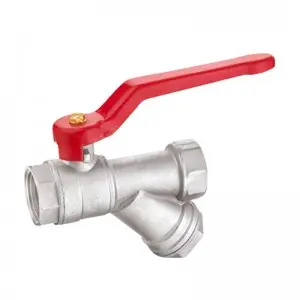
In asphalt blending, heavy crude oil recovery, and sulfur processing, temperatures must remain high to prevent solidification. Our jacketed valves handle high temperatures and abrasive solids, ensuring reliable operation under harsh conditions.
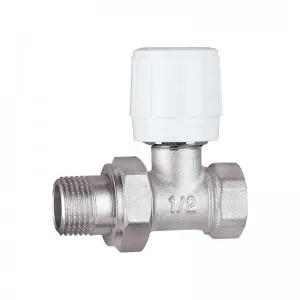
Handling sticky fluids like chocolate, syrups, and fats requires consistent thermal regulation to prevent crystallization while meeting strict sanitary requirements. We supply lead-free brass and food-grade stainless steel options to ensure hygienic, reliable operation.
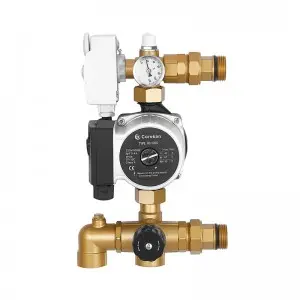
District heating systems and large-scale industrial steam loops rely on valves that can withstand rapid thermal expansion without leaking. Our brass-jacketed and custom alloy models provide high reliability for municipal heating plants and boiler loops.