 Yongda
Yongda
Yongda
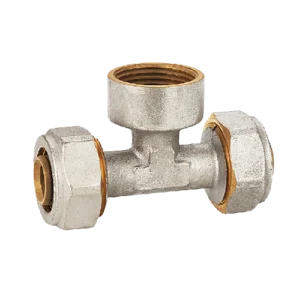
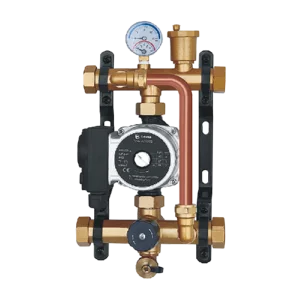
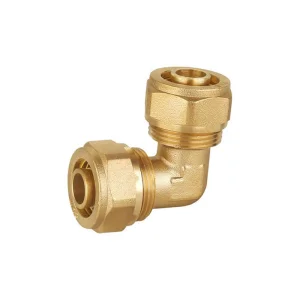
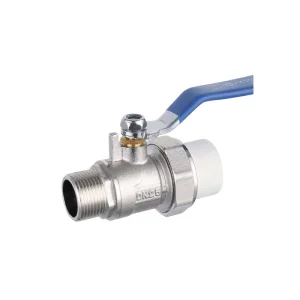
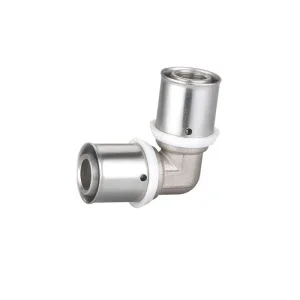
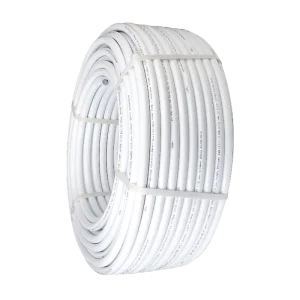
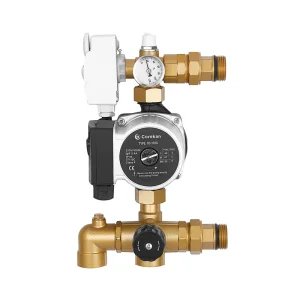
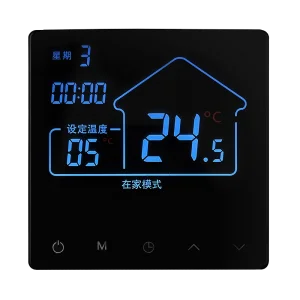
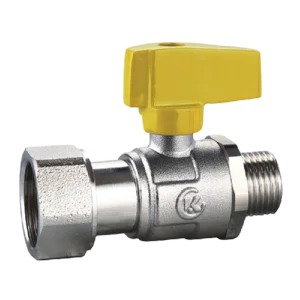
Modern industrial, HVAC, and commercial plumbing architectures require fluid automation systems that marry high structural resilience with swift response times. The OEM Solenoid Ball Valve product family represents the pinnacle of this convergence. Unlike typical inline solenoid valves that are highly vulnerable to system media impurities and line pressure shocks, motorized and solenoid-actuated ball valves feature full-bore flow designs. This eliminates pressure drops and protects pipelines from catastrophic water hammer phenomena.
At Yuhuan Yongda Fluid Control Co., Ltd., we combine over 27 years of deep-domain precision engineering with state-of-the-art electromechanical testing systems. This approach provides heavy-duty fluid control products tailored for underfloor heating networks, municipal water grids, cooling plants, and demanding industrial automation fields.

When engineering high-volume underfloor heating manifolds, commercial water mixing loops, or industrial cooling structures, specifying the appropriate actuation method is crucial. The table below provides a detailed structural breakdown comparing traditional direct-acting solenoid valves, motorized solenoid ball valves, and heavy pneumatic control valves.
| Performance Parameter | Direct-Acting Solenoid Valve | Actuated Solenoid Ball Valve | Pneumatic Actuated Valve |
|---|---|---|---|
| Media Impurity Sensitivity | High (prone to blockage & membrane failure) | Negligible (dual-wiper PTFE seats clean the sphere) | Low |
| Flow Capacity (Cv Value) | Restricted / Low (due to internal plunger paths) | Maximum (Full-bore straight line routing) | Medium to High |
| Closing Speeds | Instant (<100ms) - High Water Hammer risk | Controlled (3 to 15s) - Zero Water Hammer | Fast (1 to 2s) |
| Operating Life Cycles | ~200,000 operations | ~100,000+ operations (actuator & heavy seals) | ~1,000,000 operations |
| Power Consumption Profile | Continuous hold current required | Peak current during cycling only (microswitches) | Dynamic air supply compression energy |
| Corrosion Resistance (HVAC) | Medium (exposed internal metal plungers) | High (isolated heavy forged lead-free brass) | High (anodized external controls) |
In modern HVAC and municipal environments, material longevity is vital. Yuhuan Yongda sources raw copper, brass billets, and premium rod stock to match rigorous international standards. Standard materials include lead-free DZR (Dezincification Resistant) brass alloys, CW617N brass for European compliance, and HPb59-1 for traditional industrial pipelines. Each valve shell is forged under high pressure to eliminate porosity and stress fractures, keeping the system free of pinholes and micro-cracks.
Our sealing architecture relies on virgin PTFE (polytetrafluoroethylene) seats backed by high-elastomer EPDM or Viton (FKM) O-rings. The self-lubricating qualities of PTFE seats minimize rotational friction, lowering the breakaway torque required by motorized actuators. This layout extends battery backup lives, reduces sizing requirements for electric motors, and preserves optimal power profiles across high-duty operations.
Cokaren is Yuhuan Yongda's premium brand division, developed to deliver high-quality, long-lasting hydronic accessories to modern homes and smart buildings. Our corporate philosophy focuses on design precision and reliable components that keep heating grids operating at optimal efficiency.
By combining Yuhuan Yongda's heavy-duty engineering base with Cokaren’s customer-focused product designs, we provide heating and cooling components that are simple to integrate, visually refined, and built to last. From floor heating manifolds and water mixing assemblies to smart motorized valves, Cokaren works to bring reliable, comfortable heating to families around the world.
"Struggle, Enterprising, Pragmatic, Innovative. Customer first, Quality based. Fine work, no leakage."
Our quality guideline "Fine work, no leakage" drives every phase of our manufacturing cycle. Every solenoid ball valve, manifold port connection, and compression joint is subjected to multi-stage pneumatic and hydrostatic seal testing. This dedication to quality ensures reliable operation across high-rise buildings and demanding municipal pipelines, protecting properties from unexpected water damage.
Our operations are governed by integrated international standards:
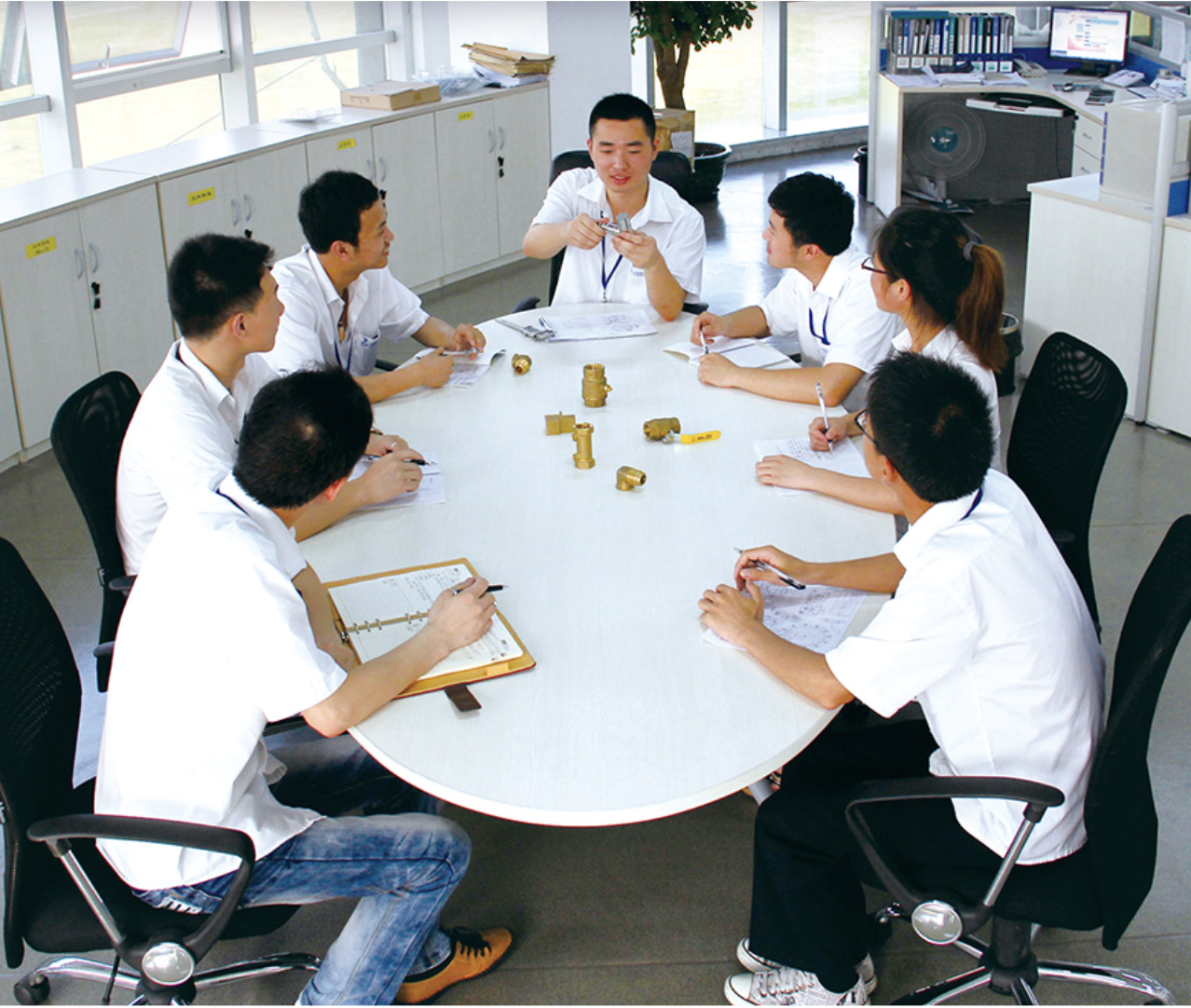
We work with your engineering team to define critical project parameters, including fluid media compatibility, sizing constraints, target flow rates (Cv), operating torque profiles, and control requirements (2-wire, 3-wire, Modbus).
Our engineering team designs custom brass alloys (including CW617N, DZR, or Lead-Free formulations) and generates detailed 3D CAD models. This stage includes finite element stress analysis to optimize wall thickness under high operating pressures.
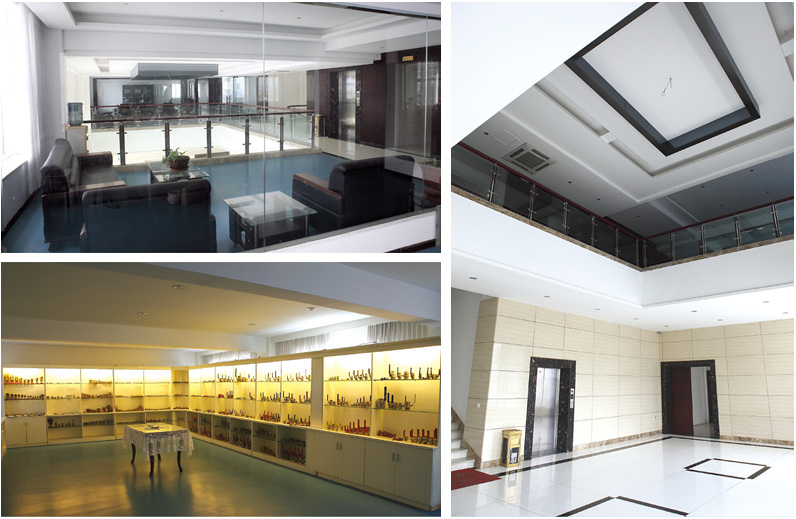
Using our factory footprint of 45,000+ square meters and over 600 sets of advanced machinery—including 80 specialized precision tools—we machine raw forgings to strict design tolerances within micrometer ranges.
Every valve undergoes pneumatic seal and hydrostatic pressure tests to satisfy our "fine work, no leakage" quality guideline. Actuator assemblies also undergo rigorous cycling tests to ensure consistent performance.
We provide full compliance documentation for global markets, including CE, NSF, and EN certificates. Optimized shipping configurations are managed directly from our Zhejiang facilities to ports around the world.
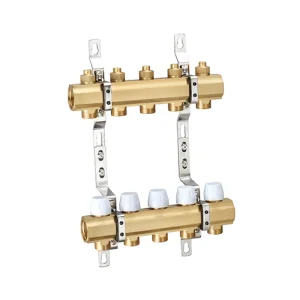
Energy distribution systems in modern residential and commercial architectures require seamless interaction between the primary heat source (such as heat pumps or gas boilers) and individual space heating loops. Underfloor heating manifolds form the core of this distribution process. Combined with our brass water mixing shunts, venting valves, and automated thermostats, these assemblies manage zone temperatures dynamically to reduce energy consumption.
Our temperature control valves and automated manifold mixing circuits help balance inlet and return temperatures. By blending return water into the primary heating supply line, our systems protect plastic floor pipes from thermal damage while maintaining steady, comfortable indoor temperatures.